


 Katso seinällä
 Lähetä
 Jaa
Jaa
 Tarkemmat tiedot
 Opas
Opas

 Lataa kuva
 Samanlaisia kohteita
 Röntgenkuvaus
 Diaesitys
 Tilastot
St John Reproaching Herod
 Oil On Canvas
- WallArt
- Baroque Art
 1662
1662- Early Modern
 140.0 x 202.0 cm
 Museo de Bellas Artes de Sevilla
 Lue lisää
Giclée- ja taideprintit
Museolaatuisia giclée- tai kankaitaulun tulosteita nopealla tuotannolla ja joustavilla viimeistelyvaihtoehdoilla. ( Tilaa käsinmaalattu jäljennös Siirry digitaaliseen kuvaan)




P118B $10

P118H $10

P118W $10

P438Z $10

P508JH $12

P508YH $12

P805H $10

P805Z $10

P919BZ $10

P919G $10

P919XJ $10

P959ZH $10

P968JZ $12

W106C $8

W218G $10

W218JH $8

W218Y $10

W307PJ $10

W316G $10

W316PJ $8

W316Y $10

W398PJ $8

W4111J $10

W500HY $15

W500JH $15

W692G $12

W849H $8

W940BG $15

W953PJ $8




Valitse valmiista mitoistamme sellaiset, jotka vastaavat teoksen alkuperäisiä mittasuhteita.

Voit syöttää omat mitat sopiaksesi tiettyyn kehykseen tai tilaan. Jos valittu koko ei vastaa alkuperäisen kuvan mittasuhteita, rajaamme teosta tai laajennamme kuvaa peilatulla tai yhtenäisellä reunalla. Digitaalinen mallikuva lähetetään hyväksyttäväksi ennen tuotannon aloittamista.
Huomaathan, että näytöllä näkyvä esikatselu ei vastaa lopullista rajausta tai laajennusta. Vain mallikuva näyttää lopullisen sommittelun tarkasti.
Vaikka räätälöityjä kokoja on saatavilla, suosittelemme valitsemaan mitat valmiista listasta alkuperäisten mittasuhteiden säilyttämiseksi.
Maailmanlaajuinen toimitus () 2 viikossa tavallisen 4–5 viikon sijaan. (25 syyskuu)

Ilmainen pikatoimitus ympäri maailman

Korkealaatuinen pellavakangas

Kattava kuljetusvakuutus

Tulliveron palautustakuu

Takuu täydellisestä värien vastaavuudesta

100 päivän palautusoikeus valmistusvirhetapauksissa

100% rahat takaisin -takuu

Määräalennus saatavilla
 Lasivaihtoehto on saatavilla vain alle 110 cm kokoisille teoksille

St John Reproaching Herod
Giclée- ja taideprintit
Replikaatin koko
-


Kokonaishinta
$ 62
A Dramatic Encounter in Chiaroscuro
In the grand tradition of the Baroque era, few works capture the raw, visceral tension of moral confrontation as masterfully as Mattia Preti’s 1662 masterpiece, St John Reproaching Herod. This commanding oil on canvas, currently preserved within the hallowed halls of the Museo de Bellas and Fine Arts in Seville, serves as a profound window into a moment of divine reckoning. The scene is not merely a historical or biblical recount; it is a psychological battlefield. Preti, often celebrated as Il Cavalier Calabrese, utilizes the dramatic interplay of light and shadow to stage a confrontation that feels as though it is unfolding in real-time before the viewer's eyes. As the eye wanders across the 140 x 202 cm expanse, one is immediately struck by the sheer gravity of the figures, whose presence dominates the canvas with an almost sculptural weight.
The composition is a masterclass in the Caravaggesque influence that defined Preti’s formative years. Through the sophisticated use of chiaroscuro, the artist plunges much of the background into a deep, impenetrable darkness, effectively stripping away all worldly distractions to focus the viewer's entire emotional attention on the central conflict. From this gloom, the figures emerge with startling clarity, illuminated by a harsh, directional light that accentuates the rugged textures of their garments and the intense, furrowed expressions on their faces. This technique does more than create depth; it imbue the painting with a sense of spiritual urgency, making the weight of St John’s rebuke feel physically palpable.
The Artistry of Tension and Truth
At the heart of this narrative struggle is the figure of St John the Baptist, depicted with a formidable and unyielding presence. He stands as the voice of conscience, his posture radiating a righteous indignation as he confronts the decadence of Herod. The artist’s ability to render the textures of the era—the heavy folds of cloth, the subtle sheen of skin, and the intricate details of royal attire—adds a layer of breathtaking realism that grounds this biblical drama in a tangible reality. This meticulous attention to detail ensures that the painting transcends its religious subject matter, offering a universal study of power, sin, and the courage required to speak truth to authority.
For the discerning collector or interior designer, St John Reproaching Herod offers more than just historical significance; it provides a profound aesthetic anchor for any sophisticated space. The painting’s dark, moody palette and dramatic lighting make it an ideal centerpiece for rooms designed to evoke contemplation, strength, and classical elegance. Whether displayed in a private gallery or as a focal point in a grand salon, a high-quality reproduction of this work brings with it the enduring spirit of the 17th century. To possess such a piece is to invite the dramatic mastery of Mattia Preti into one's environment, allowing the timeless struggle between light and shadow to continue inspiring awe and reflection for generations to come.
Samankaltaisia teoksia


Taiteilijan elämäkerta
Mattia Preti (1613 – 1699): The Calabrian Knight of the Baroque
Mattia Preti, known as *Il Cavalier Calabrese* – the Calabrian Knight – stands as a monumental figure in 17th-century Italian Baroque painting. Born in Taverna, Calabria, on February 24, 1613, his artistic journey was one of remarkable transformation and evolution, absorbing diverse influences and culminating in a uniquely expressive style that profoundly impacted the art world, particularly in Malta where he spent much of his later life. Preti’s early training began under Giovanni Battista Caracciolo, a painter deeply rooted in the Caravaggist movement – a lineage that would forever shape his artistic vision. This foundational exposure instilled within him an acute understanding of dramatic *chiaroscuro* – the intense interplay of light and shadow – and a commitment to realistic depiction that remained central to his work throughout his career.
Before 1630, he joined his brother Gregorio in Rome, immersing himself completely in the vibrant artistic atmosphere of the city. Here, he studied under the masters who defined the era: Caravaggio, Guercino, Rubens, Guido Reni, and Giovanni Lanfranco. This period wasn’t merely about imitation; it was a crucial process of synthesis, where Preti absorbed the techniques and philosophies of these giants, gradually forging his own distinctive voice.
Forging a Dynamic Style: Beyond Caravaggism
Preti's artistic development wasn't simply a mimicry of his predecessors; it was a masterful integration of diverse influences into a style uniquely his own. While initially deeply influenced by Caravaggism, he skillfully moved beyond its strict confines, embracing the dynamism and emotional intensity that characterized the High Baroque. His time in Naples further refined this evolution, exposing him to the vibrant work of Luca Giordano – a painter known for his exuberant color palettes and dramatic compositions.
This period saw Preti’s canvases swell with energetic movement, complex compositions, and a heightened sense of drama. He masterfully employed dramatic contrasts of light and shadow, inherited from Caravaggio, not simply as a technical device but as a means of intensifying emotional impact and guiding the viewer's eye. His figures are imbued with palpable emotion – piety, anguish, ecstasy – conveyed through expressive faces and dynamic body language. This ability to evoke powerful feelings became a defining characteristic of his oeuvre. He wasn’t content merely to depict scenes; he sought to *animate* them, breathing life into biblical narratives and religious iconography.
Major Commissions and Artistic Achievements
Mattia Preti's exceptional talent quickly garnered recognition, leading to a series of significant commissions throughout Italy. Early in his career, he created impressive fresco cycles for Roman churches like Sant’Andrea della Valle and San Carlo ai Catinari, demonstrating an aptitude for large-scale decorative painting. His work at the church of San Biagio in Modena showcased his ability to adapt his style to different architectural settings.
However, some of his most ambitious – though sadly lost – works were the frescoes he painted on seven city gates in Naples depicting the Virgin or saints delivering people from the plague. Though only sketches remain today, they testify to the scale and impact of these monumental creations. These commissions weren’t simply about fulfilling a patron's request; they were opportunities for Preti to engage with the religious and cultural life of the communities he served, imbuing his art with meaning and purpose.
The Maltese Zenith: St. John’s Co-Cathedral
It was in Malta, however, that Mattia Preti reached the pinnacle of his artistic achievement. Appointed a Knight of the Order of Saint John in 1660, he embarked on a transformative project: the complete redecoration of the interior of St. John’s Co-Cathedral in Valletta. This undertaking – arguably his most significant legacy – involved an astonishing series of paintings depicting the life and martyrdom of Saint John the Baptist.
The sheer scale of the project is breathtaking; Preti essentially created a visual narrative that enveloped the viewer, immersing them in the story of the saint. The opulent Baroque setting provided the perfect canvas for his dramatic style, and the resulting artwork cemented his reputation as one of Europe’s leading painters. His work at St. John's wasn’t merely decorative; it was an act of devotion, a testament to his faith, and a powerful expression of the Order’s religious identity.
A Lasting Legacy
Mattia Preti continued to receive commissions from across Europe following his success in Malta, solidifying his position as a leading figure in Italian Baroque art. He died in 1699, leaving behind a rich artistic legacy that continues to inspire and captivate audiences today. His masterful use of light and shadow, dynamic compositions, and ability to convey intense emotion remain hallmarks of his style. His contributions are preserved in museums such as the Capodimonte Museum in Naples, and through reproductions made available by platforms like ArtsDot.com, ensuring that his art continues to reach new generations. The enduring impact of Preti’s work is perhaps most vividly felt within the walls of St. John's Co-Cathedral, a breathtaking testament to his artistic genius and unwavering dedication to the Baroque aesthetic.

Mattia Preti
1613 - 1699 , Italia
Tietoa taiteilijasta
- Artistic Movement Or Style: Barokki
- Artists Or Movements Influenced By This Artist: ['Stringa']
- Artists Who Influenced This Artist:
- Caravaggio
- Guercino
- Date Of Birth: 24 feb 1613
- Date Of Death: 3 jan 1699
- Full Name: Mattia Preti
- Nationality: Italian
- Notable Artworks:
- Absalomin juhla
- Jael tappaa Sisara
- Place Of Birth: Taverna, Italia
Aiheeseen liittyvät artikkelit

John Singer Sargent's 25 Masterpieces: Portraits & Beyond | ArtsDot
Explore 25 iconic John Singer Sargent paintings – from dazzling portraits to Impressionist landscapes. Discover the stories behind Madame X, El Jaleo & more! Find museum-quality art reproductions and elevate your home decor with ArtsDot.com.
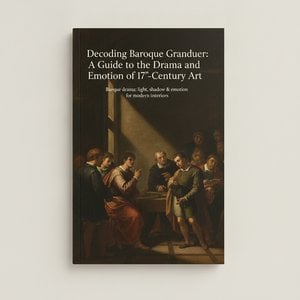
Decoding Baroque Grandeur: A Guide to the Drama and Emotion of 17th-Century Art
Explore the breathtaking drama of 17th-century Baroque art. Our expert guide decodes the use of chiaroscuro, emotional intensity, and historical grandeur to help you appreciate and curate timeless masterpieces for your collection.

Theatricality & Triumph: Baroque Drama in Painting & Sculpture
Explore the dramatic world of Baroque art! Discover its history, defining characteristics, & lasting influence on painting & sculpture. Expert insights into Caravaggio, Zurbarán, and Bernini – plus high-quality reproductions at ArtsDot.

John Constablein 25 mestariteosta: Taidetta ja tunnelmaa kotiisi – ArtsDot.com
Tutustu John Constable'n 25 mestariteokseen – romanttisia maisemamaalauksia, jotka vangitsevat englantilaisen luonnon tunnelman. Taidehistoriaa ja inspiraatiota kotiisi ArtsDot.com:ssa. Löydä kaikki taideteokset verkossa!

Barokin loisto: Kuinka tuoda ylellisyyttä ja tunnetta nykyaikaiseen sisustukseen
Tutustu barokki sisustuksen loistoon! Opi luomaan ylellistä ja tunnelmallista kotia historiallisen tyylin inspiroimana. Vinkkejä, esimerkkejä ja in apua.


