

 Esikatselu
 Jaa teos
 Jaa
Jaa
 Tiedot
 Opas
Opas

 Lataa kuva
 Samanlaisia kohteita
 Röntgenkuvaus
 Diaesitys
 Kysymykset ja vastaukset
 Tilastot
Wildflowers

- 60.0 x 67.0 cm


 Lue lisää
Tällä sivulla esitettyä taideteosta suojaa tekijänoikeuslaki, mikä tarkoittaa, ettemme voi laillisesti luoda tai myydä täsmälleen samanlaista jäljennöstä. Tämä suoja toteutetaan kansainvälisten sopimusten, kuten esimerkiksi Berne-konventio ja kansallisilla laeilla, mukaan lukien niillä määritellyt Yhdysvaltain tekijänoikeuslaki – Luku 17. Kaikki oikeudet pidätetään. Luvaton kopiointi tai jäljittely on kielletty.
Tämä menetelmä noudattaa täysin tekijänoikeussäännöksiä, sillä se ei sisällä suojatun taideteoksen kopioimista tai jäljentämistä. Sen sijaan kyseessä on luova uudelleentulkinta – uusi maalaus, joka ammentaa vaikutteita alkuperäisestä, mutta ei ole sen identtinen kopio.
Giclée- ja taideprintit
Museolaatuisia giclée- tai kankaitaulun tulosteita nopealla tuotannolla ja joustavilla viimeistelyvaihtoehdoilla. ( Osta käsinmaalattu taideteos Siirry digitaaliseen kuvaan)




P118B €10

P118H €10

P118W €10

P438Z €10

P508JH €12

P508YH €12

P805H €10

P805Z €10

P919BZ €10

P919G €10

P919XJ €10

P959ZH €10

P968JZ €12

W106C €8

W218G €10

W218JH €8

W218Y €10

W307PJ €10

W316G €10

W316PJ €8

W316Y €10

W398PJ €8

W4111J €10

W500HY €15

W500JH €15

W692G €12

W849H €8

W940BG €15

W953PJ €8




Valitse valmiista mitoistamme sellaiset, jotka vastaavat teoksen alkuperäisiä mittasuhteita.

Syötä tarvitsemasi leveys ja korkeus, jotta tuloste sopii kehyksiisi tai seinällesi. Tulostetta voidaan vain leikata, sitä ei voida koskaan suurentaa alkuperäistä kuvaa suuremmaksi, joten eri muotoinen koko aiheuttaa osan kuvasta katoamisen. Lähetämme sinulle digitaalisen mallikuvan hyväksyttäväksi ennen kuin aloitamme tulostuksen. Tällä sivulla näkyvä kuva ei näytä lopullista rajausta — vain mallikuva näyttää sen.
Maailmanlaajuinen toimitus () 2 viikossa tavallisen 4–5 viikon sijaan. (12 marraskuu)

Ilmainen pikatoimitus ympäri maailman

Korkealaatuinen pellavakangas

Kattava kuljetusvakuutus

Tulliveron palautustakuu

Takuu täydellisestä värien vastaavuudesta

100 päivän palautusoikeus (vain valmistusvirheet)

100% rahat takaisin -takuu

Määräalennus tarjolla
 Lasivaihtoehto on saatavilla vain alle 110 cm kokoisille teoksille

Wildflowers
Giclée- ja taideprintit
Replikaatin koko
-


Kokonaishinta
€ 56
A Symphony of Color: The Vibrant Soul of Wildflowers
In the delicate dance of Wildflowers, created in 1910 by the legendary Armenian master Martiros Saryan, we encounter a moment of pure, unadulterated joy. This masterpiece is not merely a depiction of flora; it is an exuberant celebration of life itself. Through a masterful use of tempera, Saryan breathes vitality into each petal and stem, presenting a bouquet that seems to pulse with the very rhythm of the earth. The painting captures a breathtaking arrangement where at least thirteen distinct varieties of flowers emerge from a prominent, sturdy vase, their diverse textures and hues creating a rich tapestry of natural splendor. As the eye wanders through the composition, it finds a captivating interplay between the foreground's intricate details and a background wall that offers a sense of profound depth, inviting the viewer to lose themselves in this sun-drenched botanical dream.
The technique employed by Saryan in this period reflects his deep immersion in the Naïve Art and Primitivism movements. By embracing a certain level of simplicity and spontaneity, he strips away the unnecessary complexities of academic realism to reveal the raw, emotional essence of his subject. The use of tempera allows for a unique, matte texture that lends an air of innocence and timelessness to the work. Each stroke feels intentional yet free, mirroring the unbridled creativity found in nature. For the discerning collector or interior designer, this piece offers more than just visual beauty; it provides a focal point of warmth and organic energy, making it an ideal centerpiece for spaces that seek to evoke tranquility, inspiration, and a connection to the natural world.
The Legacy of a National Visionary
To understand the emotional weight of Wildflowers, one must look toward the heart of the artist. Martiros Saryan was far more than a painter; he was the architect of a modern Armenian national school of painting. His life’s work was a continuous dialogue with his homeland, translating the rugged landscapes and vibrant traditions of Armenia into a universal visual language. In this 1910 work, we see the early seeds of his signature style—a palette characterized by brilliant, saturated colors and a profound intimacy with the landscape. Saryan had an unparalleled ability to capture the "soul" of a place, and in this floral arrangement, he captures the resilient and blooming spirit of life that persists through all seasons.
For those looking to adorn their homes with a high-quality reproduction, owning a piece inspired by Saryan is an opportunity to host a fragment of history. The painting serves as a bridge between the simplicity of the primitive style and the sophisticated emotional depth of modernism. It is a work that resonates deeply within contemporary interiors, offering a sense of stability through its bold composition while simultaneously providing a burst of color that can transform the atmosphere of any room. Whether placed in a sunlit morning room or a sophisticated gallery-style study, Wildflowers remains an enduring testament to the power of nature and the eternal beauty of the artist's gaze.
Kysymykset ja vastaukset
Mikä on teoksen Martiros Saryan:n "Wildflowers" muoto ja mitat?
Martiros Saryan:n "Wildflowers" on muodoltaan Square-tyyppinen teos, jonka koko on 60 x 67 cm.
Minkälaisia värejä teoksessa "Wildflowers" käytetään?
Martiros Saryan:n "Wildflowers"-teoksessa käytetään Earthy-väripalettia. Paletti tiivistää teoksen yleisen värikarakterin.
Mitä tekniikkaa teoksessa Martiros Saryan:n "Wildflowers" on käytetty?
"Wildflowers" on toteutettu tekniikalla Tempera.
Samankaltaisia teoksia


Taiteilijan elämäkerta
Varhaisluonnos, perhe ja taiteellinen kasvu
Ymmärtääkseen modernin armenialaisen maalauksen perusteita, on sytytettävä valo Martiros Saryanin syntymän erityisiin olosuhteisiin. Hän syntyi 16. helmikuuta [28. helmikuuta uuden tyylin mukaan] vuonna 1880 Novaya Nakhichevanissa, Venäjän keisarikunnassa. Sargis Saryanin ja Ustian Chiligaryanin seitsemäntenä lapsena hänen varhaista kasvuympäristöään määritti suuri ja eläväinen perherakenne. Hänen ensimmäinen koulutuksensa ei niinkään kumpunut virallisesta instituutiosta, vaan hänen vanhemman veljensä, Hovhannes Saryanin, ohjauksesta, joka loi pohjan hänen taiteelliselle polulleen.
Tekninen tarkkuus ja syvällisyys, jotka määrittivät hänen myöhempää tuotantoaan, jalostuivat Moskovan taide-, kuvanveisto- ja arkkitehtuurikoulun vuosien aikana. Vuosien 1897 ja 1903 välisenä aikana Saryan siirtyi veljensä kotimaisesta opetuksesta osaksi Venäjän taidemaailman ammatillista sfääriä. Tämä ajanjakso ei pitänyt sisällään pelkkää tekniikan oppimista; se oli aikakauden merkittävimpien mestareiden metodologioiden imemistä itseensä. Hän työskenteli Konstantin Korovinin ja Valentin Serovin ateljeissa – kahden sellaisen hahmon johdossa, jotka tarjosivat välttämättömän teknisen perustuksen hänen myöhemmille tyylillisille kehityksilleen.
Tämä koulutus antoi paljon muutakin kuin pelkkää taitoa; se tarjosi suoran yhteyden ajan muuttuviin taiteellisiin standardeihin. Opiskellessaan Korovinin ja Serovin alaisuudessa Martiros Saryan hankki ammatillisen kurinalaisuuden, joka mahdollisti hänelle lopulta siirtymisen pelkästä kuvauksesta kohti syvempää ilmaisua. Hänen matkansa Moskovan opiskelijasta armenialaisen taiteen keskeiseksi hahmoksi perustui juuri tähän ainutlaatuiseen yhdistelmään perheen tarjoamaa ohjausta ja tiukkaa akateemista opiskelua.
Matkat ja taiteellinen inspiraatio
Saryanin työn syvin logiikka kumpuaa tietoisesta pyrkimyksestä löytää visuaalinen kieli, joka on juurtunut syvälle hänen kotimaahansa. Hänen vuoden 1901 matkansa Armeniaan ei ollut pelkkä satunnainen retki, vaan keskittynyt taiteellinen tutkimusmatka. Vaeltamalla alueilla kuten Lori, Shirak, Echmiadzin, Haghpat, Sanahin, Jerevan ja Sevan, hän siirtyi pelkästä havainnoinnista dokumentoimaan maisemaa henkilökohtaisen linssin läpi. Tämä aikakausi loi maantieteellisen ja emotionaalisen perustan, joka määritteli hänen koko tuotantonsa.
Hänen perspektiivinsä laajeni strategisten siirtymien myötä Lähi-idän ja Pohjois-Afrikan halki. Hän vieraili Konstantinopolissa vuonna 1910, Egyptissä vuonna 1912, Lounais-Armeniassa vuonna 1913 ja Persiassa vuonna 1914. Nämä matkat antoivat hänelle mahdollisuuden imeä itseensä näiden moninaisten paikkojen valoa ja motiiveja, integroiden ne osaksi yhtenäistä tyyliä. Jopa hänen lyhyt kautensa Pariisissa vuosien 1926 ja 1928 välillä toimi tapana kohdata kansainvälinen estetiikka ennen hänen pysyvää paluutaan Armenian maisemiin.
Tekniikka ja taiteellinen tyyli
Martiros Saryanin visuaalinen kieli perustuu suoruuteen, joka välttää turhaa monimutkaisuutta. Hänen ekspressionistinen lähestymistapansa vangitsee kohtaukset yksinkertaisessa, lähes lapsenomaisessa muodossa, riisuttuna akateemisesta hälystä. Tätä selkeyttä ajaa intensiivinen värin käyttö. Hän ei ainoastaan havainnut valoa, vaan käytti sitä määrittämään aiheidensa painon ja läsnäolon. Hänen väripalettinsa heijastaa impressionismin voimakasta vaikutusta, mutta hän meni pelkkiä valoefektejä pidemmälle omaksumalla rohkeat, kylläiset sävyt, joita löytyy Paul Gauguinin ja Henri Matisse teoksista.
Hänen matkojensa maantiede sanelee hänen kangastensa sommittelun. Armeniassa ja Lähi-idässä vietetty aika tarjosi välttämättömän visuaalisen pohjan hänen urallleen. Hän ei ainoastaan maalannut maisemia; hän syntetisoi näiden alueiden erityisen valon ja tunnelman omaleimaiseksi kansalliseksi tyyliksi. Tämä synteesi sisälsi persialaiset motiivit, jotka hän kutoi osaksi sommitelmiaan ankkuroidakseen modernisminsa alueelliseen todellisuuteen. Tuloksena on tyyli, joka tuntuu samanaikaisesti modernilta ja syvästi itämaisissa erityispiirteissä juurtuneelta.
Keskeiset teokset ja merkittävät maalaukset
Martiros Saryanin tuotanto heijastaa jatkuvaa intohimoa Armenian maisemien erityispiirteitä ja Lähi-idän vuodenaikojen vaihtelua kohtaan. Hänen vuoden 1909 teoksensa, Steppe flowers, osoittaa varhaista värien hallintaa, joka irtautui edeltäjiensä hillityistä sävyistä. Vuoteen 1916 mennessä hänen keskittymisensä siirtyi kotimaansa välittömään todellisuuteen teoksessa Flowers of Armenia. Tämä uran vaihe osoittaa siirtymän pelkästä havainnoinnista luonnon rakenteellisempaan, lähes graafiseen tulkintaan. Hänen vuoden 1924 tyylikäs teoksensa, Mottled landscape, todistaa entisestään hänen kykynsä manipuloida valoa ja tekstuuria tilan määrittämiseksi ilman perinteisen perspektiivin varassa pysymistä.
Taiteilijan myöhemmät vuodet olivat jatkuvaa pohdiskelua kasvikunnan aiheista ja Armenian maaston ilmakehän laadusta. Hän palasi vuodenaikojen uudistumisen motiiviin teoksessa Apricot trees in blossom (1929) ja myöhemmin teoksessa Apricot tree in blossom (1942). Nämä teokset eivät ole pelkkiä harjoituksia; ne ovat voimakkaita julistuksia tietystä alueellisesta identiteetistä. Hänen vuoden 1933 maalauksensa, Mountainous march of Armenian units, tarjoaa jyrkän vastakohdan hänen kukkaisaiheisille tutkimuksilleen, ankkuroimalla hänen estetiikkansa aikakauden sosiaalisiin ja poliittisiin todellisuuksiin. Jopa vuonna 1944 teoksessa April landscape hänen omistautumisensa Armenian kevään ainutlaatuisen valon vangitsemiselle säilyi hänen taiteellisen tekemisensä keskeisenä pilarina.
- Steppe flowers (1909)
- Flowers of Armenia (1916)
- Mottled landscape (1924)
- Apricot trees in blossom (1929)
- Mountainous march of Armenian units (1933)
- Apricot tree in blossom (1942)
Myöhemmät vuodet ja kuolema
Martiros Saryanin läsnäolo Armeniassa muuttui pysyväksi hänen muuttaessa Jerevaniin vuonna 1921. Vaikka hänen varhaiset vuotensa olivat täynnä Venäjän keisarikunnan muuttuvien rajojen navigointia ja lyhyitä retkiä Pariisiin, hänen myöhempää elämäänsä määritteli asuminen Neuvostoliiton Armeniassa. Vuodesta 1928 kuolemaansa saakka hän pysyi alueen vakiintuneena ja keskeisenä hahmona, luoden valtavan määrän teoksia, jotka dokumentoivat hänen adoptiokotinsa maisemia ja elämää. Hänen tuotantonsa näinä vuosikymmeninä oli erittäin runsasta; hän säilytti korkean tuottavuuden tason jopa silloin, kun hänen ympärillään vallitseva poliittinen maisema jatkuvasti muuttui.
Hän pysyi aktiivisena armenialaisessa taidemaailmassa vuosikymmenten ajan ja lopulta hän kuoli Jerevanissa, Armenian S.S.R., Neuvostoliitto. Hän menehtyi 5. toukokuuta 1972, 92 vuoden ikäisenä. Hänen pitkä elämänsä käänsi sivua myöhäisimperiaalisen aikakauden ja Neuvostoliiton ajan monimutkaisten vaiheiden välillä, jättäen jälkeensä massiivisen arkiston teoksia, jotka ovat edelleen armenialaisen maalaustaiteen historian keskiössä.
Perintö ja vaikutus
Martiros Saryanin vaikutus taiteen maailmassa mitataan hänen asemallaan modernin armenialaisen kansallisen koulukunnan perustajana. Hän ei ainoastaan maalannut maisemia, vaan hän loi visuaalisen kielen kokonaiselle kansakunnalle. Hänen institutionaalinen vaikutusvaltansa oli merkittävä Neuvostoliiton aikakaudella; hän toimi Neuvostoliiton Armenian taiteilijaliiton puheenjohtajana vuosina 1945–1951. Tämä asema antoi hänelle mahdollisuuden muovata ammatillista kenttää ja vaikuttaa omana aikanaan toimiviin taiteilijoihin. Hänen asemansa vahvistui entisestään, kun hänet valittiin Neuvostoliiton taideakatemiaan vuonna 1947, ja vuoteen 1960 mennessä hän oli saavuttanut Neuvostoliiton kansan taiteilijan arvon.
Hänen tuotantonsa on edelleen keskeinen viitepiste armenialaiselle identiteetille taiteessa. Saryan kääntyi pois puhtaasti akateemisista perinteistä luodakseen jotain ainutlaatuista omalle kotimaalleen. Tämä suunnanmuutos auttoi määrittelemään armenialaisen modernismin suunnan. Hänen kykynsä yhdistää kansainväliset vaikutteet paikallisiin aiheisiin takasi hänen merkityksensä taiteessa vielä pitkään hänen kuolemansa jälkeen vuonna 1972. Hän säilyy keskeisenä hahmona armenialaisen visuaalisen kulttuurin historiassa.
Missä teoksia voi nähdä tänään
Kohdatakseen Martiros Saryanin tuotannon fyysisen todellisuuden, on matkattava Armenian pääkaupunkiin, Jerevaniin. Kaupunki toimii taiteilijan visuaalisen perinnön ensisijaisena säilytyspaikkana. Armenian kansalliskgalleria ylläpitää merkittävää kokoelmaa hänen maalauksistaan, tarjoten keskittyneen näkymän hänen taiteelliseen kehitykseensä Armenian maisemien äärellä. Tämä instituutio kantaa mukanaan hänen muodollista panostaan maan kansallisen maalaustaiteen rakentamiseen.
Saavuttaakseen intiimimmän yhteyden pensselin takana olevaan mieheen, Martiros Saryanin kotimuseo tarjoaa suoran linkin hänen yksityiseen elämäänsä. Museo sijaitsee hänen entisessä kolmikerroksisessa asuinkodissaan. Tämän erityisen tilan läpi kulkeminen mahdollistaa kohtaamisen hänen henkilökohtaisen ympäristönsä kanssa, joka sijaitsee vain lyhyen matkan päässä Vapauden aukiolta. Museo on edelleen elintärkeä paikka ymmärtää hänen luovan olemassaolonsa mittakaavaa ja kodinomaista kontekstia.
Myös Jerevanin Saryan-museo toimii keskeisenä paikkana hänen teoksilleen. Yhdessä nämä kohteet varmistavat, että hänen vaikutuksensa pysyy ankkuroituna juuri siihen maantieteeseen, jota hän kävi läpi koko elämänsä dokumentoiden. Vierailijat, jotka etsivät hänen erityisiä kuvauksiaan armenialaisesta elämästä tai hänen Lähi-idän tutkimuksiaan, löytävät tarvittavan keskittymän hänen työtään näistä Jerevanin instituutioista.

Martiros Saryan
1880 - 1972 , Venäjän keisarikunta
Pähkinänkuoressa
- Artistic Movement Or Style: Postimpressionismi, fauvismi
- Artists Or Movements Influenced By This Artist: ['Moderni armenialainen kansallinen koulu']
- Artists Who Influenced This Artist:
- Paul Gauguin
- Henri Matisse
- Date Of Birth: 1880
- Date Of Death: 1972
- Full Name: Martiros Saryan
- Nationality: Armenialainen
- Notable Artworks:
- Makravank
- Aragats
- Buffalo at Sevan
- Evening in the Garden
- Place Of Birth: Novaya Nakhichevan, Venäjä
Aiheeseen liittyvät artikkelit

Akateemisen realismin mestariteokset: 10 taideteosta, jotka muuttivat maailmaa | ArtsDot
Tutustu akateemisen realismin 10 mestariteokseen! Uppoudu 1800-luvun taiteen maailmaan, opi kuuluisien taiteilijoiden tarinoita ja löydä inspiraatiota sisustukseesi. Laadukkaat reproduktiot ArtsDot.com:ssa.

Unveiling Emotion: The 25 Most Iconic Masterpieces by Alexej von Jawlensky
Explore 25 iconic Expressionist works by Alexej von Jawlensky. Discover these timeless masterpieces on ArtsDot.com.
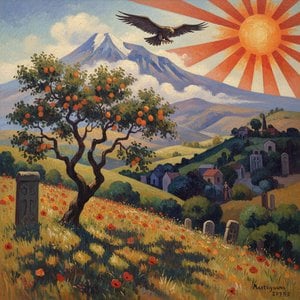
Martiros Saryan: A Revolutionary Vision of Armenian Identity Through Modernist Painting
Explore the revolutionary art of Martiros Saryan, founder of modern Armenian painting. Discover his vibrant landscapes, cultural impact & legacy at ArtsDot.com.

The Weight of Reality: Examining the Unvarnished Energy of American Realist Artworks
Explore the raw power of American Realism and the Ashcan School. Discover the truth behind these iconic urban masterpieces now.

Luonnon kauneus taiteessa: 10 mestariteosta inspiroimaan kotisi sisustusta
Uppoudu luonnon kauneuteen taiteen kautta! Tutustu 10 mestariteokseen Claude Monet'sta Caspar David Friedrichiin. Inspiroi kotisi sisustusta upeilla maisemamaalauksilla ja löydä täydellinen taidekotiin ArtsDot.comista.