


Kuva noudattaa valintojasi: , .
Keräilykohteen kuvaus
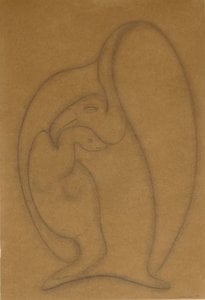
A haunting surrealist tableau of a solitary figure adrift among birds captures the existential anxieties of 1944 in Mark Rothko's Aubade, inviting you to explore this profound masterpiece of emotional depth.
 Lue lisää
Taiteilijan elämäkerta
Mark Rothko hallitsi Color Field -maalausta Seagram-seinämaalauksillaan. Löydä hänen ikonisten abstraktien teostensa emotionaalinen voima tänään.
Käsinmaalattu öljyvärinen jäljennös
Käsinmaalattu öljyväri kankaalle haluamassasi koossa ja kehyksissä, taiteilijoidemme valmistamana tilauksesta. ( Vaihda tulosteeseen Siirry digitaaliseen kuvaan)
Tämä teos on tekijänoikeuden suojaama
Tällä sivulla esitettyä taideteosta suojaa tekijänoikeuslaki, mikä tarkoittaa, ettemme voi laillisesti luoda tai myydä täsmälleen samanlaista jäljennöstä. Tämä suoja toteutetaan kansainvälisten sopimusten, kuten esimerkiksi Berne-konventio ja kansallisilla laeilla, mukaan lukien niillä määritellyt Yhdysvaltain tekijänoikeuslaki – Luku 17. Kaikki oikeudet pidätetään. Luvaton kopiointi tai jäljittely on kielletty.
Kunnioittavana ja laillisena vaihtoehtona tarjoamme alkuperäisestä inspiroituneita, yksilöllisiä ja käsinmaalattuja taideteoksia. Taitavat ja ammattimaiset taiteilijamme tutkivat huolellisesti alkuperäisen teoksen tyyliä, tunnelmaa ja taiteellista ydintä luodakseen uuden, ainutlaatuisen teoksen, joka herättää saman tunteen – säilyttäen samalla oman itsenäisen alkuperäisyytensä.
Tämä menetelmä noudattaa täysin tekijänoikeussäännöksiä, sillä se ei sisällä suojatun taideteoksen kopioimista tai jäljentämistä. Sen sijaan kyseessä on luova uudelleentulkinta – uusi maalaus, joka ammentaa vaikutteita alkuperäisestä, mutta ei ole sen identtinen kopio.
Lisää tästä teoksesta
 Esikatselu
 Jaa teos
 Jaa
Jaa
 Tiedot
 Opas
Opas

 Lataa kuva
 Samanlaisia kohteita
 Röntgenkuvaus
 Diaesitys
 Kysymykset ja vastaukset
 Tilastot
Tilaa maalauksesi neljässä helpossa vaiheessa
Älä kiirehdi. Voit muuttaa mitä tahansa vastausta; tilauksesi loppusumma päivittyy jokaisen valinnan myötä.
1 Ensimmäinen vaihe neljästä
Minkä kokoisen haluaisit?
Nämä koot säilyttävät alkuperäisen maalauksen mittasuhteet. Piirros näyttää valitsemasi koon seinällä, kahden metrin pitkän sohvan yläpuolella.
Tai anna omat mitat
Valitse valmiista mitoistamme sellaiset, jotka vastaavat teoksen alkuperäisiä mittasuhteita.

Kirjoita tarvitsemasi leveys ja korkeus, jotta teos sopii kehyksiisi tai seinällesi. Koska kyseessä on käsinmaalattu teos, taiteilija voi maalata hieman enemmän kuvan ympärille tai rajata sitä hieman, jos haluat eri muotoisen koon — valinta on sinun. Lähetämme sinulle digitaalisen mallikuvan hyväksyttäväksi ennen kuin maalaus alkaa. Tällä sivulla näkyvä kuva ei vastaa lopullista tulosta — vain mallikuva näyttää sen.
2 Toinen vaihe neljästä
Miten teoksen tulisi olla valmiina: rullattuna, kangasjännitteenä vai kehystettynä?
Alla olevat hinnat koskevat ensimmäisessä vaiheessa valitsemaasi kokoa.
Valitse kangaspinnan reunat
Valitse kehys

Valkoinen reuna €1

pehmennetty reuna €1

Jatkuva reuna €1

P118B €10

P118H €10

P118W €10

P438Z €10

P508JH €12

P508YH €12

P805H €10

P805Z €10

P919BZ €10

P919G €10

P919XJ €10

P959ZH €10

P968JZ €12

W106C €8

W218G €10

W218JH €8

W218Y €10

W307PJ €10

W316G €10

W316PJ €8

W316Y €10

W398PJ €8

W4111J €10

W500HY €15

W500JH €15

W692G €12

W849H €8

W940BG €15

W953PJ €8

H24-GOLD €30

H24-SILVER €30

H36-GOLD €45

H36-SILVER €45
Kehystetty
Kehystys: . Kokonaismitat kehyksen kanssa: .
3 Kolmas vaihe neljästä
Haluaisitko tehdä maalaukseen jonkin muutoksen?
Useimmat vastaavat kieltävästi. Koska jokainen maalaus on käsintehty, taiteilijamme voi myös muokata sitä sinua varten.
Tilauksen jälkeen ArtsDot.com -tiimi lähettää asiakkaalle sähköpostia ohjeita varten ja toimittaa luonnoksen esikatselun
4 Neljäs vaihe neljästä
Muutamia viimeistelyvaihtoehtoja
Kaikki ovat valinnaisia. Jo valitut vastaukset eivät aiheuta lisäkustannuksia.
Kuka sen maalaa?
Maailmanlaajuinen toimitus () 3–4 viikossa tavallisen 5 viikon sijaan. (12 marraskuu). Laadusta ei tingitä.
Nimikyltti, kuten museossa?
Kaiverretun pronssilaatan tiedot
This elegant plaque features the artist's name and the title of the artwork, finely engraved for a timeless presentation.
It is made from bronze with a refined, elegant finish. The text is precisely laser-engraved for a sharp and permanent result. Measuring 9x2 cm, the plaque is compact yet easy to read. It's built to be durable and scratch-resistant, offering a professional, museum-quality look. Mounting is simple thanks to the included adhesive backing.
Läpinäkyvän akryylilaatan tiedot
The plaque includes essential engraved details such as the artist's name, the title of the artwork, the date it was created, the type of media used-like oil on canvas or watercolor-a brief description of the piece, and a QR code that links to the complete artwork information.
It is crafted from clear acrylic, offering a sleek, modern appearance. The text is UV-engraved in black to ensure strong visual contrast. With a size of 10x15 cm, it ensures optimal readability. It comes equipped with two metal hooks for secure wall mounting. The plaque is designed to be weather-resistant, making it suitable for various environments, and it includes interactive features that work seamlessly with smartphone scanning.
Mustan akryylilaatan tiedot
This elegant plaque includes engraved information such as the artist's name, the title of the artwork, the date it was created, the type of media used (like oil on canvas or watercolor), a short description of the artwork, and a QR code for quick access to more information.
The plaque itself is made from refined black acrylic with a premium finish. The text is laser-engraved in white for high contrast and readability. Its size is 10x15 cm, designed to be easy to read. It comes with two metal hooks for professional mounting. The design is sleek and fits any interior style. It is also weather-resistant and durable, with built-in digital integration for mobile compatibility.
Suojaava lakka?
Milloin tarvitset sen?
✓ Tarkista ja tilaa
Maalauksesi juuri niin kuin tilasit

Aubade
Reproduktiotekniikka
Replikaatin koko
-

Kokenut huipputaiteilija
Lisää yksityiskohtia, hienostuneisuutta ja enemmän aikaa tuotantoon
-

Reproduktion kehystysvaihtoehdot
-
-
Teoksille tai reproduktioille, joiden mikä tahansa sivu on suurempi kuin 105 cm (noin 41 tuumaa), kehys toimitetaan osina purettuna sarjana. Tämä menetelmä varmistaa turvallisen toimituksen ja ehkäisee vaurioita kuljetuksen aikana.
Vaatii ammattimaista kokoamista – kyseessä ei ole tee-se-itse-tuote.
Sarja on koottava ja kangas kiristettävä kokeneen kehystysammattilaisen toimesta käyttäen puuliimaa (ei sisälly pakkaukseen), kangaspinnetteitä ja puristimia, jotta kehyksen kulmat pysyvät suorina liiman kuivuessa. Virheellinen kokoaminen tai epätasainen kankaan kiristys voi vaurioittaa teosta pysyvästi, eikä tällaiset vauriot ala takuun piiriin.
 Teoksille tai reproduktioille, joiden mikä tahansa sivu on suurempi kuin 105 cm (noin 41 tuumaa), kehys toimitetaan osina purettuna sarjana. Tämä menetelmä varmistaa turvallisen toimituksen ja ehkäisee vaurioita kuljetuksen aikana.
Kaikki massiivipuupalat sisältyvät, tarkasti mittojen mukaan leikattuina.
Kootaan mukana tulevilla ruuveilla sekä kulmaliitoksia varten tarvittavalla puuliimalla, jota ei toimiteta, joten se on hankittava kehystäjältä.
Vaatii ammattilaisvälineitä, jotka eivät sisälly pakkaukseen: kankaan venytyspihdit (kiristin) ja puristimet, joilla pidetään kehyksen puut suorassa liiman kuivuessa.
Tärkeää:
Kulmaliitoksissa tarvitaan puuliimaa, kehyksien osat on pidettävä puristimilla, kunnes liima on täysin kuivunut, ja koottuun kehykseen jännitettävän kankaan kiristämiseen tarvitaan kangaspenssipihti. Mikään näistä ei sisälly pakkaukseen. Suosittelemme varmistamaan kokeneen kehystäjän saatavuuden ennen tämän kokoisen kehyksen tilaamista.

Nimilaatta
-
-

Suojalakkaus
Kiiltävä lakka (syventää värejä, suojaa valolta ja kosteudelta)
-

Mukauta taideteokseni
Esimerkkejä muokattavista asioista: Vaihda kasvot asiakkaan omaan valokuvaan; Lisää lemmikki (esim. vaihda kissa koiraan); Lisää taustalle piilotettu viesti; Muuta taustan maisemaa tai elementtejä.
-

Pikatoimitus
Maailmanlaajuinen toimitus () 3–4 viikossa tavallisen 5 viikon sijaan. (12 marraskuu). Laadusta ei tingitä.
-
Pikatoimitus
Maailmanlaajuinen toimitus () 5 viikon kuluessa. (19 marraskuu).
Sisältyy hintaan
Kokonaishinta
€ 235
Lasivaihtoehto on saatavilla vain alle 110 cm kokoisille teoksille
Sisältyy jokaiseen tilaukseen
- Ilmainen pikatoimitus ympäri maailman
- Korkealaatuinen pellavakangas
- Kattava kuljetusvakuutus
- Tulliveron palautustakuu
- Takuu täydellisestä värien vastaavuudesta
- 100 päivän palautusoikeus (vain valmistusvirheet)
- 100% rahat takaisin -takuu
- Määräalennus tarjolla


Aubade: A Surreal Echo of Loss and Time
Mark Rothko’s “Aubade,” completed in 1944, stands as a haunting testament to the anxieties simmering beneath the surface of postwar Europe. Painted during a period marked by profound upheaval – both personally for Rothko and globally amidst the escalating tensions leading up to World War II – this piece embodies Surrealist principles while simultaneously delving into deeply felt existential concerns.
- Subject Matter: The canvas presents a deceptively simple tableau: a solitary figure positioned on what appears to be a small boat or raft adrift upon calm waters. Scattered throughout the scene are birds – some soaring gracefully upwards, others perched motionless on the vessel’s surface – creating an atmosphere of fragile beauty juxtaposed with underlying melancholy.
- Style & Technique: Rothko's signature Color Field painting technique dominates “Aubade.” Large rectangular blocks of color—primarily muted reds and oranges—bleed into one another, eschewing traditional brushstrokes for a velvety texture that invites contemplation. This deliberate flatness denies any illusionistic depth, prioritizing instead the emotional resonance of pure pigment.
- Historical Context: Created in 1944, “Aubade” reflects the pervasive mood of uncertainty and disillusionment following the devastation of World War II. Surrealism, championed by André Breton, sought to liberate the subconscious mind from rational constraints, mirroring Rothko’s own preoccupation with confronting difficult truths about human existence.
Symbolism: Birds as Vessels of Hope Amidst Desolation
The birds in “Aubade” are more than mere decorative elements; they serve as potent symbols. Traditionally associated with ascension and rebirth, their flight represents aspiration and the yearning for transcendence – a counterpoint to the stillness of the boat and the implied vulnerability of the central figure. They embody a fragile optimism amidst the pervasive sense of loss that permeates the artwork.
The Clockwork Presence: Time's Unyielding Grip
Two clocks—one situated in the upper left corner and another positioned near the lower right—add an intriguing layer of complexity to the composition. These devices are deliberately placed, emphasizing the relentless march of time and highlighting the inescapable reality of mortality. Rothko’s use of these symbols underscores the artwork's meditation on themes of remembrance and acceptance.
Emotional Impact: A Canvas for Quiet Contemplation
"Aubade" is designed to elicit a profound emotional response from the viewer. The muted colors, combined with the deliberate flatness of the painting surface, encourage introspection and invite contemplation about fundamental questions concerning life’s meaning and our relationship to time. Rothko aimed not merely to depict a scene but to convey an inner state—a quiet sorrow tinged with hope—that speaks directly to the human condition.
Kysymykset ja vastaukset
Mihin kohtaan Mark Rothko uraa teos "Aubade" sijoittuu?
"Aubade" kuuluu Mark Rothko uran Mature Period-vaiheeseen. Tämä luokittelu yhdistää teoksen taiteilijan kehitysvaiheeseen.
Mistä voin nähdä esikatselun teoksesta "Aubade"?
Voit esikatsella teoksen Mark Rothko:n "Aubade" reproduktiota avaamalla teoksen Esikatselu tilassa -sivun.
Mitä tunnelmaa ja tunnetta Mark Rothko:n "Aubade" välittää?
Teoksen Mark Rothko:n "Aubade" tunnelma on Mystical, ja sen emotionaalinen sävy on Melancholic.
Samankaltaisia teoksia




Mark Rothko
1903 - 1970, Latvia
Taiteilijan elämäkerta
Mark Rothkon varhaisvuodet
Mark Rothko syntyi nimellä Markus Yakovlevich Rothkowitz vuonna 1903. Hänen syntymäpaikkansa oli Dvinsk, Venäjällä, paikassa, joka tunnetaan nykyään nimellä Daugavpils, Latviassa. Hänen perheensä asui juutalaisessa asutusalueessa, niin kutsutussa juutalaisessa vyöhykkeessä, jota leimasi poliittinen levottomuus ja pogromien jatkuva varjo. Tämä epävakauden ilmapiiri seurasi perhettä, kun he muuttivat Yhdysvaltoihin vuonna 1913. Ellis Islandin kautta kuljettuaan he asettuivat Portlandiin, Orengeen.
Hänen isänsä Jacob työskenteli apteekkarina. Hän oli älyllinen mies, jolla oli sosialistisia aatteita, ja hän loi kodin, jonka keskiössä olivat oppiminen ja väittely. Tätä syvällisen ajattelun ilmapiiriä keskeytti äkillinen menetys. Pian perheen saavuttua Amerikkaan Jacob kuoli paksusuolen syöpään. Tämä varhainen surun kokemus ja siirtolaisuuden tuomat haasteet muodostivat hiljaisen perustuksen sille miehelle, josta hän myöhemmin tuli.
Taiteellinen koulutus ja varhaisvuodet New Yorkissa
Muutto New Yorkiin vuonna 1923 toi mukanaan merkittävän muutoksen taiteellisessa fokuksessa. Yale Universityssa vietetty aika jäi taustalle, kun kaupungin kutsu vei hänet pois muodollisesta akateemisesta maailmasta. Hän hakeutui Art Students Leaguen pariin hioakseen tekniikkaansa ja etsiin taiteellista ilmaisuaan. Nämä varhaiset vuodet olivat tyyliltään hyvin konkreettisia; hänen pensselinsä oli keskittynyt aineelliseen ja käsin kosketeltavaan. Hän maalasi muotokuvia ja urbaaneja maisemia, kiinnittäen huomiota yksityiskohtiin ihmiskasvoissa ja kaupungin katujen karuudessa. Hänen työnsä oli tuolloin vahvasti juurtunut realismiin, vangiten fyysisen maailman ennen kuin abstraktion voima alkoi vähitellen ottaa valtaa.
Vuoteen 1940 tultaessa hän teki merkittävän päätöksen muuttaa nimensä muotoon Mark Rothko. Tämä oli siirtymävaihe, jolloin hän alkoi irtautua nuoruutensa rakenteellisesta representaatiosta. Katse alkoi vaeltaa pois kaupungin tunnistettavista kohteista kohti jotain epämääräisempää ja syvempää. Hän etsi keinoa ilmaista ihmiskokemuksen painoa ja syvyyttä ilman, että hänen tarvitsisi tukeutua ympäröivän maailman kirjaimisiin muotoihin.
Kehitys kohti abstraktia ekspressionismia
1940-luvun edetessä taiteilijan aikaisempien vuosien huolellinen realismi alkoi väistyä. Huomio siirtyi pois kaupunkinäkymien ja muotokuvien tunnistettavista yksityiskohdista. Sen sijaan hän kääntyi surrealismin ja mytologian kielen puoleen. Hän käytti näitä teemoja löytääkseen tavan ilmaista ihmisen tunteiden painoa. Tältä ajalta peräisin olevissa maalauksissa esiintyi usein biomorfisia muotoja. Nämä muodot tuntuivat leijuvan, jääden tilaan, jossa ne eivät olleet täysin hahmoja eivätkä täysin abstrakteja.
Tämä ajanjakso merkitsi hänen liittymistään amerikkalaisen abstraktin ekspressionismin liikkeeseen. Hän siirtyi pois esineiden rakenteellisesta maailmasta tutkiakseen jotain sisäisempää. Kankaista tuli vähemmän kyse siitä, miltä jokin asia näytti, ja enemmän siitä, mitä tunnetta se kantoi. Hän etsi tapaa viestiä ihmisyyden monimutkaisuudesta muodon ja myytin kautta.
- Mother and Child (1934)
- The Pugilist
- The High Priest (1945)
Värien kenttämaalauksen synty
1940-luvun loppupuolella taiteilijan tuotanto alkoi kääntyä uuteen suuntaan. Hän siirtyi pois figuurien muodoista ja mytologian tarinoista, riisuen tunnistettavat kuvat löytääkseen jotain suorempaa ja puhdasta. Maalauskankaat kasvoivat mittakaavaltaan, ja niitä hallitsivat suuret, suorakaiteen muotoiset väriblokit, jotka näyttivät leijuvan kankaan pinnalla. Nämä muodot eivät ainoastaan lepänneet pinnalla, vaan ne tuntuivat olevan olemassa matalassa, hengittävässä tilassa. Tämä muutos merkitsi hänen kypsyysvaiheensa alkua, aikakautta, joka kytkeytyi tiiviisti värien kenttämaalauksen eli Color Field -maalauksen nousuun.
Maalin levittäminen oli hidasta ja kerroksellista prosessia. Hän käytti ohuita pigmenttiliuoksia rakentaakseen pintaa, luoden hienovaraisia muutoksia sävyihin ja tekstuuriin. Nämä kerrokset saivat valon näyttämään siltä, kuin se tulisi suoraan kankaan sisältä. Värikenttien reunat eivät olleet koskaan teräviä; päinvastoin ne olivat sumeita ja pehmeitä, mikä teki eri sävyjen välisistä rajoista läpäiseviä. Tämä menetelmä muutti kankaan hiljaiseksi ja voimakkaaksi läsnäolon paikaksi.
- No. 1
- Three
- No. 3/No. 13
- No. 10 (Brown Black Sienna on Dark Wine)
- Magenta, Black, Green on Orange
- White over Red
Tekniikka ja värin kieli
Mark Rothkon teokset nojaavat erityiseen, hiljaiseen kerrostamisen menetelmään. Hän levitti ohuita öljyvärikerroksia rakentaen pinnan huolellisista, läpikuultavista sävyistä. Tämä prosessi luo samettisen tekstuurin, joka tuntuu vangitsevan valon pigmentin sisään sen sijaan, että se vain heijastuisi sen pinnasta. Teravien viivojen sijaan hänen suorakaiteen muotoisten muotojensa reunat ovat hämärtyneet, mikä antaa värien sulautua ja leijua toistensa yllä. Nämä suuret väriblokit on tarkoitettu luomaan syvyyden tuntua, saaden kankaan näyttämään siltä, kuin se hengittäisi.
Hän riisui teoksistaan kaikki otsikot, jotka voisivat viitata tiettyyn aiheeseen tai narratiiviin. Monet kankaat kantavat vain yksinkertaisia numeroita, kuten No. 1 tai No. 6, jättäen katsojan kohtaamaan värin ilman ennakkoon muotoutuneita käsityksiä. Tämä valinta pakottaa suoraan kohtaamiseen maalin kanssa. Hän käytti näitä valoa säteileviä kenttiä tavoittaakseen tiettyjä, raskaita inhimillisiä tunteita: tragediaa, ekstaasia ja epätoivoa. Teosten mittakaavan on tarkoitus kietoa edessä seisova ihminen syleilyynsä, muuttaen katsomisen hiljaiseksi, uppoutumisen kokemukseksi.
- No. 10 (Brown Black Sienna on Dark Wine)
- No. 37 tai No. 19
- White over Red
Merkittävät tilaustyöt ja seinämaalaukset
Mark Rothkon taiteellinen visio laajeni usein yksittäisen kankaan rajojen yli, pyrkien täyttämään kokonaisia huoneita ja muuttamaan tilan luonnetta. Hän omisti valtavasti aikaa Seagram-seinämaalauksille, jotka oli alun perin tarkoitettu New Yorkin ravintolaan. Lopulta hän kuitenkin päätyi siihen tulokseen, ettei ravintolaympäristö ollutkaankaankaan sopiva näille teoksille, ja lahjoitti ne Lontoossa sijaitsevaan Tate Galleryyn. Hänen syvä kiinnostuksensa siihen, miten väri kietoutuu osaksi arkkitehtuuria, johti myös Harvard Mural -sarjaan, joka luotiin Holyoke Centerin ruokasaliin.
Texasin Houstonissa hän jätti jälkeensä neljätoista maalausta Rothko Chapel -kappeliin. Tämä uskontokunnallinen puolueeton tila kätkee sisäänsä teoksia, jotka on toteutettu mustan eri sävyissä. Maalaukset on sijoitettu osaksi kappelin arkkitehtuuria tavalla, joka luo ainutlaatuisen ympäristön hiljaiselle pohdiskelulle. Näiden teosten valtava mittakaava on suunniteltu kohtaamaan katsoja siellä missä hän on, täyttäen näkökentän värillä ja luoden syvän, lähes aistittavan läsnäolon tunteen.
Myöhemmät vuodet ja traaginen kuolema
Oman taiteen paino tuntui usein lepäävän raskaasti hänen harteillaan. Läpi elämänsä Mark Rothko kamppaili masennuksen kanssa; se oli jatkuva varjo, joka seurasi häntä hänen etsiessään emotionaalista totuutta. Hän eli vaatimatonta elämää, vetäytyen usein hiljaisuuteen, jota hänen valtavat kankaansa vaativat. Hänen keskittymisensä intensiivisyys ihmisyyden peruskysymyksiin – tragediaan, ekstaasiin ja epätoivoon – ei ollut pelkkä sivun aihe siveltimelle, vaan todellisuus, jota hän kantoi sisällään.
Elämänsä loppupuolella kamppailu muuttui liian raskaaksi kannettavaksi. 25. helmikuuta 1970 Mark Rothko teki itsemurhan ateljeessaan. Hän oli 66-vuotias. Hänen kuolemansa jätti jälkeensä valtavan kokoelman teoksia, mukaan lukien monia keskeneräisiä maalauksia sekä laajan taideperinnön, jonka hänen perheensä ja testamentin suorittajat joutuivat myöhemmin käsittelemään monimutkaisten oikeudellisten kiistojen keskellä.
Hänen taiteensa kestävä perintö
Hänen läsnäolonsa paino tuntuu edelleen siinä tavassa, jolla hänen kankaansa täyttävät huoneen. Hän jätti jälkeensä perinnön, joka sisältää 798 maalausta – valtavan kokoelman, joka toimii edelleen modernin taidehistorian ankkurina. Siirtymä kohti suuria, hehkuvia värirektanguleita auttoi määrittelemään abstraktin ekspressionismin liikkeen ja vaikutti myöhemmin minimalistiseen taiteeseen. Nämä teokset eivät tukeudu tunnistettaviin muotoihin vangitakseen katsojan huomion; sen sijaan ne luottavat värin hitaaseen, rytmiseen hengitykseen luodakseen syvyyden tuntua.
Hänen vaikutuksensa tuntuu siinä tavassa, jolla myöhemmät sukupolvet lähestyivät kangasta psykologisena ja hengellisenä tutkimusmatkana. Poistamalla tarinallisen hälyn, hän muutti tavan, jolla ihmiset kohtaavat maalin fyysisen todellisuuden. Hänen maalauksiaan pidetään yhtenä 1900-luvun taiteen merkittävimmistä teoksista, ja niitä löytyy usein suurten instituutioiden pysyvistä kokoelmista, kuten New Yorkin Museum of Modern Art ja Lontoon Tate Modern. Hänen työnsä mittakaava nielaisee usein sivunäön, pakottaen katsojan hiljaiseen, meditatiiviseen pysähtyneisyyteen.
- No. 6 (Violet, Green and Red)
- Orange, Red, Yellow (1961)
- N.10 (1958)
Missä hänen teoksiaan voi nähdä tänään
Hänen kangastensa edessä seisominen on kuin värin painon kokemista hiljaisessa huoneessa. New Yorkissa Museum of Modern Art kantaa useita hänen teoksistaan. Atlantin takana Lontoon Tate Modern tarjoaa vastaavanlaisen tilan, jossa voi istua suurten muotojen äärellä. Washington, D.C.:ssä National Gallery of Art säilyttää kokoelman hänen maalauksiaan, joissa valo osuu kerrostettuihin pigmentteihin tavalla, joka paljastaa sen syvyyden, jota hän tavoitteli ohuilla öljyvärilaahauksilla.
Houstonissa, Texasissa, Rothko Chapelissa vallitsee erityinen tyyneys. Se on nimeltään neutraali tila, joka sisältää neljätoista hänen maalaustaan eri mustan sävyissä. Rakennuksen arkkitehtuuri, kreikkalaista ristiä muistuttava kahdeksankulmio, sai vaikutteita itse taiteilijasta. Se on säilynyt paikkana hiljaiselle pohdiskelulle, jossa teosten mittakaavan on tarkoitus kietoa edessä seisova ihminen syleilyynsä.
Latvian Daugavpilsissa Rothko-museo sijaitsee Daugavpilsin linnoituksen historiallisessa tykistövarastorakennuksessa. Tämä instituutio on Euroopan ainoa paikka, jossa esitellään pysyvästi hänen perikuntansa lainaamia alkuperäisiä maalauksia. Vierailijat voivat kohdata hänen työnsä Rothko-salissa, tilassa, joka on suunniteltu näille nimenomaisille kangaille ympäristöön, joka kunnioittaa hänen juuriaan.
- No. 1 (päiväys tiedossa ei)
- Three (päiväys tiedossa ei)
- No. 3/No. 13 (päiväys tiedossa ei)
- No. 10 (päiväys tiedossa ei)
- Magenta, Black, Green on Orange (päiväys tiedossa ei)
- White over Red (päiväys tiedossa ei)


Aiheeseen liittyvät artikkelit

Wings of Wonder: Top 10 Masterpieces That Capture the Beauty of Birds
Embark on a visual journey through history with 10 iconic bird paintings. From Impressionist strokes to classical mastery, discover the stories behind these timeless avian masterpieces. Find museum-quality art reproductions for your decor. Explore the full collection online at ArtsDot.com.

Top 10 Veneaiheista Taideteosta: Inspiroivia Mestareita Kotiisi
Tutustu 10 ikoniseen veneaiheiseen taideteokseen! Inspiroivat mestariteokset Monét'lta, van Goghilta ja muilta. Löydä tarinat, tekniikat ja värit – täydellinen sisustustaide kotiisi. Tutki kokoelma ArtsDot.comissa.

Unveiling the Mystery: The Top 25 Surrealist Masterpieces by René Magritte
Explore 25 iconic René Magritte masterpieces and the secrets of Surrealism. Discover the full collection online at ArtsDot.com.