


 Katso seinällä
 Lähetä
 Jaa
Jaa
 Tarkemmat tiedot
 Opas
Opas

 Lataa kuva
 Samanlaisia kohteita
 Röntgenkuvaus
 Diaesitys
 Tilastot
Cigar Box


 Lue lisää
Tällä sivulla esitettyä taideteosta suojaa tekijänoikeuslaki, mikä tarkoittaa, ettemme voi laillisesti luoda tai myydä täsmälleen samanlaista jäljennöstä. Tämä suoja toteutetaan kansainvälisten sopimusten, kuten esimerkiksi Berne-konventio ja kansallisilla laeilla, mukaan lukien niillä määritellyt Yhdysvaltain tekijänoikeuslaki – Luku 17. Kaikki oikeudet pidätetään. Luvaton kopiointi tai jäljittely on kielletty.
Tämä menetelmä noudattaa täysin tekijänoikeussäännöksiä, sillä se ei sisällä suojatun taideteoksen kopioimista tai jäljentämistä. Sen sijaan kyseessä on luova uudelleentulkinta – uusi maalaus, joka ammentaa vaikutteita alkuperäisestä, mutta ei ole sen identtinen kopio.
Giclée- ja taideprintit
Museolaatuisia giclée- tai kankaitaulun tulosteita nopealla tuotannolla ja joustavilla viimeistelyvaihtoehdoilla. ( Tilaa käsinmaalattu jäljennös Siirry digitaaliseen kuvaan)




































Valitse valmiista mitoistamme sellaiset, jotka vastaavat teoksen alkuperäisiä mittasuhteita.

Kirjoita tarvitsemasi leveys ja korkeus, jotta tuloste sopii kehyskokoon tai seinällesi. Tulostetta voidaan vain leikata, sitä ei voi koskaan tehdä suuremmaksi kuin alkuperäinen kuva, joten eri muotoinen koko aiheuttaa osan kuvasta katoamisen. Lähetämme sinulle digitaalisen mallikuvan hyväksyttäväksi ennen kuin aloitamme tulostuksen. Tällä sivulla näkyvä kuva ei näytä lopullista leikkausta — vain mallikuva näyttää sen.
Maailmanlaajuinen toimitus () 2 viikossa tavallisen 4–5 viikon sijaan. (23 lokakuu)

Ilmainen pikatoimitus ympäri maailman

Korkealaatuinen pellavakangas

Kattava kuljetusvakuutus

Tulliveron palautustakuu

Takuu täydellisestä värien vastaavuudesta

100 päivän palautusoikeus valmistusvirhetapauksissa

100% rahat takaisin -takuu

Määräalennus saatavilla
 Lasivaihtoehto on saatavilla vain alle 110 cm kokoisille teoksille

Cigar Box
Giclée- ja taideprintit
Replikaatin koko
-


Kokonaishinta
€ 54
A Whimsical Encounter: Larry Rivers' "Cigar Box"
Step into a world where playful naivety meets contemplative seriousness in Larry Rivers’ captivating “Cigar Box.” This unique artwork transcends the boundaries of traditional portraiture and still life, offering a glimpse into the artist’s distinctive vision. Created in 1967, it's a fascinating example of Pop Art sensibilities emerging from the Abstract Expressionist landscape.
Subject & Style: A Layered Narrative
“Cigar Box” is more than just its name suggests; it’s a meticulously crafted assemblage painting. The artwork utilizes an aged wooden cigar box as its foundation, immediately establishing a rustic and slightly weathered aesthetic. The composition unfolds in layers:
- Foreground: Rows of dark grey cigars are neatly arranged, hinting at indulgence or leisure.
- Centerpiece: A stylized portrait dominates the scene – a man with a prominent mustache and an intensely serious expression. This figure is rendered with simplified forms and bold outlines characteristic of naive art or folk painting.
- Background: A vibrant backdrop bursts forth with pink roses, contrasting black flowers, and fluttering butterflies, injecting a sense of whimsy and decorative charm.
Rivers’ style eschews realistic detail in favor of simplified shapes – primarily rectangles and squares interwoven with organic forms like the floral motifs. The overall effect is both charmingly childlike and subtly unsettling due to the juxtaposition of the man's solemnity against the playful surroundings.
Technique & Historical Context: Bridging Abstraction and Pop
Rivers’ technique relies heavily on brushwork, emphasizing outlining and flat color application. The visible brushstrokes and wood grain contribute to a rough texture that enhances the artwork's tactile quality. The lighting is deliberately flat, creating an even illumination across the entire composition.
Historically, “Cigar Box” sits within a pivotal moment in American art. Larry Rivers (1923-2002) is often considered a pioneer of Pop Art, bridging the gap between Abstract Expressionism and the emerging movement that embraced popular culture imagery. While contemporaries like Andy Warhol focused on mass-produced objects, Rivers incorporated personal narratives and historical references into his work, imbuing it with a unique depth. This piece exemplifies this approach – taking an everyday object (a cigar box) and transforming it into a canvas for a layered exploration of portraiture, still life, and decorative elements.
Symbolism & Emotional Impact: Contemplation and Contrast
The symbolism within “Cigar Box” is open to interpretation. The cigars themselves can be seen as representing indulgence, relaxation, or even a bygone era of masculine leisure. However, it's the man’s serious expression that truly anchors the artwork’s emotional impact. His gaze suggests contemplation, authority, or perhaps a quiet introspection.
The contrast between his solemnity and the surrounding playful details—the vibrant flowers, the whimsical butterflies—creates a compelling tension. This juxtaposition evokes a sense of whimsy tinged with an underlying unease, prompting viewers to consider the complexities of human emotion and experience. “Cigar Box” is not merely a decorative piece; it’s an invitation to engage in thoughtful reflection.
Kysymykset ja vastaukset
Kuka on teoksen "Cigar Box" tekijä ja mikä on sen valmistumisvuosi?
Cigar Box on Larry Riversn luoma teos vuodelta 1967.
Miten teos "Cigar Box" sijoittuu osaksi Larry Rivers'n tuotantoa?
"Cigar Box" kuuluu Larry Rivers:n Pop Art tuotantoon, jonka tunnettuun teemaan kuuluvat naive art/folk painting style, pop art elements & abstraction, combines portraiture & still life, leisure, indulgence, contemplation, juxtaposition of serious and playful, reflects post-war american culture."
Mihin Larry Riversin uran vaiheeseen "Cigar Box" kuuluu?
"Cigar Box" edustaa taiteilijan Larry Rivers tuotantokautta Mature Period."
Samankaltaisia teoksia


Taiteilijan elämäkerta
Larry Rivers: Elämä taiteessa, musiikissa ja elokuvassa
- Syntynyt: 17. elokuuta 1923, Bronx, Yhdysvallat
- Kuollut: 14. elokuuta 2002
Larry Rivers (syntynyt Yitzroch Loiza Grossberg) oli monilahjakas amerikkalainen taiteilija, jonka ura kietoutui saumattomasti maalaustaideen, musiikin, elokuvan ja näyttämisen maailmoihin. Hänet tunnetaan laajalti Pop Artin kehityksen keskeisenä hahmona; hän rakensi siltaa abstraktin ekspressionismin emotionaalisen voiman ja nousevan populaarikulttuurin kuvaston välille. Taiteellisten lajien ainutlaattuna yhdistelmänä ja persoonallisena visionäärinä hän vakiinnutti paikkansa 20. vuosisadan taidehistorian merkittävimpänä vaikuttajana.
Varhaiset vuodet ja musiikilliset juuret
Riversin varhaislapsuus oli värittynyt Bronxin eläväisellä kulttuurilla. Hän syntyi ukrainalaisen juutalaisen immigrantiperheen poikana, ja tämä tausta muovasi hänen maailmankuvaansa syvästi. Vuosina 1940–1945 Rivers toimi jazz-saksofonistina New Yorkin sykkivissä klubeissa. Juuri tähän aikaan hän otti käyttöön nimen "Larry Rivers", ja hänet esiteltiin paikallisessa pubissa kuuluisasti nimellä ”Larry Rivers and the Mudcats”. Hänen opintonsa Juilliard School of Musicissa vuosina 1945–1946 toivat mukanaan musiikillisen perustan, joka säilyi hänen koko uransa ajan. Hän opiskeli Miles Davisin rinnalla, ja heidän välillään kukoistava ystävyys kesti eliniän. Tämä musiikillinen tausta jätti pysyvän jäljen hänen maalaustaideeseensä, tuoden teoksiin rytmiä ja improvisaation tuntua.
Taiteellinen kehitys ja Pop Artin uranuurtaja
Vuonna 1945, Georges Braquen inspiroimana, Rivers aloitti polkunsa maalaustaiteen parissa. Hänen taiteellinen kehityksensä kiihtyi Hans Hofmann Schoolissa vuosina 1947–1948, mikä osoittautui ratkaisevaksi vaiheeksi hänen tyylinsä muovautumisessa. Vaikka Rivers yhdistettiin New Yorkin koulukunnan maalareihin, hän erottui joukosta kyvyllään sulauttaa abstraktin ekspressionismin tekniikat osaksi populaarikulttuurin elementtejä. Monet tutkijat pitävät häntä Pop Artin keskeisenä esi-isänä juuri tämän innovatiivisen tyylien fuusion vuoksi. Hänen kielellinen ilmaisunsa oli ainutlaatuista: hän käytti historiallisia kertomuksia, arkisia esineitä ja itsetietoisia elementtejä haastaakseen perinteiset taiteelliset rajat. Erityisen ikonisena teoksena pidetään vuoden 1953 "Washington Crossing the Delaware" -maalausta, joka herätti laajaa keskustelua taiteen ja representaation luonteesta.
Merkittävät teokset ja taiteelliset kohtaamiset
Riversin ura oli täynnä merkittäviä saavutuksia ja yhteistyöprojekteja. Hänen suuren mittakaavan maalauksensa "Washington Crossing the Delaware" (195av) päätyi Museum of Modern Art -museon kokoelmiin, mikä vakiinnutti hänen maineen maailmanluokan taiteilijana. 1960-luvun alussa Rivers asui Hotel Chelseassä, joka toimi aikansa taiteellisen ja kirjallisen elämän sydämenä. Tässä ympäristössä hän kohtasi ja teki yhteistyötä lukemattomien legendojen, kuten Yves Klein, Arman, Jean Tinguely ja Niki de Saint-Phalle kanssa, osallistuen ajan luovaan ilmapiiriin. Rivers ei rajoittunut vain kankaalle; hän kokeili elokuvaa ja dokumentointia, muun muassa Pierre Dominique Gaisseaun kanssa projektissa "Africa and I" (1967), joka sisälsi vaarallisen matkan Afrikan halki. Hänen taiteensa rajat ylittivät myös kirjallisuuden, sillä hänen läheiset suhteensa runoilijoihin, kuten Frank O'Haraan ja Kenneth Kochiin, synnyttivät teoksia, joissa runous ja visuaalisuus kietoutuivat yhteen.
Perintö ja historiallinen merkitys
Larry Riversin uranuurtotyölle on suuri merkitys Pop Artin historiassa; hän raivasi tietä taiteilijoille, kuten Andy Warholille. Hänen kykynsä yhdistää abstraktio narratiiviin ja populaarikuvastoon oli vallankumouksellista. Vuonna 2002 järjestetty suuri retrospektiivinen näyttely Washington D.C.:n Corcoran Gallery of Artissa vahvisti hänen asemansa taidehistorian kanonissa. Hänen perintöään vaalitaan aktiivisesti, ja New York University on hankkinut Larry Rivers Foundationilta kirjeenvaihtoa ja dokumentteja tulevia sukupolvia varten. Vaikka hänen elämänsä ja työnsä liittyivät joskus myös yksityisyyteen liittyviin kiistoihin, kuten jälkikäteen syntyneeseen kohuun tietystä perheaiheisesta elokuvasta, hänen taiteellinen vaikutuksensa säilyy murtumattomana osana modernia taidehistoriaa.

Larry Rivers
1923 - 2002 , Yhdysvallat
Tietoa taiteilijasta
- Artistic Movement Or Style: Pop Art ja Abstrakti ekspressionismi
- Artists Or Movements Influenced By This Artist: ['Andy Warhol']
- Artists Who Influenced This Artist:
- Georges Braque
- Willem de Kooning
- Date Of Birth: August 17, 1923
- Date Of Death: August 14, 2002
- Full Name: Larry Rivers
- Nationality: Amerikkalainen
- Notable Artworks:
- Washington Crossing the Delaware
- Dutch Masters and Cigars III
- Place Of Birth: The Bronx, United States
Aiheeseen liittyvät artikkelit

Silent Narratives: Exploring the Enduring Appeal of Still Life Painting Across Centuries
Explore the rich history of still life painting with ArtsDot. Discover Dutch Masters, decode vanitas symbolism & learn about collecting timeless art. Expert insights and museum-quality reproductions.

The Unconventional Vision: Exploring the Characteristics, History & Enduring Appeal of Naïve Art
Explore the captivating world of naïve art! Discover its history, characteristics, key artists & collecting tips from ArtsDot's experts. Find your perfect piece today.

Echoes of Tradition: Exploring the Enduring Legacy of Folk Art Movements
Explore the rich history of folk art movements worldwide! Discover definitions, notable artists, and the enduring legacy of this captivating tradition. Expert insights & high-quality reproductions at ArtsDot.
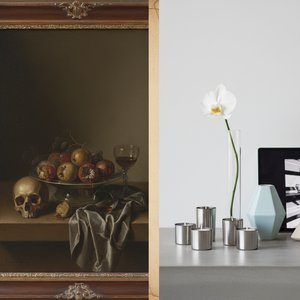
The Enduring Appeal of Still Life: A Historical & Contemporary Exploration
Explore the rich history & symbolism of still life painting with ArtsDot. Discover masterpieces from the Dutch Golden Age, learn about vanitas art, and find expert guidance for collecting timeless artworks.

Clyfford Still's Abstract Expressionism: A Study of Color, Form & the Existential Landscape
Explore the profound world of Clyfford Still's Abstract Expressionism with ArtsDot. Discover his unique style, existential themes & investment potential. Expert analysis for discerning collectors.