


 Katso seinällä
 Lähetä
 Jaa
Jaa
 Tarkemmat tiedot
 Opas
Opas

 Lataa kuva
 Samanlaisia kohteita
 Röntgenkuvaus
 Diaesitys
 Tilastot
Suprematic elements


 Lue lisää
Giclée- ja taideprintit
Museolaatuisia giclée- tai kankaitaulun tulosteita nopealla tuotannolla ja joustavilla viimeistelyvaihtoehdoilla. ( Tilaa käsinmaalattu jäljennös Siirry digitaaliseen kuvaan)




P118B €10

P118H €10

P118W €10

P438Z €10

P508JH €12

P508YH €12

P805H €10

P805Z €10

P919BZ €10

P919G €10

P919XJ €10

P959ZH €10

P968JZ €12

W106C €8

W218G €10

W218JH €8

W218Y €10

W307PJ €10

W316G €10

W316PJ €8

W316Y €10

W398PJ €8

W4111J €10

W500HY €15

W500JH €15

W692G €12

W849H €8

W940BG €15

W953PJ €8




Valitse valmiista mitoistamme sellaiset, jotka vastaavat teoksen alkuperäisiä mittasuhteita.

Kirjoita tarvitsemasi leveys ja korkeus, jotta tuloste sopii kehyskokoon tai seinällesi. Tulostetta voidaan vain leikata, sitä ei voi koskaan tehdä suuremmaksi kuin alkuperäinen kuva, joten eri muotoinen koko aiheuttaa osan kuvasta katoamisen. Lähetämme sinulle digitaalisen mallikuvan hyväksyttäväksi ennen kuin aloitamme tulostuksen. Tällä sivulla näkyvä kuva ei näytä lopullista leikkausta — vain mallikuva näyttää sen.
Maailmanlaajuinen toimitus () 2 viikossa tavallisen 4–5 viikon sijaan. (24 lokakuu)

Ilmainen pikatoimitus ympäri maailman

Korkealaatuinen pellavakangas

Kattava kuljetusvakuutus

Tulliveron palautustakuu

Takuu täydellisestä värien vastaavuudesta

100 päivän palautusoikeus valmistusvirhetapauksissa

100% rahat takaisin -takuu

Määräalennus saatavilla
 Lasivaihtoehto on saatavilla vain alle 110 cm kokoisille teoksille

Suprematic elements
Giclée- ja taideprintit
Replikaatin koko
-


Kokonaishinta
€ 54
Kazimir Malevich’s “Suprematic Elements”: A Journey into Pure Feeling
Kazimir Malevich's "Suprematic Elements," painted in 1917, isn’t merely a depiction of geometric forms; it’s a profound statement about the very nature of art and human perception. Born in Kyiv Oblast, Ukraine, in 1878, Malevich embarked on a revolutionary artistic journey that would forever alter the landscape of 20th-century art. His early explorations encompassed Impressionism, Symbolism, and Cubism, but it was his encounter with the burgeoning avant-garde movements of Europe – particularly in Paris – that ignited his desire to strip away representational imagery and delve into the realm of pure feeling. “Suprematic Elements” stands as a pivotal example of this radical shift, embodying the core tenets of Suprematism: a movement dedicated to reducing art to its most fundamental geometric forms, divorced from any connection to the external world.
The photograph presented here captures a study in stark simplicity – a black and white composition dominated by circles and triangles arranged against a neutral background. The central element is a large circle, bisected by a smaller circle, creating an immediate visual hierarchy that draws the eye inward. Surrounding this core form are other geometric shapes—rectangles and triangles—that contribute to a dynamic yet balanced arrangement. Notice how these forms appear to float within the frame, lacking any conventional spatial relationships; they exist purely as elements of shape and color, devoid of illusionistic depth. This deliberate flattening of space is characteristic of Suprematism’s rejection of traditional perspective, prioritizing instead the inherent qualities of form itself.
The Language of Pure Form
Malevich's artistic philosophy centered on the belief that art should transcend objective representation and tap directly into the viewer’s emotional experience. He sought to create a “zero degree” of painting—a state where color and form are divorced from any reference to the external world, allowing pure feeling to emerge. "Suprematic Elements" exemplifies this pursuit. The monochromatic palette – shades of gray rendered in black and white photography – amplifies the impact of the shapes themselves. The precise lines defining each geometric element convey a sense of order and control, while subtle variations in tone suggest the artist’s hand—perhaps graphite or charcoal applied to paper. This tactile quality hints at the physicality of the original work, grounding its abstract concepts in a tangible reality.
Symbolism Within Geometry
While seemingly devoid of overt symbolism, “Suprematic Elements” invites contemplation on deeper meanings. The circles, often associated with wholeness, infinity, and the cosmos, could represent Malevich’s aspiration for a universal artistic language. Conversely, the triangles—symbols of dynamism, tension, and even spirituality—suggest an underlying energy within the composition. The interplay between these fundamental shapes creates a visual dialogue that transcends simple geometric arrangement. It's important to remember that Suprematism wasn’t about literal representation; it was about expressing pure feeling through the reduction of art to its most essential elements. The artist aimed to evoke a response in the viewer, prompting them to engage with the work on an emotional and intellectual level.
Historical Context & Legacy
Created during a period of immense social and political upheaval—the aftermath of World War I and the rise of the Bolshevik Revolution—"Suprematic Elements" reflects the radical spirit of its time. Malevich’s artistic explorations aligned with broader cultural shifts, challenging established conventions and seeking to redefine the role of art in society. His work profoundly influenced subsequent movements, including Constructivism and De Stijl, demonstrating the lasting impact of his pioneering approach. Reproductions like this offer a window into a pivotal moment in art history, allowing us to appreciate Malevich’s revolutionary vision and its continuing relevance today. Consider how these fundamental geometric forms resonate within contemporary design—from minimalist architecture to graphic layouts—a testament to the enduring power of Suprematism.
Kysymykset ja vastaukset
Missä asennossa Kazimir Malevitš:n "Suprematic elements" on?
Teoksen "Suprematic elements" formaatti on Portrait. Tämä on hyödyllinen tieto, kun suunnittelet jäljennöksen sijoituspaikkaa.
Mikä on teoksen Kazimir Malevitš:n "Suprematic elements" valmistumisvuosi?
"Suprematic elements" on peräisin vuodelta 1917. Teos sijoittuu Kazimir Malevitš uran ja aikakauden kontekstiin.
Kuinka monta ihmistä katsoo teosta "Suprematic elements"?
Teokselle "Suprematic elements" on olemassa Tilastot -sivu. Se esittää teoksen ja taiteilijan muiden teosten kuukausittaiset vierailumäärät maakohtaisesti ja kielittäin eriteltynä.
Samankaltaisia teoksia


Taiteilijan elämäkerta
Kazimir Malevitš: Abstraktin taiteen pioneeri
Varhaiset vuodet ja vaikutteet
- Syntynyt Ukrainan Kiovan alueelle vuonna 1878 puolalaiseen perheeseen, Kazimir Severinovitš Malevitšin varhaisvuosia muovasi ukrainalainen maaseutumaisema ja sen rikas kansanperinne.
- Hänen kasvatuksensa herätti hänessä arvostusta perinteisiä taiteellisia ilmaisumuotoja kohtaan, mikä vaikutti hienovaraisesti myös hänen myöhempään tuotantoonsa.
- Muodollinen koulutus alkoi Kiovassa, mutta Malevitš etsi nopeasti laajempia taiteellisia horisontteja siirtyen kohti Moskovaa ja lopulta kytkeytyen Euroopan nouseviin avantgarde-liikkeisiin.
- Keskeiset vaikutteet: Varhainen altistuminen kansantaiteelle, yhdistettynä haluun moderniin ilmaisuun, loi perustan hänen ainutlaatuiselle tyylilleen.
Taiteellinen kehitys ja keskeiset suuntaukset
- Aluksi Malevitš tutki useita eri tyylejä, kuten impressionismia, symbolismia, fauvismia ja kubismia. Ratkaiseva matka Pariisiin vuonna 1912 esitteli hänet eurooppalaisen taiteen uusimmille kehitysvaiheille.
- Hän siirtyi vähitellen pois esittävistä muodoista etsien puhtaasti taiteellista kieltä, joka perustui geometrisiin muotoihin ja väriin.
- Tämä johti suprematismin kehittymiseen vuoden 1915 tienoilla – abstraktiksi liikkeeksi, joka keskittyi taiteen ”puhtaan tunteen ylivertaisuuteen”.
- Suprematismi hylkäsi kaiken pyrkimyksen kuvata näkyvän maailman esineitä ja priorisoi sen sijaan perusmuotoja, kuten neliöitä, ympyröitä ja suorakulmioita.
- Musta neliö (1915): Kenties hänen kuuluisin teoksensa, joka edustaa radikaalia eroa perinteiseen taiteeseen ja sitä pidetään abstraktin maalaustaiteen perustavanlaatuisena teoksena.
- Valkoinen valkoisella (1918): Sarja, joka tutkii muodon ja värin puhtautta esittäen valkoisia geometrisia muotoja valkoisella taustalla – työ, joka työntää abstraktion äärirajoilleen.
- Stroyuschiysya dom [Rakenteilla oleva talo] (1916): Varhainen esimerkki suprematismista, joka näyttää hänen ainutlaatuisen näkökulmansa ukrainalaiseen kulttuuriin abstraktien muotojen kautta.
- Hän kirjoitti myös laajasti taide teoriasta, artikuloiden suprematismin takana olevia filosofisia periaatteita ja puolustaen uudenlaista taiteellista tietoisuutta.
Historiallinen merkitys ja perintö
- Malevitšin työ vaikutti syvästi 20th-vuosisadan abstraktin taiteen kehitykseen ja vaikutti liikkeisiin kuten minimalismiin ja konstruktivismiin.
- Hän haastoi perinteiset käsitykset esittävyydestä ja raivasi tietä ei-objektiiviselle taiteelle.
- Hänen ideansa puhtaasta tunteesta ja geometrisesta abstraktiosta resonoivat taiteilijoiden keskuudessa vielä tänäkin päivänä.
- Vaikka hän kohtasi poliittista vainoa Stalinin kaudella – aluksi tuettuna, myöhemmin tukahdutettuna – Malevitš jatkoi vakaasti taiteellisessa työssään ja opettamisessa.
- Vaikutus myöhempiin taiteilijoihin: Hän vaikutti suoraan taiteilijoihin, kuten El Lissitzkyyn, ja muovasi epäsuorasti lukemattomia muita suprematismin pysyvän perinnön kautta.
Myöhemmät vuodet ja kuolema
- Myöhemmällä iällään Malevitš palasi figuratiiviseen maalaukseen yrittäen yhdistää abstraktit periaatteensa esittäviin muotoihin.
- Hän jatkoi opettamista ja taiteen kirjoittamista kuolemaansa saakka Leningradissa (nykyinen Pietari) vuonna 1935.
- Hänen työnsä pysyi suhteellisen tuntemattomana vuosikymmeniä hänen kuolemansa jälkeen, mutta koki uuden nousun 20. vuosisadan jälkipuoliskolla, vakiinnuttaen hänen paikkansa yhtenä modernin taidehistorian tärkeimmistä hahmoista.

Kazimir Malevitš
1878 - 1935 , Ukraina
Tietoa taiteilijasta
- Artistic Movement Or Style: Suprematistinen taide
- Artists Or Movements Influenced By This Artist:
- Kubismi
- Nuoruuden liitto
- Artists Who Influenced This Artist:
- Impressionismi
- Fauvismi
- Date Of Birth: 1879
- Date Of Death: 1935
- Full Name: Kazimir Severinovitš Malevitš
- Nationality: Ukrainalainen/Venäläinen
- Notable Artworks:
- Musta neliö
- Valkoinen valkoinen
- Place Of Birth: Kiova, Ukraina
Aiheeseen liittyvät artikkelit

Wassily Kandinskin 25 mestariteosta: Värien ja muodon syvä maailma | ArtsDot
Tutustu Wassily Kandinskin 25 vaikuttavinta teosta! Uppoudu abstraktin taiteen maailmaan, värien symboliikkaan ja modernin ekspressionismin historiaan. Löydä inspiraatiota kodin sisustukseen ArtsDot.com:ista – laadukkaat taideprintit ja reproduktiot.

Geometrisen abstraktion mestariteokset: Taidetta kotiin ArtsDotilta
Tutustu geometrisen abstraktion 10 mestariteokseen! Piet Mondrian, Kandinsky ja muut taiteilijat muovasivat modernin taiteen historiaa. Löydä inspiraatiota kotiisi ArtsDotilta – laadukkaat taideprintit ja sisustusehdotukset odottavat. Tutki kokoelma verkossa!
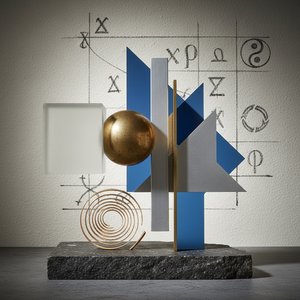
Beyond Form: Exploring the Philosophical Foundations of Geometric Abstraction
Explore the philosophical roots & artistic evolution of geometric abstraction with ArtsDot. Discover Mondrian, Malevich, De Stijl & more. Expert insights for collectors and art enthusiasts.

Beyond Form & Color: Geometric Abstraction's Evolution in 20th/21st Century Art
Explore the evolution of geometric abstraction from Cubism to contemporary art. Discover key artists like Malevich & Mondrian, investment insights, and expert collecting advice at ArtsDot.

Kazimir Malevichin 25 mestariteosta: Abstraktin taiteen huiput | ArtsDot
Tutustu Kazimir Malevichin 25 mestariteokseen – suprematistisen taiteen huipentuma! Uppoudu abstraktien muotojen ja värien maailmaan. Taideprintit ja sisustusideoita ArtsDot.comissa.


