


 Katso seinällä
 Lähetä
 Jaa
Jaa
 Tarkemmat tiedot
 Opas
Opas

 Lataa kuva
 Samanlaisia kohteita
 Röntgenkuvaus
 Diaesitys
 Tilastot
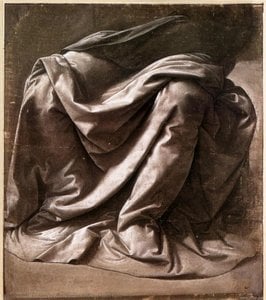
Study Sheet
 Acrylic On Canvas
- WallArt
- Expressionist Printmaking
 1931
1931 40.0 x 32.0 cm
 Kunsthalle Bremen
 Lue lisää
Osta korkearesoluutioinen, parannettu digitaalikuva, joka on laadultaan huomattavasti parempi kuin verkkosivuston esikatselu.
Jokainen tiedosto valmistellaan huolellisesti omien asiantuntijoidemme toimesta käyttäen edistyneitä työkaluja ja ammattitaitoista manuaalista retusointia. Varmistamme, että jokaisessa kuvassa on poikkeuksellinen selkeys, tarkka värintoisto ja hienovaraiset yksityiskohdat.
Lopputiedosto toimitetaan sähköpostitse 72 tunnin kuluessa, ja se on optimoitu välittömään käyttöön ammattimaisissa, toimituksellisissa ja painoympäristöissä. Laatu on sama, johon huipputason suunnittelustudiot, kustantajat ja galleriat luottavat.
Digitaalinen kuva
Lataa korkearesoluutioinen tiedosto henkilökohtaiseen näyttelyyn, tulostamiseen ja luoviin projekteihin. ( Vaihda tulosteeseen Tilaa käsinmaalattu jäljennös)
Sisältyy jokaiseen digitaalisen kuvan tilaukseen
Asiantunteva digitaalinen toimitus, laatu taattu
Kun valitset ArtsDot.com-palvelun, et saa vain kuvaa – saat ammattimaisesti viimeistellyn digitaalisen taideteoksen, joka on luotu tarkkuudella ja jonka takaa tulee tyytyväisyystakuu. Tässä on kaikki, mitä tilauksesi sisältää, automaattisesti:

Nopea sähköpostitoimitus
Saat korkearesoluutioisen digitaalisen kuvatiedostosi sähköpostiisi 72 tunnin kuluessa tilauksesta – valmiina käytettäväksi välittömästi.

Tekoälyllä optimoitu digitaalinen tiedosto
Teoksesi on optimoitu ammattimaisesti edistyneiden tekoälytyökalujen ja manuaalisen jälkikäsittelyn avulla, mikä takaa maksimaalisen yksityiskohtaisuuden, selkeyden ja väritarkkuuden.

Ilmainen elinikäinen uudelleenlähetys
Oletko vahingossa poistanut tai kadottanut tiedostosi? Ei hätää – lähetämme sen sinulle uudelleen milloin tahansa täysin maksutta.

Ei tuontimaksuja – koskaan
Nauti taiteestasi välittömästi ilman tullimaksuja, veroja tai toimituskuluja – digitaaliset lataukset ovat aina verovapaita.

Värintoiston tarkkuustakuu
Varmistamme, että digitaalinen kuvasi vastaa alkuperäisiä värejä mahdollisimman tarkasti käyttämällä ammattilaistason työkaluja ja värinhallintaa.

100 päivän tyytyväisyystakuu
Jos et ole tyytyväinen digitaaliseen kuvaasi, muokkaamme sitä tai palautamme 100% hinnan 100 päivän kuluessa – kysymystä ei esitetä.

100% Rahat takaisin -takuu
Et ole tyytyväinen? Saat täyden hyvityksen 100 päivän kuluessa digitaalisen tiedostosi vastaanottamisesta – kysymystä ei esitetä.

Suurtilaaja-alennukset
Osta 3 kuvaa, säästä 10% - Osta 5, säästä 15% - Osta 10+, säästä 20%. Erinomainen valinta luoviin projekteihin, gallerioille ja toimistoille.
A Portrait of Family Bonds: Käthe Kollwitz’s “Study Sheet”
Käthe Kollwitz's "Study Sheet," created in 1931, transcends mere depiction; it embodies the profound empathy and unwavering commitment to social justice that defined her artistic legacy. This deceptively simple drawing—measuring 40 x 32 cm—offers a glimpse into Kollwitz’s meticulous process and speaks volumes about her enduring fascination with portraying human vulnerability and familial connection. Examining this artwork reveals layers of meaning, reflecting not only the artist's technical prowess but also the socio-political currents shaping early twentieth-century Germany.The Artist’s Vision: Kollwitz’s Style and Technique
Kollwitz’s artistic style is instantly recognizable as Expressionism—a movement characterized by its rejection of idealized beauty in favor of conveying raw emotion and psychological truth. Unlike Impressionists who sought to capture fleeting moments of light, Kollwitz deliberately employed bold lines and muted colors to emphasize the contours of her subjects and imbue them with palpable feeling. The drawing utilizes a charcoal pencil on paper, demonstrating Kollwitz’s mastery of tonal shading—a technique she honed throughout her prolific career. Careful attention is paid to capturing subtle nuances of expression, particularly in the faces of the figures depicted. This deliberate choice underscores Kollwitz's belief that art should serve as a conduit for confronting uncomfortable realities and fostering compassion for those marginalized by society.Historical Context: Weimar Republic Anxiety
“Study Sheet” was produced during the Weimar Republic—a period marked by economic instability, political polarization, and simmering anxieties about the rise of extremist ideologies. Kollwitz’s artistic output coincided with this turbulent era, reflecting a deep concern for the plight of working-class families grappling with poverty and hardship. The depiction of a family huddled together—two adults and two children—immediately evokes images of resilience and solidarity amidst adversity. This motif resonates powerfully within the broader context of Weimar Germany, where anxieties about social upheaval fueled artistic explorations of vulnerability and human dignity. Kollwitz herself was deeply involved in socialist activism, using her art to advocate for social reform and denounce injustice – a commitment that permeated every piece she created.Symbolism Within Simplicity: The Family Unit
The inclusion of three cats within the composition adds another layer of symbolic significance. Cats have long been associated with domestic tranquility and maternal care—representing comfort and protection within the familial sphere. Their presence subtly reinforces Kollwitz’s central theme: the importance of nurturing relationships and safeguarding vulnerable individuals against external pressures. The artist's careful rendering of each feline contributes to the overall atmosphere of warmth and companionship, highlighting Kollwitz’s ability to distill complex emotions into deceptively understated visual elements.Emotional Resonance: A Legacy of Compassion
Ultimately, “Study Sheet” succeeds in capturing a moment of profound human connection—a testament to Kollwitz's unwavering empathy for the suffering masses. The drawing compels viewers to contemplate themes of familial love, resilience, and compassion—values that remain remarkably relevant today. It serves as an enduring reminder that art can illuminate the darkest corners of experience while simultaneously affirming the inherent dignity of every human being. Kollwitz’s masterful technique and her unflinching portrayal of emotion solidify “Study Sheet” as a cornerstone of Expressionist art and a poignant reflection on the human condition.Kysymykset ja vastaukset
Kuka on luonut teoksen "Study Sheet" ja minä vuonna?
Study Sheet on Käthe Kollwitzn luoma teos vuodelta 1931.
Minkälainen teos "Study Sheet" on?
Teos Käthe Kollwitz:n "Study Sheet" on luokiteltu tyypiksi WallArt. Luokitus kertoo, minkä tyyppinen alkuperäisteos on kyseessä.
Mitä Käthe Kollwitz:n "Study Sheet" tuo sisustukseen?
Käthe Kollwitz:n "Study Sheet" -teoksen Calm tunnelma sopii täydellisesti sen suositeltuun tilaan: Living Room.
Samankaltaisia teoksia




Taiteilijan elämäkerta
Varhaiset vuodet ja taiteellinen herääminen
Käthe Kollwitz, syntynyt Käthe Schmidt 8. heinäkuuta 1867 Königsbergissä (nykyisin Kaliningrad, Venäjä), kasvoi perheessä, joka oli syvällä sekä älyllisessä murroksessa että sosiaalisessa omatunnossa. Hänen isänsä, Karl Schmidt, oli edistyksellinen poliittinen hahmo – radikaali sosiaalidemokraatti ja muurari – kun taas äidinisois, Julius Rupp, siirsi nuorelle Käthelle voimakkaan yhdistelmän uskonnollista vakaumusta ja sosialistisia ihanteita. Tämä ainutlaatuinen kasvatus osoittautui perustavanlaatuiseksi, muovaten paitsi hänen maailmankuvaansa, myös koko hänen taiteellisen ilmaisunsa ydintä. Jo lapsena Kollwitz osoitti synnynnäistä lahjakkuutta piirtämisessä, ja hänen isänsä kannusti häntä tunnistaen ja vaalienutta tämän kasvavaa luovuutta. Virallinen koulutus alkoi kaksitoistavuotiaana paikallisten taiteilijoiden Gustav Naujokin ja Rudolf Mauerin johdolla Königsbergissä, mikä loi pohjan elinikäiselle omistautumiselle visuaaliselle tarinankerronnalle. Nämä varhaiset oppitunnit eivät olleet pelkkiä teknisiä harjoituksia; ne olivat ensimmäisiä askeleita polulla, joka johti hänet marginaalisten ja sorrettujen voimakkaaksi ääneksi. Hän jatkoi opintojaan Berliinissä ja Münchenissä uppoutuen 1800-luvun lopun taiteellisiin virtausuihin, mutta palasi aina ihmisyyden peruskysymyksiin keskeisenä aiheenaan.Kokemusten koetinkivi: Taide ja yhteiskunnallinen kommentointi
Kollwitzin avioliitto Karl Kollwitzin kanssa vuonna 1891 merkitsi käännekohtaa sekä henkilökohtaisesti että taiteellisesti. Pari asettui Berliiniin, jossa Karl harjoitti lääkärin työtään kaupungin köyhän työväenluokan parissa. Tämä suora altistuminen kurjuudelle ja kärsimykselle vaikutti syvästi Käthen taiteelliseen näkemykseen. Aluksi hänen työnsä keskittyi kuvaamaan työväenluokan elämän todellisuuksia, täynnä niitä sosiaalidemokraattisia periaatteita, jotka hän oli omaksunut perheestään. Kuitenkin juuri *Kudojat-sarja* (1894–1898), Gerhart Hauptmannin saman nimisen näytelmän inspiroima grafiikkasarja, nosti Kollwitzin laajaan tunnustukseen. Tämä voimakas teos kuvasi elävästi saksalaisten kudojien epätoivoa ja kapinaa taloudellista hyväksikäyttöä vastaan – se oli suora syytös sosiaalista epäoikeudenmukaisuutta kohtaan, esitettynä tinkimättömällä rehellisyydellä. Hän ei vältellyt todistamiensa raa'ojen todellisuuksien kuvaamista; päinvastoin, hän syleili niitä taiteellisen totuutensa välttämättöminä osina. *Kudojien* jälkeen Kollwitz aloitti *Pyhimysten sodan sarjan* (1902–1908), jossa hän tutki kapinaa ja sortoa 1500-luvun Saksan historian linssin läpi. Nämä varhaiset sarjat vakiinnuttivat hänen maineensa sosiaaliseen realismiin syvälle omistautuneena taiteilijana, mutta viittasivat jo silloin emotionaaliseen intensiteettiin, josta tulisi hänen tyylinsä tavaramerkki.Menetys, suru ja ekspressionistinen impulssi
Ensimman maailmansodan ensimmäinen maailmansota toi käsittämätöntä tragediaa Kollwitzin elämään. Hänen poikansa Peterin kuolema vuonna 1914 särki hänen maailmansa ja muutti peruuttamattomasti hänen taiteensa suunnan. Surusta tuli keskeinen teema, joka läpäisi teoksia kuten *Kuolema tyttö sylissään*, haikea kuvaus äidin surusta, joka ylittää yksittäisen menetyksen ja ilmentää universaalia muistamista. Tämä ajanjakso toi mukanaan myös muutoksen hänen taiteellisessa tyylissään, siirtyen tiukasta realismista kohti emotionaalisesti latautuneempaa ekspressionismia. Vaikka hän ei koskaan täysin hylännyt esittäviä muotoja, Kollwitz alkoi yksinkertaistaa muotoja ja voimistaa emotionaalista vaikutusta jyrkillä kontrasteilla ja dramaattisilla sommitteluilla. Teokset kuten *Vanha mies hirttokauhassa* ja *Äitien torni* ilmentävät tätä kehitystä – raakoja, viskeraalisia ilmauksia epätoivosta ja sodan tuhoisista seurauksista. Hänen mestaruutensa grafiikan tekniikoissa – etsaus, litografia, puunleikkaus – mahdollisti näiden vaikutelmien saavuttamisen käyttämällä akvatintia ja hiekkapaperia luomaan dramaattisia tekstuureja ja sävyeroja.Tunnustus, kestävyys ja pysyvä perintö
Kohdatessaan valtavia henkilökohtaisen kärsimyksen haasteita Kollwitz jatkoi taiteen luomista, joka haastoi yhteiskunnallisia normeja ja antoi äänen äänettömille. Vuonna 1919 hän saavutti historiallisen virstanpylvään tullessaan ensimmäiseksi naiseksi valituksi Preussin taideakatemiaan – todiste hänen taiteellisista saavutuksistaan ja kasvavasta vaikutusvallastaan. Tämä tunnustus oli kuitenkin lyhytikäinen. Natsismin nousun myötä Saksassa Kollwitz joutui eroamaan akatemiasta vuonna 1933, ja hänen teoksensa kiellettiin "rappeutuneena taiteena". Horjumatta hän kääntyi veistotaiteen puoleen myöhemmillä vuosillaan, jatkaen surun, menetyksen ja kestävyyden teemojen tutkimista pronssissa ja kivessä. Hän kuoli lähellä Dresdeniä vuonna 1945, toisen maailmansodan viimeisinä päivinä, mikä oli koskettava loppu taiteilijalle, joka oli omistanut elämänsä ihmisen kärsimyksen todistamiseen. Nykyään Käthe Kollwitzia juhlitaan ekspressionismin keskeisenä hahmona ja sosiaalisen oikeudenmukaisuuden voimakkaana puolustajana. Hänen taiteensa jatkaa resonointiaan yleisöjen kanssa ympäri maailmaa, muistuttaen meitä empatian pysyvästä voimasta ja vaikeiden totuuksien kohtaamisen tärkeydestä. Berliinin Käthe Kollwitz -museo seisoo pysyvänä kunnianosoituksena hänen perinnölleen, varmistaen, että hänen syvä taiteellinen visionsa jatkaa inspiroimista tuleville sukupolville.Vaikutteet ja taiteellinen tyyli
Kollwitzin taiteellinen kehitys muovautui useiden keskeisten vaikutteiden myötä. Max Klingerin grafiikkasarja *Ein Leben* (Elämä) vaikutti syvästi hänen varhaiseen tuotantoonsa osoittaen graafisten sarjojen potentiaalin narratiivisessa tarinankerronnassa. Gerhart Hauptmannin näytelmät antoivat teemallista inspiraatiota teoksille kuten *Kudojat*, kun taas hänen aviomiehensä lääkärin työ altisti hänet Berliinin työväenluokan kohtaamille ankarille todellisuuksille. Kollwitz ei kuitenkaan ollut pelkkä ulkoisten tapahtumien tallentaja; hänellä oli poikkeuksellinen kyky kääntää henkilökohtainen kokemus universaaleiksi tunteiksi. Hänen tyyliään leimaa raaka emotionaalinen intensiteetti, yksinkertaistetut muodot sekä mestarillinen valon ja varjon käyttö. Vaikka teokset juontavat juurensa realismista, ne ylittävät pelkän esittämisen ja sukeltavat ihmisen kärsimyksen psykologisiin syvyyksiin. Hän ei ollut kiinnostunut kauneudesta vain kauneuden vuoksi; hän pyrki luomaan taidetta, joka herättäisi ajatuksia, inspiroisi empatiaa ja lopulta edistäisi oikeudenmukaisempaa maailmaa. Hänen perintönsä ei ole ainoastaan taiteellista innovaatiota, vaan myös moraalista rohkeutta. Kollwitz säilyy pysyvänä symbolina taiteilijasta yhteiskunnallisena omatuntona.
Käthe Kollwitz
1867 - 1945 , Venäjä
Pähkinänkuoressa
- Artistic Movement Or Style: Expressionismi
- Artists Or Movements Influenced By This Artist: ['Hugo Erfurth']
- Artists Who Influenced This Artist:
- Max Klinger
- Gerhart Hauptmann
- Date Of Birth: 8 heinäkuuta 1867 Königsberg
- Date Of Death: 22 huhtikuuta 1945 Dresden
- Full Name: Käthe Kollwitz
- Nationality: Saksa
- Notable Artworks:
- The Weavers Cycle
- The Peasants' War Cycle
- Place Of Birth: Kaliningrad, Venäjä