


 Katso seinällä
 Lähetä
 Jaa
Jaa
 Tarkemmat tiedot
 Opas
Opas

 Lataa kuva
 Samanlaisia kohteita
 Röntgenkuvaus
 Diaesitys
 Tilastot
John Gray


 Lue lisää
Giclée- ja taideprintit
Museolaatuisia giclée- tai kankaitaulun tulosteita nopealla tuotannolla ja joustavilla viimeistelyvaihtoehdoilla. ( Tilaa käsinmaalattu jäljennös Siirry digitaaliseen kuvaan)




P118B €10

P118H €10

P118W €10

P438Z €10

P508JH €12

P508YH €12

P805H €10

P805Z €10

P919BZ €10

P919G €10

P919XJ €10

P959ZH €10

P968JZ €12

W106C €8

W218G €10

W218JH €8

W218Y €10

W307PJ €10

W316G €10

W316PJ €8

W316Y €10

W398PJ €8

W4111J €10

W500HY €15

W500JH €15

W692G €12

W849H €8

W940BG €15

W953PJ €8




Valitse valmiista mitoistamme sellaiset, jotka vastaavat teoksen alkuperäisiä mittasuhteita.

Voit syöttää omat mitat sopiaksesi tiettyyn kehykseen tai tilaan. Jos valittu koko ei vastaa alkuperäisen kuvan mittasuhteita, rajaamme teosta tai laajennamme kuvaa peilatulla tai yhtenäisellä reunalla. Digitaalinen mallikuva lähetetään hyväksyttäväksi ennen tuotannon aloittamista.
Huomaathan, että näytöllä näkyvä esikatselu ei vastaa lopullista rajausta tai laajennusta. Vain mallikuva näyttää lopullisen sommittelun tarkasti.
Vaikka räätälöityjä kokoja on saatavilla, suosittelemme valitsemaan mitat valmiista listasta alkuperäisten mittasuhteiden säilyttämiseksi.
Maailmanlaajuinen toimitus () 2 viikossa tavallisen 4–5 viikon sijaan. (11 lokakuu)

Ilmainen pikatoimitus ympäri maailman

Korkealaatuinen pellavakangas

Kattava kuljetusvakuutus

Tulliveron palautustakuu

Takuu täydellisestä värien vastaavuudesta

100 päivän palautusoikeus valmistusvirhetapauksissa

100% rahat takaisin -takuu

Määräalennus saatavilla
 Lasivaihtoehto on saatavilla vain alle 110 cm kokoisille teoksille

John Gray
Giclée- ja taideprintit
Replikaatin koko
-


Kokonaishinta
€ 53
A Vision of Colonial Dignity
In the quiet strength of John Singleton Copley’s 1766 masterpiece, "John Gray," we encounter more than a mere likeness; we step into the very heart of colonial American aristocracy. This portrait serves as a profound window into an era defined by both burgeoning neoclassical elegance and the simmering political tensions of pre-revolutionary Boston. The subject, John Gray, was a man of significant legal standing—a judge whose reputation for unwavering justice is etched into every deliberate stroke of C#opley’s brush. Through this work, the artist does not simply record a face, but rather constructs a visual language of honor, stability, and profound reserve that continues to captivate the modern eye.
The composition is masterfully orchestrated to command respect. Utilizing a classic three-quarter pose, Copley positions Gray slightly off-center, a technique that breathes life into the figure and prevents the portrait from feeling static or overly formal. A massive, architectural pillar anchors the scene, providing a sense of structural permanence that mirrors the subject's own steadfast character. Behind him, heavy, draped fabrics cascade in deep, rich folds, adding a layer of tactile luxury that speaks to Gray’s elevated social status. This interplay between the rigid verticality of the stone and the soft, organic curves of the drapery creates a sophisticated visual tension, guiding the viewer's gaze toward the subject's face.
The Mastery of Light and Texture
What truly distinguishes this work for collectors and connoisseurs is Copley’s extraordinary technical virtuosity. The artist employs a strategic use of chiaroscuro, allowing light to emerge from an unseen source to illuminate Gray’s features with dramatic precision. This lighting does more than just define form; it creates a sense of three-dimensional presence that makes the subject feel almost tangible within the frame. The palette is a masterclass in understated elegance, dominated by muted tones of forest green, slate grey, crisp white, and earthy browns. These colors do not compete for attention but rather work in harmony to evoke an atmosphere of somber, dignified importance.
For those who appreciate the fine details of fine art, the textures within this oil on canvas are nothing short of breathtaking. Copley’s meticulous brushwork captures the subtle gradations of skin, the crisp starch of a white collar, and the heavy weight of woolen cloth with astonishing realism. Every highlight on the silk or linen is rendered with such precision that one can almost feel the fabric's texture. This level of detail makes "John Gray" an exceptional choice for high-quality reproductions intended for sophisticated interiors, as it brings a sense of historical depth and material richness to any room.
An Enduring Legacy for the Modern Collector
Beyond its technical brilliance, "John Gray" resonates emotionally through its portrayal of character. There is a quiet, penetrating gaze in the subject's eyes that establishes an intimate connection with the viewer, inviting contemplation on the virtues of responsibility and moral fortitude. It is a portrait that embodies the transition of American art from mere documentation to a sophisticated medium capable of expressing complex human ideals.
For interior designers and art enthusiasts seeking to infuse a space with a sense of heritage and gravitas, this piece offers unparalleled inspiration. Whether placed in a formal study, a library, or a grand hallway, a reproduction of this Copley masterpiece serves as a focal point of timeless class. It is an investment in an aesthetic that transcends trends, offering a permanent connection to the golden age of colonial portraiture and the enduring spirit of American history.
Kysymykset ja vastaukset
Minkä tunnelman ja tunteen "John Gray" yhdistää?
Teoksen John Singleton Copley:n "John Gray" tunnelma on Elegant, ja sen emotionaalinen sävy on Reflective.
Minä vuonna teos John Singleton Copley:n "John Gray" on luotu?
Teos John Singleton Copley:n "John Gray" on valmistunut vuonna 1766.
Voinko esikatsella teosta John Singleton Copley:n "John Gray" ennen tilaamista?
Voit esikatsella teoksen John Singleton Copley:n "John Gray" reproduktiota avaamalla teoksen Esikatselu -sivun.
Millaista tunnelmaa "John Gray" toisi tilaan?
John Singleton Copley:n "John Gray" -teoksen Elegant tunnelma sopii täydellisesti sen suositeltuun tilaan: Living Room.
Mistä John Singleton Copley:n "John Gray" -teoksen vierailijat ovat kotoisin?
John Singleton Copley:n "John Gray" -teoksen Tilastot esittää julkiset käyntitilastot: teoksen kuukausittaiset vierailut, vertailun taiteilijan katsotuimpiin teoksiin sekä tiedot siitä, mistä vierailijat ovat kotoisin.
Kuinka vanha John Singleton Copley oli luodessaan "John Gray" vuonna 1766?
John Singleton Copley oli 28 vuotias luodessaan teoksen "John Gray" vuonna 1766. Ikä on laskettu taiteilijan syntymävuodesta 1738.
Kenelle taiteilijalle "John Gray" on laitettu tekijyys?
"John Gray" on John Singleton Copley:n luoma teos. Tällä sivulla olevat tiedot kuvaavat John Singleton Copley:n alkuperäistä työtä.
Samankaltaisia teoksia


Taiteilijan elämäkerta
A Pioneer Bridging Worlds: The Life and Art of John Singleton Copley
John Singleton Copley (1738–1815) oli yhdysvaltalainen taidemaalari, joka syntyi luultavasti Bostonissa Massachusettsissa irlantilaisten Richard ja Mary Singleton Copleyn perheeseen. Copley tunnetaan erityisesti hänen muotokuvamaalaustensa ansiosta, jotka hän maalasi Uuden-Englannin keskeisistä vaikuttajista ja Amerikan vallankumouksen johtohahmoista. Hän oli taiteilijana täysin itseoppinut – ei ole tiedossa, että hän olisi saanut formaalista koulutusta. Taidokkaiden muotokuvien ja suurten maalaustensa kuten *Watson ja hai* (1778) ansiosta hänestä kehittyi yksi aikansa arvostetuimmista taiteilijoista ja jotkut ovat jono pitäneet häntä ensimmäisenä merkittävänä yhdysvaltalaisena taiteilijana. Copley oli myös Royal Academyn jäsen, vaikka hänen osallistumisensa ei ollutkaan täysin vakiintunut. Hän vietti viimeiset vuotensa Britanniassa ja kuoli Lontoossa vuonna 1815. Bostonista löytyy muun muassa Copleyn mukaan nimetty aukio ja kaksi hänen mukaansa nimettyä hotellia, jotka ovat testamentti hänen merkittävästä roolistaan kaupungin kulttuurielämässä. Hänen varhaisensa elämänsä oli syvään juurtunut Bostonin vilkkaaseen merenkulkuun, joka oli silloin jo vähitellen muuttumassa merkittäväksi taloudelliseksi voimaksi. Hänen isänsä, Richard Copley, oli aluksi kauppias, mutta poistui heti Johnin syntymän jälkeen. Hänen äitinsä, Mary Singleton Copley, pyöritti kauppoja Long Wharfilla, mikä antoi nuorelle Johnille suoran kosketuksen kaupankäynnin ja elämää varten tarvittavien esineiden maailmaan. Hänen stepfatherinsa, Peter Pelham, oli kaivertaja ja liminööri (taiteilija, joka teki muotokuvia vellumille tai pergamentille), ja hän antoi Johnille aluksi ohjausta, mutta Copleyn lahjakkuus kehittyi pääosin itsenäisesti opiskelun ja harjoittelun kautta. Hän uppoutui kaiken mahdollisen kaivertimien kuvaukseen, kopioi niitä huolellisesti mestariteoksiksi ja ylitti nopeasti stepfatherinsa taidot.The Rise of a Colonial Portraitist
Copleyn maine Bostonin parhaana muotokuvaajana alkoi 1760-luvulla. Hänen menestyksensä ei perustunut pelkästään tekniseen taitoon, vaan kykyynsä vangita jokaisen mallinsa luonne ja sosiaalinen asema maalauksissaan. Hän ei tyytynyt vain kuvaamaan ulkonäköä; hän pyrki kaikkein syvällisempiin tunteisiin ja persoonallisuuksiin. Tämä vaati tarkkaa huomiota yksityiskohtiin – mallien materiaalien, korujen ja huonekalujen tarkan esittämisen – mutta myös ymmärrystä asennosta, ilmeistä ja eleistä. Copleyn muotokuvat olivat enemmän kuin vain kuvia; ne olivat lausuntoja rikkaudesta, vallasta ja sosiaalisesta asemasta. Hän sisällytti hienovaraisesti symboleita maalauksiinsa, vihjaamalla mallin ammatista tai kiinnostuksen kohteista. Kauppias saattoi olla esitettynä tuontitavaroiden kanssa taustalla, asianajaja oikeuskirjojen kanssa ja merimies merenkulkuvälineiden kanssa. Tämä huomio yksityiskohtiin ja symboleihin nosti hänen työtään korkeammalle kuin pelkkä muotokuvaus, muuttaen sen sosiaalisiksi kommentaareiksi. Hänen *Mrs. Ezekiel Gondthwait (Elizabeth Lewis)* -muotokuvansa ovat tästä hyviä esimerkkejä – elegantti asento, ylelliset materiaalit ja hienovaraiset yksityiskohdat kertovat rikkaudesta ja asemasta.Ambition and the Call of Europe
Vaikka Copley oli menestynyt Bostonissa, hänellä oli kunnianhimoa, joka ulottui Amerikan taiteellisten piirien ulkopuolelle. Hän halusi saada tunnustusta Euroopan arvostetuimmista taidepiireistä ja testata taitojaan eurooppalaisten mestareiden kanssa. Vuonna 1766 hän lähetti *Boy with a Flying Squirrel* -maalauksensa Taiteilijoiden Seuralle Lontoossa, jossa se sai suurta kiinnostusta Joshua Reynoldsilta ja Benjamin Westilta – kummaltakin merkittävältä brittitaiteilijalta. Tämä rohkaisu sytytti Copleyn halun jatkotukeen ja esiintymiseen. Kuitenkin perhevelvoitteet ja menestyvä käytäntö pitivät hänet Bostonissa vielä vuosikymmenen ajan. Lopulta vuonna 1774, vaimonsa Susanna Farnsworth Clarke ja heidän lapsensa mukanaan, hän lähti matkalle Eurooppaan, aikeenaan opiskella vanhoja mestareita ja vakiintua historialiseksi maalariksi. Amerikan vallankumouksen puhkeaminen pian hänen saapumisensa jälkeen vaikeutti asioita, pakottaen Copleyn navigoimaan poliittisesti latautuneessa ympäristössä taiteellisten tavoitteidensa saavuttamiseksi.Historical Narratives and Lasting Legacy
Lontoossa Copley löysi sekä mahdollisuuksia että haasteita. Hän jatkoi muotokuvien maalaamista, varmistaen komissioita tunnetuilta brittiläisiltä henkilöiltä, mutta hän myös kääntyi historialisen maalauksen suuntaan – lajityypiksi, joka oli arvostetumpaa kuin muotokuvaus tuohon aikaan. Hänen kunnianhimoisimpia töitään tässä genressä oli *The Death of Major Peirson*, joka esittää tapahtumaa Jersey-taistelusta Amerikan vallankumouksen aikana. Vaikka se oli teknisesti vaikuttava, se sai vaihtelevia arvosteluja, sillä jotkut kriitikot kyseenalaistivat sen kompositioita ja draamallista vaikutusta. Copleyn myöhemmät historialliset maalaukset, kuten *The Colapse of the Earl of Chatham in the House of Lords*, olivat onnistuneempia, osoittaen hänen kykyään vangita monimutkaisia tunteita ja dramaattisia hetkiä. Vaikka hän ei täysin saavuttanut haluamaansa tunnustusta Euroopassa, John Singleton Copley jätti jäljen sekä Amerikan että Britannian taiteen historiaan. Hän loi ainutlaatuisen Anglo-Amerikan tyylin yhdistämällä eurooppalaisia tekniikoita ja ainutlaatuista siirtomaatyyliä. Hänen muotokuvansa ovat arvokkaita historiallisia dokumentteja, jotka tarjoavat näkymiä menneen ajan elämään ja arvoihin. *Hän on muistettu ei vain taiteellisen taitonsa ansiosta vaan myös roolinsa kansallisidentiteetin muokkaajana hänen taideteoksensa kautta.* Hän kuoli Lontoossa vuonna 1815, jättäen jälkeensä perinnön, joka inspiroi edelleen taiteilijoita ja vangitsee yleisöjä.Influences and Artistic Development
- Early Influences: Copleyn varhaisen taiteellisen kehityksen vaikutti vahvasti kaivertimiin, jotka hän kopioi huolellisesti, erityisesti eurooppalaisten mestareiden, kuten Rembrandt van Rijnin ja Antoine Watteau'n, kuvaukseen.
- Peter Pelham’s Guidance: Hänen stepfatherinsa, Peter Pelham, antoi aluksi ohjausta muotokuvaustekniikoissa ja kaivertamisessa, mikä loi pohjan hänen tulevalle menestykselleen.
- Joshua Reynolds & Benjamin West: Joshua Reynoldsin ja Benjamin Westin rohkaisu ja palaute Copleyn lähetetyistä esityksistä Lontoon taidepiireille olivat ratkaisevia hänen tavoitteidensa ja taiteellisen suuntauksensa muokkaamisessa.
- Rococo Style: Copley omaksui aluksi Rokokotyylin, joka näkyi hienovara

John Singleton Copley
1738 - 1815 , Iso-Britannia
Tietoa taiteilijasta
- Artistic Movement Or Style: Muotokuvaus, Realismi
- Artists Or Movements Influenced By This Artist: ['Seuraavat taiteilijoita']
- Artists Who Influenced This Artist:
- Rembrandt van Rijn
- Watteau
- Date Of Birth: 1738
- Date Of Death: 1815
- Full Name: John Singleton Copley
- Nationality: Anglo-Amerikkalainen
- Notable Artworks:
- Earl of Chatham
- Watson ja hauki
- Place Of Birth: Boston, UK
Aiheeseen liittyvät artikkelit

John Singer Sargent's 25 Masterpieces: Portraits & Beyond | ArtsDot
Explore 25 iconic John Singer Sargent paintings – from dazzling portraits to Impressionist landscapes. Discover the stories behind Madame X, El Jaleo & more! Find museum-quality art reproductions and elevate your home decor with ArtsDot.com.
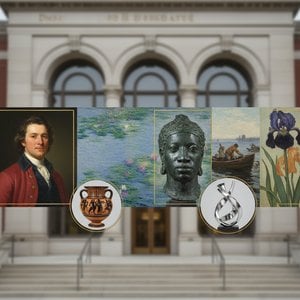
Bostonin Taidemuseon 25 mestariteosta: Inspiroiva taidekokoelma kotiisi | ArtsDot
Tutustu Bostonin taidemuseon 25 vaikuttavinta mestariteosta! Uppoudu amerikkalaisen ja eurooppalaisen taiteen historiaan, impressionismista renessanssiin. Löydä inspiraatiota kotiisi ArtsDot.com:sta – korkealaatuiset taideprintit ja julisteet odottavat!

John Constablein 25 mestariteosta: Taidetta ja tunnelmaa kotiisi – ArtsDot.com
Tutustu John Constable'n 25 mestariteokseen – romanttisia maisemamaalauksia, jotka vangitsevat englantilaisen luonnon tunnelman. Taidehistoriaa ja inspiraatiota kotiisi ArtsDot.com:ssa. Löydä kaikki taideteokset verkossa!

Grant Wood & American Regionalism: Identity, Myth & the Rural Landscape
Explore the world of Grant Wood & American Regionalism with ArtsDot. Discover the symbolism behind 'American Gothic', recurring themes, and the movement's lasting impact on art history. High-quality reproductions available.

Benjamin West: Transatlantic Ambition & Shaping American Art
Explore the life & legacy of Benjamin West, pioneering American artist and Royal Academy president. Discover his Neoclassical masterpieces, transatlantic influence, and lasting impact on art history. Learn more at ArtsDot.


