

 Esikatselu
 Jaa teos
 Jaa
Jaa
 Tiedot
 Opas
Opas

 Lataa kuva
 Samanlaisia kohteita
 Röntgenkuvaus
 Diaesitys
 Kysymykset ja vastaukset
 Tilastot
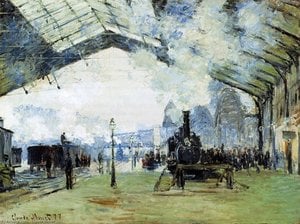
Sitges train station

- 31.0 x 41.0 cm


 Lue lisää
Saat tulostusvalmiin tiedoston, jonka laatu ylittää verkkonäkymän huomattavasti. Jokainen myymämme digitaalinen kuva on peräisin arkistomme korkearesoluutioisesta mestariteoksesta — yleensä 5 000–15 000 pikselin levyisenä — joten voit tulostaa suuria kokoja, rajata tiukasti tai toistaa hienovaraiset yksityiskohdat luottavaisin mielin.
Mikään tiedosto ei lähde studiostamme muuttamatta. Digitaalinen asiantuntija vertaa värejä alkuperäiseen maalaukseen ja korjaa niitä tarvittaessa, minkä jälkeen hän parantaa kuvan selkeyttä ja yksityiskohtia ammattimaisilla retusointityökaluilla — säilyttäen aina uskollisena taiteilijan siveltimenjäljen ja tyylin. Lopputuloksena on kuva, joka näyttää maalaukselta, eikä suodatetulta skannaukselta.
Hyväksyt työn ennen valmistumistaan: asiantuntijamme lähettää kuvan tarkistettavaksi sähköpostitse 72 tunnin kuluessa. Etkö ole tyytyväinen? Pyydä parannuksia tai korjauksia, tai pyydä hyvitystä, mikäli laatu ei vastaa odotuksia.
Tämä on laatua, johon kustantamot, design-studiot, galleriat ja painotalot luottavat.
Digitaalinen kuva
Lataa korkearesoluutioinen tiedosto henkilökohtaiseen näyttelyyn, tulostamiseen ja luoviin projekteihin. ( Vaihda tulosteeseen Osta käsinmaalattu taideteos)
Sisältyy jokaiseen digitaalisen kuvan tilaukseen
Asiantunteva digitaalinen toimitus, laatu taattu
Kun valitset ArtsDot.com-palvelun, et saa vain kuvaa – saat ammattimaisesti viimeistellyn digitaalisen taideteoksen, joka on luotu tarkkuudella ja jonka takaa tulee tyytyväisyystakuu. Tässä on kaikki, mitä tilauksesi sisältää, automaattisesti:

Nopea sähköpostitoimitus
Saat korkearesoluutioisen digitaalisen kuvatiedostosi sähköpostiisi 72 tunnin kuluessa tilauksesta – valmiina käytettäväksi välittömästi.

Tekoälyllä parannettu digitaalinen tiedosto
Teoksesi on optimoitu ammattimaisesti edistyneiden tekoälytyökalujen ja manuaalisen jälkikäsittelyn avulla, mikä takaa maksimaalisen yksityiskohtaisuuden, selkeyden ja väritarkkuuden.

Ilmainen uudelleenlähetys elinikäisesti
Oletko vahingossa poistanut tai kadottanut tiedostosi? Ei hätää – lähetämme sen sinulle uudelleen milloin tahansa täysin maksutta.

Ei tuontimaksuja – koskaan
Nauti taiteestasi välittömästi ilman tullimaksuja, veroja tai toimituskuluja – digitaaliset lataukset ovat aina verovapaita.

Värintoiston tarkkuustakuu
Varmistamme, että digitaalinen kuvasi vastaa alkuperäisiä värejä mahdollisimman tarkasti käyttämällä ammattilaistason työkaluja ja värinhallintaa.

100 päivän tyytyväisyystakuu
Jos et ole tyytyväinen digitaaliseen kuvaasi, muokkaamme sitä tai palautamme 100% hinnan 100 päivän kuluessa – kysymystä ei esitetä.

100% Rahat takaisin -takuu
Et ole tyytyväinen? Saat täyden hyvityksen 100 päivän kuluessa digitaalisen tiedostosi vastaanottamisesta – kysymystä ei esitetä.

Määräalennukset
Osta 3 kuvaa, säästä 10% - Osta 5, säästä 15% - Osta 10+, säästä 20%. Erinomainen valinta luoviin projekteihin, gallerioille ja toimistoille.
A Moment Frozen in Steam and Light
In the evocative masterpiece Sitges train station, painted in 1882, Joan Roig Soler invites us into a fleeting moment of late nineteenth-century life, where the industrial pulse of progress meets the quiet anticipation of travel. The canvas captures the bustling energy of a Catalan railway platform, dominated by the magnificent presence of a steam engine as it pulls its heavy carts along the tracks. As the locomotive surges forward, thick plumes of billowing smoke rise into the sky, creating a dramatic interplay between the solid, dark machinery and the ethereal, transient atmosphere of the morning air. It is a scene that breathes with movement, capturing not just a location, but the very sensation of arrival and departure.
Roig Soler, a master of light and color, employs an Impressionistic sensibility to breathe life into this industrial landscape. Rather than focusing solely on the mechanical precision of the train, he directs our gaze toward the human element—the twelve figures scattered across the platform, each caught in a private moment of observation or waiting. Some lean forward with curiosity, while others sit quietly on the station benches, their silhouettes softened by the atmospheric haze. The artist’s technique allows light to dance across the scene, illuminating the textures of the steam and the subtle shadows cast by the passengers, creating a sense of depth that pulls the viewer directly onto the platform alongside the travelers.
The Intersection of Progress and Nostalgia
Historically, this work serves as a poignant window into the era of rapid modernization in Spain. The train station, once a symbol of cutting-edge technology and the shrinking of distances, is depicted here with a sense of romantic grandeur. There is a profound symbolism in the contrast between the heavy, unstoppable force of the steam engine and the fragile, transient nature of the people watching it pass. For the contemporary collector or interior designer, this painting offers more than just a historical record; it provides a sophisticated narrative of transition. The composition, which stretches across the canvas from left to right, guides the eye through a rhythmic progression of movement and stillness.
For those seeking to adorn a space with art that evokes emotion and conversation, Sitges train station is an incomparable choice. Its palette of earthy tones, punctuated by the dramatic whites of the steam, lends itself beautifully to both classical and modern interiors. Whether placed in a grand study or a contemporary living area, this reproduction brings with it a sense of timelessness and a quiet, contemplative energy. It is a piece that celebrates the beauty found in the mundane, transforming a routine moment at a station into an enduring vision of light, motion, and human connection.
Kysymykset ja vastaukset
Kuka on luonut teoksen "Sitges train station" ja mikä sen tyylisuunta on?
Teoksen "Sitges train station" takana ovat Joan Roig Soler ja Impressionism-suuntaus.
Minkälaisen tunteen Joan Roig Soler:n "Sitges train station" värit luovat?
Teoksessa "Sitges train station" Neutrals värit yhdistyvät Nostalgic tunnelmaan.
Miten voin katsella teosta Joan Roig Soler:n "Sitges train station" diashow'na?
Teoksen "Sitges train station" diaporama on katsottavissa teoksen Diaesitys -sivulla.
Samankaltaisia teoksia




Taiteilijan esittely
The Luminous Legacy of Joan Roig Soler
In the golden age of Spanish Impressionism, few artists captured the ephemeral dance of light upon the Mediterranean coast as poignantly as Joan Roig Soler. Born in Barcelona in 1852, Soler emerged from a lineage of artistic passion, having been nurtured by a father who first ignited his fascination with the nuances of color and form. His formal training at the Escuela Superior de Bellas Artes Barcelona provided him with a rigorous foundation in Academic realism, yet it was his ability to transcend the rigid boundaries of tradition that would define his career. As the nineteenth century progressed, Soler began to weave the meticulous precision of his classical education with the burgeoning, atmospheric sensibilities of the Impressionist movement, creating a style that felt both grounded in reality and elevated by light.
The heart of Soler’s oeuvre lies within the sun-drenched landscapes of Catalonia, particularly the picturesque seaside enclave of Sitges. It was here, amidst the shimmering vistas of the Costa Brava, that he truly found his voice. He possessed a rare, almost intuitive ability to translate the fleeting textures of the Mediterranean—the way sunlight refracts through sea spray or how the midday heat softens the edges of coastal villas. His works from this period are not merely landscapes but sensory experiences; in masterpieces such as Sitges Study, one can almost feel the warmth of the sand and the salt in the breeze. This dedication to capturing the transient beauty of the coast cemented his reputation as a master of Impressionistic realism, an artist capable of freezing a moment in time while maintaining its vibrant, breathing essence.
Urban Rhythms and Industrial Echoes
While the tranquil shores of Sitges offered him a sanctuary of light, Roig Soler was equally captivated by the burgeoning energy of Spain’s urban centers. His travels to Madrid allowed him to explore a different facet of the human experience—the dynamic, often chaotic pulse of city life. In canvases such as Avenida de los catalanes, he moved away from the serene coastal horizons to embrace the complex interplay of shadow and movement found in metropolitan streets. These urban impressions showcase his remarkable versatility, proving that his mastery of light was just as effective in the narrow, shaded corridors of a city as it was on an open beach.
Perhaps most striking is his ability to find beauty within the machinery of progress. In his evocative 1882 work, Sitges train station, Soler captures a profound intersection between the industrial revolution and the quietude of daily life. The painting presents a dramatic tableau where the heavy, dark presence of a steam engine meets the ethereal plumes of billowing smoke, creating a sense of atmospheric depth that pulls the viewer onto the platform. Through this work, he explores themes of nostalgia and modernization, using the locomotive as a symbol of an unstoppable future encroaching upon the timeless landscape. By focusing on the human element—the passengers caught in moments of waiting or curiosity—he imbues the industrial scene with a deeply relatable, emotional resonance.
Artistic Influences and Historical Significance
The evolution of Roig Soler’s technique was profoundly shaped by the giants of European art. He drew significant inspiration from the works of Claude Monet and Frédéric Bazille, adopting their focus on light and broken brushstrokes to enhance the luminosity of his palettes. Yet, unlike some of his more radical contemporaries, Soler never fully abandoned the structural integrity of the Academic tradition. This unique synthesis—the marriage of expressive, Impressionistic strokes with a disciplined, realist composition—distinguishes his work from the broader movement and provides it with a lasting, sculptural quality.
Though history occasionally places him in the shadow of contemporaries like Joaquín Sorolla, the enduring significance of Joan Roig Soler lies in his role as a vital chronicler of the Catalan spirit. His paintings serve as a visual archive of a transformative era in Spanish history, capturing both the natural splendor of the Mediterranean and the rapid modernization of the late nineteenth century. Today, his legacy continues to inspire, offering a window into a world where light, color, and movement converge to tell the story of a changing nation.

Joan Roig Soler
1852 - 1909 , Spain
Pähkinänkuoressa
- Full Name: Joan Roig y Soler
- Nationality: Spanish
- Date Of Birth: 1852
- Date Of Death: 1909
- Place Of Birth: Barcelona, Spain
- Notable Artworks:
- African Chief
- Sitges Study
- Alighting from the carriage
- Artistic Movement Or Style: Realist Painting & Impressionism
- Artists Who Influenced This Artist: ['Mariano Fortuny y Marsal']
- Artists Or Movements Influenced By This Artist: ['Impressionism']