

 Jaa teos
 Jaa
Jaa
 Tiedot
 Opas
Opas

 Lataa kuva
 Samanlaisia kohteita
 Diaesitys
 Kysymykset ja vastaukset
 Tilastot
Kul-e Farah relief I


 Lue lisää
Tällä sivulla esitettyä taideteosta suojaa tekijänoikeuslaki, mikä tarkoittaa, ettemme voi laillisesti luoda tai myydä täsmälleen samanlaista jäljennöstä. Tämä suoja toteutetaan kansainvälisten sopimusten, kuten esimerkiksi Berne-konventio ja kansallisilla laeilla, mukaan lukien niillä määritellyt Yhdysvaltain tekijänoikeuslaki – Luku 17. Kaikki oikeudet pidätetään. Luvaton kopiointi tai jäljittely on kielletty.
Tämä menetelmä noudattaa täysin tekijänoikeussäännöksiä, sillä se ei sisällä suojatun taideteoksen kopioimista tai jäljentämistä. Sen sijaan kyseessä on luova uudelleentulkinta – uusi maalaus, joka ammentaa vaikutteita alkuperäisestä, mutta ei ole sen identtinen kopio.
Giclée- ja taideprintit
Museolaatuisia giclée- tai kankaitaulun tulosteita nopealla tuotannolla ja joustavilla viimeistelyvaihtoehdoilla. ( Osta käsinmaalattu taideteos Siirry digitaaliseen kuvaan)




































Valitse valmiista mitoistamme sellaiset, jotka vastaavat teoksen alkuperäisiä mittasuhteita.

Syötä tarvitsemasi leveys ja korkeus, jotta tuloste sopii kehyksiisi tai seinällesi. Tulostetta voidaan vain leikata, sitä ei voida koskaan suurentaa alkuperäistä kuvaa suuremmaksi, joten eri muotoinen koko aiheuttaa osan kuvasta katoamisen. Lähetämme sinulle digitaalisen mallikuvan hyväksyttäväksi ennen kuin aloitamme tulostuksen. Tällä sivulla näkyvä kuva ei näytä lopullista rajausta — vain mallikuva näyttää sen.
Maailmanlaajuinen toimitus () 2 viikossa tavallisen 4–5 viikon sijaan. (5 marraskuu)

Ilmainen pikatoimitus ympäri maailman

Korkealaatuinen pellavakangas

Kattava kuljetusvakuutus

Tulliveron palautustakuu

Takuu täydellisestä värien vastaavuudesta

100 päivän palautusoikeus (vain valmistusvirheet)

100% rahat takaisin -takuu

Määräalennus tarjolla
 Lasivaihtoehto on saatavilla vain alle 110 cm kokoisille teoksille

Kul-e Farah relief I
Giclée- ja taideprintit
Replikaatin koko
-


Kokonaishinta
€ 56
A Silent Witness to Elamite Grandeur
Perched high above the landscape, carved into a vertical niche some five and a half meters from the ground, the Kul-e Farah relief I stands as a profound testament to the enduring spirit of the Elamite highland tradition. This ancient masterpiece is not merely a carving on stone; it is a monumental dialogue between man and nature, frozen in time since approximately 500 BC. The relief serves as a vital historical link, embodying the sophisticated artistic language of an era that flourished in the ancient Near East. To gaze upon this work is to witness the intersection of political authority and artistic devotion, where every line etched into the rock face speaks of a civilization deeply rooted in its rugged, mountainous terrain.
The composition of the relief is both intricate and commanding, showcasing a scene of figures positioned with a deliberate sense of hierarchy and presence. The artistry lies in the way the carver utilized the natural contours of the rock to breathe life into the subjects, creating a sense of depth that invites the viewer to contemplate the lives of those depicted. Within the vertical niche, the relief integrates multiple elements of elite representation, drawing from much older traditions of valley carvings to assert the prestige of its creators. For the discerning collector or lover of antiquity, this piece offers a window into a world where art was used to solidify the identity of rulers and the sanctity of their lands.
The Language of Power and Inscription
Beyond its visual majesty, the Kul-e Farah relief I is a literary treasure, housing a complex narrative written in stone. The surface is adorned with twenty-four horizontal registers of an inscription that remains one of the most significant, yet enigmatic, archaeological finds of the region. This text provides a rare glimpse into the political landscape of the time, identifying the local ruler Hanni, son of Tahhi, who served as the "caretaker, protector, and ruler" of Ayapir. His role as a vassal to the Elamite king Shutur-Nahhunte highlights the intricate web of loyalty and governance that defined the period between 625 and 585 BC. The presence of nine additional epigraphs, delicately inscribed over the skirts of the carved figures, adds a layer of rhythmic detail that enhances the relief's textural complexity.
For interior designers and curators of historical reproductions, this artwork offers an unparalleled opportunity to introduce a sense of profound history and intellectual depth into a space. The interplay between the rugged texture of the stone and the precise, delicate epigraphs creates a visual tension that is both intellectually stimulating and aesthetically grounding. A high-quality reproduction of this relief does more than decorate a wall; it anchors a room with the weight of millennia, providing a conversation piece that bridges the gap between modern luxury and ancient heritage.
An Eternal Legacy in Stone
The emotional impact of the Kul-e Farah relief I stems from its sheer resilience. Despite the passage of over two thousand years, the figures and their stories remain remarkably well-preserved, offering a hauntingly beautiful connection to the Elamite civilization. The way the light plays across the carved surfaces—mimicking the natural sunlight that has illuminated this niche for centuries—creates an ever-changing aesthetic experience. It is a work that celebrates the concept of permanence in an impermanent world.
Owning or displaying a tribute to this relief allows one to participate in the preservation of human memory. Whether integrated into a contemporary gallery setting or used as a focal point in a sophisticated study, the piece evokes a sense of awe and reverence. It invites the observer to look upward, much like the original viewers did, and to find inspiration in the enduring strength of the Elamite spirit and the masterful hands that carved it into the very bones of the earth.
Kysymykset ja vastaukset
Miten voin ladata kuvan teoksesta Javier Álvarez Mon:n "Kul-e Farah relief I"?
Teoksen Javier Álvarez Mon:n "Kul-e Farah relief I" digitaalisen kuvan voi ladata muodossa korkearesoluutioinen digitaalinen kuvalataus teoksen Lataa digitaalinen kuva -sivulta.
Voinko esikatsella teosta Javier Álvarez Mon:n "Kul-e Farah relief I" ennen tilaamista?
Voit esikatsella teosta Javier Álvarez Mon:n "Kul-e Farah relief I" sivulla Esikatselu tilassa.
Mikä väri hallitsee teoksen Javier Álvarez Mon:n "Kul-e Farah relief I" sommittelua?
Espresso (#3b2112) on Javier Álvarez Mon:n "Kul-e Farah relief I" -teoksen hallitseva väri.
Samankaltaisia teoksia


![[carved Stone Figure, Nunnery Quadrangle, Uxmal] — Octavio Medellín, Mexican Abstract Sculpture](/media/artworks/images-thumb/cd/72/cd72ede773e8f67633d88d21707b2444.jpg)


Taiteilijan elämäkerta
Javier Álvarez Mon on espanjalainen arkeologi ja historioitsija, joka on erikoistunut muinaiseen Lähi-itään. Hän syntyi Madridissa vuonna 1969 ja suoritti arkeologian tohtorin tutkinnon Madridin Complutense-yliopistossa vuonna 2001. Nykyään hän toimii tutkijana Espanjan kansallisessa tutkimusneuvostossa (CSIC) ja johtaa elamilaisten tutkimusryhmää Barcelonan yliopistossa.
Koulutus ja ura
Javier Álvarez Monin koulutus keskittyi arkeologiaan ja historiaan, painottaen erityisesti muinaista Lähi-itää. Hänen tutkimuksensa on syventynyt elamilaiseen kulttuuriin, ja hän on julkaissut lukuisia artikkeleita ja kirjoja aiheesta, kuten El mundo elamite (201Tutkimukset ja julkaisut
Javier Álvarez Monin tutkimus on keskittynyt elamilaiseen kulttuuriin, ja hän on tuottanut runsaasti tieteellistä kirjallisuutta aiheesta. Hänen merkittävimpiin julkaisuihinsa kuuluvat:- El mundo elamite (2018)
- Elam: historia, arte y arqueología (2021)
- La cultura elamita (2015)
- Elam: una historia de la región (2012)
Yhteistyö ja projektit
Javier Álvarez Mon on tehnyt laajaa yhteistyötä muiden tutkijoiden kanssa ja osallistunut useisiin merkittäviin tutkimusprojekteihin. Hänen keskeisimpiin projekteihinsa kuuluvat:- Elamite-projekti: tutkimushanke elamilaista kulttuuria varten, jota rahoittaa Espanjan kansallinen tutkimusneuvosto (CSIC).
- Kaivausprojekti Iranissa: arkeologinen kaivushanke Iranissa, jota rahoittaa Barcelonan yliopisto.
- Elamilaista kulttuuria käsittävä tutkimusprojekti: tutkimushanke elamilaista kulttuuria varten, jota rahoittaa Barcelonan yliopisto.
Työn merkitys
Javier Álvarez Monin työ on erittäin tärkeää elamilaisen kulttuurin ymmärtämiselle sekä sen merkitykselle muinaisessa Lähi-idässä. Hänen tutkimuksensa on avannut uusia näkökulmia alueen historiaan ja johtanut useisiin aiheeseen liittyviin julkaisuihin. Osa hänen artikkeleistaan ja kirjoistaan on löydettävissä osoitteesta https://ArtsDot.com, josta löytyy lisätietoa hänen työstään ja julkaisuistaan. Tietoa muista taiteilijoista ja maalaajista löytyy myös kohteista Museo de la Real Academia de Bellas Artes de San Fernando ja Musée de la Chasse et de la Nature.
Javier Álvarez Mon
1969 - , Espanja
Aiheeseen liittyvät artikkelit

The Enduring Legacy of Woodblock Printmaking: Technique, History & Artistic Expression
Explore the rich history of woodblock printmaking – from ancient techniques to Ukiyo-e masterpieces. Discover expert insights on collecting, preserving & appreciating this enduring art form.

Sculpting with Soul: An Expert Guide to the Tactile Elegance of Plaster Relief Art
Discover the captivating world of plaster relief art. Our expert guide explores the history, techniques, and curation of textured bas-relief, helping collectors bring depth, light, and soulful dimension to their modern interiors through sophisticated sculptural masterpieces.

Kivensävyt taiteessa: 10 kuuluisinta mestariteosta ja sisustusinspiiraatiota
Tutustu 10 kuuluisimpaan maalaukseen, joita hallitsevat kivensävyt! Löydä Picasso, Monet ja muiden mestareiden tarinat sekä inspiraatiota sisustukseen. Laadukkaat taideprintit ArtsDot.com:ssa – tutustu kokoelma!
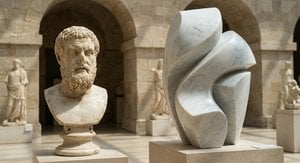
The Enduring Allure of Marble in Art History: From Classical Sculpture to Modern Abstraction
Explore the captivating history of marble sculpture from ancient Greece to modern art. Discover renowned artists like Canova & Michelangelo, carving techniques, and investment insights at ArtsDot.

Barbara Hepworth: A Sculptural Dialogue with Form, Space & the Human Condition
Explore the profound world of Barbara Hepworth's sculpture. Discover her artistic evolution, iconic forms, and lasting influence on modern art. A guide for collectors & enthusiasts.