


 Katso seinällä
 Lähetä
 Jaa
Jaa
 Tarkemmat tiedot
 Opas
Opas

 Lataa kuva
 Samanlaisia kohteita
 Röntgenkuvaus
 Diaesitys
 Tilastot
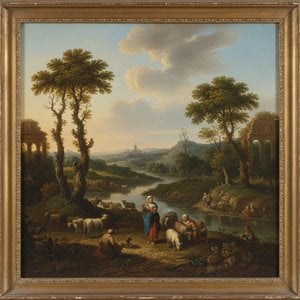
Forest Landscape
 Etching
- Baroque
 1643
1643- Early Modern
 27.0 x 32.0 cm
 Szépművészeti Múzeum
 Lue lisää
Giclée- ja taideprintit
Museolaatuisia giclée- tai kankaitaulun tulosteita nopealla tuotannolla ja joustavilla viimeistelyvaihtoehdoilla. ( Tilaa käsinmaalattu jäljennös Siirry digitaaliseen kuvaan)




P118B €10

P118H €10

P118W €10

P438Z €10

P508JH €12

P508YH €12

P805H €10

P805Z €10

P919BZ €10

P919G €10

P919XJ €10

P959ZH €10

P968JZ €12

W106C €8

W218G €10

W218JH €8

W218Y €10

W307PJ €10

W316G €10

W316PJ €8

W316Y €10

W398PJ €8

W4111J €10

W500HY €15

W500JH €15

W692G €12

W849H €8

W940BG €15

W953PJ €8




Valitse valmiista mitoistamme sellaiset, jotka vastaavat teoksen alkuperäisiä mittasuhteita.

Kirjoita tarvitsemasi leveys ja korkeus, jotta tuloste sopii kehyskokoon tai seinällesi. Tulostetta voidaan vain leikata, sitä ei voi koskaan tehdä suuremmaksi kuin alkuperäinen kuva, joten eri muotoinen koko aiheuttaa osan kuvasta katoamisen. Lähetämme sinulle digitaalisen mallikuvan hyväksyttäväksi ennen kuin aloitamme tulostuksen. Tällä sivulla näkyvä kuva ei näytä lopullista leikkausta — vain mallikuva näyttää sen.
Maailmanlaajuinen toimitus () 2 viikossa tavallisen 4–5 viikon sijaan. (23 lokakuu)

Ilmainen pikatoimitus ympäri maailman

Korkealaatuinen pellavakangas

Kattava kuljetusvakuutus

Tulliveron palautustakuu

Takuu täydellisestä värien vastaavuudesta

100 päivän palautusoikeus valmistusvirhetapauksissa

100% rahat takaisin -takuu

Määräalennus saatavilla
 Lasivaihtoehto on saatavilla vain alle 110 cm kokoisille teoksille

Forest Landscape
Giclée- ja taideprintit
Replikaatin koko
-


Kokonaishinta
€ 54
A Journey into the Italianate Dream
To gaze upon this depiction of a forest landscape is to step across the threshold of time, transported to the sun-dappled, yet subtly shadowed corners of Italia in the early seventeenth century. This piece captures the very essence of the Dutch fascination with the Mediterranean world—a yearning for the classical grandeur and luminous atmosphere that beckoned Northern European artists away from their familiar northern skies. It speaks volumes about the cultural currents of the time, when study trips to Italy were not merely leisure pursuits but vital academic pilgrimages for painters seeking mastery.
The Hand of Jan Both: Mastering Mediterranean Light
Created around 1643 by Jan Both, this work places us squarely within his mature period. Both was a key figure in the "Dutch Italianate" movement, an artistic current defined by its deep absorption of Roman and Venetian landscape ideals. While the subject matter is profoundly natural—a gently sloping hillside descending toward placid waters, framed by dense, brooding foliage—the execution reveals a meticulous technical prowess. The style leans heavily into the detailed realism characteristic of Dutch Golden Age drawing or etching. Notice how the lines themselves become carriers of light and shadow; they are not merely outlines but carefully modulated tonal passages built through expert hatching and cross-hatching.
Technique and Atmosphere: An Etcher's Precision
The physical evidence suggests a technique rooted in drypoint or fine etching upon copper plate. This medium allowed Both to achieve an astonishing level of linear precision, giving the forest its palpable texture. The light is not harsh; rather, it is diffused, suggesting the soft veil of an overcast day or the deep cool shade beneath a canopy. This masterful handling of shadow creates an incredible sense of depth—a visual recession where foreground details give way to atmospheric haze in the distance. The organic shapes of the trees and the water’s edge are rendered with such care that one can almost hear the quiet murmur of the stream.
Symbolism of Solitude and Nature's Embrace
Beyond its technical brilliance, the painting resonates with profound emotional undertones. The subtle inclusion of small figures wandering through the woods transforms the scene from a mere topographical study into a meditation on human experience. These travelers seem absorbed in their own contemplation, dwarfed by the immensity and tranquility of nature. This quietude speaks to an era grappling with both intense artistic patronage (as Both himself experienced) and a growing appreciation for the sublime power of the natural world—a refuge from the bustling life of the city.
Bringing the Italianate Spirit Home
For the collector or designer, this reproduction offers more than just decoration; it offers an atmosphere. It is a window into scholarly aspiration, a celebration of masterful draftsmanship, and an invitation to pause. The deep greens, muted earth tones, and the silvery quality of the water lend themselves beautifully to creating a space that feels both historically rich and serenely contemporary—a perfect anchor for any room seeking the quiet dignity of a classical landscape.
Kysymykset ja vastaukset
Mikä on teoksen Jan Both:n "Forest Landscape" hallitseva väri?
Black (#050504) on Jan Both:n "Forest Landscape" -teoksen hallitseva väri.
Mitä aihetta ja tunnelmaa Jan Both:n "Forest Landscape" yhdistää?
Jan Both:n "Forest Landscape" yhdistää forest landscape, dutch art, 17th century scene, serene nature, detailed drawing, italian influence, monochromatic tone-aiheet Serene-tunnelmaan.
Miltä aikakaudelta Jan Both:n "Forest Landscape" on peräisin?
Teoksen Jan Both:n "Forest Landscape" historiallinen aikakausi on Early Modern. Tämä luokitus sijoittaa teoksen taidehistoriaan.
Samankaltaisia teoksia


Taiteilijan elämäkerta
Jan Both (1610-1652): Välimeren valon mestari
Jan Dirksz Both oli hollantilainen maalaaja, luonnostelija ja etsari, josta tuli yksi merkittävimmistä hahmoista kukoistavan ”italialaistyylisen” maisemamaalauksen liikkeessä hollantilaisen kultakauden aikana. Utrechtissa noin vuosina 1615–1618 syntynyt taiteilija oli Andries Bothin nuorempi veli, ja heidän isänsä Dirck Both, lasimaalaaja, opetti pojilleen varhaisen arvostuksen taiteellista käsityötaitoa kohtaan. Vaikka elämäkerralliset tiedot ovat paikoin niukkoja, tutkimukset viittaavat siihen, että Janin koulutus sisälsi opetusta Abraham Bloemaertilta ja Gerrit van Honthorstilta, mikä nosti hänet aikansa vaikutusvaltaisimpien taiteilijoiden joukkoon.- Varhaiset vuodet ja koulutus: Bothin muovaavat vuodet vietettiin Utrechtissa, jossa hän hioi taitojaan veljensä Andriesin rinnalla omaksien tekniikoita isänsä lasimaalaustyöstä – ammatista, joka oli syvällä juurtunut flaamilaiseen perinteeseen.
- Rooman vaikutus: Noin vuonna 1638 Jan ja Andries lähtivät muutosvoimaiseen matkaan Roomaan Ranskan kautta, uppoutuen paavillisen hovin taiteelliseen intohimoon ja kohdaten mestareita kuten Bloemaert ja Gerrit van Honthorst. Tämä kohtaaminen muovasi syvästi heidän tyylillistä herkkyyttään.
Italialaisvaikutteinen tyyli ja yhteistyö Lorrainin kanssa
Roomasta osoittautui Bothin taiteellisen kehityksen sulatusuuni. Siinä missä Andries keskittyi genrekuviin Pieter van Laerin tapaan, Jan omistautui ensisijaisesti maisemamaalaukselle – tyylille, joka oli vahvasti velkaa Claude Lorrainille. Hän tallensi Välimeren alueen eteeristä kauneutta vertaansa vailla olevalla valon ja värin hallinnalla. Erityisen huomionarvoista on hänen läheinen yhteistyönsä Herman van Swaneveltin kanssa monumentaalisessa projektissa Madridin Buen Retiro -palatsiin, mikä osoitti hänen kunnianhimonsa ja taiteellisen kykynsä Euroopan korkeimpien suojelijoiden piirissä. Tämä kumppanuus vakiinnutti Bothin maineen maisemamaalauksen johtavana uudistajana.Merkittävät teokset ja taiteelliset ominaispiirteet
Bothin tuotetta leimaavat laajat, mielikuvitukselliset maisemat, jotka kylpevät hehkuvassa kultaisessa valossa – mikä on Lorrainin tyylin tunnusmerkki ja kertoo laajemmista Euroopassa liikkuneista taiteellisista virroista. Hänen mestariteoksensa, ”Maisema banditit vankeja johdattamassa” (Museum of Fine Arts, Boston), ilmentää tätä esteettistä loistoa. Vinottain kulkeva tie ohjaa katseen syvälle kohtaukseen, asettaen realistiset hahmot idyllisen näkymän eteen, jota täplittää huolellisesti kuvattu kasvillisuus. Toistuvina motiiveina ovat uskonnolliset tai mytologiset hahmot – kuten ”Pariisin tuomio” -teoksessa (Lontoo, National Gallery) – jotka on usein toteuttanut myös hänen Utrechtin kollegansa, kuten Cornelis van Poelenburch, korostaen Bothin sitoutumista humanistisiin ihanteisiin ja taiteellisiin konventioihin.Perintö ja vaikutus
Jan Bothin veli Andries menehtyi traagisesti sairauteen Venetsiassa heidän paluumatkallaan Roomasta. Elämänsä lyhyydestä huolimatta Andries vakiinnutti asemansa arvostettuna taiteilijana, joka erikoistui talonpoikaisaiheisiin – genreen, joka heijasti aikakauden sosiaalisia todellisuuksia. Jan Bothin taiteellinen perintö ulottuu pidemmälle kuin yksittäiset maalaukset; hän toimi opettajana lahjakkaille oppilaille, kuten Barend Bispinckille ja Willem de Heuschille, varmistaen, että hänen tyylilliset innovaationsa jatkaisivat inspiroimista sukupolvien ajan. Hänen työnsä on edelleen ylistetty sen tunnelmallisuuden, mestarillisen tekniikan ja panoksen vuoksi hollantilaisen maisemamaalauksen kehitykselle – todiste Bothin pysyvästä vaikutuksesta Euroopan taidehistoriaan.Kokoelmat
- Fitzwilliam Museum, Cambridge
- Eremitaasi, Pietari
- Kunsthistorisches Museum, Wien
- Louvre, Pariisi
- Mauritshuis Royal Picture Gallery

Jan Both
1610 - 1652 , Alankomaat
Tietoa taiteilijasta
- Artistic Movement Or Style: Italialaistyylinen maisemamaalaus
- Artists Or Movements Influenced By This Artist: ['Claude Lorrain']
- Artists Who Influenced This Artist:
- Abraham Bloemaert
- Gerrit van Honthorst
- Date Of Birth: Utrecht, Alankomaat (1610)
- Date Of Death: 9. elokuuta 1652
- Full Name: Jan Dirksz Both
- Nationality: Hollantilainen
- Notable Artworks:
- Pyhä Anna Neitsyen ja lapsen kanssa
- Maisema banditit vankeja johtamassa
- Pariisin tuomio
- Place Of Birth: Utrecht
Aiheeseen liittyvät artikkelit

Hollantilaisen kultakauden 10 mestariteosta – Taidetta kotiisi ArtsDot.com
Uppoudu hollantilaisen kultakauden taiteen maailmaan! Tutustu Rembrandtin, Vermeerin ja muiden mestareiden ikonisiin maalauksiin. Löydä inspiraatiota kotiisi ArtsDot.com:ista – laadukkaat taidevedokset ja sisustustaulut jokaiseen tilaan. Explore the full collection online!

Golden Light & Dutch Skies: Bringing the Magic of Dutch Golden Age Landscapes into Your Home
Transform your home with the breathtaking light of Dutch Golden Age landscapes. Discover how hand-painted oil reproductions of masterworks like Ruisdael and Vermeer bring timeless elegance, atmosphere, and soulful texture to modern interiors. Elevate your space with museum-quality art.

Charles Leickert: Capturing the Dutch Golden Age Light – A Comprehensive Study of Technique, Context, and Legacy
Explore the captivating winter landscapes of Charles Leickert, a master of Dutch Golden Age light & atmosphere. Discover his techniques, symbolism, and lasting legacy – a comprehensive study for art enthusiasts and collectors.
Nicolaes Berchem: Dutch Golden Age Pastoralism & the Evolution of Landscape Painting
Explore the captivating world of Nicolaes Berchem, a leading Dutch Golden Age painter. Discover his idyllic landscapes, masterful technique & lasting influence on art history. Learn more at ArtsDot.

Golden Age Reflections: Dutch Baroque Painting & Cultural Innovation
Explore the Dutch Golden Age of painting! Discover key artists like Vermeer & ter Borch, their innovative techniques, and the rich cultural context behind these Baroque masterpieces. Learn about collecting & appreciating this iconic art period.
