


 Esikatselu
 Jaa
Jaa Jaa
Jaa
 Tarkemmat tiedot

 Lataa
Lataa
 Samanlaisia
 Röntgenkuva
 Diaesitys
 Tilastot
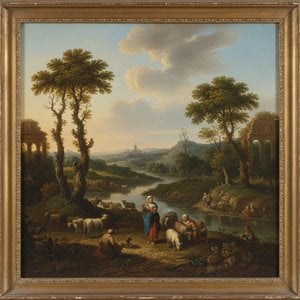
Italian Landscape
 Oil On Canvas
- WallArt
- Italianate Landscape
 31.0 x 40.0 cm
 Fitzwilliamin museo
 Näytä lisää
Giclée-printit ja taideprintit
Museolaatuisia giclée- tai kankaitaulun tulosteita nopealla tuotannolla ja joustavilla viimeistelyvaihtoehdoilla. ( Osta käsintehty maalaus Siirry digitaaliseen kuvaan)




P118B $10

P118H $10

P118W $10

P438Z $10

P508JH $12

P508YH $12

P805H $10

P805Z $10

P919BZ $10

P919G $10

P919XJ $10

P959ZH $10

P968JZ $12

W106C $8

W218G $10

W218JH $8

W218Y $10

W307PJ $10

W316G $10

W316PJ $8

W316Y $10

W398PJ $8

W4111J $10

W500HY $15

W500JH $15

W692G $12

W849H $8

W940BG $15

W953PJ $8




Valitse valmiista mitoistamme sellaiset, jotka vastaavat teoksen alkuperäisiä mittasuhteita.

Voit syöttää omat mitat sopiaksesi tiettyyn kehykseen tai tilaan. Jos valittu koko ei vastaa alkuperäisen kuvan mittasuhteita, rajaamme teosta tai laajennamme kuvaa peilatulla tai yhtenäisellä reunalla. Digitaalinen mallikuva lähetetään hyväksyttäväksi ennen tuotannon aloittamista.
Huomaathan, että näytöllä näkyvä esikatselu ei vastaa lopullista rajausta tai laajennusta. Vain mallikuva näyttää lopullisen sommittelun tarkasti.
Vaikka räätälöityjä kokoja on saatavilla, suosittelemme valitsemaan mitat valmiista listasta alkuperäisten mittasuhteiden säilyttämiseksi.
Toimitus maailmanlaajuisesti () kahdessa viikossa tavallisen 4–5 viikon sijaan. (11 syyskuu)

Ilmainen pikatoimitus ympäri maailman

Korkealaatuinen pellavakangas

Kattava kuljetusvakuutus

Tulliveron palautustakuu

Täydellinen värien vastaavuustakuu

100 päivän palautusoikeus (vain valmistusvirheet)

100% rahat takaisin -takuu

Määräalennus tarjous
 Lasivaihtoehto on saatavilla vain alle 110 cm kokoisina teoksina

Italian Landscape
Giclée-printit ja taideprintit
Replikaatin koko
-


Kokonaishinta
$ 62
A Glimpse of Italian Pastoral: Jan Asselijn’s “Italian Landscape”
Jan Asselijn's "Italian Landscape," painted circa 1625-1652, isn’t merely a depiction of a picturesque vista; it’s an invitation to step into a carefully constructed world of serene beauty and subtle drama. This oil on canvas transports the viewer to a hypothetical Italian landscape – a deliberate choice by Asselijn that speaks volumes about the evolving artistic sensibilities of the Dutch Golden Age. The painting, now housed in collections like Bonhams, exemplifies the influence of both the Venetian masters and the burgeoning tradition of “pure” landscape painting emerging from Italy itself.
Asselijn’s style is distinctly characterized by a meticulous attention to detail and a masterful command of atmospheric perspective. He leans heavily into the techniques pioneered by Bamboccio – a contemporary painter known for his evocative, almost dreamlike landscapes – creating an image that feels both familiar and subtly unsettling. The composition unfolds with deliberate grace: a modest, classically-inspired building anchors the left foreground, its geometric solidity providing a grounding element against the undulating hills and hazy distance. The artist skillfully employs a muted palette of browns, ochres, and blues, avoiding bright colors to emphasize the painting’s contemplative mood. This restrained approach allows the subtle shifts in tone – from the dark shadows cast by distant trees to the luminous highlights reflecting off water – to create a remarkably convincing sense of depth and atmosphere.
The Influence of Venetian Masters and Italianate Tradition
Asselijn's work is deeply rooted in the artistic currents flowing through Italy at the time. He was profoundly influenced by the Venetian landscape painters, particularly those who favored a looser, more atmospheric style than their predecessors. However, unlike many of his contemporaries who simply copied Italian scenes directly, Asselijn imbued them with a distinctly Dutch sensibility – a focus on light, texture, and a carefully considered composition. This blending of influences is evident in the painting’s balanced structure, its subtle use of color, and its overall sense of quiet contemplation.
Furthermore, “Italian Landscape” reflects the broader trend toward what became known as "Italianate landscape" within Dutch art circles. This style sought to emulate the idealized landscapes depicted by artists like Claude Lorrain, who had established a dominant visual language for representing Italian scenery in Northern Europe. Asselijn’s painting isn't a literal transcription of an Italian vista; rather, it’s a carefully constructed fantasy – a “imaginary Italian Landscape” as described in some historical sources – designed to evoke the spirit and beauty of Italy while adhering to Dutch artistic conventions.
Symbolism and Emotional Resonance
Beyond its technical merits, "Italian Landscape" is rich in symbolic meaning. The solitary building, often interpreted as a villa or farmhouse, suggests themes of rural life, tranquility, and perhaps even isolation. The distant mountains, shrouded in mist, evoke a sense of mystery and the sublime – a recognition of nature’s power and grandeur. The figures scattered across the foreground, riding horses and walking along the riverbank, add a touch of human presence to the scene, reminding us of our connection to the natural world.
The painting's overall effect is one of profound serenity and contemplative beauty. It invites the viewer to slow down, to appreciate the subtle details of the landscape, and to lose themselves in its timeless atmosphere. It’s a testament to Asselijn’s skill as an artist – his ability to capture not just the appearance of a scene but also its emotional essence.
A Reproduction for Today's Spaces
Reproductions of “Italian Landscape” offer a beautiful addition to any interior space. The painting’s calming colors and evocative imagery create a sense of tranquility and sophistication, making it ideal for living rooms, bedrooms, or studies. The detailed depiction of the landscape invites contemplation and provides a visual connection to the natural world – a welcome respite from the stresses of modern life. Consider framing this piece in a classic wooden frame to further enhance its timeless appeal.
Samankaltaisia teoksia


Taiteilijan elämäkerta
A Life Forged in Landscape: The World of Jan Asselijn
Born Jean Asselin around 1610 in Dieppe, France, Jan Asselijn’s life was marked by both artistic ambition and profound personal challenges. His family, Huguenots fleeing persecution, relocated to Amsterdam in 1621—a vibrant epicenter of commerce and burgeoning artistic innovation during the Dutch Golden Age—a move that irrevocably shaped his formative years. This relocation immediately immersed young Jean into an environment where landscape painting was undergoing a dramatic transformation, moving beyond mere representation toward depictions imbued with palpable atmosphere and emotional resonance. Initially apprenticed to Jan Martszen the Younger, Asselijn honed his skills in battle scenes before discovering his true vocation—capturing the sublime beauty of both natural vistas and animal life—a passion that would define his artistic trajectory throughout his career.Early Training & Influences: Shaping Artistic Vision
Asselijn’s formative years were characterized by exposure to influential artistic currents. His training under Jan Martszen instilled in him a meticulous attention to detail and a mastery of compositional techniques honed through depictions of military engagements—skills that would prove invaluable as he developed his own distinctive style. Crucially, however, it was his encounter with the Dutch light—the expansive skies and diffused illumination characteristic of the region—that fundamentally altered his artistic perspective. This influence is particularly evident in his early landscapes, where Asselijn skillfully employed chiaroscuro to convey depth and drama—a technique championed by Rembrandt van Rijn and perfected by Pieter van Laer (Bamboccio), whose paintings celebrated Roman peasant life and landscapes with remarkable sensitivity. These artists served as beacons of artistic excellence, guiding Asselijn’s stylistic evolution toward a more nuanced exploration of emotion and visual storytelling.The Italianate Embrace & The Bentvueghels
Like many ambitious Northern European painters of the era, Asselijn recognized the importance of refining his craft in Italy—a pilgrimage that commenced sometime after 1635. He joined the ranks of the *Bentvueghels*, a remarkable society of Dutch and Flemish artists operating in Rome—a collective distinguished by their unconventional behavior, satirical nicknames, and unwavering commitment to painting directly from observation—rejecting the conventions of studio work in favor of capturing the immediacy of experience. Within this spirited milieu, Asselijn earned the moniker “Krabbetje”—meaning “little crab”—due to a congenital deformity affecting his left hand—a physical impediment that nevertheless fueled his creative spirit and underscored the resilience of artistic determination. The Bentvueghels fostered an environment of intellectual debate and experimentation, encouraging artists to challenge established norms and embrace innovative approaches to representation. This period profoundly shaped Asselijn’s ability to convey emotion and psychological complexity within his canvases—a hallmark of his oeuvre.Notable Works & Artistic Style
Asselijn's artistic style is instantly recognizable for its luminous palette and masterful rendering of light—qualities that elevate his landscapes beyond mere visual spectacle into expressions of profound contemplation. His most celebrated masterpiece, The Threatened Swan (painted circa 1650), exemplifies this stylistic hallmark. More than just a depiction of avian defense against predation, the painting embodies a complex allegory of Dutch nationalism—a symbolic representation of resistance against external threats—reinforced by inscriptions added to the canvas by later owners: “Holland” on one egg and “Enemy of the state” beside the menacing dog. This ambitious undertaking demonstrates Asselijn’s capacity for conveying nuanced symbolism and engaging viewers in intellectual dialogue. Other significant works include Cavalry Charge at Sunset, showcasing his earlier training in battle scenes with dramatic flair; depictions of rural life like Drovers with Cattle under an Arch of the Colosseum—a testament to his engagement with Italianate artistic traditions; and The Breach of the Saint Anthony’s Dike near Amsterdam—a poignant portrayal of a national crisis reflecting the ever-present vulnerability of Dutch land reclamation.Legacy & Recognition
Jan Asselijn's influence extended far beyond his own prolific output, shaping the artistic sensibilities of subsequent generations. He was admired by contemporaries like Rembrandt van Rijn, who even created etchings documenting Asselijn’s artistic process—a gesture that subtly acknowledged the artist’s physical disability and underscored the triumph of creative spirit over adversity. Furthermore, Asselijn served as a mentor to Frederik de Moucheron—another prominent Dutch landscape painter whose work championed the Italianate style—solidifying his position as a pivotal figure within the Dutch Golden Age artistic canon. His enduring legacy resides not only in his stunning visual achievements but also in his unwavering commitment to artistic innovation and emotional depth—a testament to his profound contribution to European art history. Asselijn died prematurely in 1652, yet his paintings continue to captivate audiences worldwide with their beauty, drama, and subtle layers of meaning—ensuring that Jan Asselyn’s name remains etched in the annals of artistic greatness.
Jan Asselijn
1610 - 1652 , Ranska
Pikatiedot
- Artistic Movement Or Style: Italianate landscape
- Artists Or Movements Influenced By This Artist: ['Claude Lorraine']
- Artists Who Influenced This Artist:
- Esaias van de Velde
- Bamboccio
- Rembrandt
- Date Of Birth: 1610 Dieppe
- Date Of Death: 1652 Amsterdam
- Full Name: Jan Asselijn
- Nationality: Dutch
- Notable Artworks:
- The Threatened Swan
- Hangout in Italy
- Cavalry Charge at Sunset
- Place Of Birth: Dieppe France
Liittyvät artikkelit

Golden Light & Dutch Skies: Bringing the Magic of Dutch Golden Age Landscapes into Your Home
Transform your home with the breathtaking light of Dutch Golden Age landscapes. Discover how hand-painted oil reproductions of masterworks like Ruisdael and Vermeer bring timeless elegance, atmosphere, and soulful texture to modern interiors. Elevate your space with museum-quality art.

Jan Jansz Wijnants: A Study in Dutch Golden Age Still Life & Floral Transience
Explore the captivating world of Jan Wijnants and Dutch Golden Age still life painting. Discover symbolism, masterful techniques & lasting influence on floral art history. Learn more!

Hollantilaisen kultakauden 10 mestariteosta – Taidetta kotiisi ArtsDot.com
Uppoudu hollantilaisen kultakauden taiteen maailmaan! Tutustu Rembrandtin, Vermeerin ja muiden mestareiden ikonisiin maalauksiin. Löydä inspiraatiota kotiisi ArtsDot.com:ista – laadukkaat taidevedokset ja sisustustaulut jokaiseen tilaan. Explore the full collection online!
Nicolaes Berchem: Dutch Golden Age Pastoralism & the Evolution of Landscape Painting
Explore the captivating world of Nicolaes Berchem, a leading Dutch Golden Age painter. Discover his idyllic landscapes, masterful technique & lasting influence on art history. Learn more at ArtsDot.

Charles Leickert: Capturing the Dutch Golden Age Light – A Comprehensive Study of Technique, Context, and Legacy
Explore the captivating winter landscapes of Charles Leickert, a master of Dutch Golden Age light & atmosphere. Discover his techniques, symbolism, and lasting legacy – a comprehensive study for art enthusiasts and collectors.
