


 Katso seinällä
 Lähetä
 Jaa
Jaa
 Tarkemmat tiedot
 Opas
Opas

 Lataa kuva
 Samanlaisia kohteita
 Röntgenkuvaus
 Diaesitys
 Tilastot
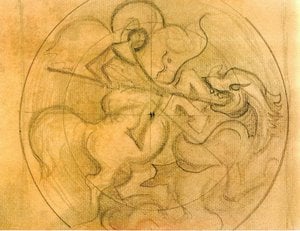
Untitled (976)
 Lue lisää
Giclée- ja taideprintit
Museolaatuisia giclée- tai kankaitaulun tulosteita nopealla tuotannolla ja joustavilla viimeistelyvaihtoehdoilla. ( Tilaa käsinmaalattu jäljennös Siirry digitaaliseen kuvaan)




































Valitse valmiista mitoistamme sellaiset, jotka vastaavat teoksen alkuperäisiä mittasuhteita.

Voit syöttää omat mitat sopiaksesi tiettyyn kehykseen tai tilaan. Jos valittu koko ei vastaa alkuperäisen kuvan mittasuhteita, rajaamme teosta tai laajennamme kuvaa peilatulla tai yhtenäisellä reunalla. Digitaalinen mallikuva lähetetään hyväksyttäväksi ennen tuotannon aloittamista.
Huomaathan, että näytöllä näkyvä esikatselu ei vastaa lopullista rajausta tai laajennusta. Vain mallikuva näyttää lopullisen sommittelun tarkasti.
Vaikka räätälöityjä kokoja on saatavilla, suosittelemme valitsemaan mitat valmiista listasta alkuperäisten mittasuhteiden säilyttämiseksi.
Maailmanlaajuinen toimitus () 2 viikossa tavallisen 4–5 viikon sijaan. (22 syyskuu)

Ilmainen pikatoimitus ympäri maailman

Korkealaatuinen pellavakangas

Kattava kuljetusvakuutus

Tulliveron palautustakuu

Takuu täydellisestä värien vastaavuudesta

100 päivän palautusoikeus valmistusvirhetapauksissa

100% rahat takaisin -takuu

Määräalennus saatavilla
 Lasivaihtoehto on saatavilla vain alle 110 cm kokoisille teoksille

Untitled (976)
Giclée- ja taideprintit
Replikaatin koko
-


Kokonaishinta
$ 62
Samankaltaisia teoksia


Taiteilijan elämäkerta
James Gleeson: Australian surrealismin arkkitehti
James Timothy Gleeson (1915–2008) ei ollut pelkkä taiteilija; hän oli maisemien kutsuja, painajaisien ja unien kutojan, ja kenties Australian ensimmäinen todellinen surrealisti. Nousemalla esiin sodanjälkeisestä taidekentästä Gleeson loi ainutlaatuisen vision – maailman, joka on upotettu alkukantaisiin ahdistuksiin ja kaikuu mytologian sekä psykoanalyysin ääniä – ja joka resonoi voimakkaasti vielä tänäkin päivänä. Hänen tuotantoaan ei ole helppo lokeroida; se on voimakas sekoitus australialaista identiteettiä, eurooppalaisia vaikutteita ja syvän henkilökohtaista symboliikkaa, joka on toteutettu rohkeilla, impasto-tekniikalla maalatuilla kankailla, jotka vaativat huomiota ja kutsuvat pohdiskeluun.
Hornsbyssä, New South Walesissa syntyneen Gleesonin varhaisvuosia leimasi syvä vieraantumisen tunne. Perheen hotellitoiminta tarjosi näkymän Australian yhteiskunnan pimeämpiin puoliin, kun taas hänen taiteelliset taipumuksensa saivat ravintoa kohtaamisista vaikutusvaltaisten henkilöiden, kuten May Marsdenin, kanssa, joka ohjasi hänet maalaamisen pariin keinona purkaa kasvavaa ahdistustaan. Tämä muovaava ajanjakso istutti häneen kieinnon alitajuntaan ja halun kohdata epämukavia totuuksia – teeman, josta tulisi keskeinen osa hänen koko tuotantoaan. Vaikka East Sydney Technical Collegen alkuopintoivat loivat perustan, todellisen kipinän hänen surrealistisille aisteilleen syventyminen Dalín, Massonin, Freudin ja Jungin teoksiin sytytti.
Vision synty
Gleesonin taiteellinen matka alkoi tietoisella hylkäämisellä perinteisen esittämisen tavoista. Eurooppalaisten surrealistien vaikutuksesta – erityisesti Dalín unimaailman tutkimusten ja Massonin orgaanisen abstraktion johdolla – hän pyrki ohittamaan visuaalisen havainnon rajoitteet tavoitellen sen sijaan alitajunnan raakaa energiaa. Hänen varhaiset teoksensa, kuten ”The Sower” (1944), viittasivat jo tähän kunnianhimoon esittäen vääristynyttä maisemaa, jota asuttivat arvoitukselliset hahmot kuin ne olisivat nousseet värien ja muotojen pyörteestä. Tämä merkitsi poikkeamaa perinteisestä australialaisesta taiteesta, joka keskittyi usein pastoraalisiin näkymiin ja idealisoituihin maisemiin; Gleeson oli piirtämässä täysin erilaista polkua.
Sodanjälkeinen aikakausi, sen fasismin ympärille kietoutunut ahdistus ja maailmanlaajuisen konfliktin uhka, muokkasivat syvästi hänen taiteellisia huolenaiheitaan. Hän kanavoi nämä pelot voimakkaaseen, apokalyptiseen kuvastoon – valtaviin, autioihin maisemiin, joita hallitsivat kohoavat kalliomuodostelmat, veden alla olevat hahmot ja häiritsevät rinnastukset. Nämä eivät olleet pelkkiä luontokuvauksia; ne olivat symbolisia esityksiä ihmiskunnan epävakaasta asemasta kaaottisessa maailmankaikkeudessa. Hänen työstään tuli visuaalinen meditaatio kuolevaisuudesta, olemassaolon hauraudesta ja alkukantaisten vaistojen kestävästä voimasta.
Symboliikan kieli
Gleesonin maalaukset ovat täynnä symboliikkaa, ammentaen mytologiasta, kansanperinteestä ja psykoanalyyttisesta teoriasta luodakseen kerroksellisia merkityksiä. Toistuva miespuolisen alastomuuden motiivi – usein esitettynä yksinäisenä hahmona, joka nousee myrskyisistä vesistä tai murenevista raunioista – edustaa haavoittuvuutta, kuolevaisuutta ja kamppailua itsetietoisuuden puolesta. Okran sävyjen käyttö – joka tuo mieleen Australian takamaaston – luo tunteen sekä tuttuudesta että vieraantumisesta, ankkuroiden hänen surrealistiset visionsa kotimaansa maisemaan samalla kun se herättää ajattoman, lähes raamatullisen laadun.
Hänen myöhemmät teoksensa, erityisesti ”Ubu”-diptyytit (1970-luku), ilmentävät tätä symbolista kieltä. Nämä monumentaaliset kankaat esittävät vedenalaisia hahmoja ja rappeutuvia rakenteita, vihjaten sivilisaation romahdukseen ja vääjäämättömään paluuseen alkukantaiseen kaaokseen. Silti tuhon keskellä on outoa kauneutta – jälleenrakennuksen ja kestävyyden tunnetta – joka puhuu ihmisen kyvystä selviytyä ja uudistua.
Perintö ja tunnustus
James Gleesonin vaikutus australialaiseen taiteeseen on kiistaton. Hän oli uranuurtaja surrealismin vakiinnuttamisessa elinvoimaiseksi taidesuuntaukseksi maassa, haastaen perinteiset käsitykset kauneudesta ja esittämisestä. Hänen teoksiaan jatketaan tutkia ja ihailla sen emotionaalisen intensiteetin, symbolisen syvyyden ja ainutlaatuisen visuaalisen kielen vuoksi.
Vuonna 2004 Australian kansallinen galleria järjesti kattavan retrospektiivisen näyttelyn ”Beyond the Screen of Sight”, joka vakiinnutti hänen paikkansa yhtenä Australian tärkeimmistä taiteilijoista. Näyttely herätti merkittävää yleisöhuomiota ja korosti hänen työnsä ajankohtaisuutta. Hänen perintönsä ulottuu pidemmälle kuin vain maalauksiin; hän oli myös arvostettu taidekriitikko, luennoitsija, kuraattori ja kirjailija, joka vaikutti merkittävästi Australian taidehistorian kehitykseen. Hänen kokoelmansa lahjoitettiin Australian kansalliselle gallerialle vuonna 2007, varmistaen, että hänen visionääriset teoksensa jatkavat inspiroimista taiteilijoiden ja katsojien sukupolvien yli.
Jälkikautinen vaikutus
James Gleesonin maalaukset eivät ole pelkkiä kauniita kuvia; ne ovat syvällisiä lausuntoja ihmisyyden tilasta. Ne kohtaavat meidät pelkojemme, ahdistustemme ja kuolevaisuutemme kanssa, tarjoten samalla välähdyksen alitajunnan piilotettuihin syvyyksiin. Hänen työnsä säilyy voimakkaana todistuksena taiteen kyvystä haastaa, provosoida ja lopulta valaista olemassaolon mysteereitä.

James Gleeson
1915 - 2008 , Australia
Tietoa taiteilijasta
- Kansalaisuus: australialainen
- Koko Nimi: James Timothy Gleeson
- Kuolinaika: 20. lokakuuta 2008
- Merkittäviä Teoksia:
- Nimetön (530)
- Nimetön (723)
- Nimetön (973)
- Syntymäaika: 21. marraskuuta 1915
- Syntymäpaikka: Sydney, Australia
- Taiteellinen Suuntaus Tai Tyyli: Surrealismi
- Taiteilijat, Jotka Vaikuttivat Tähän Taiteilijaan:
- Salvador Dalí
- Max Ernst
- Sigmund Freud
- Carl Jung
- Tätä Taiteilijaa Vaikuttaneet Taiteilijat Tai Liikkeet:
- Robert Klippel
- Australian surrealismi