

 Esikatselu
 Jaa teos
 Jaa
Jaa
 Tiedot
 Opas
Opas

 Lataa kuva
 Samanlaisia kohteita
 Röntgenkuvaus
 Diaesitys
 Kysymykset ja vastaukset
 Tilastot
Epigrafi e Statue


 Lue lisää
Giclée- ja taideprintit
Museolaatuisia giclée- tai kankaitaulun tulosteita nopealla tuotannolla ja joustavilla viimeistelyvaihtoehdoilla. ( Osta käsinmaalattu taideteos Siirry digitaaliseen kuvaan)




P118B €10

P118H €10

P118W €10

P438Z €10

P508JH €12

P508YH €12

P805H €10

P805Z €10

P919BZ €10

P919G €10

P919XJ €10

P959ZH €10

P968JZ €12

W106C €8

W218G €10

W218JH €8

W218Y €10

W307PJ €10

W316G €10

W316PJ €8

W316Y €10

W398PJ €8

W4111J €10

W500HY €15

W500JH €15

W692G €12

W849H €8

W940BG €15

W953PJ €8




Valitse valmiista mitoistamme sellaiset, jotka vastaavat teoksen alkuperäisiä mittasuhteita.

Syötä tarvitsemasi leveys ja korkeus, jotta tuloste sopii kehyksiisi tai seinällesi. Tulostetta voidaan vain leikata, sitä ei voida koskaan suurentaa alkuperäistä kuvaa suuremmaksi, joten eri muotoinen koko aiheuttaa osan kuvasta katoamisen. Lähetämme sinulle digitaalisen mallikuvan hyväksyttäväksi ennen kuin aloitamme tulostuksen. Tällä sivulla näkyvä kuva ei näytä lopullista rajausta — vain mallikuva näyttää sen.
Maailmanlaajuinen toimitus () 2 viikossa tavallisen 4–5 viikon sijaan. (4 marraskuu)

Ilmainen pikatoimitus ympäri maailman

Korkealaatuinen pellavakangas

Kattava kuljetusvakuutus

Tulliveron palautustakuu

Takuu täydellisestä värien vastaavuudesta

100 päivän palautusoikeus (vain valmistusvirheet)

100% rahat takaisin -takuu

Määräalennus tarjolla
 Lasivaihtoehto on saatavilla vain alle 110 cm kokoisille teoksille

Epigrafi e Statue
Giclée- ja taideprintit
Replikaatin koko
-


Kokonaishinta
€ 56
Echoes of Antiquity: A Study in Renaissance Form
To gaze upon this preparatory drawing by Jacopo Bellini is to step directly into the vibrant, intellectual crucible of the early Italian Renaissance. It is not merely an image; it is a blueprint of genius—a tangible record of an artist wrestling with the monumental weight and exquisite potential of classical antiquity. Rendered in the delicate interplay of charcoal and ink upon aged paper, the composition presents three distinct sculptural visions: two majestic equestrian figures poised atop grand pedestals, alongside a solitary, standing form. The very air around these sketches seems charged with the ambition of creation, capturing Bellini’s profound dedication to mastering both the human figure and the architectural setting that frames it.
The Mastery of Line and Shadow
Technically, this piece is a masterclass in preparatory drawing. Bellini utilizes line not just to outline, but to construct volume. The charcoal lends a wonderfully tactile, almost dusty texture to the surface, suggesting the grit of the sculptor's workshop, while the sharp precision of the ink defines the architectural vocabulary—the clean lines of the plinths, the graceful curves of implied arches, and the musculature beneath drapery. Observe how light is suggested through meticulous shading; it falls across the imagined bronze or marble surfaces, giving these static drawings a startling sense of three-dimensional presence. This commitment to linear perspective ensures that every element, from the base to the crowning figure, feels anchored in believable space.
Symbolism and the Weight of Empire
The subject matter speaks volumes about the cultural currents of 15th-century Venice. The inclusion of equestrian statues immediately evokes themes of power, authority, and imperial patronage—the enduring legacy of Roman emperors whose forms Bellini so reverently studied. These figures are more than mere decoration; they are symbolic anchors connecting the burgeoning humanism of the Renaissance with the perceived glory of Rome. Furthermore, the accompanying inscriptions, though faded, serve as mnemonic devices, naming and titling these idealized subjects, grounding the artistic fantasy in historical narrative.
A Touch for the Modern Collector
For the discerning collector or designer whose aesthetic appreciates history imbued with intellectual rigor, this drawing offers unparalleled depth. It speaks to a time when art was inseparable from philosophy and engineering. Owning a reproduction of Bellini’s studies is not simply acquiring artwork; it is curating an atmosphere of scholarly elegance. Imagine this piece lending its quiet authority to a study or gallery—a constant, beautiful reminder that the greatest masterpieces begin with the most thoughtful sketch.
Kysymykset ja vastaukset
Miltä aikakaudelta Jacopo Bellini:n "Epigrafi e Statue" on peräisin?
"Epigrafi e Statue" kuuluu Renaissance aikakauteen.
Kuinka paljon valoa "Epigrafi e Statue" värit näyttävät heijastavan?
Teoksen "Epigrafi e Statue" värit heijastavat Bright Balance luminanssia.
Mitä tunnelmaa ja tunnetta Jacopo Bellini:n "Epigrafi e Statue" välittää?
Teoksessa "Epigrafi e Statue" Calm-tunnelma kohtaa Reflective-tunteen.
Samankaltaisia teoksia


Taiteilijan elämäkerta
Renessanssin perspektiivin venetsialainen uranuurtaja
Jacopo Bellini seisoo keskeisenä hahmona kukoistavassa renessanssin maalaustyylissä, joka levittäytyi Venetsiaan ja Pohjois-Italiaan. Hän ei ollut pelkkä taiteilija; hän oli yksi aikakautensa perustavanlaatuisista uudistajista, joka muovasi taiteellista herkkyyttä tarkkaavaisella luonnon havainnoinnillaan ja lineaarisesta perspektiivistä taitavalla hyödyntämisellään – tekniikalla, joka oli aiemmin ollut lähes poissa venetsialaisesta perinteestä. Vaikka Bellinin alkuperäisistä maalauksista on säilynyt nykypäivään vain vähän nähtäväksi niiden täydessä loistossaan, hänen syvä perintönsä elää ensisijaisesti hänen upeissa luonnoskirjoissaan, kuten niissä, jotka kuuluvat British Museumin ja Louvren kokoelmiin. Nämä piirrokset paljastavat syvän ihailun avartavia maisemanäkymiä ja monimutkaisia arkkitehtonisia rakenteita kohtaan, tarjoten korvaamattoman ikkunan taiteelliseen prosessiin, joka ennakoitua seuraavien vuosisatojen tyylillisiä vallankumouksia.
Jacopo syntyi Venetsiaan noin vuonna 1396, ja hänen muovautumisensa aikana maailma oli vielä vahvasti kiinni myöhäisgotiikan rikkaissa ja koristeellisissa perinteissä. Hänen varhaisen koulutuksensa viittaa siihen, että hän oli kuuluisan Gentile da Fabrianon oppilas, taiteilijan, jonka työpaja tuotti aikansa kunnianhimoisimpia ja koristeellisimpia freskoja. Tämä arvostettu yhteys istutti Belliniin varmasti elinikäisen arvostuksen monimutkaista yksityiskohtaa, väriharmoniaa ja tiettyä koristelua kohtaan. Hänen uransa alkuvaiheessa hän oli toiminnassa Folignossa vuosien 1411 ja 1412 välillä, missä hän teki yhteistyötä Palazzo Trincin monumentaalisten freskojen parissa työskennellen juuri niiden mestareiden rinnalla, jotka määrittivät kansainvälisen gotiikan tyylin.
Matka renessanssin sydämeen
Merkittävä käännekohta koitti, kun Bellini matkusti Firenzeen noin vuonna 1423. Tämä matka asetti hänet taiteellisen kokeilun intensiivisen aikakauden keskipisteeseen, jota johtivat suuruudet kuten Brunelleschi, Donatello ja Masaccio. Firencessa hän kohtasi nousevan lineaarisen perspektiivin tieteen, löydön, joka muuttaisi perustavanlaatuisesti hänen lähestymistapaansa tilaan ja syvyyteen. Yhdistämällä venetsialaisen juurensa lyyrisen ja koristeellisen eleganssin florentilaisten uudistajien rakenteelliseen tarkkuuteen ja tilalliseen selkeyteen, Bellini alkoi luoda ainutlaatuista visuaalista kieltä. Tämä synteesi mahdollisti siirtymisen keskiajan litteistä, symbolisista tasoista kohti maailman immersiivisempää, ikkunamaista esittämistapaa.
Uran edetessä Bellinistä tuli keskeinen hahmo suvun dynastian perustamisessa, joka hallitsisi venetsialaista taidetta sukupolvien ajan. Hänen vaikutuksensa ei ollut ainoastaan henkilökohtaista vaan myös pedagogista, kun hän siirsi innovaationsa pojilleen, Gentilelle ja Giovannille. Heidän kauttaan valon, maiseman ja perspektiivin kokeilujen siemenet kukkivat korkearenessanssin loistoon, joka liitetään Bellinin nimeen. Hänen työnsä toimi siltana menneisyyden ornamentaalisien perinteiden ja tulevaisuuden humanistisen realismin välillä, tehden hänestä korvaamattoman lenkin italialaisen taiteen evoluutiossa.
Perintö ja historiallinen merkitys
Jacopo Bellinin historiallinen merkitys piilee hänen roolissaan muutoksen katalyyttinä. Vaikka suuri osa hänen tuotannostaan on säilynyt vain intiimin musteen ja kynän välineenä, nuo luonnokset toimivat venetsialaisen renessanssin suunnitelmana. Hänen kykynsä kuvitella monimutkaisia, kerroksellisia maisemia ja matemaattisesti johdonmukaisia arkkitehtuureja loi pohjan hänen seuraajilleen tutkia Venetsian laguunin tunnelmallista kauneutta. Bellinin tutkiminen on todistus siitä hetkestä, jolloin taiteilijan silmä alkoi todella hallita syvyyden illuusiota, muuttaen pysyvästi sitä, miten ihmiskunta kokee maalatun maailman.

Jacopo Bellini
1396 - 1470 , Italia
Pähkinänkuoressa
- Artistic Movement Or Style: Renessanssi
- Artists Or Movements Influenced By This Artist: ['Masaccio']
- Artists Who Influenced This Artist: ['Gentile da Fabriano']
- Date Of Birth: Venetsia, Italia (1396)
- Date Of Death: n. 1470
- Full Name: Jacopo Bellini
- Nationality: italialainen
- Notable Artworks:
- Ristinnaulitseminen Veronan katedraalissa
- Madonna ja lapsi
- Place Of Birth: Venetsia
Aiheeseen liittyvät artikkelit

10 legendaarista pronssiveistosta, jotka mullistivat taiteen – ArtsDot.com
Tutustu 10 legendaariseen pronssiveistokseen, jotka ovat muuttaneet taiteen historiaa! Rodinista Michelangeloon – opi mestareiden tarinat ja löydä täydellinen taideteos kotiisi ArtsDot.com:ssa. Laadukkaat jäljennökset & sisustusideat.

The Enduring Form: Exploring Themes & Techniques in Sculpture Across Historical Periods
Explore the rich history of sculpture from ancient masterpieces to contemporary innovations. Discover key techniques, influential artists & investment potential for discerning art collectors.
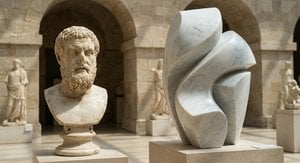
The Enduring Allure of Marble in Art History: From Classical Sculpture to Modern Abstraction
Explore the captivating history of marble sculpture from ancient Greece to modern art. Discover renowned artists like Canova & Michelangelo, carving techniques, and investment insights at ArtsDot.

10 legendaarista pronssiveistosta, jotka mullistivat taiteen – ArtsDot.com
Tutustu 10 legendaariseen pronssiveistokseen, jotka ovat muokanneet taiteen historiaa! Michelangelo, Rodin ja muut mestarit. Löydä inspiraatiota sisustukseesi ja tutki upeita taideteoksia ArtsDot.com-sivustolta.

Jacopo Tintoretton 25 mestariteosta: Draamaa ja valoa taidekokoelmassasi
Tutustu Jacopo Tintoretton 25 upeimpaan mestariteokseen! Uppoudu venetsialaisen renessanssin dramaattiseen maailmaan ja löydä taiteen historiaa. Laadukkaat taideprintit sisustukseesi ArtsDot.comissa.

