


 Katso seinällä
 Lähetä
 Jaa
Jaa
 Tarkemmat tiedot
 Opas
Opas

 Lataa kuva
 Samanlaisia kohteita
 Röntgenkuvaus
 Diaesitys
 Tilastot
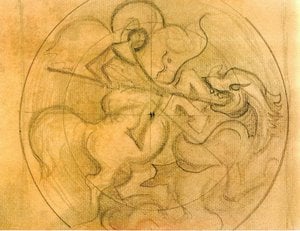
Hercules Retrieving Cerberus From The Underworld
 Lue lisää
Giclée- ja taideprintit
Museolaatuisia giclée- tai kankaitaulun tulosteita nopealla tuotannolla ja joustavilla viimeistelyvaihtoehdoilla. ( Tilaa käsinmaalattu jäljennös Siirry digitaaliseen kuvaan)




































Valitse valmiista mitoistamme sellaiset, jotka vastaavat teoksen alkuperäisiä mittasuhteita.

Voit syöttää omat mitat sopiaksesi tiettyyn kehykseen tai tilaan. Jos valittu koko ei vastaa alkuperäisen kuvan mittasuhteita, rajaamme teosta tai laajennamme kuvaa peilatulla tai yhtenäisellä reunalla. Digitaalinen mallikuva lähetetään hyväksyttäväksi ennen tuotannon aloittamista.
Huomaathan, että näytöllä näkyvä esikatselu ei vastaa lopullista rajausta tai laajennusta. Vain mallikuva näyttää lopullisen sommittelun tarkasti.
Vaikka räätälöityjä kokoja on saatavilla, suosittelemme valitsemaan mitat valmiista listasta alkuperäisten mittasuhteiden säilyttämiseksi.
Maailmanlaajuinen toimitus () 2 viikossa tavallisen 4–5 viikon sijaan. (26 syyskuu)

Ilmainen pikatoimitus ympäri maailman

Korkealaatuinen pellavakangas

Kattava kuljetusvakuutus

Tulliveron palautustakuu

Takuu täydellisestä värien vastaavuudesta

100 päivän palautusoikeus valmistusvirhetapauksissa

100% rahat takaisin -takuu

Määräalennus saatavilla
 Lasivaihtoehto on saatavilla vain alle 110 cm kokoisille teoksille

Hercules Retrieving Cerberus From The Underworld
Giclée- ja taideprintit
Replikaatin koko
-


Kokonaishinta
$ 62
Samankaltaisia teoksia



Taiteilijan elämäkerta
Jacob van Campen: Life and Legacy
Early Life and Background
Jacob van Campen was born in Haarlem, Netherlands, in 1596. He came from a relatively prosperous background, inheriting the estate of Randenbroek near Amersfoort from his mother. He significantly expanded and embellished this estate, later commissioning Caesar van Everdingen to decorate it. Van Campen never married but had one son, Alexander van Campen.
Artistic Development and Influences
Van Campen was a selective artist, carefully choosing his projects. His artistic development saw him move towards a distinctive style blending architectural precision with Baroque dynamism. He was notably influenced by Paulus Bor, one of the founders of the Bentvueghels – a group of Dutch painters known for their unconventional and often satirical work. This influence is visible in some similarities between Van Campen’s paintings and wall decorations, such as those at Paleis Huis ten Bosch.
Architectural Achievements
Van Campen's primary legacy lies in his architectural contributions. He designed numerous churches, including those at Renswoude and Hooge Zwaluwe, and the Nieuwe Kerk in Haarlem. The Nieuwe Kerk’s design was so significant that Pieter Saenredam created three paintings and eight engravings documenting it. Beyond churches, he also designed gates and towers for prominent Amsterdam landmarks like the Westerkerk and Nieuwe Kerk.
- Mauritshuis: Perhaps his most famous work, this palace in The Hague now houses a renowned collection of Dutch Golden Age paintings.
- Amsterdam's Royal Palace: Van Campen played a key role in the design of this iconic building, originally conceived as Amsterdam’s Town Hall.
Painting and Decorative Work
While primarily known as an architect, Van Campen was also a skilled painter. He created notable still life paintings, often featuring intricate arrangements of objects symbolizing mortality and the passage of time. His wall decorations, particularly at Paleis Huis ten Bosch, demonstrate his ability to integrate painting with architectural space.
- Still Life Themes: Van Campen’s still lifes frequently included books, musical instruments, scientific instruments (like celestial globes), and symbolic objects like skulls and owls.
Historical Significance
Jacob van Campen was a pivotal figure in introducing Classicism to Dutch Baroque design. He bridged the gap between earlier Renaissance influences and the evolving artistic sensibilities of the 17th century. His architectural designs helped shape the urban landscape of the Netherlands, and his work continues to be admired for its elegance, precision, and innovative use of space. He died in 1657 and was buried at Randenbroek, the estate he so carefully cultivated.

Jacob van Campen
1596 - 1657 , Netherlands
Tietoa taiteilijasta
- Birth Date: 1596
- Birth Place: Haarlem, Netherlands
- Death Date: 1657
- Influenced: Pieter Saenredam
- Influenced By: Paulus Bor
- Movement: Dutch Golden Age, Dutch Classicism, Baroque
- Name: Jacob van Campen
- Nationality: Dutch
- Notable Works: Mauritshuis, Amsterdam's Royal Palace, Nieuwe Kerk (Haarlem)