


 Esikatselu
 Jaa
Jaa Jaa
Jaa
 Tarkemmat tiedot

 Lataa
Lataa
 Samanlaisia
 Röntgenkuva
 Diaesitys
Oil Study

 Näytä lisää
Käsinmaalattu öljykopio
Käsinmaalattu öljyväri kankaalle haluamassasi koossa ja kehyksissä, taiteilijoidemme valmistamana tilauksesta. ( Osta printti Osta kuva)




































Valitse valmiista mitoistamme sellaiset, jotka vastaavat teoksen alkuperäisiä mittasuhteita.

Voit syöttää omat mitat sopimaan tiettyyn kehykseen tai tilaan. Jos valitsemasi koko ei vastaa alkuperäisen kuvan mittasuhteita, rajaamme taideteoksen tai jatkamme maalausta käsin maalatuilla elementeillä. Digitaalinen esikatselu lähetetään hyväksyttäväksi ennen tuotannon aloittamista.
Huomioithan, että näytöllä oleva esikatselu ei vastaa todellista rajausta tai jatkamista. Vain digitaalinen mallikuva näyttää lopullisen sommittelun tarkasti.
Vaikka mittatilaustyöt ovat mahdollisia, suosittelemme valitsemaan mitan ennalta määritetystä listasta alkuperäisten mittasuhteiden säilyttämiseksi.
Tilauksen jälkeen ArtsDot.com -tiimi lähettää asiakkaalle ohjeet ja esikatselukuvan.
Maailmanlaajuinen toimitus () 3–4 viikossa tavallisen 5 viikon sijaan. (17 elokuu). Laadusta ei tingitä.

Ilmainen pikatoimitus ympäri maailman

Korkealaatuinen pellavakangas

Kattava kuljetusvakuutus

Tulliveron palautustakuu

Täydellinen värien vastaavuustakuu

60 päivän palautusoikeus (vain valmistusvirheet)

100% rahat takaisin -takuu

Määräalennus tarjous
 Lasivaihtoehto on saatavilla vain alle 110 cm kokoisina teoksina

Oil Study
Reproduktiotekniikka
Replikaatin koko
-


Kokonaishinta
$ 288
Samankaltaisia teoksia


Taiteilijan elämäkerta
Elämää täynnä myyttejä ja kauneutta
Herbert James Draper, nimi, joka kantaa mukanaan viktoriaanisen ja edvardiaanisen taiteen kaiun, syntyi Lontoossa vuonna 1863 – kaupunkiin, joka oli täynnä sekä teollista edistystä että klassisten ihanteiden kiihkeää elpymistä. Hedelmäkauppiaan poikana hänen polkunsa kääntyi kaupankäynnistä kohti esteettisen ilmaisun maailmaa. Vaikka Bruce Castle Schoolin varhaiskoulutus loi perustan, Draperin taiteellinen kohtalo alkoi hahmottua vasta Royal Academy Schoolsin pyhissä saleissa. Hän osoitti välitöntä lahjakkuutta ja kunnianhimoa, ominaisuuksia, jotka huomioitiin vuonna 1889, kun hän saavutti sekä arvostetun Royal Academyn kultamitalin että matkaopiskelijastipendin. Tämä korvaamaton mahdollisuus vei hänet muovaaville matkoille Roomaan ja Pariisiin vuosien 1888 ja 1892 välillä, kokemuksille, jotka muokkasivat pysyvästi hänen taiteellista herkkyyttään. Nämä Euroopan oleskelut eivät olleet pelkkiä maantieteellisiä siirtymiä; ne olivat uppoutumisia klassisen perinteen sydämeen, mikä ruokki arvostusta idealisoidulle muodolle ja sulavalle sommittelulle, joista tulisi hänen tyylinsä tavaramerkkejä.Neoklassisen vision nousu
Draperin taiteellinen kypsyys kukoisti vuoden 1894 tienoilla, mikä merkitsi selkeää painopisteen siirtymistä kohti muinaisten kreikkalaisten tarujen rikkaaseen kudokseen pohjautuvia mytologisia kertomuksia. Hän ei ainoastaan kuvittanut myyttejä, vaan hän uudeksi tulkitsi niitä omaperäisen, henkilökohtaisen linssin läpi. Hänen tyyliään luokitellaan usein neoklassiseksi, ja täysin perustellusti – klassisen taiteen ja kuvanveiston syvä kunnioitus läpäisee hänen teoksensa. Silti hänet olisi liian yksinkertaista leimata pelkäksi klassisistiksi. Draper yhdisteli taitavasti estetiikan liikkeen elementtejä, asettaen kauneuden ja sensuaalisen vetovoiman etusijalle hienovaraisella otteella. Tämä fuusio loi ainutlaatesta estetiikkaa, joka vangitsi yleisön hänen elinaikanaan. Vuonna 1898 valmistunut Ikaroksen suru (The Lament for Icarus) seisoo tämän kasvavan lahjakkuuden todistuksena. Maalaus saavutti suurta tunnustusta, huipentuen kultamitaliin Pariisin maailmannäyttelyssä vuonna 1900 ja myöhempään hankintaan Tate Galleryyn. Tämä menestys vakiinnutti hänen maineensa ja merkitsi merkittävän taiteellisen äänen saapumista. Muita tämän aikakauden huomionarvoisia teoksia ovat Odysseus ja sirensit (Ulysses and the Sirens, 1909), Kelpie (The Kelpie, 1903) ja Ariadne, joista jokainen osoittaa hänen mestaruutensa muodossa, sommittelussa ja puhuttelevassa tarinankerronnassa. Kankaan ulkopuolella Draper antoi lahjojaan myös koristeprojekteihin, osallistuen merkittävästi Drapers' Hallin kattokoristeluun Lontoossa, mikä osoitti hänen monipuolisuutensa taiteilijana.Sensuaalisuuden ja myyttisen viehätyksen teemat
Toistuva motiivi Draperin tuotannossa on naishahmojen kuvaus – hahmot, jotka ilmentävät usein sekä kauneutta että hienovaraista vaaran tuntua. Hänen naisensa eivät ole pelkkiä passiivisia kohteita; heillä on vangitseva viehätysvoima, joka joskus rajoittuu petolliseen, kuten nähdään teoksissa kuten Aamun portit (The Gates of Dawn, 1899) ja Vesiniiti (The Water Nixie, 1908). Nämä maalaukset tutkivat kiusausta, halua ja mytologisissa kohtaamisissa vallitsevia valtasuhteita. Hän ei pelännyt täyttää hahmojaan sensuaalisuudella, joka oli yhtä aikaa ylistettyä ja hieman levotonta, heijastaen viktoriaanisen ja edvardiaanisen ajan monimutkaisia asenteita naisellisuuteen. Draperin kyky vangita muodon sulavuus ja ihon hehku vaikutti merkittävästi näiden teosten lumoavaan laatuun. Hänen tekniikkaansa kuului äärimmäinen tarkkuus yksityiskohassa, luoden pintoja, jotka tuntuvat väreilevän elämää.Tunnustus, murros ja perintö
Draper nautti huomattavaa mainetta elinaikanaan, näyttäen säännöllisesti teoksiaan Royal Academyssa vuodesta 1890 alkaen ja tullen halutuksi muotokuvamaalariksi Lontoon eliitin keskuudessa. Tästä menestyksestä huolimatta hän ei koskaan saavuttanut jäsenyyttä tai sidosjäsenyyttä Royal Academyssa – mikä on erikoinen puute ottaen huomioon hänen lahjakkuutensa ja suosionsa. Kun taiteellinen maku kehittyi 1900-luvun alussa ja mytologiset kohtaukset menettivät hieman suosiotaan, Draper siirsi painopistettään vähitellen muotokuvaukseen sopeutuen taidemarkkinoiden muuttuviin vaatimuksiin. Hän kuoli vuonna 1920, 56-vuotiaana, ateroskleroosiin, jättäen jälkeensä teoskokonaisuuden, joka koki aikoja sekä riemukkaasta tunnustuksesta että suhteellisesta unohduksesta. Viime vuosina Draperin maalausten kiinnostus on kuitenkin elpymässä huomattavasti. Merenneidon (The Sea Maiden) myynti vuonna 2010 herätti keskustelua taideteosten myynnin etiikasta taloudellisten vaikeuksien ratkaisemiseksi, mutta toi samalla uudistunutta huomiota hänen taiteellisille saavutuksilleen. Simon Tollin kattava tutkimus säilyy hänen työnsä lopullisena modernina analyysina tarjoten arvokkaan luettelon hänen piirroksistaan ja maalauksistaan. Draperin perintö piilee hänen ainutlaatuisessa kyvyssään yhdistää klassiset vaikutteet viktoriaanisiin aistimuksiin, luoden teoksia, jotka ovat sekä esteettisesti miellyttäviä että syvästi myyttisiä. Hänen panoksensa brittiläiseen taiteeseen merkittävän muutoksen aikana ansaitsee jatkuvaa tunnustusta ja arvostusta.Pysyvä vaikutus
- Vaikutteet: Klassinen kuvanveisto, estetiikan liike, kreikkalainen mytologia.
- Keskeiset piirteet: Neoklassinen tyyli, idealisoidut muodot, sulavat sommittelut, naishahmojen sensuaalinen kuvaus, mytologiset teemat.
- Tärkeimmät teokset: Ikaroksen suru, Odysseus ja sirensit, Kelpie, Ariadne, Aamun portit, Vesiniiti.
- Historiallinen merkitys: Merkittävä hahmo brittiläisessä taiteessa viktoriaanisella ja edvardiaanisella kaudella, silta klassisen perinteen ja modernien aistimusten välillä. Hänen työnsä heijastaa aikansa kulttuurisia huolia ja esteettisiä mieltymyksiä.

Herbert James Draper
1863 - 1920 , Iso Britannia
Pikatiedot
- Artistic Movement Or Style: Neoklassismi
- Date Of Birth: November 26, 1863
- Date Of Death: September 22, 1920
- Full Name: Herbert James Draper
- Nationality: Englanti
- Notable Artworks:
- Lament for Icarus
- Ulysses & Sirens
- The Kelpie
- Place Of Birth: London, UK
Liittyvät artikkelit

Sir Alfred James Munningsin 25 mestariteosta: Hevosmaalausten lumo ja brittiläinen maalaisidylli
Tutustu Sir Alfred James Munningsin 25 lumoavinta mestariteosta! Uppoudu brittiläisen maalaisidyllin ja hevosmaalausten maailmaan. Löydä inspiraatiota kotiisi ArtsDot.com:ista – taideprintit museolaadulla.
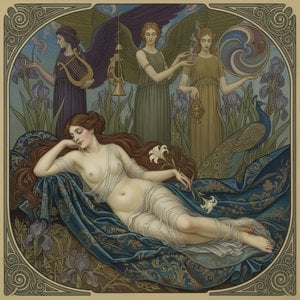
Herbert James Draper: Symbolism, Sensuality & the Aesthetic Movement
Explore the captivating world of Herbert James Draper, a master of Victorian Neoclassical painting. Discover his sensual mythological scenes, symbolic depth & influence on the Aesthetic Movement. Learn more at ArtsDot.

James Abbott McNeill Whistlerin 25 mestariteosta: Taidetta ja sisustusta ArtsDot.comissa
Tutustu James Abbott McNeill Whistlerin 25 vaikuttavinta mestariteosta! Uppoudu amerikkalaisen impressionismin maailmaan, tunnelmallisiin nocturneihin ja upeisiin muotokuviin. Löydä inspiraatiota sisustukseen ArtsDot.comista – taidekopiot museolaadulla. Explore the full collection online!

The Enduring Legacy of Oil on Canvas: Technique, History & Aesthetic Impact
Explore the rich history & techniques of oil painting – from Renaissance masters to Impressionism. Discover pigments, layering methods, and why this timeless medium endures. Expert insights for artists & art enthusiasts.

Oil on Canvas: A Historical & Technical Exploration of a Timeless Artistic Medium
Explore the rich history & enduring techniques of oil painting on canvas. Discover the science behind its longevity, conservation practices, and contemporary relevance. Expert insights for art enthusiasts.

