


 Esikatselu
 Jaa
Jaa Jaa
Jaa
 Tarkemmat tiedot

 Lataa
Lataa
 Samanlaisia
 Röntgenkuva
 Diaesitys
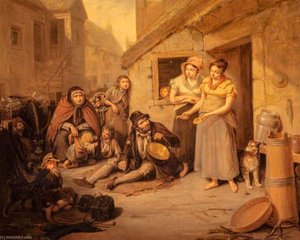
Kermisgasten

 Näytä lisää
Giclée-printit ja taideprintit
Museolaatuisia giclée- tai kankaitaulun tulosteita nopealla tuotannolla ja joustavilla viimeistelyvaihtoehdoilla. ( Osta käsintehty maalaus Osta kuva)




































Valitse valmiista mitoistamme sellaiset, jotka vastaavat teoksen alkuperäisiä mittasuhteita.

Voit syöttää omat mitat sopiaksesi tiettyyn kehykseen tai tilaan. Jos valittu koko ei vastaa alkuperäisen kuvan mittasuhteita, rajaamme teosta tai laajennamme kuvaa peilatulla tai yhtenäisellä reunalla. Digitaalinen mallikuva lähetetään hyväksyttäväksi ennen tuotannon aloittamista.
Huomaathan, että näytöllä näkyvä esikatselu ei vastaa lopullista rajausta tai laajennusta. Vain mallikuva näyttää lopullisen sommittelun tarkasti.
Vaikka räätälöityjä kokoja on saatavilla, suosittelemme valitsemaan mitat valmiista listasta alkuperäisten mittasuhteiden säilyttämiseksi.
Toimitus maailmanlaajuisesti () kahdessa viikossa tavallisen 4–5 viikon sijaan. (7 syyskuu)

Ilmainen pikatoimitus ympäri maailman

Korkealaatuinen pellavakangas

Kattava kuljetusvakuutus

Tulliveron palautustakuu

Täydellinen värien vastaavuustakuu

100 päivän palautusoikeus (vain valmistusvirheet)

100% rahat takaisin -takuu

Määräalennus tarjous
 Lasivaihtoehto on saatavilla vain alle 110 cm kokoisina teoksina

Kermisgasten
Giclée-printit ja taideprintit
Replikaatin koko
-


Kokonaishinta
$ 62
Samankaltaisia teoksia



Taiteilijan elämäkerta
Hendrik Jacobus Scholten: A Quiet Observer of Dutch Golden Age Life
Hendrik Jacobus Scholten (1824 Amsterdam – 1907 Haarlem), was a Dutch painter whose oeuvre primarily focused on interiors and landscapes imbued with a serene stillness characteristic of the Dutch Golden Age. Unlike many of his contemporaries who embraced grand historical narratives or dramatic portraits, Scholten cultivated a contemplative artistic vision, meticulously capturing fleeting moments of domestic life and tranquil natural vistas—often illuminated by soft light—that resonate with an understated elegance. His work stands as testament to the influence of Pieter de Hooch, whose masterful depiction of urban scenes and atmospheric perspective profoundly shaped Scholten’s stylistic approach.Early Life and Artistic Training
Born in Amsterdam in 1824, Scholten received his formative artistic education under the tutelage of Petrus Franciscus Greive and Lambertus Johannes Hansen, both prominent figures within the Amsterdam art scene. These instructors instilled in him a disciplined technique rooted in academic realism—a cornerstone of Dutch painting during the period—emphasizing careful observation and meticulous rendering of detail. This grounding in classical principles would prove invaluable as Scholten embarked on his independent artistic journey.The Influence of Pieter de Hooch
Scholten’s artistic sensibilities were decisively molded by Pieter de Hooch, a celebrated painter known for his atmospheric interiors populated with figures engaged in quiet activities. De Hooch's ability to convey emotion through subtle tonal variations and masterful use of light—particularly diffused sunlight—inspired Scholten to prioritize capturing the essence of mood and atmosphere within his canvases. This stylistic kinship is evident throughout Scholten’s paintings, where he strives to recreate a sense of contemplative serenity akin to that found in De Hooch's celebrated works.Notable Works and Artistic Style
Scholten’s artistic output spanned several decades, producing a substantial body of paintings that explore both interior spaces and landscapes with remarkable sensitivity. Among his most notable achievements is “Sunday Morning,” depicting a domestic scene bathed in soft light—a quintessential example of Scholten's stylistic hallmark. Similarly, "Levensavond" portrays a tranquil evening gathering within a richly decorated room, capturing the subtle nuances of human interaction against a backdrop of muted colors and diffused illumination. His landscapes frequently depict pastoral scenes—often featuring flowers—executed with meticulous detail and imbued with an ethereal quality reminiscent of De Hooch’s atmospheric landscapes. Furthermore, Scholten contributed illustrations for Jacob van Lennep's monumental history book “De Voornaamste Geschiedenissen van Noord-Nederland,” demonstrating his versatility as a visual storyteller.Career and Legacy
Scholten served as Art Conservator of the Teylers Stichting from 1872 until his death in Haarlem in 1907, overseeing the stewardship of the museum’s extensive art collection—a role that afforded him considerable insight into artistic trends and scholarly discourse. He authored a comprehensive catalog of the museum's holdings, published in 1904, cementing his reputation as a respected connoisseur and contributing significantly to the dissemination of knowledge about Dutch art history. Scholten’s legacy resides not merely in his individual paintings but also in his unwavering dedication to preserving artistic heritage—a testament to his enduring contribution to the cultural landscape of the Netherlands. His influence can be seen in the training of Jacobus van Looy, furthering the transmission of artistic principles and techniques across generations.
Pikatiedot
- Artistic Movement Or Style: Dutch Golden Age
- Artists Or Movements Influenced By This Artist: ['Jacobus van Looy']
- Artists Who Influenced This Artist: ['Pieter de Hooch']
- Date Of Birth: 1824 Amsterdam
- Date Of Death: 1907 Heemstede
- Full Name: Hendrik Jacobus Scholten
- Nationality: Dutch
- Notable Artworks:
- The Princess of Orange Visiting the Work-shop of Bartholomeus van der Helst
- Sunday Morning
- Levensavond
- Place Of Birth: Amsterdam Netherlands