

 Esikatselu
 Jaa teos
 Jaa
Jaa
 Tiedot
 Opas
Opas

 Lataa kuva
 Samanlaisia kohteita
 Röntgenkuvaus
 Diaesitys
 Kysymykset ja vastaukset
 Tilastot
Strips


 Lue lisää
Tällä sivulla esitettyä taideteosta suojaa tekijänoikeuslaki, mikä tarkoittaa, ettemme voi laillisesti luoda tai myydä täsmälleen samanlaista jäljennöstä. Tämä suoja toteutetaan kansainvälisten sopimusten, kuten esimerkiksi Berne-konventio ja kansallisilla laeilla, mukaan lukien niillä määritellyt Yhdysvaltain tekijänoikeuslaki – Luku 17. Kaikki oikeudet pidätetään. Luvaton kopiointi tai jäljittely on kielletty.
Tämä menetelmä noudattaa täysin tekijänoikeussäännöksiä, sillä se ei sisällä suojatun taideteoksen kopioimista tai jäljentämistä. Sen sijaan kyseessä on luova uudelleentulkinta – uusi maalaus, joka ammentaa vaikutteita alkuperäisestä, mutta ei ole sen identtinen kopio.
Giclée- ja taideprintit
Museolaatuisia giclée- tai kankaitaulun tulosteita nopealla tuotannolla ja joustavilla viimeistelyvaihtoehdoilla. ( Osta käsinmaalattu taideteos Siirry digitaaliseen kuvaan)




P118B €10

P118H €10

P118W €10

P438Z €10

P508JH €12

P508YH €12

P805H €10

P805Z €10

P919BZ €10

P919G €10

P919XJ €10

P959ZH €10

P968JZ €12

W106C €8

W218G €10

W218JH €8

W218Y €10

W307PJ €10

W316G €10

W316PJ €8

W316Y €10

W398PJ €8

W4111J €10

W500HY €15

W500JH €15

W692G €12

W849H €8

W940BG €15

W953PJ €8




Valitse valmiista mitoistamme sellaiset, jotka vastaavat teoksen alkuperäisiä mittasuhteita.

Syötä tarvitsemasi leveys ja korkeus, jotta tuloste sopii kehyksiisi tai seinällesi. Tulostetta voidaan vain leikata, sitä ei voida koskaan suurentaa alkuperäistä kuvaa suuremmaksi, joten eri muotoinen koko aiheuttaa osan kuvasta katoamisen. Lähetämme sinulle digitaalisen mallikuvan hyväksyttäväksi ennen kuin aloitamme tulostuksen. Tällä sivulla näkyvä kuva ei näytä lopullista rajausta — vain mallikuva näyttää sen.
Maailmanlaajuinen toimitus () 2 viikossa tavallisen 4–5 viikon sijaan. (7 marraskuu)

Ilmainen pikatoimitus ympäri maailman

Korkealaatuinen pellavakangas

Kattava kuljetusvakuutus

Tulliveron palautustakuu

Takuu täydellisestä värien vastaavuudesta

100 päivän palautusoikeus (vain valmistusvirheet)

100% rahat takaisin -takuu

Määräalennus tarjolla
 Lasivaihtoehto on saatavilla vain alle 110 cm kokoisille teoksille

Strips
Giclée- ja taideprintit
Replikaatin koko
-


Kokonaishinta
€ 56
Kysymykset ja vastaukset
Miten teoksen "Strips" tyyli suhteutuu sen tekijän aikakauteen?
Gordon Bennett Ao:n "Strips" kuuluu Contemporary Folk Art-suuntaukseen ja sijoittuu tekijänsä Nykytaide aikakaudelle.
Milloin "Strips" on tehty?
Gordon Bennett Ao:n "Strips" on luotu vuonna 2005.
Mistä kansallisuudesta "Strips"-teoksen Contemporary Folk Art kumpuaa?
Strips on Gordon Bennett Ao tekemä teos, joka on syntynyt Contemporary Folk Art-suuntauksen vaikutuksesta; taiteilija on kotoisin Australia. Taiteilijan alkuperä yhdistää teoksen Contemporary Folk Art-tyyliin, jota Australia-maasta kotoisin olevat taiteilijat edustavat.
Samankaltaisia teoksia


Taiteilijan elämäkerta
edelläkävijä australian alkuperäiskansan taiteessa
Gordon Bennett Ao, merkittävä aboriginaali- ja anglo-kelttiläistaustainen australialainen taiteilija, jätti pysyvän jäljen nykytaiteen kentälle. Queenslandin Montossa 9. lokakuuta 1955 syntynyt Bennettin elämä oli todistus hänen monivaiheisesta identiteetistään, jota hän ilmaisi rohkeasti taiteensa kautta.Ennen täydellistä omistautumistaan taiteelle Bennett työskenteli Telecom Australiassa 32-vuotiaaksi saakka, ja tämä siirtymä merkitsi alkua hänen hedelmälliselle taiteelliselle matkalleen. Hänet tunnetaan eloisista ja ajatuksia herättävistä teoksistaan; Bennettin taide haastoi käsityksiä identiteetistä, historiasta ja tiedon rakentumisesta. Hänen rohkea tyylinsä, joka oli lähestymistavaltaan inhimillinen, resonoi yleisön kanssa ympäri maailmaa. Nykyaikaisen australialaisen alkuperäiskansan taiteen johtavana hahmona Bennettin työt eivät ainoastaan heijastaneet hänen omaa perintöään, vaan ne raivasivat myös tien tuleville aboriginaalitaiteilijoiden sukupolville.
merkittävät teokset ja näyttelyt
Vaikka tarkkaa listaa Bennettin tunnetuista teoksista ei tässä esitetä, hänen panoksensa taidemaailmaan on hyvin dokumentoitu sivustolla ArtsDot.com. Jotkut hänen teoksistaan löytyvät taide-suuntaukset 1/2 -osiosta, tarjoten vilauksen hänen taiteellisesta kehityksestään.perintö ja vaikutus
Bennettin vaikutus ulottuu hänen oman sukupolvensa yli, inspiroiden uusia taiteilijoita tutkimaan identiteetin ja kulttuuriperinnön teemoja. Hänen panoksensa on varmistanut australialaisen alkuperäiskansan taiteen jatkuvan merkityksellisyyden ja tunnustuksen globaalissa mittakaavassa.muistelo Gordon Bennett Ao:ta
Bennettin elämä päättyi 3. kesäkuuta 2014, mutta hänen perintönsä elää. Niille, jotka ovat kiinnostuneita tutkimaan hänen tuotantoaan laajemmin tai syventymään australialaisen alkuperäiskansan taiteen maailmaan, ArtsDot.com-sivuston edulliset tulosteet tarjoavat ainutlaatuisen mahdollisuuden kokea hänen taiteensa konkreettisessa ja saavutettavassa muodossa.- pääpointti: Gordon Bennett Ao:n elämä ja työ toimivat voimakkaana muistutuksena siitä vaikutuksesta, joka yhdellä taiteilijalla voi olla laajemmassa kulttuurisessa maisemassa.
- tulevaisuuden suunnat: kun etenemme tulevaisuuteen, on olennaista jatkaa sellaisten taiteilijoiden juhlistamista ja tukemista, jotka – kuten Bennett – haastavat käsityksiämme ja laajentavat ymmärrystämme maailmasta.
johtopäätös
Gordon Bennett Ao:n hämmästyttävä matka, vaikka se jäi kesken, on jättänyt muistamattoman jäljen taidemaailmaan. Hänen perintönsä toimii majakkana tuleville sukupolville, inspiroiden uusia ääniä ja näkemyksiä jatkuvasti kehittyvässä nykytaiteen maisemassa.
Gordon Bennett Ao
1955 - 2014 , Australia
Pähkinänkuoressa
- Artistic Movement Or Style: Narratiivinen realismi
- Artists Or Movements Influenced By This Artist: ['Sosiaalinen realismi']
- Artists Who Influenced This Artist: ['Charles White']
- Date Of Birth: 1955
- Date Of Death: 2014
- Full Name: Kerry James Marshall
- Nationality: Amerikkalainen
- Notable Artworks:
- Nimetön (Hahmo)
- Pienet kaaret
- Ajankulut
- Place Of Birth: Mount Ommanoo, Australia
Aiheeseen liittyvät artikkelit

Gordon Parks: A Poetic Lens on American Life – Photography, Social Justice & Storytelling
Explore the profound work of Gordon Parks, a groundbreaking photographer who documented American life with unparalleled empathy and artistry. Discover his iconic images & lasting impact on social justice through Life magazine & beyond.
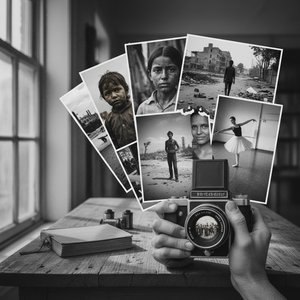
Witnessing History: Documentary Photography as an Art Movement
Explore the powerful history of documentary photography – from its origins to contemporary masters like Gordon Parks. Discover how this art form shapes our understanding of society and witness pivotal moments in time.

Sir John Watson Gordon: A Study in Scottish Landscape Painting & Tonal Impressionism
Explore the captivating portraits of Sir John Watson Gordon, a leading Scottish master. Discover his evolution from neoclassical style to atmospheric Tonalism and influence on 19th-century British art. Learn about his iconic sitters & legacy.