

 Esikatselu
 Jaa teos
 Jaa
Jaa
 Tiedot
 Opas
Opas

 Lataa kuva
 Samanlaisia kohteita
 Röntgenkuvaus
 Diaesitys
 Kysymykset ja vastaukset
 Tilastot
Chinese Dance

- 42.0 x 65.0 cm


 Lue lisää
Giclée- ja taideprintit
Museolaatuisia giclée- tai kankaitaulun tulosteita nopealla tuotannolla ja joustavilla viimeistelyvaihtoehdoilla. ( Osta käsinmaalattu taideteos Siirry digitaaliseen kuvaan)




P118B €10

P118H €10

P118W €10

P438Z €10

P508JH €12

P508YH €12

P805H €10

P805Z €10

P919BZ €10

P919G €10

P919XJ €10

P959ZH €10

P968JZ €12

W106C €8

W218G €10

W218JH €8

W218Y €10

W307PJ €10

W316G €10

W316PJ €8

W316Y €10

W398PJ €8

W4111J €10

W500HY €15

W500JH €15

W692G €12

W849H €8

W940BG €15

W953PJ €8




Valitse valmiista mitoistamme sellaiset, jotka vastaavat teoksen alkuperäisiä mittasuhteita.

Syötä tarvitsemasi leveys ja korkeus, jotta tuloste sopii kehyksiisi tai seinällesi. Tulostetta voidaan vain leikata, sitä ei voida koskaan suurentaa alkuperäistä kuvaa suuremmaksi, joten eri muotoinen koko aiheuttaa osan kuvasta katoamisen. Lähetämme sinulle digitaalisen mallikuvan hyväksyttäväksi ennen kuin aloitamme tulostuksen. Tällä sivulla näkyvä kuva ei näytä lopullista rajausta — vain mallikuva näyttää sen.
Maailmanlaajuinen toimitus () 2 viikossa tavallisen 4–5 viikon sijaan. (3 marraskuu)

Ilmainen pikatoimitus ympäri maailman

Korkealaatuinen pellavakangas

Kattava kuljetusvakuutus

Tulliveron palautustakuu

Takuu täydellisestä värien vastaavuudesta

100 päivän palautusoikeus (vain valmistusvirheet)

100% rahat takaisin -takuu

Määräalennus tarjolla
 Lasivaihtoehto on saatavilla vain alle 110 cm kokoisille teoksille

Chinese Dance
Giclée- ja taideprintit
Replikaatin koko
-


Kokonaishinta
€ 56
François Boucher’s “Chinese Dance”: A Rococo Reverie
François Boucher's "Chinese Dance," completed in 1742, is more than just a beautiful painting; it’s a shimmering portal into the opulent world of the French Rococo. This oil on canvas masterpiece, measuring a modest 42 x 65 cm, immediately captivates with its vibrant palette and the seemingly effortless grace of its central figures. Housed in the Musée des Beaux-Arts et d'Archéologie in Besançon, France, it represents a pinnacle of Boucher’s skill – his ability to infuse a scene with both sensuality and meticulous detail, hallmarks of the era.
A Symphony of Color and Movement
Boucher masterfully employs color to evoke a sense of exoticism and delight. The dancers themselves are rendered in rich reds, blues, and golds, their silk garments shimmering under an implied light source. This isn't merely decorative; it’s a deliberate strategy to draw the viewer into the scene, mirroring the dynamism of the dance itself. Notice the delicate lines defining each figure – a signature of the Rococo style, prioritizing fluidity and movement over rigid realism. The composition is carefully balanced, with the semi-circular arrangement of the dancers creating a visual rhythm that draws the eye across the canvas.
The Allure of Orientalism
"Chinese Dance" taps into the European fascination with the Orient during the 18th century. The inclusion of a pagoda – a distinctly Asian architectural form – and swaying palm trees immediately transports the viewer to a fantastical, idealized landscape. This wasn't simply about depicting an actual Chinese scene; it was about creating a romanticized vision of the exotic, reflecting broader European desires for adventure and luxury. Boucher’s use of perspective and detail contributes significantly to this illusion, making the background feel remarkably tangible.
Technical Brilliance and Historical Context
Boucher's technical prowess is evident in his masterful handling of light and shadow, creating a sense of depth and realism that was revolutionary for its time. The oil on canvas medium allowed him to achieve subtle gradations of color and texture, contributing to the painting’s overall luminosity. Created during Boucher’s rise to prominence – following his victory at the Grand Prix de Rome – “Chinese Dance” exemplifies the artistic trends of the Rococo period, a style characterized by its emphasis on elegance, pleasure, and decorative excess. It's a testament to Boucher's ability to synthesize classical influences with contemporary tastes, solidifying his position as one of the leading artists of his generation.
A Timeless Masterpiece
"Chinese Dance" remains a captivating work of art, offering a glimpse into the aesthetic sensibilities of 18th-century France. Its vibrant colors, dynamic composition, and evocative subject matter continue to resonate with viewers today. ArtsDot.com offers meticulously crafted hand-painted reproductions that faithfully capture the beauty and spirit of this iconic Rococo masterpiece.
Kysymykset ja vastaukset
Onko "Chinese Dance" tyypillinen esimerkki siitä, mitä Françoise Boucher yleensä loi?
Françoise Boucher:n tunnettujen teemojen – rococo elegance, sensuality, movement, chinese culture, exoticism, beauty, courtly life, aristocratic taste – joukossa "Chinese Dance" tuo oman painopisteensä aiheeseen rococo dance, chinese attire, oriental scene, françois boucher, pagoda building, palm trees, dynamic movement.
Onko "Chinese Dance" säilytetty taiteilijansa kotimaassa?
Kyllä – teos säilytetään taiteilijan kotimaassa. Françoise Boucher on syntynyt maassa Ranska, ja teoksen "Chinese Dance" alkuperäiskappaleen säilyttävä museo sijaitsee maassa Ranska.
Mitkä värit hallitsevat teosta Françoise Boucher:n "Chinese Dance"?
Françoise Boucher:n "Chinese Dance"-teoksen väri-identiteetti: Earthy paletti, jota hallitsee Driftwood (#86724f).
Samankaltaisia teoksia


Taiteilijan elämäkerta
François Boucher: Rococo’n Lumous Sydän
François Boucher (1703-1770) ei ollut pelkästään ranskalainen taidemaalari, vaan koko aikakauden tunnistettava ilmentymä. Hänen työnsä vangitsee 1800-luvun alun Ranskan rokokoo-tyylin kauneuden ja keveän eleganssin – kuin aamukasteen heijastuksenanainenpuutarhassa. Boucher oli mestari luomaan maailman, jossa miellyttävä elämä, jumalaiset ihanteet ja sensuellit tunteet tanssivat harmoniassa, ja hänen vaikutuksensa ulottuu edelleen taiteen historian syvyyksiin.
Varhainen Elämä ja Taidon Aloitus
François Boucher syntyi Pariisissa 29. syyskuuta 1703, ja hänen taiteellinen matkansa alkoi isänsä, Jean Boucherin, johdolla. Jean oli itsekin tunnettu maalarinpoika, ja hän opetti pojalleen perusteet värien hallinnasta ja muodon luomisesta. Nuorella iällä, 17-vuotiaana, Boucher sai huomion François Lemoynestä, merkittävältä taidemaalariyrittäjältä, mikä avasi hänelle oven maailman tunnetuimpaan akateemiseen piiriin. Hänen taitonsa kehittyivät edelleen työskennellessään kaivertajan Jean-François Carsin kanssa, ja lopullinen virstanpylväs saavuttiin vuonna 1720 voittamalla arvostetun Prix de Rome’n – kunnianosoituksen, joka avasi hänelle oven Rooman taideakatemian ovista.
Rooman Aikakausi ja Taiteellisen Äänen Muotoutuminen
Rooma oli 1800-luvun alun taidemaailmalle keskeinen paikka, ja Boucher hyödensi täysin mahdollisuutta opiskella siellä. Rooman akatemiassa hän tutustui renessanssin mestareihin, mutta samalla hän alkoi kehittää omaa, ainutlaatuista tyyliään. Hänen työnsä oli täynnä herkkyyttä, hienovaraisia värejä ja upeaa liikettä – piirteitä, jotka muistuttavat hänen inspiraatioistaan, kuten Jacques-Louis Davidin ja Nicolas Lancretin töistä. Rooman ajasta tuli hänelle merkittävä, jossa hän vahvisti taiteellista identiteettiään ja alkoi luoda teoksia, jotka olivat tyylillisesti ja sisällöllisesti edellä aikansa.
Rokokoo Pariisissa: Kuninkaallinen Suosio ja Taiteellinen Vaikutus
Boucher palasi Pariisiin Rooman jälkeen ja sai välittömästi akateemisen tunnustuksen. Hänet hyväksyttiin Royal Academiin vuonna 1731, ja hänen ensimmäinen näyttelynsä, "Rinaldo ja Armida" (1734), oli heti menestys. Teos osoitti Boucherin kyvyn luoda dramaattisia ja tunteellisesti latautuneita kohtauksia, jotka olivat täynnä rokokoo-tyylin hienostuneisuutta ja sensuaalisuutta. Hänen suosiotaan vahvisti merkittävästi Madame de Pompadour, kuningas Ludvig XV:n rakastettava, joka oli Boucherin tärkein asiakas ja inspiraation lähde. Hän suunnitteli teoksia Pompadourille, mukaan lukien tapetteja, posliinia ja jopa lavastuksia Versailles’n palatsiin.
Teokset ja Teemat: Mytologia, Ilo ja Sensuaalisuus
Boucherin tuotanto on monipuolinen ja kattaa laajan kirjon aiheita. Hänen tunnetuimpia teoksiaan ovat "Aamiaispaikka" (1739), joka kuvaa hienovaraista kodinsirkusta, "Venus triumfeissa" (1740-1751) – sarja mytologisia maalauksia, jotka osoittavat hänen mestaruuttaan tarinankerronnassa ja värien käytössä, sekä lukuisat muotokuvat Madame de Pompadourista. Hän myös loi kauniita maisemakuvia, kuten "Auringonlasku", joissa luonto kuvataan idyllisessä valossa. Boucherin teoksissa toistuvat usein rakkaus, kauneus, lepo ja myyttinen maailma – kaikki yhdistettynä hienostuneeseen eleganssiin ja sensuelliseen tunnelmaan.
Perintö ja Vaikutus
François Boucher ei ollut vain lahjakas taidemaalari, vaan myös merkittävä vaikuttaja taiteen kehitykseen. Hän suunnitteli teattereihin lavastuksia ja puvustuksia, loi tapetteja Gobelinin valmistuslaitoksille ja osallistui posliinitehtaiden suunnitteluun. Hänet nimitettiin vuonna 1765 *Premier Peintre du Roi* – kuninkaan ensisijainen taidemaalari – mikä vahvisti hänen asemaansa Ranskan rokokoo-tyylin johtavana taiteilijana. Vaikka myöhemmät kriitikot kyseenalaistivat rokokoon pinnallisuuden, Boucherin vaikutus on edelleen havaittavissa monien seuraajien töissä, kuten Jean-Honoré Fragonardin teoksissa.
Yhteenveto
François Boucher oli 1800-luvun alun Ranskan taiteen keskeinen hahmo. Hänen työnsä on edelleen inspiraation lähde ja osoitus rokokoo-tyylin hienostuneisuudesta, sensuaalisuudesta ja kauneudesta. Hän oli taidemaalari, joka pystyi vangitsemaan aikansa tunnelman ja luomaan teoksia, jotka ovat edelleen yhtä ihailtuja kuin heidän valmistumisensa aikaan.

Françoise Boucher
1703 - 1770 , Ranska
Pähkinänkuoressa
- Artistic Movement Or Style: Rokoko
- Artists Or Movements Influenced By This Artist: ['Jean-Honoré Fragonard']
- Artists Who Influenced This Artist:
- François Lemoyne
- Jean-François Cars
- Date Of Birth: 29. syyskuuta 1703
- Date Of Death: 30. toukokuuta 1770
- Full Name: François Boucher
- Nationality: Ranskalainen
- Notable Artworks:
- Rinaldo ja Armida
- Aamiaiset
- Venus voitto
- Place Of Birth: Pariisi, Ranska
Aiheeseen liittyvät artikkelit
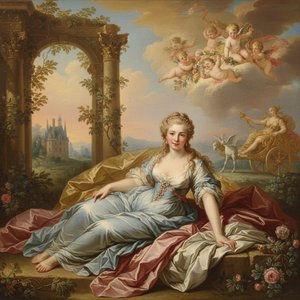
François Boucher: Rococo Master of Myth, Sensuality, and the French Court
Explore the captivating world of François Boucher, master of Rococo painting! Discover his iconic works, aristocratic patronage, and lasting influence on French art history. Learn more at ArtsDot.

Rokokoon mestariteokset: Taidetta ja eleganssia kotiisi – ArtsDot.com
Uppoudu rokokoon maailmaan! Tutustu 10 mestariteokseen – Fragonard, Watteau ja muut. Taidetta, eleganssia & inspiraatiota kotiisi. Laadukkaat taideprintit ArtsDot.com:ssa. Explore the full collection online!

The Rococo Style: Aristocratic Leisure & the Pursuit of Delight in 18th-Century Art
Explore the opulent world of Rococo art! Discover Watteau, Boucher & Nattier's masterpieces. Expert insights for collectors seeking museum-quality reproductions and custom portraits at ArtsDot.

The Rococo Aesthetic: Opulence, Rebellion & the Pursuit of Pleasure in 18th-Century Art
Explore the opulent world of Rococo art! Discover its origins, key artists like Watteau & Boucher, and lasting influence on design. Expert insights for collectors & enthusiasts.

Giclée Prints: Archival Quality & Aesthetic Nuances for the Discerning Collector
Explore the world of giclée prints with ArtsDot. Learn about archival quality, aesthetic nuances & investment potential. Expert guidance for discerning art collectors seeking museum-quality reproductions and lasting value.

