

 Esikatselu
 Jaa
Jaa Jaa
Jaa
 Tarkemmat tiedot

 Lataa
Lataa
 Samanlaisia
 Röntgenkuva
 Diaesitys
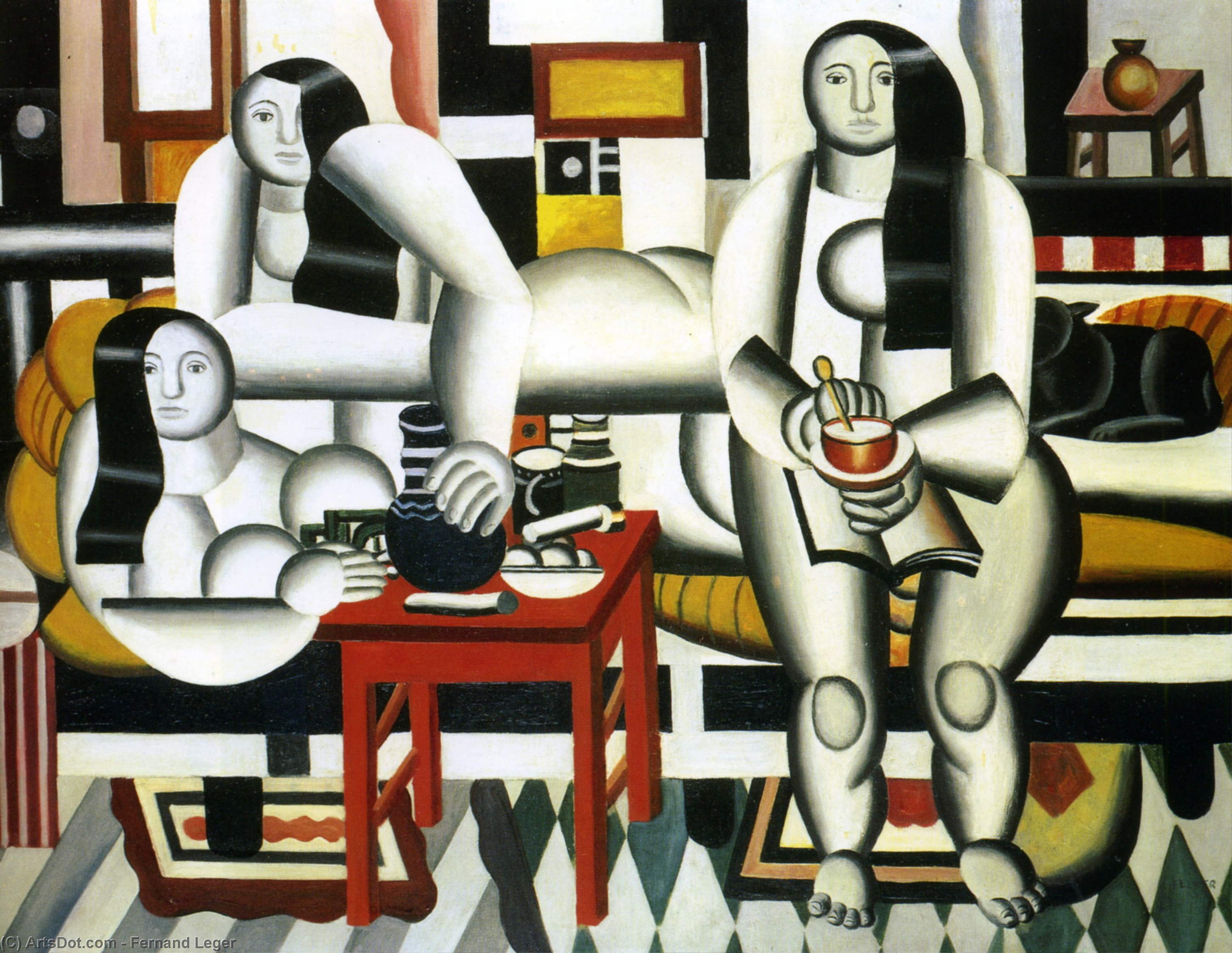
The Breakfast


 Näytä lisää
Käsinmaalattu öljykopio
Käsinmaalattu öljyväri kankaalle haluamassasi koossa ja kehyksissä, taiteilijoidemme valmistamana tilauksesta. ( Osta printti Osta kuva)




P118B $10

P118H $10

P118W $10

P438Z $10

P508JH $12

P508YH $12

P805H $10

P805Z $10

P919BZ $10

P919G $10

P919XJ $10

P959ZH $10

P968JZ $12

W106C $8

W218G $10

W218JH $8

W218Y $10

W307PJ $10

W316G $10

W316PJ $8

W316Y $10

W398PJ $8

W4111J $10

W500HY $15

W500JH $15

W692G $12

W849H $8

W940BG $15

W953PJ $8




Valitse valmiista mitoistamme sellaiset, jotka vastaavat teoksen alkuperäisiä mittasuhteita.

Voit syöttää omat mitat sopimaan tiettyyn kehykseen tai tilaan. Jos valitsemasi koko ei vastaa alkuperäisen kuvan mittasuhteita, rajaamme taideteoksen tai jatkamme maalausta käsin maalatuilla elementeillä. Digitaalinen esikatselu lähetetään hyväksyttäväksi ennen tuotannon aloittamista.
Huomioithan, että näytöllä oleva esikatselu ei vastaa todellista rajausta tai jatkamista. Vain digitaalinen mallikuva näyttää lopullisen sommittelun tarkasti.
Vaikka mittatilaustyöt ovat mahdollisia, suosittelemme valitsemaan mitan ennalta määritetystä listasta alkuperäisten mittasuhteiden säilyttämiseksi.
Tilauksen jälkeen ArtsDot.com -tiimi lähettää asiakkaalle ohjeet ja esikatselukuvan.
Maailmanlaajuinen toimitus () 3–4 viikossa tavallisen 5 viikon sijaan. (16 elokuu). Laadusta ei tingitä.

Ilmainen pikatoimitus ympäri maailman

Korkealaatuinen pellavakangas

Kattava kuljetusvakuutus

Tulliveron palautustakuu

Täydellinen värien vastaavuustakuu

60 päivän palautusoikeus (vain valmistusvirheet)

100% rahat takaisin -takuu

Määräalennus tarjous
 Lasivaihtoehto on saatavilla vain alle 110 cm kokoisina teoksina

The Breakfast
Reproduktiotekniikka
Replikaatin koko
-


Kokonaishinta
$ 313
Teoksen kuvaus
Description of the Artwork
The scene depicts a group of people sitting around a dining table with various items on it. There are three women in the image, one seated at the left side of the table and two others positioned closer to the right side. On the table, there is a bowl placed near the center, along with a cup located towards the left side. A spoon can be seen resting on the table as well. The background features a couch and a chair, adding depth and complexity to the composition. The style of The Breakfast is characterized by geometric shapes, fragmented forms, and multiple viewpoints. Leger's use of bold colors and textures adds to the overall sense of dynamism and energy in the painting. As a leading figure in the Cubist movement, Leger's work had a significant influence on modern art, and The Breakfast is a testament to his innovative spirit. Cubism was an avant-garde art movement that emerged in the early 20th century, and Fernand Leger was one of its key proponents. His work can be found in the collections of major museums, including The Museum of Modern Art in New York City. For more information on Leger's artwork, visit /art/list/?Filter=8XY2E6-Fernand-Leger-The-Breakfast.- View more paintings by Fernand Leger at https://ArtsDot.com
- Learn about the Cubism art movement and its key figures, including Pablo Picasso and Georges Valmier, on Wikipedia
- Discover hand-made oil painting reproductions of famous artworks, including The Breakfast, at https://ArtsDot.com
The Tubism Art Movement, coined by art critic Louis Vauxcelles in 1911, is also worth exploring for its unique characteristics and influence on modern art. For a deeper understanding of Leger's style and contributions to the art world, visit /art/list/?Filter=A@D3CPMD-Tubism-Art-Movement.
Samankaltaisia teoksia


Taiteilijan elämäkerta
Fernand Léger: Muodon Voima – Modernismin Ennakointija
Fernand Léger, syntynyt Joseph Fernand Henri Léger vuonna 1881 Argentanissa, Normandian maaseudulla, on modernin taiteen keskeinen hahmo. Hänen matkansa maanviljelijän pojalta Pariisin avantgarde-piireihin ja lopulta maailmanlaajuiseksi taiteilijaksi on testamentti vakaalle taiteelliselle visiokselle ja uskolle koneellisen aikakauden henkeen. Toisin kuin monet hänen aikansa kollegansa, jotka käänsivät abstraktioita pakokeinoksi konkreettisuudesta, Léger pyrki *integroimaan* moderniutta – sen dynaamisuuden, mekanistiset muodot ja olemuksen – uuteen visuaaliseen kieleen, joka oli sekä voimakkaasti abstrakti että syvällä havaittavassa maailmassa. Varhainen elämänsä, juurtunut maataloustyön fyysiseen kokemukseen, tarjosi vastapainon teollisen tulevaisuuden innostukselle. Alun perin suunniteltuna arkkitehdiksi, Légerin polku muuttui maalariksi saavuttaessaan Pariisin vuonna 1900, elättäen itseään piirtämistehtävissä samalla kun hän hio mukailua taideteoksiaan. Tämä aika oli merkitty perinteiseen akateemiseen koulutukseen, mutta todellinen muutos alkoi vasta Paul Cézannen uraauurtavan työn kohtaamisen vuonna 1907.Tubismin Synty ja Section d’Or
Cézannen retrospektiivi vuonna 1907 toimi katalyyttinä, joka vapautti Légerin perinteisestä esityksestä ja kannusti häntä kohti geometrisempää ja rakenteellisempaa lähestymistapaa. Hän alkoi hajottaa muotoja, analysoida niiden pohjimmaisia rakenteita ja rakentaa niitä uudelleen kankaalle panimalla uutta painoarvoa tiiviyteen ja tilavuuteen. Tämä tutkimus johti nopeasti Cubismin piiriin, mutta Léger ei ollut tyytyväinen vain toistamaan Picasso’n tai Braquen tyylejä. Sen sijaan hän kehitti oman ainutlaatuisen idiominsa – henkilökohtaisen muodon Cubismille, jota kriitikot leikkimielisesti kutsuivat ”Tubismiksi”. Tubismiin kuului sylinterimäisiä muotoja, tasoittuneita levyjä ja rohkeita värivalintoja, juhlisti koneellista estetiikkaa jo ennen kuin se oli laajalti hyväksytty. Se oli taidetta, joka syntyi havainnoinnista teollisen maailman vilinää ja rytmejä, tunnustaen kauneutta sen toiminnallisissa muodoissa ja mekaanisissa liikkeissä. Tämä aika näki Légerin aktiivisesti osallistumisen avantgarde-piiriin, yhdistyessä Jean Metzingeriin, Henri Le Fauconnieriin, Francis Picabia ja Marcel Duchampiin Puteaux Groupin, eli Section d’Orin, sisälle. Ryhmä tutki matemaattisia periaatteita harmoniaan ja suhteeseen, pyrkien antamaan taiteelleen järjen ja järjestyksen tunnetta. Heidän yhteiset tutkimuksensa repivät taiteen rajat auki ja asettivat pohjan abstraktin taiteen tuleville kehityksille.Sota, Mekanisaatio ja Uusi Estetiikka
Ensimmäisen maailmansodan puhkeaminen vaikutti syvästi Légerin elämään ja hänen teoksiinsa. Palvelus hänen rintamalla vuosina 1914–1916 altisti hänet modernin sodan julmille realiteeteille – tykistötulen, ilma-hyökkäysten ja koneellisen konfliktin dehumanisoivien vaikutusten edessä. Tämä kokemus ei johtanut epätoivoon tai moderniuden hylkäämiseen; pikemminkin se vahvisti hänen kiinnostustaan koneisiin ja niiden voimaan. Piirustukset, jotka hän teki palveluspaikallaan, dokumentoivat sotateknologian karua kauneutta, muuttaen tuhoisia instrumentteja taiteelliseksi aiheeksi. Palattuasi siviiliin Légerin estetiikka koki edelleen kehitystä. Hänen maalauksensa heijastivat entistä suoraviivaisempaa, mekaanista aavistusta, juhlisti modernin elämän dynaamisuutta ja tehokkuutta teollisen maailman voimassa. *Soldier with a Pipe* (1916) on esimerkki tästä muutoksesta, esittäen yksinkertaistettuja muotoja ja rohkeita värejä, jotka herättävät tunteen mekaanisesta tarkkuudesta. Tämä ei ollut pelkästään esteettinen valinta; se oli filosofinen lausunto – vahvistus moderniteetin potentiaalista edistykseen ja uudistukseen konfliktin jälkeenkin.Perintö ja Kestävä Vaikutus
Légerin myöhemmät vuodet keskittyivät taiteen ja teollisuuden leikkauspisteeseen, luoden teoksia, jotka juhlistivat modernia elämää ainutlaatuisella yhdistelmällä abstraktiota ja figouraatiota. Hänen *Paysages animés* -sarjansa (Animoituja maisemia) vuodesta 1921 alkaen esittivät hahmoja ja eläimiä saumattomasti integroituina suoraviivaisiin kompositioihin, hämärtäen orgaanisen ja epäorgaanisen muodon rajat. Hän kokeili myös veistostaiteen ja elokuvan tekemistä, laajentaen taiteellista harjoitteluaan perinteisen maalaustaidon ulkopuolelle. Légerin vaikutus myöhemmän sukupolven taiteilijoihin on kiistaton. Hänen rohkea muodon yksinkertaistamisensa, hänen koneellisten kuvien omaksumisensa ja modernin kulttuurin juhliminen ennakoivat Pop Artin nousua vuosikymmeniä myöhemmin. Taiteilijat kuten Roy Lichtenstein ja Andy Warhol velkaavat itsensä Légerin uraauurtavalle työlle. Hän yhdisti abstraktin taiteen ja figuuritaitouden, osoittaen, että se oli mahdollista luoda teoksia, jotka olivat sekä älykkäitä että visuaalisesti kiinnostavia. Hän on edelleen merkittävä hahmo 20-luvun taiteessa – näkijä, joka uskalsi löytää kauneutta koneelliselta aikakaudelta ja kääntää sen energiaa kankaalle uskomattomalla rohkeudella ja omaperäisyydellä.
Fernand Léger
1881 - 1955 , Ranska
Pikatiedot
- Artistic Movement Or Style: Kubismi, Tubismi
- Artists Or Movements Influenced By This Artist: ['Pop Art']
- Artists Who Influenced This Artist: ['Paul Cézanne']
- Date Of Birth: 4.2.1881
- Date Of Death: 17.8.1955
- Full Name: Fernand Léger
- Nationality: Ranskalainen
- Notable Artworks:
- Nudes metsässä
- Koneen elementti
- Suuri paraati
- Place Of Birth: Argentan, Ranska
Liittyvät artikkelit

Fernand Légerin 25 mestariteosta: Modernismin ikoniset muodot seinillesi
Tutustu Fernand Légerin 25 ikonista mestariteosta – kubismin ja koneajan taiteen huiput. Taidehistoriaa, värikkäitä maalauksia ja inspiraatiota sisustukseen. Löydä upeimmat reproduktiot ArtsDot.com:sta!

Geometrisen abstraktion mestariteokset: Taidetta kotiin ArtsDotilta
Tutustu geometrisen abstraktion 10 mestariteokseen! Piet Mondrian, Kandinsky ja muut taiteilijat muovasivat modernin taiteen historiaa. Löydä inspiraatiota kotiisi ArtsDotilta – laadukkaat taideprintit ja sisustusehdotukset odottavat. Tutki kokoelma verkossa!

Teollisuuden tunnelmaa taiteessa: 10 mestariteosta kotiisi – ArtsDot.com
Tutustu 10 mestariteokseen, jotka vangitsevat teollisuuden tunnelman! Impressionismista kubismiin – taidemaalausten tarinat ja inspiraatio sisustukseen. Löydä täydellinen seinätaulu kotiisi ArtsDot.com:sta. Tutki kokoelma verkossa!

Beyond Form & Color: Geometric Abstraction's Evolution in 20th/21st Century Art
Explore the evolution of geometric abstraction from Cubism to contemporary art. Discover key artists like Malevich & Mondrian, investment insights, and expert collecting advice at ArtsDot.

Beyond Form & Color: Geometric Abstraction's Enduring Legacy in Art History
Explore the captivating world of geometric abstraction! Discover its origins, key artists like Malevich & Mondrian, and why this movement remains highly valued by art collectors today. Expert insights at ArtsDot.



