


 Katso seinällä
 Lähetä
 Jaa
Jaa
 Tarkemmat tiedot
 Opas
Opas

 Lataa kuva
 Samanlaisia kohteita
 Röntgenkuvaus
 Diaesitys
 Tilastot
Äiti
 Akryyli kankaalle
- Seinätaide
- Surrealist Expressionism
 1926
1926 50.0 x 55.0 cm
 Kulturgeschichtliche Museum Osnabrück
 Lue lisää
Giclée- ja taideprintit
Museolaatuisia giclée- tai kankaitaulun tulosteita nopealla tuotannolla ja joustavilla viimeistelyvaihtoehdoilla. ( Tilaa käsinmaalattu jäljennös Siirry digitaaliseen kuvaan)




P118B €10

P118H €10

P118W €10

P438Z €10

P508JH €12

P508YH €12

P805H €10

P805Z €10

P919BZ €10

P919G €10

P919XJ €10

P959ZH €10

P968JZ €12

W106C €8

W218G €10

W218JH €8

W218Y €10

W307PJ €10

W316G €10

W316PJ €8

W316Y €10

W398PJ €8

W4111J €10

W500HY €15

W500JH €15

W692G €12

W849H €8

W940BG €15

W953PJ €8




Valitse valmiista mitoistamme sellaiset, jotka vastaavat teoksen alkuperäisiä mittasuhteita.

Kirjoita tarvitsemasi leveys ja korkeus, jotta tuloste sopii kehyskokoon tai seinällesi. Tulostetta voidaan vain leikata, sitä ei voi koskaan tehdä suuremmaksi kuin alkuperäinen kuva, joten eri muotoinen koko aiheuttaa osan kuvasta katoamisen. Lähetämme sinulle digitaalisen mallikuvan hyväksyttäväksi ennen kuin aloitamme tulostuksen. Tällä sivulla näkyvä kuva ei näytä lopullista leikkausta — vain mallikuva näyttää sen.
Maailmanlaajuinen toimitus () 2 viikossa tavallisen 4–5 viikon sijaan. (24 lokakuu)

Ilmainen pikatoimitus ympäri maailman

Korkealaatuinen pellavakangas

Kattava kuljetusvakuutus

Tulliveron palautustakuu

Takuu täydellisestä värien vastaavuudesta

100 päivän palautusoikeus valmistusvirhetapauksissa

100% rahat takaisin -takuu

Määräalennus saatavilla
 Lasivaihtoehto on saatavilla vain alle 110 cm kokoisille teoksille

Äiti
Giclée- ja taideprintit
Replikaatin koko
-


Kokonaishinta
€ 54
Felix Nussbaumin "My Mother" – Hiljaisen Kauneuden Kuvaus
Felix Nussbaumin maalauksessa ”My Mother” (1926) näkyy yksinkertainen mutta syvästi tunteellinen kuva naisesta profiilissa. Tämä työ ei ole pelkästään kaunis visuaalisesti; se on myös tarkkaan harkittu psykologinen tutkimus yksinäisyydestä ja ihmisen kohtaamista kärsimyksestä – kokemus, joka resonoi erityisesti Nussbaumin henkilökohtaisen elämän tapahtumien keskellä. Maalauksen keskiössä seisoo yksittäinen henkilö, jonka katse on tarkka ja pohdiskeleva, mikä tuo maalaukseen syvyyttä ja tunteellista läsnäoloa. Nussbaumin tyyli oli vahvasti vaikutettu ekspressionismiin ja erityisesti Carl Hoferin työstä, joka korosti värien käyttöä tunnetta välittääkseen. Hän ei pelkästään kopioinut maailmaa ympärillä; hän pyrki vangitsemaan ihmisen sisäistä maailmaa – hänen yksinäisyytensä, hänen huolensa ja lopulta hänen kohtaamansa kuoleman uhka. Tämä henkilökohtainen näkökulma oli keskeinen Nussbaumin taiteelliseen identiteettiin ja hänen pyrkimykseensä ilmaistaan maalauksessa tarkkaan harkitulla teknillä ja värillä. Hän käytti erityisesti lämpimiä sävyjä luodakseen tunnelman, joka tuo maalaukseen sekä rauhaa että surua. Maalauksen tausta on minimalistinen – yksinkertainen seinä tai paneeli, jonka tarkoitus ei ole häiritä katsojan huomiota henkilökohtaisen keskustelun ympärillä. Tämä yksinkertaisuus korostaa naisen asemaa maalauksessa ja tuo esiin hänen kasvonsa yksityiskohtaisesti. Nussbaumin tarkka huolellisuus yksittäisten yksityiskohtien kuvaamiseen oli keskeinen hänen työnsä tunteelliseen vaikutukseen – hän halusi välittää katsojalle henkilökohtaisen kokemuksen syvyyden ja aitouden. Maalauksen värit ovat lämpimiä ja miellyttäviä, mikä luo tunnelman, joka tuo maalaukseen sekä rauhaa että surua. Hän käytti erityisesti lämpimiä sävyjä luodakseen tunnelman, joka tuo maalaukseen sekä rauhaa että surua. Lisäksi ”My Mother” sisältää huolellisesti asetellun kukkaistuokion, jonka värit ja koko ovat monimuotoisia. Kukat eivät ole vain koriste; ne ovat symboleja – erityisesti yksinäisyydestä ja kauneudesta. Nussbaumin henkilökohtainen elämä oli täynnä kärsimystä ja menetystä, mikä näkyy maalauksessa hänen katseensa tarkkuudessa ja kukkaiden yksityiskohtaisessa kuvaamisessa. Hän halusi välittää katsojalle henkilökohtaisen kokemuksen syvyden ja aitouden. Kukat ovat myös symboleja – erityisesti yksinäisyydestä ja kauneudesta. Nussbaumin henkilökohtainen elämä oli täynnä kärsimystä ja menetystä, mikä näkyy maalauksessa hänen katseensa tarkkuudessa ja kukkaiden yksityiskohtaisessa kuvaamisessa. Hän halusi välittää katsojalle henkilkohtaisen kokemuksen syvyden ja aitouden. Maalauksen historiallinen konteksti on tärkeä ymmärtää sen tunteellista vaikutusta. Nussbaum maalasi aikansa keskellä suurta kansallismielisyyttä ja kasvavaa vainoa, mikä näkyy hänen työnsä henkilökohtaisessa tragediassa. Hän oli yksi niistä taiteilijoista, jotka dokumentoivat historian tapahtumia syvällä tunteellisella tarkkuudella – kokemus, joka on usein puuttunut laajempiin historiallisisiin kertomuksiin. Nussbaumin maalauksesta tuli muistutus siitä, että taide voi olla sekä henkilökohtainen lamentti että universaali varoitus ihmisen kohtaamista kärsimyksestä ja yksinäisyydestä.Kysymykset ja vastaukset
Voinko tilata öljyvärimaalauksen teoksesta "Äiti"?
Voit tilata käsin maalatun jäljennöksen teoksesta Felix Nussbaum:n "Äiti" suoraan sen Käsinmaalattu jäljennös -sivulta: käsinmaalattu öljyvärireproduktio pellavakankaalle, valmistetaan tilauksesta.
Mihin huoneeseen Felix Nussbaum:n "Äiti" suositellaan?
Suositeltu tila teokselle Felix Nussbaum:n "Äiti" on Olohuone. Suositusta voidaan tietysti mukauttaa sisustukseesi sopivaksi.
Mikä painokoko on suositeltava teokselle Felix Nussbaum:n "Äiti"?
Felix Nussbaum:n "Äiti"-teokselle suositellaan Suuri kokoista jäljennöstä. Kokoa voidaan muuttaa säilyttäen alkuperäiset kuvasuhteet.
Samankaltaisia teoksia


Taiteilijan elämäkerta
Felix Nussbaum (1904-1944) – A Life Etched in Exile: The Haunting Vision of Felix Nussbaum
Felix Nussbaum’s story is a stark and profoundly moving testament to the power of art born from unimaginable suffering. Born in Osnabrück, Germany, in 1904, his life unfolded against the backdrop of rising nationalism and escalating persecution, culminating in the horrors of the Holocaust. He wasn't simply a victim *of* history; he was an artist who meticulously documented its impact on his soul, creating a body of work that stands as both a personal lament and a universal warning. Nussbaum’s paintings offer a rare, unflinching glimpse into the psychological landscape of displacement, fear, and ultimately, annihilation – a perspective often absent from broader historical narratives. His father, Philipp Nussbaum, a World War I veteran with an early passion for painting himself, recognized and nurtured his son's talent, providing encouragement that would prove vital in the darkening years to come. This initial support fostered a lifelong dedication to art, even as political realities increasingly constricted his path.Formative Years and Artistic Influences
Nussbaum’s artistic journey began with formal studies in Hamburg and Berlin in 1920, continuing for as long as circumstances allowed. His early work reveals a clear debt to the Post-Impressionist masters, particularly Vincent van Gogh and Henri Rousseau. The vibrant colors and expressive brushwork of these artists provided a foundation upon which Nussbaum would later build his unique style. However, he wasn’t content with mere imitation. He actively sought out new influences, drawn to the unsettling dreamscapes of Giorgio de Chirico and Carlo Carrà, pioneers of the *pittura metafisica* movement. The careful attention to color demonstrated by Carl Hofer's expressionist paintings also left a lasting impression on Nussbaum’s approach. These diverse inspirations coalesced into what would become known as his “New Objectivity” style – a blend of realism and surrealism, characterized by precise detail, unsettling compositions, and a pervasive sense of alienation. This period was marked by experimentation and growth, but the looming shadow of Nazi ideology soon threatened to extinguish his artistic promise.The Rise of Nazism and Exile
The ascent of the Nazis in 1933 irrevocably altered Nussbaum’s life. Studying on a scholarship in Rome at the Berlin Academy of the Arts, he witnessed firsthand the chilling pronouncements of Hitler's propaganda minister, outlining the tenets of Nazi art – glorification of heroism and the Aryan race. It became painfully clear that as a Jew, his place within the German artistic establishment was untenable. This realization forced him into exile, first to Paris and then to Belgium, where he married Felka Platek in 1937. The following decade was defined by fear and isolation. Despite finding some measure of safety, Nussbaum lived under constant threat, haunted by the knowledge of his parents’ perilous situation back in Germany. They had initially resisted his pleas to join them in exile, clinging to a misguided hope that things would improve, but ultimately returned home only to face the full force of Nazi persecution. This loss – the severing of his spiritual and financial support – deeply impacted Nussbaum's work, infusing it with an increasingly desperate and melancholic tone. He continued to paint prolifically during this period, finding solace and purpose in his art even as his world crumbled around him.Major Achievements and Artistic Legacy
Nussbaum’s artistic output during his exile was remarkable—a defiant assertion of creativity amidst crushing oppression. His paintings explored themes of displacement, loss, and the disintegration of identity, reflecting the profound psychological trauma inflicted by persecution. Notable works include *Self Portrait with Jewish Identity Card*, a haunting depiction of vulnerability and resilience; *Triumph of Death*, a symbolic meditation on mortality and decay; *Felka Platek Painting*, capturing his wife’s likeness in an expressionist style; *Masquerade*, exploring the complexities of social roles and concealment; and *Gypsy*, portraying a poignant scene of human compassion amidst wartime hardship. Nussbaum's unwavering commitment to art—his refusal to abandon his vocation despite insurmountable obstacles—solidifies his position as one of the most important artists of his generation. His work continues to resonate with audiences today, serving as a powerful reminder of the importance of artistic expression in confronting injustice and preserving human dignity. ## The Final Years and Tragic End The Nazi invasion of Belgium in 1940 brought Nussbaum’s exile to an abrupt halt. He was arrested as a “hostile alien” and interned at Saint-Cyprien camp in France, an experience that profoundly shaped his artistic vision. Despite the horrors he endured—the confiscation of his possessions, the constant surveillance, and the pervasive atmosphere of fear—Nussbaum persevered, continuing to paint in secret with Felka Platek. They sought refuge in a second apartment, concealing their hiding place from watchful eyes. However, a betrayal led to their deportation to Mechelen transit camp, and ultimately to Auschwitz itself, where Felix Nussbaum was murdered upon arrival in August of 1944. His wife Felka Platek tragically perished shortly thereafter. Though his family was annihilated—his parents murdered at Auschwitz—Nussbaum’s artistic legacy endures as a testament to the enduring power of creativity and compassion in the face of unimaginable adversity. His work remains an indelible record of a life lived under siege, forever etched with the pain and beauty of exile.
Felix Nussbaum
1904 - 1945 , Saksa
Tietoa taiteilijasta
- Artistic Movement Or Style: Surrealismi, Uusi objektiivisuus
- Artists Who Influenced This Artist:
- Vincent van Gogh
- Henri Rousseau
- Giorgio De Chirico
- Date Of Birth: 1904
- Date Of Death: 1944
- Full Name: Felix Nussbaum
- Nationality: Saksa-juutalainen
- Notable Artworks:
- Itsensä kuvitelma juutalaisen henkilöllisyyskortin kanssa
- Kuoleman voitto
- Felka Platek maalauksesta
- Place Of Birth: Osnabrück, Saksa
Aiheeseen liittyvät artikkelit

The Visceral Cry of a Nation: Exploring Emotion & Distortion in German Expressionism
Explore the powerful world of German Expressionism with ArtsDot. Discover Kirchner, Nolde & Die Brücke's emotive masterpieces. Learn about this pivotal art movement and its lasting impact on modern art.

Saksan ekspressionismin 10 mestariteosta: Taidetta ja tunnetta kotiisi
Uppoudu Saksan ekspressionismin maailmaan! Tutustu 10 mestariteokseen – Kirchnerin voimakkaista väreistä Munchin tunteisiin. Löydä taidemaalauksien tarinat ja inspiroi sisustusta ArtsDot.com:ssa. Explore the full collection online!
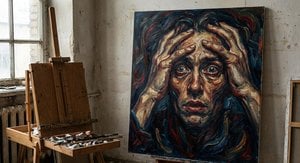
Figurative Expressionism: Emotional Intensity & Subjective Reality in 20th-Century Art
Explore the powerful world of Figurative Expressionism with ArtsDot. Discover key artists like Kirchner & Beckmann, understand its emotional depth, and learn how to collect this influential 20th-century art movement.

The Raw Emotion of Expressionism: A Deep Dive into its History, Characteristics & Enduring Influence
Explore the raw emotion of Expressionism with ArtsDot. Discover its history, key artists like Kirchner & Munch, and lasting influence on modern art. Expert insights for collectors & enthusiasts.
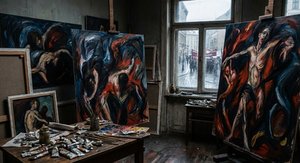
The Visceral Language of Emotion: Exploring Expressionism's Impact on 20th-Century Art
Explore the powerful world of Expressionism! Discover key artists like Kirchner & Nolde, understand its emotional impact, and learn about this revolutionary art movement's lasting legacy. Expert insights for collectors & enthusiasts.
