

 Esikatselu

 Jaa teos
 Jaa
 Tiedot
 Opas


 Lataa kuva
 Samanlaisia kohteita
 Röntgenkuvaus
 Diaesitys
 Kysymykset ja vastaukset
 Tilastot
untitled (9391)

 Lue lisää
Giclée- ja taideprintit
Museolaatuisia giclée- tai kankaitaulun tulosteita nopealla tuotannolla ja joustavilla viimeistelyvaihtoehdoilla. ( Osta käsinmaalattu taideteos Siirry digitaaliseen kuvaan)




P118B €10

P118H €10

P118W €10

P438Z €10

P508JH €12

P508YH €12

P805H €10

P805Z €10

P919BZ €10

P919G €10

P919XJ €10

P959ZH €10

P968JZ €12

W106C €8

W218G €10

W218JH €8

W218Y €10

W307PJ €10

W316G €10

W316PJ €8

W316Y €10

W398PJ €8

W4111J €10

W500HY €15

W500JH €15

W692G €12

W849H €8

W940BG €15

W953PJ €8




Valitse valmiista mitoistamme sellaiset, jotka vastaavat teoksen alkuperäisiä mittasuhteita.

Syötä tarvitsemasi leveys ja korkeus, jotta tuloste sopii kehyksiisi tai seinällesi. Tulostetta voidaan vain leikata, sitä ei voida koskaan suurentaa alkuperäistä kuvaa suuremmaksi, joten eri muotoinen koko aiheuttaa osan kuvasta katoamisen. Lähetämme sinulle digitaalisen mallikuvan hyväksyttäväksi ennen kuin aloitamme tulostuksen. Tällä sivulla näkyvä kuva ei näytä lopullista rajausta — vain mallikuva näyttää sen.
Maailmanlaajuinen toimitus () 2 viikossa tavallisen 4–5 viikon sijaan. (16 marraskuu)

Ilmainen pikatoimitus ympäri maailman

Korkealaatuinen pellavakangas

Kattava kuljetusvakuutus

Tulliveron palautustakuu

Takuu täydellisestä värien vastaavuudesta

100 päivän palautusoikeus (vain valmistusvirheet)

100% rahat takaisin -takuu

Määräalennus tarjolla
 Lasivaihtoehto on saatavilla vain alle 110 cm kokoisille teoksille

untitled (9391)
Giclée- ja taideprintit
Replikaatin koko
-


Kokonaishinta
€ 56
A Portrait of Existential Tension: Unpacking Egon Schiele's "Untitled (9391)"
Egon Schiele’s “Untitled (9391),” a black-and-white photograph capturing an earlier painting, is not merely a depiction of a reclining woman; it’s a visceral exploration of mortality, vulnerability, and the unsettling beauty of the human form. Created during a tumultuous period in Schiele's life – just before his untimely death in 1918 – this work embodies the artist’s signature style: bold lines that seem to vibrate with nervous energy, a profound sense of psychological depth, and an unflinching gaze at the darker aspects of existence. The photograph itself, rendered in stark monochrome, amplifies the painting's inherent drama, stripping away any superficial distractions and forcing the viewer to confront the raw emotion embedded within the image.
The subject, a woman lying on her back with one leg raised, is presented in a state of near-nakedness. However, Schiele deliberately avoids explicit eroticism. Instead, he focuses on the subtle gestures – the curve of her spine, the delicate positioning of her hand – to convey a sense of profound vulnerability and quiet contemplation. The stockings she wears, a detail often overlooked, add another layer of complexity, hinting at societal constraints and the precariousness of female identity within Schiele’s world. The composition is dominated by the figure's left side, drawing the eye into her gaze – an intense, almost challenging stare that suggests both defiance and a deep-seated sadness.
Expressionism in Motion: Line, Form, and Emotional Resonance
Schiele’s artistic approach firmly resides within the realm of Expressionism. His use of line is particularly striking; each contour is deliberately exaggerated, creating a sense of dynamism and movement. The lines aren't meant to simply outline form but rather to convey feeling – anxiety, longing, perhaps even a touch of despair. The painting’s flatness, achieved through simplified forms and the absence of traditional shading, further contributes to its emotionally charged atmosphere. This deliberate flattening pushes the subject forward, placing her directly before the viewer, demanding an intimate engagement with her inner world.
The black-and-white photography employed here serves as a crucial element in preserving Schiele’s original vision. The lack of color allows the inherent structure and emotional weight of the painting to take center stage. It's reminiscent of early 20th-century photographic techniques, lending the image a timeless quality while simultaneously highlighting the artist’s innovative approach to form and composition. The photograph itself feels like a carefully considered study – an attempt to capture not just a likeness but also the very essence of Schiele’s artistic intent.
A Legacy of Anxiety and Beauty: Contextualizing the Work
To fully appreciate “Untitled (9391),” it's essential to understand the context in which it was created. Egon Schiele’s life was marked by profound personal hardship, including the early deaths of his father and sister, and a constant struggle with illness and mental instability. These experiences profoundly shaped his artistic vision, leading him to explore themes of mortality, loss, and the fragility of human existence. His work is often characterized by a sense of unease – a feeling that something is always just beneath the surface.
Schiele’s exploration of the female form, particularly in works like this one, was controversial during his lifetime. He frequently depicted women with a frankness and intensity that challenged conventional artistic norms. However, it's important to recognize that Schiele wasn't simply interested in portraying physical beauty; he sought to capture the psychological complexities of womanhood – their strength, vulnerability, and inherent contradictions. The painting’s enduring power lies in its ability to evoke a profound sense of empathy and understanding for this enigmatic figure.
ArtsDot offers meticulously crafted hand-painted reproductions of “Untitled (9391),” allowing art lovers to experience the raw emotion and artistic brilliance of Egon Schiele's masterpiece within their own homes. Each reproduction is created by skilled artists using traditional techniques, ensuring a faithful representation of the original while retaining its unique character and impact.
Kysymykset ja vastaukset
Mitä "untitled (9391)" esittää ja millainen tunnelma siinä on?
Egon Schiele:n "untitled (9391)" yhdistää woman, nakedness, line, mortality, anxiety, figure, expressionism-aiheet Dramatic-tunnelmaan.
Mikä on "untitled (9391)" hallitseva sävy?
"untitled (9391)" vivahtaa Ochre to Sepia sävyyn.
Mikä painokoko on suositeltava teokselle Egon Schiele:n "untitled (9391)"?
Teokselle "untitled (9391)" suositeltu tulostuskoko on Medium. Muita kokoja on saatavilla samoissa mittasuhteissa.
Samankaltaisia teoksia


Taiteilijan elämäkerta
A Life Forged in Expression
Egon Schiele, syntynyt Tulln an der Donau vuonna 1890, oli itävaltalainen taidemaalari ja piirtäjä, joka tunnetaan syvästi tunteikkaasta ja usein ahdistavasta taiteestaan. Hänen elämänsä oli täynnä sekä merkittävää taiteellista näkemystä että syvää henkilökohtaista kärsimystä. Varhaiset vuodet olivat varjoissaan sairauden ja menetyksen vallassa; hänen isänsä, joka kärsi promegalyytistä (syfilisestä), kuoli Egonin ollessa vain neljätoista, mikä jätti syvän jäljen hänen teoksiinsa ja herätti jatkuvan pohdinnan kuolemattomuudesta. Alun perin hänen äitinsä ja myöhemmin jonkin verran hallitsevan sukunserin Leopold Czihaczekin huolen alla kasvaessaan, Schiele’n lapsuus oli epävakaa, mutta samalla hän kehitti vahvan itsenäisyyden. Jo nuorena poikana hän osoitti suurta kiinnostusta junia kohtaan – motiivi, joka myöhemmin toistui maalauksissaan – ja lahjakkuutta piirtämisessä, vaikka sitä aluksi vastustettiin hänen isänsä taholta, joka näki sen häiriönä käytännöllisempiin harrastuksiin. Hänen siskonsa Eliran varhainen kuolema loi myös pitkäaikaisen varjon nuoren taiteilijan psyykeelle. Nämä varhaiset kokemukset synnyttivät herkkyyttä ja tunteellista aitoutta, jotka muotostivat hänen taiteellista ilmaisuaan – jatkuvan kamppailun elämän, kuoleman ja ihmiskunnan olemassaolon kanssa.The Crucible of Vienna: Artistic Development
Schiele’n virallinen taidetuotantonsa alkoi Kunstgewerbeschule -taidekoulussa Wienissä, mutta hän pian tunsi itsensä tukahdutettuna koulun konservatiivisen lähestymistavan vuoksi. Hän siirtyi sitten Akademie der bildenden Künsteen (Wienin Taideyhteiskuntaan), mutta myös sieltä tuli pettymys sen jäykistä akateemisista perinteistä. Tämä tyytymättömyys johti siihen, että hän jätti koulutuksen kokonaan pois ja valitsi oman polkunsa, mikä oli osoitus hänen vakaumuksestaan taiteellisessa luomuksessa. Gustav Klimtin vaikutus oli keskeinen näinä varhaisina vuosina; Schiele ihaillessaan Klimtin koristeellista tyyliä ja symboliikkaa, jopa saaden ohjausta tunnetulta taiteilijalta. Hän kuitenkin pian erosi Klimtin estetiikasta, kehittäen oman, ainutlaatuisen äänensä, joka oli tunnusomaista sen suorapuheisuudelle ja psykologisille syvyyksille. Hän perusti Neues Wiener Kunstgruppe -ryhmän vuonna 1909, yhdistäen itsensä muiden edistyksellisten taiteilijoiden kanssa, jotka haastoivat vallitsevia taiteellisia normeja. Hänen varhaiset teoksensa, usein häiritseviä muotokuvia ja itsekuvia, alkoivat nousta voimakkaiksi lausuntoiksi tunteellisesta levottomuudesta, esittäen vääristyneitä hahmoja ja havaittavaa haavoittuvuutta. Nämä maalaukset eivät olleet pelkästään fyksisten muotojen kuvauksia, vaan ihmisen sisäisen maailman tutkimuksia – ahdistusten, toiveiden ja pelkojen, jotka vaivattivat ihmiskunnan psyykeä. Hän pyrki esittämään ei sitä, *mitä hän näki*, vaan sitä, *minkä hän tunsi*.Raw Emotion and Unflinching Truth
Egon Schiele’n taide on heti tunnistettavissa sen suorapuheisuuden ja psykologisen syvyyden vuoksi. Hän kohtasi rohkeasti usein tabuna pideltyjä aiheita – seksuaalisuutta, kuolemaa, ahdistusta, eristystä – ilman pelkoa. Hänen tunnusomainen tyylinsä on tunnusomaista pitkänomaisille hahmoille, vääristyneille asennoille ja ilmaiseville viivoille, jotka välittävät tunnetta epämukavuudesta ja psykologista jännitettä. Ihmishahmo, erityisesti nainen nude, tuli hänen ensisijaisen aiheensa – ei ihanteen objektina vaan välineenä ihmiskokemuksen monimutkaisuuksien tutkimiseen. Itsekuvat muodostivat merkittävän osan hänen tuotoksistaan, tarjoten intiimejä näkymiä hänen sisämaailmaansa – maailmaa, joka on usein merkitty yksinäisyyteen ja itsetunnon epävarmuuteen. Hän ei vastannut vähempää taiteellisen ilmaisun vaatimuksille, vaan pyrki esittämään itsensä rohkeasti ja avoimesti. Maalauksiensa lisäksi Schiele loi muotokuvia muista ihmisistä, jotka vangitsivat heidän olemuksensa häiritsevällä realismilla, joka näytti tunkeutuvan pinnan alle. Hänen maisemansa, vaikka ne eivät olisikaan yhtä keskeisiä kuin hänen figuratiiviset maalauksensa, osoittavat hänen mestarillisuutta muodon ja värin suhteen, usein heijastaen samaa tunnetta kuin hänen muotokuvansa. Viivan käyttö on erityisen huomattavaa Schiele’n taiteessa; se ei ole pelkästään muotojen määrittämiseen tarkoitettu työkalu, vaan ilmaisuvoima, joka välittää tunteen ja psykologista jännitettä. Toistuvat motiivit, kuten *Physalis*-kasvi – kuoleman ja ohimenevyyden symboli sen herkällä, paperimaisella kuoressa – korostavat tätä huolta kuolemattomuudesta entisestään.A Legacy Cut Short: Achievements & Significance
Huolimatta kohtaamastaan sensuurista ja oikeudellisista haasteista – mukaan lukien lyhyt vankeustuomio syytösten vuoksi, että hän oli korruptoinut nuoria taiteilijoita taideteoksillaan – Schiele sai tunnustusta Wienin avantgarde-piireissä. Hänen taiteensa haastoi aikansa konventioita, mikä johti sekä ihailuun että tuomitsemiseen. Ennen kohtuuttoman varhaista kuolemaansa espanjantautiin vuonna 1918 vain 28-vuotiaana hän oli vakiinnuttanut asemansa johtavana hahmona itävaltalaisessa ekspressionismissa. Merkittäviä teoksia, kuten *Kardinaali ja nunna*, *Kuolema ja neito* sekä *Perhe*, ovat todiste hänen taiteellisesta lahjakkuudestaan. Hänen vaikutuksensa myöhemmän sukupolven taiteilijoihin on kiistaton, erityisesti niihin, jotka ovat kiinnostuneita psykologisten teemojen tutkimisesta ja konventioiden haastamisesta. Schiele’n maalaukset säilyvät edelleen nykyään merkittävissä museo- kokoelmissa ympäri maailmaa, kuten Leopold Museumissa Wienissä ja Egon Schiele Art Centrumissa Tšekin Krumpovaussa, varmistaen hänen taiteellisen perintönsä jatkumisen. Hän jätti jälkeensä teoksen, joka ei ole vain esteettisesti miellyttävä, vaan myös syvästi inhimillinen – todiste taiteen voimasta kohdata olemassaolon monimutkaisuudet rehellisyydellä, rohkeudella ja vakaumattomalla näkemyskyvyllä.- Keskeiset teemat: Kuolema, seksuaalisuus, eristyneisyys, psykologinen levottomuus.
- Vaikuttavat taiteilijat: Gustav Klimt, itävaltalainen ekspressionismi.
- Tyylin tunnusmerkit: Pitkänomaiset hahmot, vääristyneet asennot, ilmaisevat viivat, suora tunne.

Egon Schiele
1890 - 1918 , Itävalta
Pähkinänkuoressa
- Artistic Movement Or Style: Itävallan ekspressionismi
- Artists Or Movements Influenced By This Artist: ['Itävallan ekspressionismi']
- Artists Who Influenced This Artist: ['Gustav Klimt']
- Date Of Birth: 1890
- Date Of Death: 1918
- Full Name: Egon Schiele
- Nationality: Itävaltalainen
- Notable Artworks:
- Itsenäisyyskuva ja fysalis
- Syleilevä pari
- Pelto-maisema (Kreuzberg lähellä Krumau-ta)
- Kuolema ja neito
- Place Of Birth: Wien, Kroatia
Aiheeseen liittyvät artikkelit

Top 10 Ekspressionismin Mestarityötä: Taidetta ja Tunnelmaa Kotiisi – ArtsDot.fi
Tutustu 10 ekspressionismin mestariteokseen! Munchin, Nolden ja muiden taiteilijoiden tunteelliset maalaukset heräävät henkiin. Löydä inspiraatiota kotiisi – korkealaatuiset taideprintit ArtsDot.com:ssa. Tutustu kokoelmaan verkossa!

Edvard Munchin 25 mestariteosta: Taidetta ja tunteita kotiisi | ArtsDot
Tutustu Edvard Munchin 25 mestariteokseen ja uppoudu ekspressionismin tunteisiin. Taidehistoriaa, maalauksien tarinoita ja inspiraatiota sisustukseen ArtsDotilta. Löydä kaikki taideteokset verkossa!
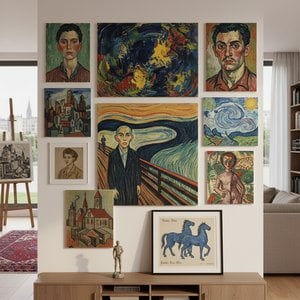
Top 10 Ekspressionismin Mestarityötä: Taidetta ja Tunnelmaa Kotiisi
Tutustu 10 ekspressionismin mestariteokseen! Munchin Huuto, Kandinskyn värit ja Die Brücken taidemaalarit. Taidetta kotiisi – löydä inspiraatiota ja korkealaatuiset taidevedokset ArtsDot.com:ista.

Egon Schielen 25 mestariteosta: Voimakas tunne ja taiteellinen syvyys seinillesi | ArtsDot
Tutustu Egon Schielen 25 vaikuttavinta teosta! Uppoudu ekspressionismin maailmaan, ihmiskuvauksen syvyyteen ja tunteelliseen taiteeseen. Löydä inspiraatiota sisustukseen ja korkealaatuiset taideprintit ArtsDot.com-sivustolta. Tutki kokoelma verkossa!

Egon Schiele: Expressionism, Anxiety & the Modern Condition – A Comprehensive Exploration
Explore the emotionally charged world of Egon Schiele (1890-1918). Discover his Expressionist masterpieces, psychological themes, and lasting impact on modern art. A comprehensive guide for collectors & enthusiasts.


