
- Etusivu

- Tuloste kankaalle
- Edwin Austin Abbey
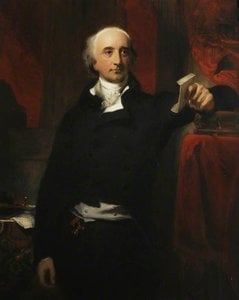
- The three guardsmen

 Tilaa maalaus Osta kuva
 Jaa
Jaa
 Jaa
Jaa
 Tarkemmat tiedot
 Lisää suosikkeihin

 Lataa
Lataa
 Samanlaisia
 Röntgenkuva
 Diaesitys
The three guardsmen
 Näytä lisää
Giclée-printit ja taideprintit
Museolaatuisia giclée- tai kankaitaulun tulosteita nopealla tuotannolla ja joustavilla viimeistelyvaihtoehdoilla.




































Valitse valmiista mitoistamme sellaiset, jotka vastaavat teoksen alkuperäisiä mittasuhteita.

Voit syöttää omat mitat sopiaksesi tiettyyn kehykseen tai tilaan. Jos valittu koko ei vastaa alkuperäisen kuvan mittasuhteita, rajaamme teosta tai laajennamme kuvaa peilatulla tai yhtenäisellä reunalla. Digitaalinen mallikuva lähetetään hyväksyttäväksi ennen tuotannon aloittamista.
Huomaathan, että näytöllä näkyvä esikatselu ei vastaa lopullista rajausta tai laajennusta. Vain mallikuva näyttää lopullisen sommittelun tarkasti.
Vaikka räätälöityjä kokoja on saatavilla, suosittelemme valitsemaan mitat valmiista listasta alkuperäisten mittasuhteiden säilyttämiseksi.
Toimitus maailmanlaajuisesti () kahdessa viikossa tavallisen 4–5 viikon sijaan. (18 heinäkuu)

Ilmainen pikatoimitus ympäri maailman

Korkealaatuinen pellavakangas

Kattava kuljetusvakuutus

Tulliveron palautustakuu

Täydellinen värien vastaavuustakuu

60 päivän palautusoikeus (vain valmistusvirheet)

100% rahat takaisin -takuu

Määräalennus tarjous
 Lasivaihtoehto on saatavilla vain alle 110 cm kokoisina teoksina

The three guardsmen
Giclée-printit ja taideprintit
Replikaatin koko
-


Kokonaishinta
-
Samankaltaisia teoksia




Taiteilijan elämäkerta
Edwin Austin Abbey (1852–1911)
Edwin Austin Abbey, born in Philadelphia on April 1st, 1852, emerged as a pivotal figure during what is now celebrated as the “golden age” of illustration. His journey began with formal training at the Pennsylvania Academy of the Fine Arts under Christian Schussele, where he cultivated a strong technical foundation that would serve him throughout his prolific career. However, Abbey’s early ambitions weren't solely focused on traditional painting; he quickly gravitated towards the burgeoning world of magazine illustration. Before reaching twenty years of age, his work began appearing in prominent publications like *Harper’s Weekly*, immediately establishing him as a talent to watch. This initial success wasn’t born in isolation—Abbey keenly studied the works of European masters, absorbing the dramatic chiaroscuro and intricate detail of artists such as Adolf Menzel and Daniel Vierge, alongside their English counterparts. These influences shaped his distinctive style, characterized by a masterful command of line and shadow, and an ability to imbue even simple illustrations with narrative depth. His early work demonstrated not just technical skill but also a burgeoning storytelling ability that would define his artistic trajectory.Early Life and Education
Abbey’s formative years were marked by a dedication to artistic pursuits from a young age. At fourteen, he began lessons with Isaac L. Williams, a local portrait and landscape painter in Philadelphia—a decision that foreshadowed his lifelong fascination with visual representation. Two years later, he enrolled in night classes at the Pennsylvania Academy of Fine Arts, furthering his technical expertise under Christian Schussele’s guidance. Schussele's influence would prove particularly significant, shaping Abbey’s understanding of composition and perspective – elements that would become hallmarks of his artistic style. Recognizing the importance of broadening his horizons beyond Philadelphia, Abbey moved to New York City in 1871—a strategic step that positioned him at the epicenter of America’s burgeoning publishing industry. It was here that he began his career as an illustrator, securing a position with *Harper’s Weekly* and embarking on a path that would solidify his reputation as one of the era's foremost visual artists.Illustrating Literary Giants
Abbey swiftly established himself as a sought-after illustrator for literary masterpieces of the Victorian period. He brought to life Dickens’ *Christmas Stories*, Herrick’s poetry, and Goldsmith’s *She Stoops to Conquer*, capturing the atmosphere and character nuances of each narrative with remarkable precision. Notably, Abbey undertook a transformative journey to England in 1878 at Harper & Brothers' invitation—a trip fueled by his desire to immerse himself in the artistic landscape of Victorian Britain. Inspired by the Pre-Raphaelites’ meticulous realism and expressive color palettes, Abbey sought to emulate their techniques while retaining his own distinctive vision. This experience profoundly impacted his artistic sensibilities, shaping his approach to storytelling and visual representation for years to come. He meticulously studied the works of artists like Menzel and Vierge, absorbing their stylistic innovations and honing his craft—a testament to his unwavering commitment to artistic excellence.The Holy Grail Murals: A Monumental Achievement
Abbey’s magnum opus remains the monumental series of murals adorning the Boston Public Library – collectively known as *The Quest and Achievement of the Holy Grail*. Beginning in 1890, Abbey labored tirelessly for eleven years on this ambitious project—a testament to his dedication and artistic stamina. The murals depict scenes from Arthurian legend with breathtaking detail and symbolic richness, showcasing Abbey’s mastery of composition, color theory, and narrative storytelling. This undertaking cemented his legacy as one of America's greatest muralists—a feat that required immense effort and unwavering focus. The project was completed by subsequent artists after Abbey’s untimely death in 1911 – a poignant reminder of the artist’s enduring vision and contribution to American art history.Style, Influence, and Legacy
Edwin Austin Abbey's artistic style is instantly recognizable for its masterful use of *chiaro-oscuro*, dramatic lighting that emphasizes form and creates a sense of depth. Critics consistently praised his “inexhaustible creativeness,” the “clearness and vividness of conception” in his work, and his “poetic perception of beauty.” He played a crucial role in elevating the status of illustration, bridging the gap between it and fine art during an era when illustrators were often undervalued. His murals remain significant examples of late 19th-century American art, demonstrating his ability to synthesize literary themes with visual grandeur. Abbey’s influence can be seen in subsequent generations of artists who sought to combine compelling narrative storytelling with artistic excellence. He died unexpectedly on August 1st, 1911, while working on a mural for the Pennsylvania State Capitol building in Harrisburg—leaving behind a legacy that continues to inspire and captivate audiences today. His work stands as a testament to the power of illustration and the enduring appeal of timeless stories.
Edwin Austin Abbey
1852 - 1911 , Yhdysvallat
Pikatiedot
- Artistic Movement Or Style: Illustraatioiden kulta-aika
- Artists Or Movements Influenced By This Artist: ['Shakespeare']
- Artists Who Influenced This Artist:
- Adolf Menzel
- Daniel Vierge
- Date Of Birth: April 1, 1852
- Full Name: Edwin Austin Abbey
- Nationality: Amerikkalainen
- Notable Artworks:
- The Dance
- Sally in our Alley
- Pyhä Graalin etsintä
- Place Of Death: August 1, 1911

