


 Katso seinällä
 Lähetä
 Jaa
Jaa
 Tarkemmat tiedot
 Opas
Opas

 Lataa kuva
 Samanlaisia kohteita
 Röntgenkuvaus
 Diaesitys
 Tilastot
Eve Picking the Forbidden Fruit


 Lue lisää
Käsinmaalattu öljyvärinen jäljennös
Käsinmaalattu öljyväri kankaalle haluamassasi koossa ja kehyksissä, taiteilijoidemme valmistamana tilauksesta. ( Vaihda tulosteeseen Siirry digitaaliseen kuvaan)




































Valitse valmiista mitoistamme sellaiset, jotka vastaavat teoksen alkuperäisiä mittasuhteita.

Voit syöttää omat mitat sopimaan tiettyyn kehykseen tai tilaan. Jos valitsemasi koko ei vastaa alkuperäisen kuvan mittasuhteita, rajaamme taideteoksen tai jatkamme maalausta käsin maalatuilla elementeillä. Digitaalinen esikatselu lähetetään hyväksyttäväksi ennen tuotannon aloittamista.
Huomioithan, että näytöllä oleva esikatselu ei vastaa todellista rajausta tai jatkamista. Vain digitaalinen mallikuva näyttää lopullisen sommittelun tarkasti.
Vaikka mittatilaustyöt ovat mahdollisia, suosittelemme valitsemaan mitan ennalta määritetystä listasta alkuperäisten mittasuhteiden säilyttämiseksi.
Tilauksen jälkeen ArtsDot.com -tiimi lähettää asiakkaalle sähköpostitse ohjeet ja esikatselukuvan.
Maailmanlaajuinen toimitus () 3–4 viikossa tavallisen 5 viikon sijaan. (25 syyskuu). Laadusta ei tingitä.

Ilmainen pikatoimitus ympäri maailman

Korkealaatuinen pellavakangas

Kattava kuljetusvakuutus

Tulliveron palautustakuu

Takuu täydellisestä värien vastaavuudesta

100 päivän palautusoikeus valmistusvirhetapauksissa

100% rahat takaisin -takuu

Määräalennus saatavilla
 Lasivaihtoehto on saatavilla vain alle 110 cm kokoisille teoksille

Eve Picking the Forbidden Fruit
Reproduktiotapa
Replikaatin koko
-


Kokonaishinta
$ 263
Samankaltaisia teoksia


Taiteilijan elämäkerta
Cincinnato Baruzzi (1796 – 1878): Sculptor of Elegance and Myth
Cincinnato Baruzzi (16 March 1796 – 28 January 1878) was an Italian sculptor and professor of sculpture at the Accademia di Belle Arti of Bologna from 1831 to 1859. Born in Imola, Italy, his parents were Vincenzo Luigi and Maria Tadolini, the daughter of the architect Francesco Tadolini. Baruzzi’s early life and education are not extensively documented; however, he pursued his artistic training diligently at the Accademia di Belle Arti of Bologna, where he honed his skills under the tutelage of Giacomo De Maria, absorbing the stylistic grandeur of artists like Caravaggio and Michelangelo Merisi Buonarroti – influences that would profoundly shape his own distinctive approach to sculpture.Early Artistic Development & Influences
Baruzzi’s formative years were marked by a deep immersion in classical art history. The Accademia’s curriculum emphasized meticulous observation of anatomy and disegno (drawing), fostering a foundational understanding of form and proportion crucial for achieving sculptural excellence. Notably, his exposure to the monumental sculptures of Michelangelo Buonarroti instilled within him an unwavering commitment to conveying emotion and grandeur through stone—a principle that would permeate his subsequent artistic endeavors. The legacy of Caravaggio’s dramatic chiaroscuro technique also subtly informed Baruzzi's stylistic sensibilities, encouraging a nuanced exploration of light and shadow as expressive tools.Career Highlights & Notable Works
Baruzzi established himself as a respected sculptor and educator, dedicating his life to fostering artistic talent within Bologna’s burgeoning art scene. His professional trajectory culminated in his appointment as Professor of Sculpture at the Accademia di Belle Arti from 1831 until his retirement in 1859—a role that allowed him to mentor generations of aspiring artists and solidify his position as a leading figure in Bolognese artistic culture. Among Baruzzi’s most celebrated achievements was his masterful depiction of Antonio Canova, capturing the artist's likeness with remarkable accuracy and conveying an aura of dignified repose. His sculptures gained recognition across Italy, finding their home in prestigious institutions like the Galleria Sabauda in Turin.Signature Style & Artistic Legacy
Baruzzi’s sculptural style is characterized by its refined elegance and meticulous attention to detail—traits that align seamlessly with the ideals of Neoclassicism. He favored marble as his primary medium, skillfully manipulating it to achieve breathtaking textural contrasts and luminous surfaces. Works such as *Eternità Velata* (Veiled Eternity) by Giacomo De Maria exemplify Baruzzi’s ability to imbue stone with spiritual depth and beauty—a testament to his profound understanding of artistic principles. Furthermore, sculptures like *Giunone che allatta Ercole* (Jupiter Nursing Hercules) by Giovanni Aldo Foratti showcased his talent for portraying mythological narratives with grace and dynamism. His enduring influence on Italian sculpture is palpable today, inspiring artists who continue to strive for sculptural excellence.Recognition & Remembrance
Cincinnato Baruzzi’s contribution to the artistic landscape of 19th-century Italy remains commemorated through numerous museums—including the Accademia di Belle Arti di Bologna itself—where his sculptures stand as enduring symbols of Bolognese artistic heritage. The Museo Sant'Agostino in Gubbio houses a significant collection of Baruzzi’s works, offering visitors an opportunity to appreciate his artistic vision firsthand. Sadly, one of Baruzzi’s most poignant creations, *Eve Picking the Forbidden Fruit*, was stolen in 1992—a loss that underscores the importance of safeguarding cultural treasures and preserving the memory of exceptional artists like Cincinnato Baruzzi.
Cincinnato Baruzzi
1796 - 1878 , Italy
Tietoa taiteilijasta
- Artistic Movement Or Style: Neoclassical
- Artists Or Movements Influenced By This Artist: ['Giovanni Aldo Foratti']
- Artists Who Influenced This Artist:
- Antonio Canova
- Michelangelo Merisi
- Date Of Birth: 1796
- Date Of Death: 1878
- Full Name: Cincinnato Baruzzi
- Nationality: Italian
- Notable Artworks:
- Eve Picking the Forbidden Fruit
- Eternità velata
- Giunone che allatta Ercole
- Ritratto di Antonio Canova
- Place Of Birth: Bologna, Italy
Aiheeseen liittyvät artikkelit

The Enduring Legacy of Marble: A Comprehensive Exploration of Technique, Symbolism & Artistic Expression
Explore the rich history of marble sculpture from antiquity to the Renaissance! Discover key techniques, influential artists & enduring themes in classical art. Expert insights for collectors and enthusiasts at ArtsDot.

The Enduring Form: Sculpture Across History, Technique & Emotional Resonance
Explore the rich history of sculpture with ArtsDot. Discover key techniques, influential artists & investment potential for discerning collectors. Expert insights into valuing and collecting timeless masterpieces.

The Enduring Form: Exploring Themes & Techniques in Sculpture Across Historical Periods
Explore the rich history of sculpture from ancient masterpieces to contemporary innovations. Discover key techniques, influential artists & investment potential for discerning art collectors.
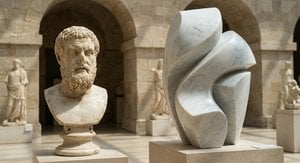
The Enduring Allure of Marble in Art History: From Classical Sculpture to Modern Abstraction
Explore the captivating history of marble sculpture from ancient Greece to modern art. Discover renowned artists like Canova & Michelangelo, carving techniques, and investment insights at ArtsDot.

10 legendaarista pronssiveistosta, jotka mullistivat taiteen – ArtsDot.com
Tutustu 10 legendaariseen pronssiveistokseen, jotka ovat muuttaneet taiteen historiaa! Rodinista Michelangeloon – opi mestareiden tarinat ja löydä täydellinen taideteos kotiisi ArtsDot.com:ssa. Laadukkaat jäljennökset & sisustusideat.