

- 62.0 x 75.0 cm


Kuva noudattaa valintojasi: , .
Keräilykohteen kuvaus
De Moor's upbringing instilled a deep appreciation for craftsmanship and realism—qua ADDITIONAL RESEARCH: {
 Lue lisää
Taiteilijan elämäkerta
Discover Carel de Moor, a Dutch Golden Age etcher & painter known for his intricate portraits & genre scenes. Explore his Leiden legacy & masterful technique.
Käsinmaalattu öljyvärinen jäljennös
Käsinmaalattu öljyväri kankaalle haluamassasi koossa ja kehyksissä, taiteilijoidemme valmistamana tilauksesta. ( Vaihda tulosteeseen Siirry digitaaliseen kuvaan)
Lisää tästä teoksesta
 Esikatselu
 Jaa teos
 Jaa
Jaa
 Tiedot
 Opas
Opas

 Lataa kuva
 Samanlaisia kohteita
 Röntgenkuvaus
 Diaesitys
 Kysymykset ja vastaukset
 Tilastot
Tilaa maalauksesi neljässä helpossa vaiheessa
Älä kiirehdi. Voit muuttaa mitä tahansa vastausta; tilauksesi loppusumma päivittyy jokaisen valinnan myötä.
1 Ensimmäinen vaihe neljästä
Minkä kokoisen haluaisit?
Nämä koot säilyttävät alkuperäisen maalauksen mittasuhteet. Piirros näyttää valitsemasi koon seinällä, kahden metrin pitkän sohvan yläpuolella.
Tai anna omat mitat
Valitse valmiista mitoistamme sellaiset, jotka vastaavat teoksen alkuperäisiä mittasuhteita.

Kirjoita tarvitsemasi leveys ja korkeus, jotta teos sopii kehyksiisi tai seinällesi. Koska kyseessä on käsinmaalattu teos, taiteilija voi maalata hieman enemmän kuvan ympärille tai rajata sitä hieman, jos haluat eri muotoisen koon — valinta on sinun. Lähetämme sinulle digitaalisen mallikuvan hyväksyttäväksi ennen kuin maalaus alkaa. Tällä sivulla näkyvä kuva ei vastaa lopullista tulosta — vain mallikuva näyttää sen.
2 Toinen vaihe neljästä
Miten teoksen tulisi olla valmiina: rullattuna, kangasjännitteenä vai kehystettynä?
Alla olevat hinnat koskevat ensimmäisessä vaiheessa valitsemaasi kokoa.
Valitse kangaspinnan reunat
Valitse kehys

Valkoinen reuna €1

pehmennetty reuna €1

Jatkuva reuna €1

P118B €10

P118H €10

P118W €10

P438Z €10

P508JH €12

P508YH €12

P805H €10

P805Z €10

P919BZ €10

P919G €10

P919XJ €10

P959ZH €10

P968JZ €12

W106C €8

W218G €10

W218JH €8

W218Y €10

W307PJ €10

W316G €10

W316PJ €8

W316Y €10

W398PJ €8

W4111J €10

W500HY €15

W500JH €15

W692G €12

W849H €8

W940BG €15

W953PJ €8

H24-GOLD €30

H24-SILVER €30

H36-GOLD €45

H36-SILVER €45
Kehystetty
Kehystys: . Kokonaismitat kehyksen kanssa: .
3 Kolmas vaihe neljästä
Haluaisitko tehdä maalaukseen jonkin muutoksen?
Useimmat vastaavat kieltävästi. Koska jokainen maalaus on käsintehty, taiteilijamme voi myös muokata sitä sinua varten.
Tilauksen jälkeen ArtsDot.com -tiimi lähettää asiakkaalle sähköpostia ohjeita varten ja toimittaa luonnoksen esikatselun
4 Neljäs vaihe neljästä
Muutamia viimeistelyvaihtoehtoja
Kaikki ovat valinnaisia. Jo valitut vastaukset eivät aiheuta lisäkustannuksia.
Kuka sen maalaa?
Maailmanlaajuinen toimitus () 3–4 viikossa tavallisen 5 viikon sijaan. (15 marraskuu). Laadusta ei tingitä.
Nimikyltti, kuten museossa?
Kaiverretun pronssilaatan tiedot
This elegant plaque features the artist's name and the title of the artwork, finely engraved for a timeless presentation.
It is made from bronze with a refined, elegant finish. The text is precisely laser-engraved for a sharp and permanent result. Measuring 9x2 cm, the plaque is compact yet easy to read. It's built to be durable and scratch-resistant, offering a professional, museum-quality look. Mounting is simple thanks to the included adhesive backing.
Läpinäkyvän akryylilaatan tiedot
The plaque includes essential engraved details such as the artist's name, the title of the artwork, the date it was created, the type of media used-like oil on canvas or watercolor-a brief description of the piece, and a QR code that links to the complete artwork information.
It is crafted from clear acrylic, offering a sleek, modern appearance. The text is UV-engraved in black to ensure strong visual contrast. With a size of 10x15 cm, it ensures optimal readability. It comes equipped with two metal hooks for secure wall mounting. The plaque is designed to be weather-resistant, making it suitable for various environments, and it includes interactive features that work seamlessly with smartphone scanning.
Mustan akryylilaatan tiedot
This elegant plaque includes engraved information such as the artist's name, the title of the artwork, the date it was created, the type of media used (like oil on canvas or watercolor), a short description of the artwork, and a QR code for quick access to more information.
The plaque itself is made from refined black acrylic with a premium finish. The text is laser-engraved in white for high contrast and readability. Its size is 10x15 cm, designed to be easy to read. It comes with two metal hooks for professional mounting. The design is sleek and fits any interior style. It is also weather-resistant and durable, with built-in digital integration for mobile compatibility.
Suojaava lakka?
Milloin tarvitset sen?
✓ Tarkista ja tilaa
Maalauksesi juuri niin kuin tilasit

Angler
Reproduktiotekniikka
Replikaatin koko
-

Kokenut huipputaiteilija
Lisää yksityiskohtia, hienostuneisuutta ja enemmän aikaa tuotantoon
-

Reproduktion kehystysvaihtoehdot
-
-
Teoksille tai reproduktioille, joiden mikä tahansa sivu on suurempi kuin 105 cm (noin 41 tuumaa), kehys toimitetaan osina purettuna sarjana. Tämä menetelmä varmistaa turvallisen toimituksen ja ehkäisee vaurioita kuljetuksen aikana.
Vaatii ammattimaista kokoamista – kyseessä ei ole tee-se-itse-tuote.
Sarja on koottava ja kangas kiristettävä kokeneen kehystysammattilaisen toimesta käyttäen puuliimaa (ei sisälly pakkaukseen), kangaspinnetteitä ja puristimia, jotta kehyksen kulmat pysyvät suorina liiman kuivuessa. Virheellinen kokoaminen tai epätasainen kankaan kiristys voi vaurioittaa teosta pysyvästi, eikä tällaiset vauriot ala takuun piiriin.
 Teoksille tai reproduktioille, joiden mikä tahansa sivu on suurempi kuin 105 cm (noin 41 tuumaa), kehys toimitetaan osina purettuna sarjana. Tämä menetelmä varmistaa turvallisen toimituksen ja ehkäisee vaurioita kuljetuksen aikana.
Kaikki massiivipuupalat sisältyvät, tarkasti mittojen mukaan leikattuina.
Kootaan mukana tulevilla ruuveilla sekä kulmaliitoksia varten tarvittavalla puuliimalla, jota ei toimiteta, joten se on hankittava kehystäjältä.
Vaatii ammattilaisvälineitä, jotka eivät sisälly pakkaukseen: kankaan venytyspihdit (kiristin) ja puristimet, joilla pidetään kehyksen puut suorassa liiman kuivuessa.
Tärkeää:
Kulmaliitoksissa tarvitaan puuliimaa, kehyksien osat on pidettävä puristimilla, kunnes liima on täysin kuivunut, ja koottuun kehykseen jännitettävän kankaan kiristämiseen tarvitaan kangaspenssipihti. Mikään näistä ei sisälly pakkaukseen. Suosittelemme varmistamaan kokeneen kehystäjän saatavuuden ennen tämän kokoisen kehyksen tilaamista.

Nimilaatta
-
-

Suojalakkaus
Kiiltävä lakka (syventää värejä, suojaa valolta ja kosteudelta)
-

Mukauta taideteokseni
Esimerkkejä muokattavista asioista: Vaihda kasvot asiakkaan omaan valokuvaan; Lisää lemmikki (esim. vaihda kissa koiraan); Lisää taustalle piilotettu viesti; Muuta taustan maisemaa tai elementtejä.
-

Pikatoimitus
Maailmanlaajuinen toimitus () 3–4 viikossa tavallisen 5 viikon sijaan. (15 marraskuu). Laadusta ei tingitä.
-
Pikatoimitus
Maailmanlaajuinen toimitus () 5 viikon kuluessa. (22 marraskuu).
Sisältyy hintaan
Kokonaishinta
€ 278
Lasivaihtoehto on saatavilla vain alle 110 cm kokoisille teoksille
Sisältyy jokaiseen tilaukseen
- Ilmainen pikatoimitus ympäri maailman
- Korkealaatuinen pellavakangas
- Kattava kuljetusvakuutus
- Tulliveron palautustakuu
- Takuu täydellisestä värien vastaavuudesta
- 100 päivän palautusoikeus (vain valmistusvirheet)
- 100% rahat takaisin -takuu
- Määräalennus tarjolla


Angler - A Portrait of Rural Tranquility
The painting “Angler” by Carel de Moor (1655 – 1738), created around 1700, stands as a quintessential example of Leiden’s Baroque landscape tradition—a genre distinguished by its meticulous realism and profound engagement with the natural world. More than just a depiction of fishing activity, it embodies an idealized vision of rural life, capturing a moment of serene contemplation amidst pastoral beauty.- Subject Matter: The artwork portrays three figures – a young man diligently tending to his fishing line by a pond or canal—a scene rendered with remarkable detail—and two companions observing him from a weathered wooden fence. A milkmaid stands nearby, her gaze directed towards the fisherman’s actions, adding an element of domesticity and quiet observation to the composition.
- Style: De Moor adheres closely to the conventions established by Leiden’s leading artists of his era, notably Gerard Dou and Frans van Mieris. This stylistic lineage emphasizes clarity of form, subtle tonal gradations, and a masterful rendering of textures—characteristics that elevate “Angler” beyond mere representation into an emotionally resonant experience.
- Technique: Executed in oil on canvas using traditional brushwork techniques, the painting showcases De Moor’s exceptional skill in achieving luminous effects and conveying atmospheric depth. Glazes were skillfully employed to subtly modulate color hues and enhance the overall sense of realism—a testament to the artist's dedication to mastering the medium.
Composition & Perspective – A Triangular Harmony
The painting’s compositional structure is notably balanced, utilizing a triangular arrangement that draws the viewer’s eye towards the central figure—the fisherman himself. This deliberate positioning underscores his importance within the scene and establishes a visual hierarchy that guides the gaze across the canvas. Linear perspective contributes to creating depth, subtly diminishing the scale of distant buildings and emphasizing the immediacy of the pond’s surface. Aerial perspective—characterized by muted colors and softened contours—further enhances this illusion of distance, immersing the viewer in the tranquil atmosphere of the countryside.Color Palette & Light – Subtle Nuances of Pastoral Dusk
The color palette is dominated by earthy tones—ochres, browns, and greens—reflecting the natural environment depicted. However, subtle accents of blue—primarily in the sky—introduce a contrasting element that adds visual interest and reinforces the mood of quiet contemplation. Highlights of yellow illuminate the distant buildings and foliage, creating points of warmth against the cooler hues of the landscape. The diffused lighting suggests an overcast day or early morning light—conditions conducive to fostering serenity and enhancing the painting’s emotional impact.Symbolism & Emotional Resonance – Reflections of Inner Peace
Beyond its visual beauty, “Angler” carries symbolic weight. The act of fishing itself can be interpreted as representing patience, perseverance, and a connection to the rhythms of nature—values deeply cherished during the Baroque period. The figures’ postures convey calmness and repose, embodying an idealized vision of human existence harmoniously integrated with the natural world. Ultimately, De Moor's masterpiece invites contemplation on themes of tranquility, simplicity, and the enduring allure of pastoral landscapes.Historical Context – Leiden’s Artistic Legacy
Carel de Moor’s work is firmly rooted in Leiden’s artistic heritage—a tradition characterized by an unwavering commitment to realism and a profound appreciation for observation. Situated within the broader context of the Dutch Golden Age, “Angler” exemplifies the stylistic ideals that prevailed during this era—reflecting a fascination with capturing fleeting moments of beauty and conveying nuanced emotional states through masterful technique. It stands as a lasting testament to Leiden’s enduring contribution to European art history.Kysymykset ja vastaukset
Millaista tunnelmaa Carel de Moor:n "Angler" -teoksen reproduktio toisi huoneeseen?
Carel de Moor:n "Angler"-teoksessa on Serene tunnelma, ja se sopii erinomaisesti Living Room-tilaan. Tunnelmalla tarkoitetaan sitä, minkä fiiliksen teos tuo ympäröivään tilaan.
Onko Carel de Moor:n "Angler" tunnettu teos?
Teoksella Carel de Moor:n "Angler" on Recognized suosioaste. Tämä luokitus heijastaa teoksen tunnettuutta.
Ovatko "Angler" värit voimakkaita vai pehmeitä?
Teoksen "Angler" väri-intensiteetti on Monochromatic. Intensiteetti kuvaa värien voimakkuutta.
Samankaltaisia teoksia


Carel de Moor
1655 - 1738, Netherlands
Taiteilijan elämäkerta
The Meticulous Legacy of Carel de Moor
In the vibrant, light-drenched era of the Dutch Golden Age, where the mastery of shadow and substance defined a generation, Carel de Moor emerged as a quiet yet profound architect of detail. Born in Leiden in 1655, de Moor was not merely an observer of his time but a product of a deeply rooted artistic lineage. As the son of a painter and art dealer, his very existence was entwined with the textures of oil and the precision of the etching needle. While history often celebrates the more flamboyant rebels of the seventeenth century, de Moor’s greatness lay in his devotion to fijnschilder—the fine painting style—a method that demanded an almost superhuman level of patience and a surgical command over light.
His formative years were shaped by the prestigious artistic circles of Leiden, where he studied under legendary masters such as Gerard Dou and Frans van Mieris. These mentors instilled in him the foundational principles of the Leiden school: an obsession with microscopic realism and the ability to transform a flat canvas into a window of tactile reality. De Moor did not seek to overturn the traditions of his predecessors; instead, he sought to perfect them. Through his apprenticeship, he mastered the delicate art of chiaroscuro, learning how to use the dramatic interplay of light and shadow to breathe psychological life into his subjects, turning a simple portrait into a profound study of human character.
A Master of Portraiture and Genre
The breadth of de Moor’s oeuvre reflects a versatile spirit capable of navigating both the intimate and the atmospheric. He was particularly renowned for his portraits, which captured the dignity and subtle emotions of the Dutch citizenry with unparalleled grace. In these works, one can observe a remarkable ability to render the sheen of silk, the weight of velvet, and the translucent quality of skin, all while maintaining a sense of soulful presence. His portraits were not merely records of likeness but explorations of identity, often utilizing soft, directional light to highlight the contemplative expressions of his sitters.
Beyond the formal confines of portraiture, de Moor excelled in genre scenes—narrative paintings that captured the rhythms of everyday life. Whether depicting a tranquil moment of rural leisure or a more complex social interaction, his work always maintained a sense of stilleven-like precision. Some of his most evocative works include:
- The Angler: A masterful distillation of the Dutch Baroque aesthetic, where the quietude of nature and the focused movement of the fisherman create a sense of eternal peace.
- Self-Portraits: Introspective studies that reveal the artist’s own evolving technique and his deep connection to the traditions of his mentors.
- Soldier Scenes: Works that demonstrate his ability to handle more dynamic, crowded compositions while retaining his signature clarity and detail.
Historical Significance and Artistic Endurance
As the seventeenth century transitioned into the eighteenth, de Moor’s role as a leader within the St. Luke’s Guild and his service as a deacon underscored his high social and professional standing in Leiden. He was a pillar of the artistic community, bridging the gap between the intense realism of the early Golden Age and the more refined, elegant sensibilities of the following era. His etchings, characterized by their incredible tonal range and fine linework, allowed his artistry to reach beyond the walls of private collections, spreading the influence of the Leiden style through the medium of print.
Though he may not have possessed the revolutionary fire of a Rembrandt, Carel de Moor’s contribution to the canon of European art is immeasurable. He provided the essential continuity of excellence that allowed Dutch painting to maintain its prestige. Today, his works housed in institutions like the Rijksmuseum and Museum De Lakenhal serve as enduring testaments to a life dedicated to the pursuit of perfection. He remains a master of the subtle, reminding us that true greatness often resides in the quietest, most meticulously rendered details.
Aiheeseen liittyvät artikkelit
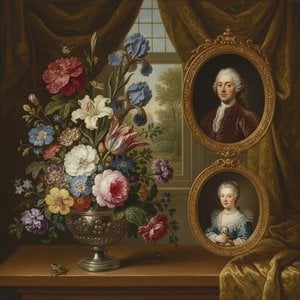
Jan van Kessel the Elder: A Baroque Master of Floral Still Life & Miniature Portraiture
Discover the exquisite detail of Jan van Kessel the Elder's Baroque floral still lifes & captivating miniatures. Explore his artistic legacy, scientific precision, and lasting influence on 17th-century Flemish painting.

Hollantilaisen barokin mestariteokset: Taidetta ja inspiraatiota kotiin
Uppoudu hollantilaisen barokin maailmaan! Tutustu Rembrandtin, Vermeerin ja muiden mestarien ikonisiin teoksiin. Taidetta, historiaa ja inspiraatiota kotiisi – löydä upeat reproduktiot ArtsDot.comista.

The Architecture of Depth: A Guide to Layered Composition in Art and Photography
Master the art of layered composition through expert analysis of depth and technique. Learn to create immersive images today.