

 Tilaa painos Tilaa maalaus
 Jaa
Jaa
 Jaa
Jaa
 Tarkemmat tiedot
 Lisää suosikkeihin

 Lataa
Lataa
 Samanlaisia
 Röntgenkuva
 Diaesitys
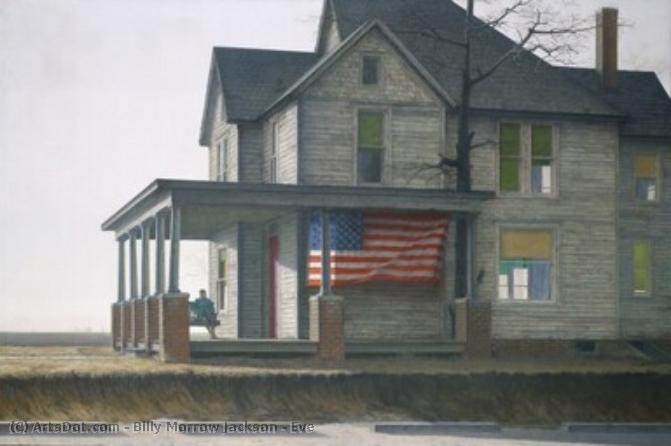
Eve
 1967
1967 122.0 x 183.0 cm
 Näytä lisää
Osta korkearesoluutioinen, parannettu digitaalikuva, joka on laadultaan huomattavasti parempi kuin verkkosivuston esikatselu.
Jokainen tiedosto valmistellaan huolellisesti omien asiantuntijoidemme toimesta käyttäen edistyneitä työkaluja ja ammattitaitoista manuaalista retusointia. Varmistamme, että jokaisessa kuvassa on poikkeuksellinen selkeys, tarkka värintoisto ja hienovaraiset yksityiskohdat.
Lopputiedosto toimitetaan sähköpostitse 72 tunnin kuluessa, ja se on optimoitu välittömään käyttöön ammattimaisissa, toimituksellisissa ja painoympäristöissä. Laatu on sama, johon huipputason suunnittelustudiot, kustantajat ja galleriat luottavat.
Digitaalinen kuva
Lataa korkearesoluutioinen tiedosto henkilökohtaiseen näyttelyyn, tulostamiseen ja luoviin projekteihin.
Sisältyy jokaiseen digitaalisen kuvan tilaukseen
Asiantunteva digitaalinen toimitus, taattuun laatuun
Kun valitset ArtsDot.com-palvelun, et saa vain kuvaa – saat ammattimaisesti parannetun digitaalisen taideteoksen, joka on luotu tarkkuudella ja jonka takaa tulee tyytyväisyystakuu. Tässä on kaikki, mitä tilauksesi sisältää, automaattisesti:

Nopea digitaalinen toimitus
Korkearesoluutioinen digitaalinen kuvatiedostosi lähetetään sähköpostiisi 72 tunnin kuluessa tilauksesta – valmiina käytettäväksi välittömästi.

Tekoälyllä parannettu digitaalinen tiedosto
Taiteilijasi teos on optimoitu ammattimaisesti edistyneiden tekoälytyökalujen ja manuaalisen muokkauksen avulla, mikä takaa maksimaalisen yksityiskohtaisuuden, selkeyden ja väritarkkuuden.

Ilmainen elinikäinen uudelleenlähetyspalvelu
Oletko vahingossa poistanut tai kadottanut tiedostosi? Ei hätää – lähetämme sen sinulle uudelleen milloin tahansa täysin maksutta.

Ei tuontimaksuja – koskaan
Nauti taiteestasi välittömästi ilman tulleja, veroja tai toimitusmaksuja – digitaaliset lataukset ovat aina verovapaita.

Värintoiston tarkkuustakuu
Varmistamme, että digitaalinen kuvasi vastaa alkuperäisiä värejä mahdollisimman tarkasti käyttämällä ammattilaistason työkaluja ja värinhallintaa.

60 päivän tyytyväisyystakuu
Jos et ole tyytyväinen digitaaliseen kuvaasi, muokkaamme sitä tai palautamme 100% takaisin 60 päivän kuluessa – ilman kysymyksiä.

100% Rahat takaisin -takuu
Etkö ole tyytyväinen? Saat täyden hyvityksen 60 päivän kuluessa digitaalisen tiedostosi vastaanottamisesta – ilman kyselyitä.

Suurtilaaja-alennukset
Osta 3 kuvaa, säästä 10% - Osta 5, säästä 15% - Osta 10+, säästä 20%. Erinomainen valinta luoviin projekteihin, gallerioille ja toimistoille.
Samankaltaisia teoksia


Taiteilijan elämäkerta
Billy Morrow Jackson: A Midwestern Luminist's Embrace of Ambiguity
Billy Morrow Jackson (1926–2006) was an American painter whose distinctive style blended luminist influences with a profound engagement with the Midwest landscape and social commentary. Born in Kansas City, Missouri, his artistic journey began modestly but blossomed into a prolific career marked by both technical mastery and intellectual curiosity—a testament to his unwavering belief that art could transcend mere visual representation to provoke contemplation and emotion. Jackson’s formative years were shaped by the Great Depression, which instilled in him a resilience and pragmatism that would inform his approach to art throughout his life. He pursued formal education diligently, earning a Bachelor of Fine Arts from Washington University in St. Louis in 1949 and an MFA from the University of Illinois Urbana-Champaign in 1954. These institutions provided invaluable exposure to influential teachers like Max Beckmann, Fred Conway, and Abraham Rattner—artists who championed expressionism and encouraged Jackson to explore the complexities of human experience through bold artistic choices. His early artistic explorations centered on woodcuts and lithographs, reflecting a fascination with printmaking techniques that would later translate into his paintings. However, it was in 1955 that Jackson decisively shifted towards oil painting, adopting a style he termed “representational surrealism.” This approach distinguished him from many of his contemporaries who were gravitating toward abstract expressionism—a reaction against its dominance—and instead prioritized capturing the essence of his subjects while simultaneously injecting subtle ambiguities and exploring compositional dynamics reminiscent of luminist painters like John Constable and Joseph M. W. Turner. The luminists’ penchant for depicting expansive landscapes with a romantic sensibility clearly resonated with Jackson's artistic vision, as evidenced by his recurring use of sky imagery—a dominant feature in numerous canvases—which served to heighten the sense of grandeur and expanse. Jackson’s career gained considerable momentum during the late 1960s when realism emerged as a significant movement within American art. Artists like Richard Estes and Chuck Close championed photorealism, pushing the boundaries of artistic technique and challenging viewers to confront the materiality of paint and canvas. While Jackson's work undeniably embraced realist principles—particularly in his Midwest landscapes—he simultaneously incorporated elements that acknowledged the influence of luminist aesthetics. This duality underscored his belief that art could convey profound truths about human existence without resorting to simplistic depictions or overt emotional displays. Throughout his lifetime, Jackson received commissions from governmental organizations including NASA and state capitol buildings—opportunities that allowed him to engage in socially conscious projects. His murals for Olympia, Washington and Springfield, Illinois powerfully communicated themes of civic responsibility and the importance of preserving cultural heritage. Furthermore, he was recognized as a leading voice in the Civil Rights Movement through his politically charged prints which captured the spirit of the era. These works stand as enduring symbols of artistic activism and demonstrate Jackson’s commitment to using art as a tool for social change. Jackson's legacy extends beyond his individual paintings; he established Jackson Studios, fostering collaborative artistic endeavors and mentoring aspiring artists—a testament to his generosity and dedication to nurturing talent within the creative community. His artwork continues to inspire admiration and contemplation, cementing his place as one of the most important landscape painters of the mid-century American art scene. He passed away in 2006 leaving behind a rich body of work that embodies both technical brilliance and intellectual depth—a testament to his enduring contribution to American art history.
billy morrow jackson
1926 - 2006 , United States of America
Lyhyesti esiteltynä
- Artistic Movement Or Style: Representational Surrealism
- Artists Or Movements Influenced By This Artist:
- John Constable
- Joseph M. W. Turner
- Andrew Wyeth
- Edward Hopper
- Artists Who Influenced This Artist:
- Max Beckmann
- Fred Conway
- Abraham Rattner
- Date Of Birth: 1926
- Date Of Death: 2006
- Full Name: Billy Morrow Jackson
- Nationality: American
- Notable Artworks:
- Prairie Life, 1971
- Stars and Bars
- Place Of Birth: Kansas City, United States

