
Gartentor

- 22.0 x 25.0 cm


Kuva noudattaa valintojasi: , .
Keräilykohteen kuvaus
Experience August Macke's 'Gartentor,' a serene 1914 watercolor capturing everyday beauty with Fauvist influences. Explore German Expressionism & tranquility.
 Lue lisää
Taiteilijan elämäkerta
Der Blaue Reiter -ryhmän keskeinen hahmo Macke tunnetaan eloisista väreistään. Tutustu tämän ekspressionismin mestarin valoisaan maailmaan.
Tilaa neljässä helpossa vaiheessa
Älä kiirehdi. Voit muuttaa mitä tahansa vastausta; tilauksesi loppusumma päivittyy jokaisen valinnan myötä.
1 Ensimmäinen vaihe neljästä
Minkä kokoisen haluaisit?
Nämä koot säilyttävät alkuperäisen maalauksen mittasuhteet. Piirros näyttää valitsemasi koon seinällä, kahden metrin pitkän sohvan yläpuolella.
Tai anna omat mitat
Valitse valmiista mitoistamme sellaiset, jotka vastaavat teoksen alkuperäisiä mittasuhteita.

Kirjoita tarvitsemasi leveys ja korkeus, jotta teos sopii kehyksiisi tai seinällesi. Koska kyseessä on käsinmaalattu teos, taiteilija voi maalata hieman enemmän kuvan ympärille tai rajata sitä hieman, jos haluat eri muotoisen koon — valinta on sinun. Lähetämme sinulle digitaalisen mallikuvan hyväksyttäväksi ennen kuin maalaus alkaa. Tällä sivulla näkyvä kuva ei vastaa lopullista tulosta — vain mallikuva näyttää sen.
2 Toinen vaihe neljästä
Miten teoksen tulisi olla valmiina: rullattuna, kangasjännitteenä vai kehystettynä?
Alla olevat hinnat koskevat ensimmäisessä vaiheessa valitsemaasi kokoa.
Valitse kangaspinnan reunat
Valitse kehys

Valkoinen reuna €1

pehmennetty reuna €1

Jatkuva reuna €1

P118B €10

P118H €10

P118W €10

P438Z €10

P508JH €12

P508YH €12

P805H €10

P805Z €10

P919BZ €10

P919G €10

P919XJ €10

P959ZH €10

P968JZ €12

W106C €8

W218G €10

W218JH €8

W218Y €10

W307PJ €10

W316G €10

W316PJ €8

W316Y €10

W398PJ €8

W4111J €10

W500HY €15

W500JH €15

W692G €12

W849H €8

W940BG €15

W953PJ €8

H24-GOLD €30

H24-SILVER €30

H36-GOLD €45

H36-SILVER €45
Kehystetty
Kehystys: . Kokonaismitat kehyksen kanssa: .
3 Kolmas vaihe neljästä
Haluaisitko tehdä maalaukseen jonkin muutoksen?
Useimmat vastaavat kieltävästi. Koska jokainen maalaus on käsintehty, taiteilijamme voi myös muokata sitä sinua varten.
Tilauksen jälkeen ArtsDot.com -tiimi lähettää asiakkaalle sähköpostia ohjeita varten ja toimittaa luonnoksen esikatselun
4 Neljäs vaihe neljästä
Muutamia viimeistelyvaihtoehtoja
Kaikki ovat valinnaisia. Jo valitut vastaukset eivät aiheuta lisäkustannuksia.
Kuka sen maalaa?
Maailmanlaajuinen toimitus () 3–4 viikossa tavallisen 5 viikon sijaan. (19 marraskuu). Laadusta ei tingitä.
Nimikyltti, kuten museossa?
Kaiverretun pronssilaatan tiedot
This elegant plaque features the artist's name and the title of the artwork, finely engraved for a timeless presentation.
It is made from bronze with a refined, elegant finish. The text is precisely laser-engraved for a sharp and permanent result. Measuring 9x2 cm, the plaque is compact yet easy to read. It's built to be durable and scratch-resistant, offering a professional, museum-quality look. Mounting is simple thanks to the included adhesive backing.
Läpinäkyvän akryylilaatan tiedot
The plaque includes essential engraved details such as the artist's name, the title of the artwork, the date it was created, the type of media used-like oil on canvas or watercolor-a brief description of the piece, and a QR code that links to the complete artwork information.
It is crafted from clear acrylic, offering a sleek, modern appearance. The text is UV-engraved in black to ensure strong visual contrast. With a size of 10x15 cm, it ensures optimal readability. It comes equipped with two metal hooks for secure wall mounting. The plaque is designed to be weather-resistant, making it suitable for various environments, and it includes interactive features that work seamlessly with smartphone scanning.
Mustan akryylilaatan tiedot
This elegant plaque includes engraved information such as the artist's name, the title of the artwork, the date it was created, the type of media used (like oil on canvas or watercolor), a short description of the artwork, and a QR code for quick access to more information.
The plaque itself is made from refined black acrylic with a premium finish. The text is laser-engraved in white for high contrast and readability. Its size is 10x15 cm, designed to be easy to read. It comes with two metal hooks for professional mounting. The design is sleek and fits any interior style. It is also weather-resistant and durable, with built-in digital integration for mobile compatibility.
Suojaava lakka?
Milloin tarvitset sen?
✓ Tarkista ja tilaa
Maalauksesi juuri niin kuin tilasit

Gartentor
Reproduktiotekniikka
Replikaatin koko
-

Kokenut huipputaiteilija
Lisää yksityiskohtia, hienostuneisuutta ja enemmän aikaa tuotantoon
-

Reproduktion kehystysvaihtoehdot
-
-
Teoksille tai reproduktioille, joiden mikä tahansa sivu on suurempi kuin 105 cm (noin 41 tuumaa), kehys toimitetaan osina purettuna sarjana. Tämä menetelmä varmistaa turvallisen toimituksen ja ehkäisee vaurioita kuljetuksen aikana.
Vaatii ammattimaista kokoamista – kyseessä ei ole tee-se-itse-tuote.
Sarja on koottava ja kangas kiristettävä kokeneen kehystysammattilaisen toimesta käyttäen puuliimaa (ei sisälly pakkaukseen), kangaspinnetteitä ja puristimia, jotta kehyksen kulmat pysyvät suorina liiman kuivuessa. Virheellinen kokoaminen tai epätasainen kankaan kiristys voi vaurioittaa teosta pysyvästi, eikä tällaiset vauriot ala takuun piiriin.
 Teoksille tai reproduktioille, joiden mikä tahansa sivu on suurempi kuin 105 cm (noin 41 tuumaa), kehys toimitetaan osina purettuna sarjana. Tämä menetelmä varmistaa turvallisen toimituksen ja ehkäisee vaurioita kuljetuksen aikana.
Kaikki massiivipuupalat sisältyvät, tarkasti mittojen mukaan leikattuina.
Kootaan mukana tulevilla ruuveilla sekä kulmaliitoksia varten tarvittavalla puuliimalla, jota ei toimiteta, joten se on hankittava kehystäjältä.
Vaatii ammattilaisvälineitä, jotka eivät sisälly pakkaukseen: kankaan venytyspihdit (kiristin) ja puristimet, joilla pidetään kehyksen puut suorassa liiman kuivuessa.
Tärkeää:
Kulmaliitoksissa tarvitaan puuliimaa, kehyksien osat on pidettävä puristimilla, kunnes liima on täysin kuivunut, ja koottuun kehykseen jännitettävän kankaan kiristämiseen tarvitaan kangaspenssipihti. Mikään näistä ei sisälly pakkaukseen. Suosittelemme varmistamaan kokeneen kehystäjän saatavuuden ennen tämän kokoisen kehyksen tilaamista.

Nimilaatta
-
-

Suojalakkaus
Kiiltävä lakka (syventää värejä, suojaa valolta ja kosteudelta)
-

Mukauta taideteokseni
Esimerkkejä muokattavista asioista: Vaihda kasvot asiakkaan omaan valokuvaan; Lisää lemmikki (esim. vaihda kissa koiraan); Lisää taustalle piilotettu viesti; Muuta taustan maisemaa tai elementtejä.
-

Pikatoimitus
Maailmanlaajuinen toimitus () 3–4 viikossa tavallisen 5 viikon sijaan. (19 marraskuu). Laadusta ei tingitä.
-
Pikatoimitus
Maailmanlaajuinen toimitus () 5 viikon kuluessa. (26 marraskuu).
Sisältyy hintaan
Kokonaishinta
€ 234
Lasivaihtoehto on saatavilla vain alle 110 cm kokoisille teoksille
Sisältyy jokaiseen tilaukseen
- Ilmainen pikatoimitus ympäri maailman
- Korkealaatuinen pellavakangas
- Kattava kuljetusvakuutus
- Tulliveron palautustakuu
- Takuu täydellisestä värien vastaavuudesta
- 100 päivän palautusoikeus (vain valmistusvirheet)
- 100% rahat takaisin -takuu
- Määräalennus tarjolla


Gartentor: A Glimpse of Tranquility by August Macke
The painting *Gartentor* (Garden Gate) is a captivating watercolor artwork created in 1914 by the renowned German Expressionist artist, August Macke. This piece exemplifies Macke's unique style and artistic vision, deeply influenced by the Fauvism movement. Measuring 22 x 25 cm, *Gartentor* is a testament to Macke’s ability to capture the essence of everyday life with simplicity and elegance.
Artistic Style and Influences
August Macke was a leading member of the German Expressionist group Der Blaue Reiter (The Blue Rider). He lived during an innovative time for German art, witnessing the development of Expressionist movements and the arrival of avant-garde styles. His artistic style is characterized by bold colors and geometric shapes, evident in *Gartentor*. The painting depicts a fence with blue bars and red posts situated before a house featuring a red roof. A dog stands near the fence, observing it, while two potted plants flank the scene. The overall atmosphere is calm and serene; the house and fence create a sense of tranquility.
Composition and Technique
*Gartentor* showcases Macke’s mastery of watercolor technique. He employs loose brushstrokes and washes to achieve a luminous effect, prioritizing atmosphere over precise detail. The composition is somewhat impressionistic, with shapes simplified – the house is a basic rectangular form, and the gate an irregular structure. The use of lines is gestural, defining forms without strict adherence to linear perspective. Depth is created through atmospheric perspective; objects further away are paler and less distinct. The color palette is dominated by blues, greens, reds, and yellows, creating a harmonious yet slightly melancholic mood. Macke’s skillful blending of colors contributes to the painting's serene quality.
Historical Context and Symbolism
Created in 1914, *Gartentor* reflects a period of significant social and artistic change in Germany. Expressionism emerged as a response to the anxieties and uncertainties of modern life, seeking to express subjective emotions rather than objective reality. Macke’s work, while rooted in Fauvist principles of color experimentation, also demonstrates an interest in abstraction and simplification, foreshadowing later developments in art. The gate itself can be interpreted symbolically – representing entry into a new phase or a boundary between spaces. The tranquil scene offers a moment of respite amidst the growing tensions leading up to World War I.
Emotional Impact and Legacy
*Gartentor* evokes a sense of nostalgia and quietude, inviting viewers to appreciate the beauty in everyday life. Macke’s ability to capture such serenity with simple forms and vibrant colors is what makes this painting so captivating. As a prominent figure in early 20th-century art, August Macke left an indelible mark on the world of art, making his paintings, including *Gartentor*, a must-see for art enthusiasts.
- For more information on August Macke and his artworks, visit https://ArtsDot.com/@/August-Macke
- To explore other paintings by August Macke, such as Tunis landscape with a sedentary Arabs and On the Street, visit /en/art/show/art-8xxpfd-en/
- Learn more about the Musée de l'Armée and its collection of French art at /art/list/?Filter=A@D3AQ77-Discover-the-Masterpieces-of-Musee-de-l-Armee-(Paris-France)-with-ArtsDot
- Handmade oil painting reproductions of *Gartentor* and other artworks by August Macke are available at https://ArtsDot.com. These reproductions are created using high-quality materials and techniques, ensuring that they are both durable and visually stunning.
Kysymykset ja vastaukset
Minkälaista tunnelmaa German Expressionism-tyylinen "Gartentor" välittää?
"Gartentor" välittää Tranquil tunnetilan German Expressionism-tyylisuunnan sisällä.
Miten teoksen "Gartentor" tyyli suhteutuu sen tekijän aikakauteen?
August Macke:n "Gartentor" kuuluu German Expressionism-suuntaukseen ja sijoittuu tekijänsä Modernismi aikakaudelle.
Miltä historialliselta aikakaudelta August Macke:n "Gartentor" on peräisin?
August Macke:n "Gartentor" on peräisin Modern-kaudelta. Kyseinen aikakausi antaa teokselle historiallisen kontekstin.
Lisää tästä teoksesta
 Esikatselu
 Vaihda tulosteeseen
 Jaa teos
 Jaa
Jaa
 Tiedot
 Opas
Opas

 Lataa kuva
 Samanlaisia kohteita
 Röntgenkuvaus
 Diaesitys
 Kysymykset ja vastaukset
 Tilastot
Samankaltaisia teoksia


August Macke
1887 - 1914, Saksa
Taiteilijan elämäkerta
Varhaisluonnon vuodet, perhe ja taiteellinen kasvu
August Macken tarina saa alkunsa Saksan Mescheden kaupungissa, jossa hän syntyi 3. tammikuuta 1887. Hän oli rakennusurakoitsija ja amatööritaiteilija August Friedrich Hermann Macken sekä Maria Florentinen ainoa poika. Hänen lapsuuttaan leimasivat isän yrityksen vaihtelevat kohtalot, jotka veivät perheen ensin Kölniin ja myöhemmin Bonniin. Jo pienenä poikana visuaalisen ilmaisun kutsu oli hänessä selvästi aistittavissa; hän vietti varhaiset vuotensa luonnostellen ja suunnitellen lavastuksia koulun näytelmiin, löytäen tavan kääntää ympäristönsä paperille jo kauan ennen kuin hän astui viralliseen taideakatemiaan.
Hänen muodollinen taidekoulutuksensa alkoi varsinaisesti Düsseldorfin akemiassa, jossa hän opiskeli vuosina 1904–1906. Adolf Maennchenin ohjauksessa hän oppi perinteisen tekniikan kurinalaisuuden, mutta hänen sielunsa tuntui janoavan jotain laajempaa ja vapautuneempaa. Tämä levottomuus johti hänet etsimään lisätietoa iltakursseilla Fritz Helmut Ehmken johdolla. Opiskelunhalu ja käsityötaidon syvällinen ymmärtäminen veivät hänet lopulta Berliiniin, jossa hän opiskeli saksalaisen taiteilijan Lovis Corinthin alaisuudessa. Nämä vaativat koulutusvuodet loivat teknisen perustan, jonka päälle hän myöhemmin rakensi oman ainutlaatuisen visuaalisen kielensä, siirtyen varhaisen opetuksensa tiukoista rajoista kohti henkilökohtaisempaa ja intuitiivisempaa tapaa nähdä maailma.
Ranskan modernismin vaikutus
Pariisin kadut loivat voimakkaan vetovoiman nuoreen taiteilijaan, vetäen hänet pois koulutuksensa perinteisistä rakenteista. Ensimmäisellä vierailullaan kaupungissa vuonna 1907 hän huomasi olevansa syvästi liikuttunut impressionistien työn äärellä. Hän alkoi jäljitellä heidän lähestymistapaansa pyrkimällä vangitsemaan valon leikin hienovaraisilla, pilkullisilla väripinnoilla. Kyseessä ei ollut vain ohimenevä mielenkiinto; hän palasi Pariisiin usein vuosien 1907 ja 1912 välisenä aikana, antaen Ranskan pääkaupungin tunnelman muovata uudelleen hänen käsitystään kankaasta.
Muutosvoimainen hetki koitti vuonna 1912, kun hän kohtasi Robert Delaunayn. Tämä kohtaaminen osoittautui ilmoitukseksi, joka muutti perustavanlaatuisesti hänen työnsä suunnan. Hän sai syvän vaikutteita Delaunayn kromaattisesta kubismista, tyylistä, joka keskittyi värin ja valon rytmiin. Tämä lähestymistapa, joka yhdistetään usein orfismiin, kannusti häntä siirtymään kohti dynaamisempaa ja epäesittävämpää tapaa nähdä maailma. Hän alkoi kokeilla värien rikkonaisia tasoja, pyrkien kääntämään modernin elämän aistimukset puhtaan valon ja muodon kielelle.
Jäsenyys Der Blaue Reiter -ryhmässä
August Macken elämän suunta muuttui merkittävästi vuonna 1909, kun hän saapui Müncheniin. Juuri siellä hän kohtasi Franz Marcin, kohtaaminen, joka sytytti syvän ja pitkäkestoisen ystävyyden. Tämä yhteys vetäytyi hänet ajattelijoiden ja luovien sielujen piiriin, jotka pyrkivät nousemaan pelkän luonnon jäljittelyn yläpuolelle. Vuoteen 1911 mennessä August Macke oli noussut vaikutusvaltaisen ekspressionistisen ryhmän, Der Blaue Reiterin, keskeiseksi jäseneksi. Hän ei ollut vain liikkeen passiivinen osallistuja; hän oli mukana muovaamassa sen todellista henkeä, osallistuen näyttelyihin ja edistäen sen radikaalien ideoiden leviämistä.
Hänen asemansa tässä avantgarde-piirissä vahvistui entisestään tiiviiden suhteiden myötä aikakauden muihin valopilkkuun. Hän jakoi syvän yhteyden Marcin ja Paul Kleen kanssa, löytäen heidän seurastaan yhteisen pyrkimyksen kohti hengellisyyttä ja emotionaalisuutta. Vaikka hän liikkui modernismin jatkuvasti muuttuvissa maisemissa, vuorovaikutus Robert Delaunayn kaltaisten hahmojen kanssa auttoi hioomaan hänen ainutlaatuista näkökulmaansa. Siinä missä ryhmän muut jäsenet tutkivat usein synkempiä tai ahdistavampia teemoja, August Macke etsi harmoniaa ja kauneutta. Hän katsoi maailmaa ja näki valon ja ilon paikan, vaikka Euroopan poliittiset varjot olivat alkaneet jo pitentyä.
Taiteellinen tekniikka ja tyyli
August Macke ei pyrkinyt ainoastaan kuvaamaan asioiden pintaa, vaan hän tavoitteli kohtauksen sisäistä henkeä. Hänen siveltimenvetonsa irtautuivat todellisuuden objektiivisesta jäljittelystä; sen sijaan hän valitsi tien, jolla hän ilmaisi syvälle juurtuneita tunteita ja tunnelmia. Saavuttaakseen tämän tavoitteen hän vääristeli usein sekä värejä että muotoja, taivuttaen fyysisen maailman omien emotionaalisten tarpeidensa mukaiseksi. Hänen sommitelmansa nojasivat usein rohkeisiin väreihin ja geometrisiin muotoihin, mikä loi rakenteellisen tunnun aiheidensa ekspressiivisen virtauksen keskelle. Hän löysi tavan kutoa italialaisen futurismin dynamiikan osaksi teoksiaan, täyttäen kohtauksensa liikkeen tuntua ja modernia energiaa.
Valon ja värin tavoittelu saavutti huippupisteensä hänen matkallaan Pohjois-Afrikkaan. Hänen tunsilialaiset vesivärinsä vuodelta 1914 paljastavat poikkeuksellisen hallinnan värien käytössä, vangiten alueen intensiivisen ja jatkuvasti muuttuvan valon. Näissä teoksissa pigmentti tuntuu sykkivän omaa elämäänsä, siirtyen pelkästä esittäväisyydestä kohti valoisampaa, hengellistä olemusta. Hän ei ainoastaan maalannut maisemaa; hän maalasi tunteen siitä, miltä tuntuu olla sen keskellä.
- Türkisches Café
- Market in Algiers
Keskeiset teokset ja mestariteokset
Vision kypsyessä August Macke alkoi vangita modernin elämän hiljaisia rytmejä intensiivisen väriskaalan kautta. Vuonna 1913 hän loi teoksen Woman in a Green Jacket, joka säteilee elinvoimaa rohkean väripalettinsa ja itsevarman siveltimenjälkensä ansiosta. Hänen kiinnostuksensa valon ja urbaanin ympäristön vuorovaikutukseen johti teokseen Large Bright Shop Window, jossa hän tutki, kuinka valo siivilöityy lasin läpi. Hän käänsi usein huomionson olemassaolon yksinkertaisiin nautintoihin, kuten teoksessa Bathing girls with town in the backgraund, jossa hän pyrki kuvaamaan idyllistä rauhaa pelkistetyillä muodoilla.
Hänen elämänsä viimeinen vaihe, jota muokkasivat matkat Pohjois-Afrikkaan, toi uudenlaista valoa hänen kangasilleen. Tunisia-matkat synnyttivät sarjan teoksia, joita monet pitävät hänen hienoimpina saavutuksinaan, ei viime käsi käydäkseen Türkisches Café. Tänä aikana syntyi myös Market in Tunis, teos, joka toi myöhemmin huomattavan hinnan, 4,1 miljoonaa dollaria, vuoden 2000 huutokaupassa. Vaikka sodan varjot alkoivat jo häämöttää, hän jatkoi kauneuden löytämistä intiimeistä hetkistä, kuten teoksessa The Couple at a Garden Table, joka myytiin 2 miljoonalla punnalla Christie's-huutokaupassa vuonna 1997.
- 1913: Woman in a Green Jacket
- 1914: Market in Tunis
- 1914: The Couple at a Garden Table
Myöhemmät vuodet ja traaginen kuolema
Vuosi 1914 toi mukanaan äkillisen muutoksen siihen valoon, jota August Macke oli niin intohimoisesti pyrkinyt vangitsemaan. Keväällä hän matkusti Tunisiaan, Tunisin kaupunkiin, Paul Klee ja Louis Moilliet seuranaan. Tämä retki antoi hänelle mahdollisuuden todistaa aivan erilaista auringonpaistetta, mikä vaikutti syvästi hänen luministiseen lähestymistapaansa ja määritteli hänen viimeisen tuotantokautensa. Palatessaan hän kohtasi Euroopan, joka oli nopeasti laskemassa kaaokseen. Suuren sodan ensimmäisen kuukauden kuluttua taiteilija huomasi olevansa vedettynä konfliktin ytimeen. Velvollisuudentunnosta kumpien voimasta hän ilmoittautui sotapalvelukseen.
Loppu tuli hämmästyttävän nopeasti. Ensimmäisen maailmansodan toisena kuukautena August Macke kaatui taistelussa Ranskan rintamalla. Hän menehtyi Perthes-lès-Hurluksen lähellä 26. syyskuuta 1914. Hän oli vasta 27-vuotias. Hänen kuolemansa tapahtui juuri silloin, kun hänen taiteellinen kielensä oli saavuttamassa uuden tason selkeyttä ja valoa. Hänen äkillinen poismenonsa jätti tyhjyyden Saksan avantgarde-piireihin, katkaisten uran, jota oli leimannut levoton ja jatkuvasti etsivä henki.
Perintö ja vaikutus
Vaikka hänen loistokautensa oli lyhyt, August Macke jätti jälkensä kaksikymmenennen vuosisadan merkittäviin taidesuuntauksiin tavalla, joka on edelleen syvällinen. Hän vakiinnutti paikkansa historiassa merkittävänä ekspressionismin hahmona tarjoten näkökulman, joka etsi usein harmoniaa siellä, missä muut näkivät vain epävireisyyttä. Hänen kykynsä yhdistää aikansa radikaalit ideat omaksi, henkilökohtaiseksi kielekseen varmisti, ettei hänen visioonsa katoaisi suuren sodan varjoihin.
Hänen panoksensa painoarvo tunnustettiin virallisesti pitkään hänen kuolemansa jälkeen, mikä johti August Macke -palkinnon perustamiseen vuonna 1959. Tämä kunnianosoitus jatkaa edelleen hänen luovan tutkimusmatkailunsa hengen kunnioittamista. Vielä tänäkin päivänä hänen läsnäolonsa tuntuu siinä, miten nykytaiteilijat jatkavat värin ja ihmisen tunteiden välisen syvän yhteyden tutkimista. Hän opetti, että valo ja sävy voivat kertoa sielun sisäisestä tilasta – oppi, joka resonoi vuosikymmenten läpi.
Missä hänen teoksiaan voi nähdä tänään
Jos haluaa kulkea huoneissa, joissa taiteilijan henki elää yhä, matka kannattaa suunnata Saksaan, Bonnii. Siellä August-Macke-Haus seisoo omistettuna pyhättönä, säilyttäen miehen muiston juuri niissä seinissä, joissa hän kerran eli ja työskenteli. Tästä talosta hän löysi ateljeerinsa – tilan, joka antoi hänen luovalle energialleen kukoistaa ennen kuin sodan varjot ehtivät väliin. Lähellä sijaitseva Bonnissa oleva Kunstmuseum kätkee myös hänen maalauksiaan, varmistaen, että hänen visioonsa säilyy niiden kaikkien ulottuvilla, jotka etsivät sitä valoa, jota hän niin huolellisesti vangitsi.
Hänen läsnäolonsa tuntuu monien rajojen yli, kantaen mukanaan suurten instituutioiden kokoelmia. Kölnissä Museum Ludwig säilyttää hänen teoksiaan, kun taas Essenissä Museum Folkwang pitää hänen kangas- ja värimaailmaansa yleisön ihailtavana. Hänen jälkiään voi seurata myös Münchenin Staatsgalerie Moderner Kunst -museossa, jossa hänen värinsä jatkavat vuoropuheluaan kehystensä sisältä. Jopa Zürichissä Kunsthaus Zürich vaalii osan hänen perinnöstään säilyttämällä maalauksia, jotka heijastavat hänen ainutlaatuista tapaansa nähdä maailma.
- Bathing girls with town in the backgraund (noin 1913)
- Woman in a Green Jacket (1913)
- Landscape with Cows and Camel (1914)
- Türkisches Café (1914)


Aiheeseen liittyvät artikkelit

Francesco Guardi: Venetian Light, Atmospheric Perspective & the Rococo to Neoclassical Transition
Explore the captivating world of Francesco Guardi, master of Venetian light and atmosphere. Discover his transition from Rococo to Neoclassicism, influence on Impressionism & investment potential with ArtsDot.

August Macke: Expressionist Visions of Harmony & Modern Life
Explore the vibrant Expressionist paintings of August Macke (1887-1914). Discover his key role in Der Blaue Reiter, Fauvist influences, and captivating depictions of modern life. A comprehensive guide for art enthusiasts & collectors.
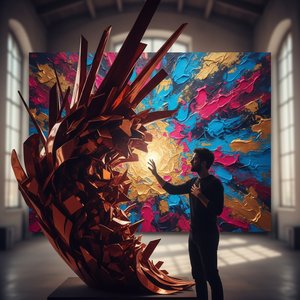
The Resonance of Boldness: Exploring Emotional Impact & Artistic Expression
Explore the powerful world of Expressionism with ArtsDot. Discover key artists like Kirchner & Rothko, understand its emotional impact, and learn how to collect this influential art movement. Expert insights for discerning collectors.