


 Esikatselu
 Jaa
Jaa Jaa
Jaa
 Tarkemmat tiedot

 Lataa
Lataa
 Samanlaisia
 Röntgenkuva
 Diaesitys
 Tilastot
Untitled (DD2DKZ)


 Näytä lisää
Käsinmaalattu öljykopio
Käsinmaalattu öljyväri kankaalle haluamassasi koossa ja kehyksissä, taiteilijoidemme valmistamana tilauksesta. ( Vaihda tulosteeseen Siirry digitaaliseen kuvaan)




































Valitse valmiista mitoistamme sellaiset, jotka vastaavat teoksen alkuperäisiä mittasuhteita.

Voit syöttää omat mitat sopimaan tiettyyn kehykseen tai tilaan. Jos valitsemasi koko ei vastaa alkuperäisen kuvan mittasuhteita, rajaamme taideteoksen tai jatkamme maalausta käsin maalatuilla elementeillä. Digitaalinen esikatselu lähetetään hyväksyttäväksi ennen tuotannon aloittamista.
Huomioithan, että näytöllä oleva esikatselu ei vastaa todellista rajausta tai jatkamista. Vain digitaalinen mallikuva näyttää lopullisen sommittelun tarkasti.
Vaikka mittatilaustyöt ovat mahdollisia, suosittelemme valitsemaan mitan ennalta määritetystä listasta alkuperäisten mittasuhteiden säilyttämiseksi.
Tilauksen jälkeen ArtsDot.com -tiimi lähettää asiakkaalle ohjeet ja esikatselukuvan.
Maailmanlaajuinen toimitus () 3–4 viikossa tavallisen 5 viikon sijaan. (16 syyskuu). Laadusta ei tingitä.

Ilmainen pikatoimitus ympäri maailman

Korkealaatuinen pellavakangas

Kattava kuljetusvakuutus

Tulliveron palautustakuu

Täydellinen värien vastaavuustakuu

100 päivän palautusoikeus (vain valmistusvirheet)

100% rahat takaisin -takuu

Määräalennus tarjous
 Lasivaihtoehto on saatavilla vain alle 110 cm kokoisina teoksina

Untitled (DD2DKZ)
Reproduktiotekniikka
Replikaatin koko
-


Kokonaishinta
$ 263
Samankaltaisia teoksia


Taiteilijan elämäkerta
Ashikaga Yoshimitsu: A Life of Power and Patronage
Early Life and Ascension
- Ashikaga Yoshimitsu (September 25, 1358 – May 31, 1408) was the third shōgun of the Ashikaga shogunate, ruling Japan during the Muromachi period.
- Born in Kyoto as Haruō, he was the oldest surviving son of Ashikaga Yoshiakira.
- He ascended to the position of shōgun at the young age of ten in 1368, inheriting a hereditary title that commanded the military estate.
- By twenty, Yoshimitsu had gained prominence within the imperial court, serving as acting grand counselor (gon dainagon).
Political and Institutional Reforms
- In 1379, Yoshimitsu initiated a significant reorganization of the *gozan zen* (Five Mountain Zen) establishment, solidifying its institutional framework.
- He broke precedent in 1381 by becoming the first member of the samurai class to host a reigning emperor at his private residence – a demonstration of growing shogunal power.
- A pivotal achievement was his successful negotiation in 1392, bringing an end to the Nanboku-chō imperial schism that had divided Japan for over half a century.
- Further elevating his status, he became grand chancellor of state (daijō daijin) in 1394, the highest rank within the imperial court.
Retirement and Cultural Flourishing
- Yoshimitsu retired from public office in 1395, taking religious vows and retreating to his lavish retirement villa, Kitayama-dono.
- Kitayama-dono was renowned for its opulence, most notably the Kinkaku Shariden (Golden Pavilion), two-thirds covered in gold leaf – a symbol of Yoshimitsu’s wealth and power.
- During his retirement, he received envoys from both the Ming and Joseon courts on at least six occasions, establishing crucial trade relations with China that lasted over a century.
Diplomacy and Recognition
- Yoshimitsu skillfully navigated diplomatic complexities, often employing displays of subservience to secure favorable terms from the Ming dynasty.
- In recognition of his efforts, the Chinese sovereign bestowed upon him the title “King of Japan” (Nihon Kokuō).
- In 1407, he ambitiously attempted to assume the title *daijō tenno* – a designation typically reserved for retired emperors. Though unrealized due to his death, this move underscored his desire for ultimate authority.
Artistic and Religious Legacy
- Late in his career, Yoshimitsu increasingly sought to legitimize his power through the lens of Buddhist kingship.
- He employed elaborate rituals, symbolic imagery, and monumental architecture – like Kitayama-dono – to portray himself as a universal monarch or *dharma king*, mirroring rulers in Southeast Asia.
- His posthumous name was Rokuon'in (鹿苑院), further cementing his place in Japanese history.
Historical Significance
- Yoshimitsu’s reign marked a golden age for Zen Buddhism, art, and architecture during the Muromachi period.
- His diplomatic achievements fostered cultural exchange and economic prosperity.
- He is remembered as a complex figure – a powerful shogun who skillfully balanced political ambition with artistic patronage and religious devotion.
- His legacy continues to influence Japanese culture and aesthetics today.

Ashikaga Yoshimitsu
1358 - 1408 , Japan
Pikatiedot
- Birth Date: September 25, 1358
- Birth Place: Kyoto, Japan
- Death Date: May 31, 1408
- Movement: Muromachi period art & architecture
- Name: Ashikaga Yoshimitsu
- Nationality: Japanese
- Notable Works: Kitayama-dono villa (Kinkaku-ji)
Liittyvät artikkelit
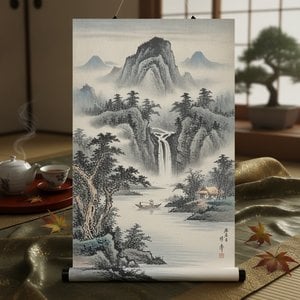
Serenity on Canvas: A Guide to the Timeless Beauty of Japanese Landscape Painting
Discover the serene beauty of Japanese landscape painting. From Hokusai's iconic woodblock prints to meditative sumi-e ink washes, explore a visual journey through the 'floating world' and learn how to bring this timeless Zen aesthetic into your modern home decor.

Floating World: The Captivating Art and Legacy of Japanese Ukiyo-e
Explore the profound beauty of Japanese Ukiyo-e. Discover the history, masters like Hokusai, and the enduring legacy of the 'Floating World' through an expert art-historical lens.

Katsushika Hokusain 25 mestariteosta: Ukiyo-e taidetta ja sisustuksen inspiraatiota
Tutustu Katsushika Hokusain 25 mestariteokseen! Ukiyo-e taidetta, Fuji-vuori ja ikoninen Suuri aalto Kanagawassa. Löydä japanilaisen estetiikan kauneus ja inspiroi sisustusta museolaatuisilla taideprintteillä ArtsDot.comissa.

Japonisme: How Japanese Woodblock Prints Revolutionized Western Art
Explore the profound impact of Japonisme on Western art. Discover how Japanese ukiyo-e woodblock prints revolutionized perspective, color, and composition for masters like Monet and Van Gogh, forever changing the course of modern art history.
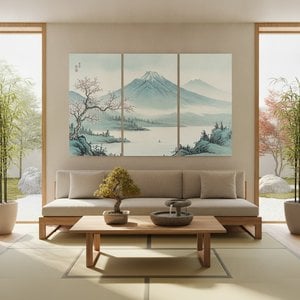
Serene Zen: Transforming Your New Home with the Timeless Elegance of Japanese Landscape Art
Transform your new home into a sanctuary of peace with stunning Japanese landscape art. Discover the beauty of Ukiyo-e and hand-painted Zen masterpieces designed to bring harmony and timeless elegance to your shared space. Expertly curated for modern lovers of fine art.