

 Esikatselu
 Jaa teos
 Jaa
Jaa
 Tiedot
 Opas
Opas

 Lataa kuva
 Samanlaisia kohteita
 Röntgenkuvaus
 Diaesitys
 Q&A
Q&A Tilastot
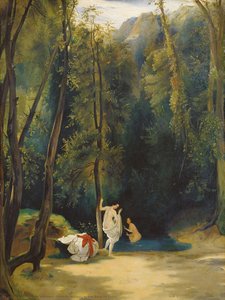
On the Cliffs

- 56.0 x 43.0 cm


 Lue lisää
Giclée- ja taideprintit
Museolaatuisia giclée- tai kankaitaulun tulosteita nopealla tuotannolla ja joustavilla viimeistelyvaihtoehdoilla. ( Osta käsinmaalattu taideteos Siirry digitaaliseen kuvaan)




P118B €10

P118H €10

P118W €10

P438Z €10

P508JH €12

P508YH €12

P805H €10

P805Z €10

P919BZ €10

P919G €10

P919XJ €10

P959ZH €10

P968JZ €12

W106C €8

W218G €10

W218JH €8

W218Y €10

W307PJ €10

W316G €10

W316PJ €8

W316Y €10

W398PJ €8

W4111J €10

W500HY €15

W500JH €15

W692G €12

W849H €8

W940BG €15

W953PJ €8




Valitse valmiista mitoistamme sellaiset, jotka vastaavat teoksen alkuperäisiä mittasuhteita.

Syötä tarvitsemasi leveys ja korkeus, jotta tuloste sopii kehyksiisi tai seinällesi. Tulostetta voidaan vain leikata, sitä ei voida koskaan suurentaa alkuperäistä kuvaa suuremmaksi, joten eri muotoinen koko aiheuttaa osan kuvasta katoamisen. Lähetämme sinulle digitaalisen mallikuvan hyväksyttäväksi ennen kuin aloitamme tulostuksen. Tällä sivulla näkyvä kuva ei näytä lopullista rajausta — vain mallikuva näyttää sen.
Maailmanlaajuinen toimitus () 2 viikossa tavallisen 4–5 viikon sijaan. (2 marraskuu)

Ilmainen pikatoimitus ympäri maailman

Korkealaatuinen pellavakangas

Kattava kuljetusvakuutus

Tulliveron palautustakuu

Takuu täydellisestä värien vastaavuudesta

100 päivän palautusoikeus (vain valmistusvirheet)

100% rahat takaisin -takuu

Määräalennus tarjolla
 Lasivaihtoehto on saatavilla vain alle 110 cm kokoisille teoksille

On the Cliffs
Giclée- ja taideprintit
Replikaatin koko
-


Kokonaishinta
€ 55
A Symphony of Light and Myth: Rediscovering Arthur B. Davies
In the quiet transition between the nineteenth and twentieth centuries, few artists captured the ethereal boundary between reality and dream as poignantly as Arthur Bowen Davies. His 1898 masterpiece, On the Cliffs, serves as a breathtaking window into an era where American landscape painting began to shed its rigid academic skin to embrace the fluid, emotive possibilities of Impressionism and Symbolism. At first glance, the viewer is greeted by a sweeping coastal vista, yet as the eyes linger, the scene reveals itself to be much more than a mere topographical study. It is a profound dialogue between the physical world and the human spirit, rendered with a delicate touch that suggests the fleeting nature of memory itself.
The composition is anchored by a sense of vertical grandeur, dominated by a towering, ancient tree that stands as a silent sentinel on the right side of the canvas. Through this arboreal presence, Davies guides our gaze across a landscape where mountains dissolve into layers of hazy blue and soft grey, receding into an infinite distance. A winding river carves its way through the valley below, acting as a silver thread that connects the rugged foreground to the misty horizon. The integration of nude female figures within this wild, natural setting elevates the work from a simple landscape to a classical allegory. These figures do not appear as intruders upon the land, but rather as organic extensions of it, embodying a primordial harmony between humanity and the untamed beauty of the earth.
The Mastery of Atmosphere and Technique
To behold On the Cliffs is to experience the tactile magic of oil on canvas. Davies employs a technique that leans heavily into the Impressionist tradition, utilizing loose, rhythmic brushstrokes that prioritize the sensation of light over the precision of line. There are no harsh boundaries here; instead, forms emerge from soft tonal gradations and blended pigments. The artist skillfully manipulates texture to create a sensory feast—the rough, weathered bark of the foreground tree provides a striking contrast to the smooth, luminous sky and the glass-like surface of the distant water. This interplay of textures enhances the painting's depth, pulling the viewer into a world that feels both tangible and otherworldly.
The color palette is a masterclass in subtlety, dominated by muted greens, deep blues, and earthy browns. These tones work in concert to evoke a tranquil, perhaps even slightly melancholic, atmosphere, reminiscent of an overcast day by the sea where the air is thick with salt and mist. This deliberate use of color avoids the jarring brilliance of high Impressionism, opting instead for a Symbolist depth that invites introspection. The soft, diffused lighting eliminates harsh shadows, bathing the entire scene in a gentle, pearlescent glow that softens the edges of reality and allows the imagination to wander through the landscape's many mysteries.
An Eternal Inspiration for the Modern Collector
For the discerning collector or interior designer, On the Cliffs offers much more than aesthetic beauty; it provides a focal point of profound emotional resonance. The painting’s ability to evoke themes of classical mythology and the eternal connection to nature makes it a timeless addition to any curated space. Whether placed in a sunlit gallery or a sophisticated study, the artwork brings with it an aura of serenity and intellectual depth. It is a piece that rewards repeated viewing, revealing new nuances of light and shadow with every encounter.
Investing in a high-quality reproduction of this Davies masterpiece allows one to bring this fragment of American art history into the contemporary home. It serves as a bridge between the historical grandeur of the Hudson River School influences and the avant-garde spirit of early Modernism. As a decorative element, it introduces a sense of movement, peace, and classical elegance, making it an ideal choice for those seeking to inspire wonder and contemplation within their living environments.
Kysymykset ja vastaukset
Kuinka voimakkaita värit teoksessa Arthur Bowen Davies:n "On the Cliffs" ovat?
Arthur Bowen Davies:n "On the Cliffs"-teoksessa on Balanced väri-intensiteetti.
Onko teoksen Arthur Bowen Davies:n "On the Cliffs" kuva vapaasti käytettävissä?
Tekijänoikeuksien osalta teos "On the Cliffs" on vapaasti käytettävissä – tekijänoikeussuoja on päättynyt.
Mitä tunnelmaa ja tunnetta Arthur Bowen Davies:n "On the Cliffs" välittää?
Teoksen Arthur Bowen Davies:n "On the Cliffs" tunnelma on Ethereal, ja sen emotionaalinen sävy on Ethereal.
Samankaltaisia teoksia




Taiteilijan elämäkerta
Arthur B. Davies: Mystiikan ja Modernismin Yhdistäjä
Arthur Bowen Davies, syntynyt Uticassa New Yorkissa vuonna 1862, on yllättävän monimutkainen hahmo amerikkalaisen taiteen historiassa. Hän ei ollut vain aikansa ihminen – kaoottinen aika, joka sijoittui 1900-luvun alkuvuosille – vaan aktiivisesti muokkasi sitä, toimi sekä eurooppalaisten modernismin välittäjänä että amerikkalaisten taiteellisten äänien puolestapuhujana. Hänen tarinansa alkoi varhaisesta intohimosta maisemamaalaukseen, joka herätti hänen mielessään kiinnostuksen George Innessin ja Hudson River Schoolin mestareiden töihin liittyvää näyttelyä kohtaan. Tämä alkuperäinen altistuminen inspiroi häntä arvostamaan luonnon kauneutta ja kehittämään teknistä taitoa, joka olisi pysynyt hänen tyylinsä kulmakivenä koko uransa ajan. Kuitenkin Davies ei ollut määrätty olemaan vain perinteisen maisemamaalauksen harjoittelija; hänellä oli sisäinen näkemys, kaipuu ilmaisemaan jotain enemmän kuin pelkkää esitystä. Opiskelujen jälkeen Chicagon Academy of Designissa ja Taideopiston taidekouluissa New Yorkissa hän alkoi muotoilla polkua, joka yhdisti romanttisia aatteita nousevien modernismin ihanteisiin. Varhainen uransa kului kuvitustehtävissä, mutta hänen todellinen kutsumuksensa oli maalata – luoda maailmoja, jotka olivat täynnä symboliikkaa ja tunnetta.Ashcan School ja Armory Show: Muutoksen Katalyytti
Daviesin taiteellinen kehitys tapahtui merkittävien sosiaalisten ja kulttuuristen muutosten keskellä. Hän liittyi "The Eight" -ryhmään, joka haastoi National Academyn konservatiiviset normit vuonna 1908. Vaikka hänet usein yhdistetään Ashcan Schooliin – liikkeeseen, joka tunnetaan raakoista kaupunkielämän kuvaauksista – Davies erosi joiltakin ryhmän jäseniltä. Kun taiteilijat kuten John Sloan keskittyivät kaupunkien kaduille, Davies etsi turvapaikkaa myyttisempiin maailmoihin. Hänen maalauksensa eivät olleet tarkoitettu dokumentoimaan näkyvää maailmaa; ne pyrkivät herättämään tunteita, unelmia ja hengellisiä kaipuita. Silti hänen osallistumisensa "The Eight" -ryhmään osoitti hänen sitoutumistaan taiteelliseen itsenäisyyteen ja valmiuttaansa haastaa vakiintuneet konventiot. Tämä kapinallinen henki ilmeni selvästi hänen roolissaan Armory Show’n järjestämisessä vuonna 1913 – merkittävässä hetkessä, joka toi eurooppalaisen modernismin (kubismi, fauvismi, futurismi) amerikkalaisten tietoisuuteen. Näyttely oli vastaanottoa sekä ihailua että tuomiota, muuttaen peruuttamattomasti Amerikan taiteen kulkua. Daviesin panos ei ollut pelkästään logistinen; hänellä oli poikkeuksellinen ymmärrys nykytaiteellisista trendeistä ja terävä silmä lahjakkaiden taiteilijoiden valinnassa, mikä teki hänestä avainasemassa näyttelyn valinnassa. Hän ymmärsi, että taide tarvitsi heijastamaan muuttuvaa maailmaa – vaikka se merkitsisi radikaalien uusien muotojen omaksumista.Symboliikan ja Eetterimäisten Visioiden Kieli
Daviesin kypsän tyylin tunnusmerkkejä ovat sen melodinen laatu, hienostunut sivellustyö ja tunteikkaan värimaailman käyttö. Hänen maalauksensa esittävät usein hahmoja – usein naisia tai myyttisiä olentoja – uppoutuneina unenomaisiin maisemiin. Nämä eivät ole perinteisiä muotokuvia; ne ovat archetyyppejä ihmisen tunteille ja hengellisille tiloille. Hänen teoksensa tutkivat usein kaipuuta, menetystä ja transcendenssin etsimistä. Hän ei ollut kiinnostunut kuvaamaan todellisuutta sellaisena kuin se *on*, vaan sellaisena kuin se *tuntuu*. Tämä painotus subjektiiviseen kokemukseen yhdistää hänet Symbolistien, kuten Odilon Redonin ja Pierre Puvis de Chavannesin, taiteilijoihin – taiteilijoihin, jotka pyrkivät ilmaisemaan sisäisiä totuuksia tunteellisesti herättävien kuvien kautta. Daviesin värimaailma on usein hillitty ja harmoninen, luoden tunnelman ja mysteerin. Hän hallitsi tekniikoita, kuten kerrostamista ja hämähäkinverkomaalausta, saavuttaakseen hehkuvia vaikutuksia ja hienovaraisia sävyjä. **Hänen taiteensa kutsuu katsojaa pohdiskelemaan**, kannustaen häntä katsomaan pintaa syvemmälle ja sukeltamaan mielikuvituksen maailmaan.Vastakohtia ja Perintö
Arthur B. Daviesin elämä oli täynnä vastakohtia. Vaikka hän julkisesti puolusti taiteellista vapautta ja innovaatiota, hänen henkilökohtainen elämänsä pysyi suhteellisen konservatiivisena – ainakin, sellaisena kuin se esiteltiin maailmalle. Paljastus hänen kuolemansa jälkeen Firenzessä, Italiassa vuonna 1928, paljasti hänen eläneen kaksoiselämää – Virginia Meriwether Daviesia, jonka kanssa hän avioitui vuonna 1892, ja Ednaa, toista rakastettua. Tämä piilotettu osa hänen biografiaansa lisääan monimutkaisuutta hänen taiteelliseen persoonallisuuteensa. Vaikka tämä henkilökohtainen myrsky tai ehkä juuri siksi Davies jätti jäljen amerikkalaiseen taiteeseen. Hän oli keskeinen hahmo Amerikan modernismin kehityksessä, joka yhdisti perinteiset estetiikat ja avantgardin kokeilut. Hänen vaikutuksensa näkyy seuraavien sukupolvien taiteilijoiden töissä, jotka jatkoivat tunteiden, symboliikan ja hengellisen ilmaisun tutkimista.
Arthur Bowen Davies
1862 - 1928 , Yhdysvallat
Pähkinänkuoressa
- Artistic Movement Or Style: Modernismi, Symbolismi
- Artists Or Movements Influenced By This Artist:
- Amerikkalainen Modernismi
- Ashcan School
- Artists Who Influenced This Artist:
- George Inness
- Corot
- Millet
- Date Of Birth: 1862
- Date Of Death: 1928
- Full Name: Arthur Bowen Davies
- Nationality: Amerikkalainen
- Notable Artworks: ['Unicorns: Legend']
- Place Of Birth: Utica, USA
Aiheeseen liittyvät artikkelit
Impressionismin mestariteokset: Maisemamaalauksen lumo ArtsDotissa
Tutustu impressionismin lumoavaan maailmaan! Koe Claude Monet'n, Renoir'n ja muiden mestareiden ikonisten maisemamaalausten tarinat. Löydä inspiraatiota sisustukseen ArtsDotista – taidetta museolaadulla. Explore the full collection online!

Romanttisen maisemamaalauksen mestariteokset: Taidetta ja inspiraatiota kotiin
Uppoudu romanttisen maisemamaalauksen maailmaan! Tutustu Caspar David Friedrichin, Turnerin ja muiden mestareiden ikonisiin teoksiin. Löydä inspiraatiota kotiisi taiteen avulla ArtsDot.comista – laadukkaat taideprintit ja sisustusideoita.

Evocations of Place: A Historical Journey Through Landscape Art
Explore the rich history of landscape art with ArtsDot. Discover renowned artists, movements like Impressionism & Romanticism, and expert guidance for collecting timeless pieces. Find your perfect serene escape today!

John Constablein 25 mestariteosta: Taidetta ja tunnelmaa kotiisi – ArtsDot.com
Tutustu John Constable'n 25 mestariteokseen – romanttisia maisemamaalauksia, jotka vangitsevat englantilaisen luonnon tunnelman. Taidehistoriaa ja inspiraatiota kotiisi ArtsDot.com:ssa. Löydä kaikki taideteokset verkossa!

Top 10 Impressionistimaisemaa: Taideteokset jotka muuttivat taiteen – ArtsDot.fi
Tutustu 10 ikoniseen impressionistimaisemaan! Claude Monet’n ja muiden mestareiden teokset heräävät eloon. Taiteen historiaa, tekniikoita ja inspiraatiota kotiisi – ArtsDot.com:sta löydät museolaatuiset taideprintit ja sisustusehdotukset. Tutki kokoelma verkossa!


