

 Esikatselu
 Jaa
Jaa Jaa
Jaa
 Tarkemmat tiedot

 Lataa
Lataa
 Samanlaisia
 Röntgenkuva
 Diaesitys
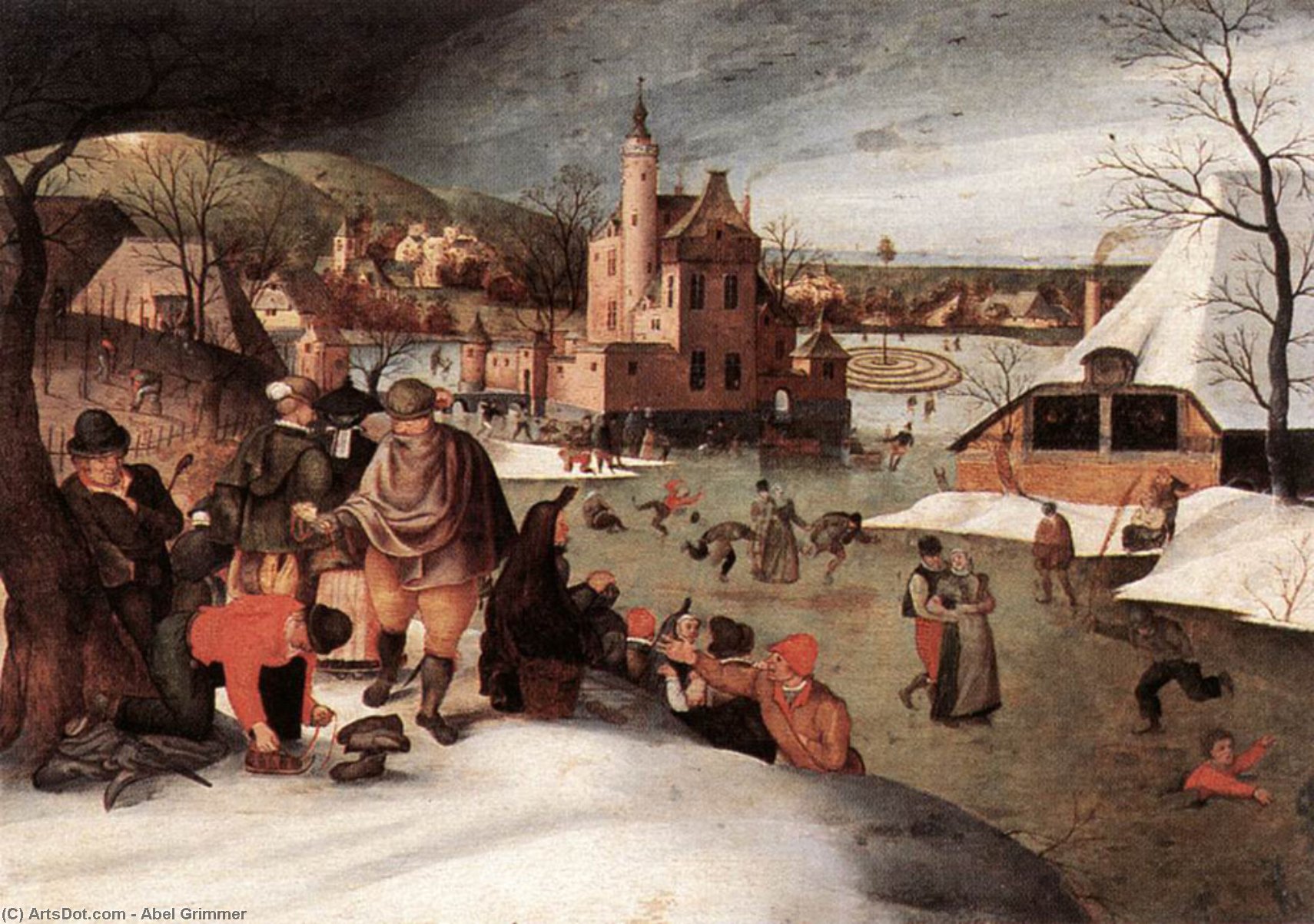
Winter
 Oil On Panel
- Flemish Golden Age
 1607
1607- Early Modern
 33.0 x 47.0 cm
 Koninklijk Museum voor Schone Kunsten Antwerpen
 Näytä lisää
Giclée-printit ja taideprintit
Museolaatuisia giclée- tai kankaitaulun tulosteita nopealla tuotannolla ja joustavilla viimeistelyvaihtoehdoilla. ( Osta käsintehty maalaus Osta kuva)




P118B $10

P118H $10

P118W $10

P438Z $10

P508JH $12

P508YH $12

P805H $10

P805Z $10

P919BZ $10

P919G $10

P919XJ $10

P959ZH $10

P968JZ $12

W106C $8

W218G $10

W218JH $8

W218Y $10

W307PJ $10

W316G $10

W316PJ $8

W316Y $10

W398PJ $8

W4111J $10

W500HY $15

W500JH $15

W692G $12

W849H $8

W940BG $15

W953PJ $8




Valitse valmiista mitoistamme sellaiset, jotka vastaavat teoksen alkuperäisiä mittasuhteita.

Voit syöttää omat mitat sopiaksesi tiettyyn kehykseen tai tilaan. Jos valittu koko ei vastaa alkuperäisen kuvan mittasuhteita, rajaamme teosta tai laajennamme kuvaa peilatulla tai yhtenäisellä reunalla. Digitaalinen mallikuva lähetetään hyväksyttäväksi ennen tuotannon aloittamista.
Huomaathan, että näytöllä näkyvä esikatselu ei vastaa lopullista rajausta tai laajennusta. Vain mallikuva näyttää lopullisen sommittelun tarkasti.
Vaikka räätälöityjä kokoja on saatavilla, suosittelemme valitsemaan mitat valmiista listasta alkuperäisten mittasuhteiden säilyttämiseksi.
Toimitus maailmanlaajuisesti () kahdessa viikossa tavallisen 4–5 viikon sijaan. (19 elokuu)

Ilmainen pikatoimitus ympäri maailman

Korkealaatuinen pellavakangas

Kattava kuljetusvakuutus

Tulliveron palautustakuu

Täydellinen värien vastaavuustakuu

60 päivän palautusoikeus (vain valmistusvirheet)

100% rahat takaisin -takuu

Määräalennus tarjous
 Lasivaihtoehto on saatavilla vain alle 110 cm kokoisina teoksina

Winter
Giclée-printit ja taideprintit
Replikaatin koko
-


Kokonaishinta
$ 62
Teoksen kuvaus
A Frozen Celebration: The Allure of Abel Grimmer's Winter
To gaze upon Abel Grimmer’s Winter is to step directly into the crystalline heart of a 17th-century Flemish town square. This oil on panel, dating from 1607, is far more than a mere depiction of cold weather; it is a vibrant tapestry woven from human resilience, community spirit, and the enduring joy found even in the deepest chill. The scene unfolds with an almost breathless energy, capturing figures engaged in the timeless ritual of ice skating across a frozen expanse. Grimmer masterfully transports us to a moment suspended between the stark beauty of winter and the warmth of shared human experience.
Mastery of Genre and Detail
The painting exemplifies the pinnacle of Flemish genre painting from the early 17th century. Notice, if you will, the meticulous attention paid to every element—from the texture of the snow underfoot to the folds of the passersby's heavy winter garments. The composition is wonderfully complex and crowded, yet it never feels chaotic. Instead, the numerous figures are arranged with a naturalistic grace that guides the eye across the foreground, midground, and into the distance where a grand castle anchors the horizon. Grimmer’s technique relies on an almost scientific observation of light and shadow; the subdued lighting casts deep, evocative shadows that lend profound depth to what might otherwise be a flat scene. The architecture surrounding the skaters, with its characteristic gabled roofs, speaks volumes about the daily life and enduring character of Flemish urban centers.
Symbolism of Endurance and Community
Beyond the surface depiction of leisure, Winter carries a rich symbolic weight. It is an ode to endurance—the ability of community life to flourish even when nature imposes its harshest conditions. The act of skating itself becomes a metaphor for navigating life's inevitable cold spells; it requires balance, coordination, and the support of others. The warmth emanating from the clustered groups, contrasted against the icy blue tones dominating the palette, suggests that human connection is the ultimate source of light and sustenance. It is a celebration of life’s persistent rhythm amidst seasonal dormancy.
A Touch of Dutch Golden Age Realism
While rooted in Flemish tradition, the painting shares an undeniable kinship with the detailed realism characteristic of the Dutch Golden Age masters. Grimmer employs layering and delicate brushwork to build up textures—the slick sheen of ice, the rough weave of wool, the powdery drift of snow. The overall effect is one of profound verisimilitude. For those who appreciate art that feels both historically significant and intimately immediate, this piece offers a perfect confluence of high artistry and relatable human drama. Owning or displaying a reproduction of Winter allows one to bring not just a painting, but an entire atmosphere—a feeling of festive, enduring warmth—into the modern home.
Samankaltaisia teoksia


Taiteilijan elämäkerta
Abel Grimmer (c. 1570–c. 1620): The Streamlined Landscape Painter
Abel Grimmer (family name variations: 'Grimer' and 'Grimmaert') (c. 1570–c. 1620) was a Flemish late Renaissance painter, mainly of landscapes and, to a lesser extent, of architectural paintings. His works were important in the development towards more naturalism in Flemish landscape painting. Grimmer’s artistic legacy resides not merely in his impressive output but also in his innovative approach—a method that prioritized efficiency and stylistic consistency—which secured him a prominent place within the Antwerp art market during his lifetime. Born and died in Antwerp, he honed his craft under the tutelage of his father, Jacob Grimmer (c. 1526–1590), who himself had established renown by imitating Pieter Bruegel the Elder’s miniature landscapes and distributing them at affordable prices. This familial influence profoundly shaped Grimmer's artistic sensibilities, fostering a dedication to meticulous observation and a masterful command of technique—a commitment that would ultimately define his distinctive style. Jacob Grimmer’s workshop served as the crucible for Abel’s formative years, immersing him in the traditions of Flemish landscape painting while simultaneously encouraging experimentation with new approaches. He learned from his father's example—a master of capturing atmospheric light and faithfully reproducing architectural spaces—and this dedication to observation would become a cornerstone of Grimmer’s artistic vision. His father Jacob Grimmer had established a name for himself by imitating the work of Pieter Bruegel the Elder on small panel pictures and selling these on the market at low prices. In 1591, Abel married Catharina Lescornet and swiftly ascended to mastership within the Antwerp Guild of Saint Luke—a pivotal moment signifying his recognition as a skilled artist and securing him access to lucrative commissions. This achievement underscored Grimmer’s talent and solidified his position in Antwerp's artistic community. He took over his father's workshop, continuing the family tradition of producing landscape paintings that adhered to established formulas while subtly elevating them through careful simplification and stylistic refinement. Grimmer’s Artistic Style: Bruegel’s Influence & The Pursuit of Efficiency Grimmer’s artistic style is characterized by a striking convergence of influences—primarily Pieter Bruegel the Elder and Hans Bol—yet simultaneously distinguished by an unwavering commitment to streamlining technique. Unlike his predecessors who often employed elaborate compositions and nuanced color palettes, Grimmer embraced a minimalist aesthetic, prioritizing clarity and visual impact. This stylistic choice stemmed from a pragmatic understanding of the Antwerp marketplace, where affordability and accessibility were paramount considerations. Each pictorial area of his landscapes was meticulously rendered in a single hue—often muted shades of ochre or brown—with minimal modulation to achieve maximum luminosity and reduce varnishing’s effect on surface texture. This deliberate simplification wasn't merely a stylistic preference; it represented a fundamental shift towards a more economical production process, ensuring that Grimmer’s paintings remained competitive within the prevailing artistic landscape. He skillfully employed color harmonies reminiscent of Bruegel and Bol, capturing atmospheric light with remarkable accuracy—a hallmark of his oeuvre. Buildings were depicted as geometric shapes—a deliberate departure from earlier conventions—further enhancing the overall visual impact of his landscapes. Grimmer’s technique involved applying minimal varnishing, eliminating surface reflections and maximizing color vibrancy—a strategy that underscored his dedication to efficiency and artistic precision. Notable Works & Recurring Themes Grimmer's oeuvre encompasses a diverse range of subjects—primarily landscapes depicting seasonal changes and architectural interiors—but several works stand out for their stylistic innovation and thematic resonance. Among these are the twelve “Months” series (1592), an exact copy of Hans Bol’s prints after designs by Pieter Bruegel the Elder, published by Hans van Luyck in 1585; ‘Spring’ and ‘Summer,’ which mirror two prints by Pieter van der Heyden based on Bruegel's compositions; and depictions of the Tower of Babel—a narrative inspired by Bruegel’s seminal paintings on this subject matter. These artworks exemplify Grimmer’s masterful adaptation of established artistic conventions while simultaneously conveying profound moral messages rooted in biblical allegory. The tower motif, reflecting anxieties about human pride and defiance against divine authority, mirrored the turbulent political climate of Antwerp during Grimmer's lifetime—a city embroiled in conflict with Protestant provinces. Grimmer’s legacy endures as a pivotal figure in the evolution of Flemish landscape painting. His streamlined technique—characterized by single-hue color palettes and geometric building representations—established a precedent for subsequent generations of artists, securing his place within Antwerp's artistic tradition. Furthermore, Grimmer’s unwavering commitment to capturing atmospheric light and faithfully reproducing architectural spaces foreshadowed developments in Dutch interior painting championed by Pieter Saenredam—demonstrating the breadth of his influence on the broader artistic landscape of the Low Countries. Abel Grimmer’s contribution to Flemish art is undeniable: he represents a crucial step toward naturalism, while simultaneously upholding an economical production process that ensured his paintings remained accessible and influential for centuries to come.
Abel Grimmer
1570 - 1620 , Belgia
Pikatiedot
- Artistic Movement Or Style: Late Renaissance
- Artists Or Movements Influenced By This Artist: ['Joachim Patinir']
- Artists Who Influenced This Artist:
- Pieter Bruegel the Elder
- Hans Bol
- Date Of Birth: c. 1570
- Date Of Death: c. 1620
- Full Name: Abel Grimmer
- Nationality: Flemish
- Notable Artworks:
- The Tower of Babel
- Winter
- Autumn
- Place Of Birth: Antwerp, Belgium
Liittyvät artikkelit

Jacob Jordaens: Baroque Dynamism & Genre Innovation of the Antwerp School
Discover Jacob Jordaens, a leading Flemish Baroque painter renowned for his dynamic compositions & realistic genre scenes. Explore his life, art, and lasting influence with ArtsDot.

1600-luvun mestariteoksia: Taidetta ja historiaa kotiisi – ArtsDot.com
Uppoudu 1600-luvun taiteen maailmaan! Tutustu Rembrandtin, Vermeerin ja Caravaggion mestariteoksiin. Barokki, renessanssi & klassiset maalaukset kotiisi – ArtsDot.com:sta löydät korkealaatuiset toistot ja inspiraatiota sisustukseen. Explore the full collection online!
David Teniers II: Master of Flemish Genre & Social Commentary
Explore the captivating world of David Teniers II, a leading Flemish Baroque painter renowned for his lively genre scenes & insightful social commentary. Discover his masterpieces and legacy with ArtsDot.

Lumihuurun mestariteoksia: Top 10 kuuluisinta taidemaalausta – ArtsDot.fi
Uppoudu lumihuurteen maailmaan! Tutustu 10 kuuluisimpaan taidemaalaukseen – Monet, Munch & muut mestarit. Löydä inspiraatiota sisustukseesi ja hanki korkealaatuiset taiteen toistot ArtsDot.com:ista. Explore the full collection online!

Jan Brueghel the Elder: A Master of Flemish Landscape & Allegory – Exploring Innovation & Influence
Explore the captivating world of Jan Brueghel the Elder, a Flemish Baroque master renowned for his stunning landscapes & allegorical paintings. Discover his collaborations with Rubens and lasting artistic legacy.

