Teekond läbi Viini kunstilise hinge
Wien Museum seisab sügavana tõestusena Viini püsiva kunstilise uuenduse ja kultuurilise suurmeeluse pärandi eest — see on hoiust laht, mis ei sisalda pelgalt esemeid, vaid sajandite jooksul ajalooni kütust. Asudes vivakas Karlsplatzil, kehastab selle kauge ja väärikas olemus teadlikku stiilide sulandu, peegeldades võtmekriitilisi hetki viienerlikus arhitektuuripõeldus. Hallides ringledes avastab külastaja, kuidas muuseum valgustab kunsti evolutsiooni neoliidist kuni 2lik 20. sajandi keseni, jälgi kandes Viini linnapildi muutumist lukkudud asustusest kargeks ja modernseks metropoliks. See on koht, kus ajalugu hingab, pakkudes hoolikalt välja töötatud igapäevaelu rekonstruktsioone, mis võimaldavad külastajatel pilgastada sotsiaalseid kombeid ja tehnoloogilisi saavutusi, mis lõi selle keisirlikule pealinnale tema omapära.
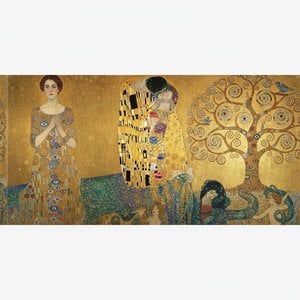
Muuseumi tähelepanu keskpunktis on vaid lahmatamatu Gustav Klimti ülevuslik looming, mille teos on kogu kogumi täitav süda. Siin tuuakse elule ette sümbolistlik visioon läbi meistriteoste, mis uurivad müütoloogilisi teemasid, intiimsust ja naisvormi. Külastajad võivad end võluda monumentaalne portreett “Adele Bloch-Bauer I” , teos, mis on Klimti kuldlehe meisterlikkuse parim näide. See tehnika tõstab maali kaugemale pelgust esitusest, muutes selle luksusliku ilu ja vaimse mõttelise süvenemise sümboliks. Nende secessioonist vähitsemiste kõrval seisavad Austria barokkartistide tööd, demonstreerides Viini ajaloolist rolli intensiivse kunstilise eksperimenteerimise ja kuldse hiilguse võnade.
Arhitektuuriline dialoog ja modernne taastumine
Ise muuseumi arhitektuur räägib lugu vastupidavusest ja uuenemisest. Algselt Oswald Haerdtli loovitud 1959. aastal, oli hoone julge vastus pärast sõda toimunud taastamistööle, ühendades meisterlikult brutalismi elementid viienerliku secessiooni elegantse esteetikaga. See dialoogi rå}}\text{bet betooni ja peenete k曲rvide vahel peegeldab Viini ambitsioone kunstiliseks taassündimiseks pärast aastakümnete segadust. Muuseumi narratiiv jätkub arenguna ka hiljutiste laienduste kaudu, sealhulgas uue paviljoni kujundusega, mille loeris visjonäär Coop Himmelbichl . See lisand on topelt suurendanud muuseumi pindala, luues unustamatute kogemuste maailma, kus kaasaegne arhitektuuriline innovatsioon kohtub ajaloolise sügavusega.
Kaugele modernsa ajastu kuldsetest raamidest, pakub Wien Museum kronoloogilist panoramat inimtsivilisatsioonile Kesk-Euroopas. Alates muinasromaanlikust Vindobonast — mis oli kunagi karge kaubanduskeskus — kuni Karpaatide jalamustest avastatud neoliidie esemetele, pakub kollektsioon väärtuslikku konteksti kristliku usku tõusule ja germaaniliste migratsioonide keerukusele. See, mis seda institutsiooni tõeliselt eristab, on vankumatu pühendumus lugu jutustamisele; see esitab teoseid mitte kui eraldatud objekte, vaid kui elutähtsaid komponente suuremas inimlikus dialoogis. Kunstihuvilistele ja kogujatele on muuseum kultuurilise arusaamatuse tuledest, kus iga artefakt kutsub üles süvenemisele neil intellektualistlikel vooludel, mis on lennutanud Viini globaalse kunstiku history esikujale.