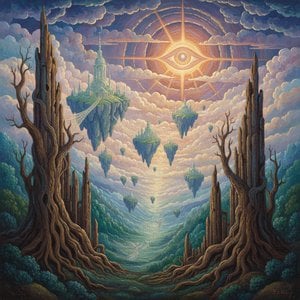
The Painter of Circus Dreams
In the gentle warmth of May, in the spa town of Piešťany, a life began that would eventually find its rhythm in the colorful, fleeting world of the circus. Emil Bačík was a man whose spirit seemed tethered to the seasonal blooming of chestnut trees, those pale, fragrant lanterns that hung outside his studio on Trnavská street in Bratislava. He possessed a dual devotion that guided his hand: a deep love for the woman in his life and a fascination with the clown, that vital, wandering figure of the ring. His art was not merely a profession but a way of capturing the ephemeral magic of the performance and the quiet grace of a spring afternoon.
His studio was a place where the mundane met the theatrical. While others might see only the labor of the circus—the heavy hammers striking stakes or the straining of ropes to hoist the great canvas—Bačík saw the transformation. He watched as the workers shed their sweat and grime to don gold-trimmed uniforms and bright silks. This transition from the heavy work of reality to the lightness of the spectacle became a fundamental pulse in his creative life, a movement from the earth toward the sky.
A Life of Lines and Layers
Bačík was a man of many disciplines, a creator who understood that a single image could serve many masters. He moved with ease between the intimacy of chamber painting and the broad, public demands of graphic design. His hands were as comfortable crafting the delicate details of a book illustration as they were designing the bold logos and posters that defined the visual identity of various organizations. His work was a bridge between the private emotion of a sketch and the public utility of a brand.
His professional achievements were marked by a steady recognition of his skill in the realm of publishing. He was a master of the book, an editor and illustrator who understood how an image could live alongside text to create a complete experience. His talent was honored through several state awards and honors for his contributions to the art of the published product, proving that his eye for detail was as sharp in a printed volume as it was on a canvas.
- Painter and draftsman
- Graphic artist and illustrator
- Book editor and designer of logos
- Creator of posters and brands
The Circus and the Bloom
The themes that populated his imagination were consistent and deeply felt. He returned often to the circus, finding in the clown a subject that was both human and otherworldly. His paintings from the mid-1970s and early 1980s, such as those held in the Central Slovakian Gallery in Banská Bystrica, reflect this preoccupation with the performer and the aftermath of the show. He captured the tension of the act and the quietude that follows a performance, often using the imagery of the clown to explore the human condition.
Beyond the ring, the natural world offered its own quiet drama. The chestnut blossoms, which he saw as luminous chandeliers, provided a recurring motif that anchored his more abstract or graphic impulses. Whether he was working on a free graphic creation or a structured book design, the influence of these seasonal cycles and the vibrant, often exaggerated colors of the circus tent remained present. He left behind a body of work that sought to find the extraordinary within the ordinary, from the streets of Bratislava to the center of the ring.
Küsimused ja vastused
Kui palju Emil Bačík teoseid on kataloogis vaatamiseks saadaval?
Lehelt Kõik teosed saab vaadata 2 teost teost kunstnikult Emil Bačík.
Kust leida Emil Bačík teoseid teemade järgi jaotatuna?
Emil Bačík teoseid teemade järgi klassifitseerib leht Teemade ülevaade.
Kuidas leian teatud teemal Emil Bačík teoseid?
Emil Bačík teoseid saab otsida märksõnade kaupa artisti Märksõnade kaupa lehelt. Iga märksõna koondab endasse vastavad teosed.
Millest riigist on pärit Emil Bačík?
Emil Bačík sündis riigis Slovakia.