

 Eelvaade
 Saada
Saada Jaga
Jaga
 Teave teose kohta
 Juhend

 Laadi alla
 Sarnased teosed
 Röntgenuuring
 Slaidietendus
 KÜSIMUSED JA VASTUSID
 Statistika
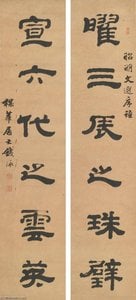
CALLIGRAPHY IN RUNNING SCRIPT

- 23.0 x 16.0 cm

 Loe lähemalt
Hankige trükiivaldatav fail, mis on kvaliteedilt palju parem kui veebilehel näidatud eelvaade. Kõik meie müüdavad digitaalsed pildid pärinevad meie arhiivist kõrge resolutsiooniga originaalfailidest — tavaliselt 5000 kuni 15 000 pikslit laiust — nii et saate julgelt trükida suurematsat, lüüdist teha või detailset sisu reproduktsiooni teha.
Meie stuudiost ei lahtu ükski fail puutumatuna. Digiekpert võrdleb värve algsest maalistimusega ja vajadusel korrigeerib neid, seejärel parandab selgust ja detaile professionaalsete retušimisvahendite abil — püüdes alati jääda truudeks kunstniku pintoonile ja stiilile. Tulemuseks on pilt, mis näeb välja nagu maali, mitte nagu filtreeritud skann.
Teet kinnituse enne lõplikku valmimist: meie ekspert saadab pildi 72 tunni jooksul e-posti ülevaatamiseks. Ei ole rahul? Paluge parandusi või korrektsioone ning kui kvaliteet ei vasta ootustele, võite paluda tagastamist.
See on kvaliteet, millele tuguvad väljaandjad, disainistuudiod, galeriid ja trükikojad.
Digitaalne kunstiteos
Laadi alla kõrge resolutsiooniga fail isiklikuks vaatamiseks, trükkimiseks ja loomingulisteks projektideks. ( Lülita trükkitoodetele Osta käsitsi maalatud teos)
Sisse kuulub iga digitaalse pildi tellimusega
Eksperdi digitaalne kohaletoimetamine, garanteeritud
Valides ArtsDot.com, ei saa sa lihtsalt pilti – saad professionaalselt parandatud digitaalse teose, mida on valmistatud täpsusega ja mis on toetatud rahuldamatusgarantiiga. Siin on kõik, mis sinu tellimusega automaatselt kaasneb:

Kiire digitaalne edastus
Teie kõrge resolutsiooniga digitaalne pildifail saadetakse teile e-posti 72 tunni jooksul pärast tellimist – kohe kasutamiseks valmis.

Tehisintellektiga täiustatud digitaalne fail
Teie teos on professionaalselt optimeeritud arenenud tehisintellekti tööriistade ja käsitsi redigeerimise abil, tagades maksimaalse detailitaseme, selguse ja värvitäpsuse.

Tasuta eluaegne uuesti saatmine
Kas kustutasid faili kogukalu unustamisel või kustutamisel? Puudub mure – saad selle uuesti igal ajal ilma lisatasuta.

Puuduvad importimaksud – alati
Nautige oma teoseid koheselt ilma tolli-, maksude või tarnimaskuludeta – digiletchargused on alati maksuvabadud.

Värvitäpsuse garantii
Me tagame, et teie digitaalne pilt kajastaks originaali värve professionaalsete tööriistade ja värvihalduse abil võimalikult täpselt.

100 päeva rahuldamatuse garantii
Kui te ei ole oma digitaalse pildi eest rahul, siis me parandame seda või tagastame 100% summast 100 päeva jooksul – küsimusteta.

100% raha tagastamise garantii
Ei ole rahul? Saate täielise tagastaja 100 päeva jooksul pärast digitaalse faili kättesaamist – ilma küsimusteta.

Suurema tellimuse soodustused
Osta 3 pilti, säästa 10% - Osta 5, säästa 15% - Osta 10+, säästa 20%. Sobib suurepäraselt loomingulisteks projektideks, galeriideks ja agentuurideks.
Sarnased teosed




Kunstniku elulugu
A Life Etched in Brushstrokes: The World of Zha Shibiao
Zha Shibiao (also known as Cha Shih-Piao, born 1615 and died 1698) was a pivotal figure bridging the late Ming and early Qing dynasties in China. While not as widely celebrated in the West as some of his contemporaries, Zha Shibiao’s contribution to landscape painting – particularly his innovative use of ink washes and dramatic compositions – marks him as a significant artist whose work reflects a period of immense social and political upheaval. Born into a scholarly family during a time of declining imperial power, Zha Shibiao initially pursued a career in officialdom, passing the provincial examinations. However, the fall of the Ming dynasty in 1644 profoundly altered his path. He ultimately rejected further attempts to enter government service, choosing instead to dedicate himself fully to the art of painting, finding solace and expression within its traditions. This decision was not merely a personal one; it represented a broader retreat by many intellectuals from public life into the realm of artistic contemplation during a period of instability.The Evolution of a Style: From Tradition to Innovation
Zha Shibiao’s early works demonstrate a strong grounding in the traditions of the Wu School, known for its lyrical landscapes and emphasis on atmospheric effects. He meticulously studied the masters who came before him – figures like Shen Zhou and Wen Zhengming – absorbing their techniques and compositional principles. However, Zha Shibiao was not content with mere imitation. As his career progressed, he began to develop a distinctly personal style characterized by bold brushwork, heightened contrast, and a dramatic use of space. He moved away from the softer, more idealized landscapes of the Wu School towards a more rugged and imposing aesthetic. This shift can be seen as a reflection of the turbulent times in which he lived; his mountains became steeper, his trees more gnarled, and his overall compositions imbued with a sense of power and resilience. His mastery lay in his ability to convey both the grandeur of nature and the emotional weight of human experience. He frequently incorporated figures into his landscapes – often scholars or hermits – who served as symbolic representations of his own philosophical leanings, seeking refuge from the chaos of the world.Ink and Emotion: The Technical Prowess of Zha Shibiao
Zha Shibiao’s technical skill was exceptional. He possessed an extraordinary command of ink washes, utilizing a wide range of tones and textures to create depth and atmosphere in his paintings. His use of dry brushwork – leaving areas of white paper untouched – added a sense of starkness and immediacy to his compositions. He wasn't simply depicting landscapes; he was evoking them. He experimented with different ink consistencies, creating effects that ranged from delicate mistiness to powerful, almost sculptural forms. His paintings often feature towering peaks shrouded in clouds, cascading waterfalls, and dense forests – all rendered with a remarkable degree of precision and expressiveness. Beyond ink washes, Zha Shibiao was also adept at using color sparingly but effectively, adding subtle accents to his landscapes that enhanced their overall impact. He favored muted tones, creating a sense of harmony and balance within his compositions.Themes and Symbolism: A Scholar’s Retreat
The recurring themes in Zha Shibiao's work offer insight into his worldview. Landscapes were not merely aesthetic exercises for him; they served as vehicles for expressing philosophical ideas about nature, humanity, and the search for inner peace. The mountains often symbolize strength, stability, and longevity, while forests represent seclusion and contemplation.- The inclusion of scholars or hermits in his landscapes is particularly significant.
- These figures embody the Confucian ideal of withdrawing from public life to pursue self-cultivation.
- They are often depicted reading, writing poetry, or simply enjoying the beauty of nature – all activities that reflect a rejection of worldly ambition and a focus on spiritual enlightenment.
Legacy and Historical Significance
While Zha Shibiao may not enjoy the same level of international recognition as some other Chinese painters, his contribution to the development of landscape painting is undeniable. He successfully synthesized traditional techniques with a more personal and expressive style, paving the way for future generations of artists. His work reflects the profound social and political changes that occurred during the transition from the Ming to the Qing dynasty, offering valuable insights into the intellectual and emotional climate of the period. He stands as a testament to the enduring power of art to provide solace, meaning, and a sense of continuity in times of upheaval. His paintings continue to be admired for their technical brilliance, dramatic compositions, and profound philosophical depth, securing his place as an important figure in the history of Chinese art.
Zha Shibiao
1615 - 1698
Lühikesed faktid
- Full Name: Zha Shibiao
- Nationality: Chinese
- Date Of Birth: 1615
- Date Of Death: 1698
- Place Of Birth: Xiuning, Anhui Province
- Notable Artworks: ['Landscape Album in Various Styles: Pleasure in a Mountain Brook']
- Artistic Movement Or Style: Anhui School
- Artists Who Influenced This Artist:
- Dong Qichang
- Mi Fu
- Artists Or Movements Influenced By This Artist:
- Hong Ren
- Ni Zan