


 Vaata sisu
 Jaga teost
 Jaga
Jaga
 Detailid
 Juhend

 Laadi alla
 Sarnased teosed
 Röntgenuuring
 Slaidietendus
 Statistika
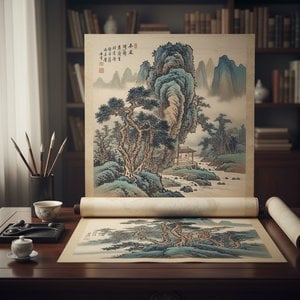
Bamboo
 Ink On Paper
 1700
1700- Early Modern
 105.0 x 30.0 cm
 Hwajeong Museum
 Loe lähemalt
Käsitsi valmistatud õlimaalireproduktsioon
Meie kunstnike poolt tellimusel valmistatud käsitsi maalitud õli-kainaste teos teie soovitud suuruses ja raamis. ( Lülita trükkitoodetele Ülemineku digitaalse pildi müügi kanalisse)




P118B $10

P118H $10

P118W $10

P438Z $10

P508JH $12

P508YH $12

P805H $10

P805Z $10

P919BZ $10

P919G $10

P919XJ $10

P959ZH $10

P968JZ $12

W106C $8

W218G $10

W218JH $8

W218Y $10

W307PJ $10

W316G $10

W316PJ $8

W316Y $10

W398PJ $8

W4111J $10

W500HY $15

W500JH $15

W692G $12

W849H $8

W940BG $15

W953PJ $8




Vali meie eelmääratud suurused, mis vastavad teose algupärastele proportsioonidele.

Sa võite sisestada oma mõõtmed konkreetse raami või ruumi sobivuse tagamiseks. Kui teie valitud suurus ei vasta originaalpildi proportsioonidele, siis kärvime kunstiteost või laiendame maali täiendavate käsitsi maalitud elementidega. Enne tootmise algust saadetakse teile heakskiitmiseks digitaalne eelvaade.
Palun pidage meeles, et ekraanil kuvatav eelvaade ei kajasta tegelikku kärpimist või laiendamist. Ainult eelvaade näitab täpselt lõplikku kompositsiooni.
Kuigi on saadaval kohandatud suurused, soovitame originaalproportsioonide säilimiseks valida mõõdud eelmääratletud nimekirjast.
Pärast tellimust saadab ArtsDot.com meeskond kliendile e-posti juhised ning esitab eelvaate kavandi
Maailmline tarne 3–4 nädala jooksul tavalise 5 nädala asemel. (24 september). Kvaliteedis kompromisse ei tehta.

Tasuta ekspresssaatmine üle maailma

Kõrgekvaliteediline lina-kangastest muld

Täielik transpordikindlustus

Tollimaksude tagastamise garantii

Värvitoime täpsuse garantii

100 päeva tagastusõigus (ainult defektide korral)

100% raha tagasi garantii

Hulgusoodustus
 Klaasivalik on saadaval ainult kuni 110 cm suuruses teostes

Bamboo
Reproduktsiooni materjal
Reproduktsiooni mõõtmed
-


Lõppsumma
$ 263
Sarnased teosed


Kunstniku elulugu
John Michael Wright: A Baroque Portraitist of the Stuart Court
John Michael Wright, born in London around 1617 and passing away in 1694, remains a fascinating figure within English art history – an artist whose talent was often overshadowed by his time, yet now recognized as a significant voice during the late 17th century. Initially trained under George Jamesone in Edinburgh, Wright’s artistic journey took him to the heart of Europe, specifically Rome, where he immersed himself in the vibrant atmosphere of the Accademia di San Luca and cultivated connections with some of the era's most influential artists. This international experience profoundly shaped his style and perspective, contributing to a unique blend of influences that distinguished his work from many of his contemporaries. His life was inextricably linked to the tumultuous political landscape of England, particularly during the Restoration period, and he navigated this environment as a loyal servant – and secret sympathizer – to the Catholic Stuart court.- Early Influences: Wright’s initial training in Edinburgh exposed him to Scottish artistic traditions, while his time in Rome immersed him in the grandeur of Baroque painting, characterized by dramatic lighting, rich colors, and a focus on theatrical composition.
- Rome and the Accademia: Admission to the Accademia di San Luca was a remarkable achievement for a British artist at this time, signifying recognition of his skill and potential within the artistic community.
- The Cromwell Commission: His involvement in the 1655 commission to acquire artworks from the estates of Oliver Cromwell proved pivotal, providing him with valuable experience and access to a wider range of patrons.
Style and Technique: Realism and Baroque Influence
Wright’s style can be characterized as a sophisticated synthesis of realism and Baroque influence. He demonstrated a keen eye for detail, meticulously rendering fabrics, textures, and facial features with remarkable accuracy. However, he avoided slavish imitation, instead employing a looser brushstroke and a subtle use of color to create a sense of atmosphere and mood. His compositions often featured dynamic diagonals and asymmetrical arrangements, drawing inspiration from the theatricality of Baroque painting while maintaining a distinctly English sensibility. The influence of George Jamesone is also evident in his early works, particularly in their use of light and shadow, though Wright quickly developed his own unique voice, characterized by a greater emphasis on psychological realism.- Realism: Wright’s portraits were notable for their realistic portrayal of subjects, capturing subtle nuances of expression and individual character.
- Baroque Elements: He incorporated Baroque techniques such as dramatic lighting (chiaroscuro) and dynamic compositions to create a sense of drama and movement.
- Psychological Depth: Wright’s portraits were distinguished by their ability to convey the inner thoughts and emotions of his subjects, rather than simply presenting outward appearances.
The Stuart Court and Catholic Patronage
Wright's career was inextricably linked to the political and religious upheavals of 17th-century England. Following the Restoration, he found himself in a precarious position as a Catholic artist within a predominantly Protestant society. However, his loyalty to the Stuart court – both Charles II and James II – secured him patronage and recognition, despite the inherent risks associated with his faith. He became a favored portraitist of these monarchs, capturing their personalities and projecting an image of regal authority. His association with the Catholic elite provided him with access to influential circles and allowed him to continue producing art during a period when many other artists faced persecution or exile.Legacy and Recognition
Despite facing periods of neglect after his death, John Michael Wright’s work has experienced a significant revival in recent decades. Scholars now recognize him as one of the most important indigenous British portraitists of his generation, praising his unique blend of realism, psychological insight, and Baroque influence. His paintings are held by prestigious collections around the world, including those at Tate Britain and the Fitzwilliam Museum in Cambridge, testament to their enduring artistic merit. Wright’s story serves as a compelling reminder of the challenges faced by artists during times of political and religious turmoil, and his legacy continues to inspire appreciation for the rich diversity of English art history. His portraits offer a rare glimpse into the lives and minds of England's elite, providing valuable insights into the social and cultural dynamics of the Stuart era.
yu deok-jang
1694 - 1774 , South Korea
Lühikest infot
- Artistic Movement Or Style: Baroque portraiture
- Artists Or Movements Influenced By This Artist: ['None known']
- Artists Who Influenced This Artist: ['George Jamesone']
- Date Of Birth: May 1617
- Date Of Death: July 1694
- Full Name: John Michael Wright
- Nationality: English
- Notable Artworks: ['Portrait of Mrs Salesbury']
- Place Of Birth: London, England
Sarnased artiklid

Xie Zhiliu: A Legacy of Ink Wash Painting & Modern Chinese Literati Tradition
Explore the legacy of Xie Zhiliu, a master of Chinese ink wash painting & prominent figure in modern art. Discover his techniques, influences, and contributions to literati tradition. A guide for discerning collectors.

Ephemeral Expressions: Exploring the Nuances of Ink on Paper Through History & Contemporary Art
Explore the captivating world of ink wash painting – from its ancient origins to contemporary masters. Discover techniques, symbolism & conservation insights with ArtsDot.com.
Pu Xinyu's 'Puru': A Legacy of Literati Painting & Emotional Resonance
Explore the captivating world of Pu Xinyu (Puru), the last great literati painter. Discover his imperial heritage, masterful ink wash techniques & enduring legacy – a valuable addition to any discerning art collection.

Yi Eungro: Bridging East & West in the Landscape of Korean Modernism
Explore the captivating world of Yi Eungro (Lee Ungno), a pivotal figure in Korean modernism. Discover his unique fusion of Eastern and Western artistic traditions, abstract masterpieces, and lasting legacy. A must-read for discerning art collectors.

Ephemeral Lines: Exploring Emotional Resonance in Ink Sketching Traditions
Explore the profound art of ink sketching! Discover techniques to express emotion, master line work, and cultivate artistic sensitivity. Learn from historical masters & unlock your creative potential.