

 Eelvaade
 Saada
Saada Jaga
Jaga
 Teave teose kohta

 Laadi alla
 Sarnased teosed
 Röntgenuuring
 Slaidietendus
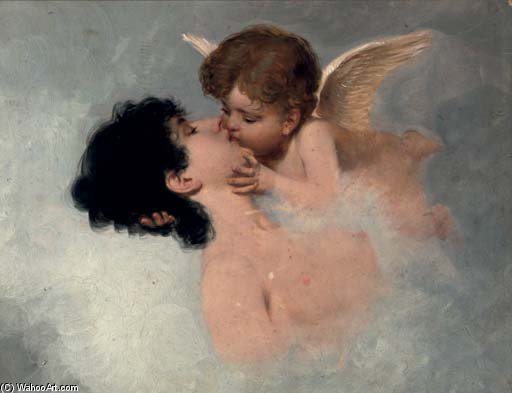
Baison D'amore
 Loe lähemalt
Ostke kõrglahutusel ja täiustatud digitaalne pilt, mis on oluliselt parem kui veebilehel näidatud eelvaade.
Iga fail on meie spetsialistide poolt hoolikalt ette valmistatud, kasutades kaasaegseid tööriistu ja professionaalset käsitsi retušeerimist. Tagame, et igal pildil on erakordne selgus, täpne värvitäpsus ja peen detail.
Lõplik fail saadetakse e-posti teel 72 tunni jooksul, olles optimeeritud koheseks kasutamiseks professionaalsetes, toimetuslikes ja trüki keskkondades. See on sama kvaliteet, mida usaldavad tipptasemel disainistuudiod, kirjastused ja galeriid.
Digitaalne kunstiteos
Laadi alla kõrge resolutsiooniga fail isiklikuks vaatamiseks, trükkimiseks ja loomingulisteks projektideks. ( Osta print Osta käsitsi maalitud maal)
Sisse kuulub iga digitaalse pildi tellimusega
Eksperdi digitaalne kohaletoimetamine, garanteeritud
Valides ArtsDot.com, ei saa sa lihtsalt pilti – saad professionaalselt parandatud digitaalse teose, mida on valmistatud täpsusega ja mis on toetatud rahuldamatusgarantiiga. Siin on kõik, mis sinu tellimusega automaatselt kaasneb:

Kiire digitaalne saatmine
Teie kõrge resolutsiooniga digitaalne pildifail saadetakse teile e-posti 72 tunni jooksul pärast tellimist – kohe kasutamiseks valmis.

Tehisintellektiga täiustatud digitaalne fail
Teie teos on professionaalselt optimeeritud arenenud tehisintellekti tööriistade ja käsitsi redigeerimise abil, tagades maksimaalse detailitaseme, selguse ja värvitäpsuse.

Tasuta eluaegne uuesti saatmine
Kas kustutasid faili kogukalu unustamisel või kustutamisel? Puudub mure – saad selle uuesti igal ajal ilma lisatasuta.

Puuduvad importimaksed – alati
Nautige oma teoseid koheselt ilma tolli-, maksude või tarnimaskuludeta – digiletchargused on alati maksuvabadud.

Värvitäpsuse garantii
Me tagame, et teie digitaalne pilt kajastaks originaali värve professionaalsete tööriistade ja värvihalduse abil võimalikult täpselt.

60-päevane rahulolu garantii
Kui te ei ole oma digipildiga rahul, parandame seda või tagastame 100% summast 60 päeva jooksul – küsimusi ei esita.

100% raha tagastamise garantii
Ei ole rahul? Saate täielise tagastaja 60 päeva jooksul pärast digitaalse faili kättesaamist – küsimata.

Suurema tellimuse soodustused
Osta 3 pilti, säästa 10% - Osta 5, säästa 15% - Osta 10+, säästa 20%. Sobib suurepäraselt loomingulisteks projektideks, galeriideks ja agentuurideks.
Kunstniku biograafia
Willy Martens: A Painter of Dutch Rural Life
Willy Martens (1856-1927) wasn’t a name that immediately resonates within the grand halls of art history, yet his canvases offer a remarkably intimate and enduring portrait of rural life in the Netherlands. Born in the Dutch East Indies as Willem Martens, he later moved to Amsterdam, where he established himself as a significant figure in the Laren School movement – a group dedicated to capturing the authentic essence of their local landscape and its inhabitants.
Martens’ artistic journey began with formal training at the Amsterdam National Academy, followed by further study in Paris and Nanterre. These experiences exposed him to diverse influences, including Impressionism and Realism, which he skillfully integrated into his own distinctive style. Unlike many of his contemporaries who focused on grand historical or mythological subjects, Martens chose to depict the everyday lives of farmers, goatherds, and laborers – figures often overlooked in mainstream art circles. His work isn’t about romanticizing rural life; it's a grounded observation, imbued with a quiet dignity and a deep respect for his subjects.
The Laren School and its Aesthetic
The Laren School, of which Martens was a key member, represented a deliberate shift away from the academic traditions that had dominated Dutch painting for centuries. Artists within this group – including Isaac Israëls, Anton Mauve, and Lambertus van der Lugt – sought to paint *en plein air* (outdoors), directly observing nature and capturing its nuances with remarkable accuracy. They were particularly interested in portraying the working lives of people in the surrounding countryside, often depicting them in their natural environments.
Martens’ paintings are characterized by a meticulous attention to detail – from the texture of weathered clothing to the folds of fabric and the subtle shifts in light. He employed a muted color palette, dominated by earthy tones and greens, creating a sense of realism that was both comforting and slightly melancholic. His compositions often feature figures engaged in simple tasks: milking cows, tending flocks, or repairing fences – activities that spoke volumes about the rhythms of rural existence.
Key Works and Recurring Themes
Several of Martens’ paintings have become particularly well-known, offering compelling glimpses into his artistic vision. “A Sunny Day In The Dunes” (1896) is a prime example, capturing the golden light filtering through the sand dunes with breathtaking clarity. Similarly, "A Summer's Day At Skagen South Beach" (circa 1900) portrays youthful innocence and the beauty of nature, showcasing his ability to evoke atmosphere and emotion through subtle brushstrokes. His portraits, often depicting local farmers and laborers, are equally striking – revealing a keen eye for character and an appreciation for the dignity of ordinary people.
Recurring themes in Martens’ work include the relationship between humans and nature, the passage of time, and the simple pleasures of rural life. He wasn't interested in grand narratives or dramatic events; instead, he focused on capturing the quiet moments that defined the lives of those who worked the land.
Legacy and Historical Significance
While Martens may not be as widely celebrated as some of his Laren School contemporaries, his contribution to Dutch art is undeniable. He played a crucial role in establishing the school’s distinctive style and helped to elevate the status of rural life as a subject worthy of artistic attention. His paintings offer a valuable window into the social and cultural history of the Netherlands at the turn of the 20th century – a period of significant change and transformation.
Furthermore, Martens’ commitment to *en plein air* painting and his meticulous observation of nature foreshadowed developments in Impressionism and later movements. His work stands as a testament to the power of art to capture the beauty and complexity of everyday life, reminding us of the enduring relevance of rural landscapes and the people who inhabit them.
Further Research
- Daniël Franken Dzn (1838-98). Bankier en kunstverzamelaar, Willy Martens, 1888: https://en/art/willy-martens-daniel-franken-dzn-1838-98-bankier-en-kunstverz-D37CS8-en/
- A Sunny Day In The Dunes: https://en/art/willy-martens-a-sunny-day-in-the-dunes-9CW6D6-en/
- A Summer’s Day At Skagen South Beach: https://en/art/willy-martens-a-summer-s-day-at-skagen-south-beach-9CW6D5-en/
- willy martens: https://en/artists/willy-martens-en/
- Willy Martens (1856 - 1927) - Richard Taylor Fine Art: https://www.richardtaylorfineart.com/artist/martens
- Artist Biography & Facts Willy Martens - askART: https://www.askart.com/artist/Willy_Martens/11052305/Willy_Martens.aspx

willy martens
1856 - 1927
Lühikesed faktid
- Artistic Movement Or Style: Laren School, Impressionism
- Artists Or Movements Influenced By This Artist: ['Israëls']
- Artists Who Influenced This Artist: ['Daniël Franken Dzn']
- Date Of Birth: 1856
- Date Of Death: 1927
- Full Name: Willy Martens
- Nationality: Dutch
- Notable Artworks:
- A Sunny Day In The Dunes
- A Summer’s Day At Skagen South Beach
- Place Of Birth: Dutch East Indies

