

 Eelvaade
 Saada
Saada Jaga
Jaga
 Teave teose kohta
 Juhend

 Laadi alla
 Sarnased teosed
 Röntgenuuring
 Slaidietendus
 KÜSIMUSED JA VASTUSID
 Statistika
William Craig

- 16.0 x 13.0 cm

 Loe lähemalt
Sellel lehel kuvatav kunstiteos on kaitstud autoriõigusega, mis tähendab, et meil ei ole seaduslikku õigust luua või müüa identset reproduktsiooni. Seda kaitset rakendatakse rahvusvaheliste kokkulepete alusel, nagu näiteks Berne konventsioon ning riiklike seadustega, sealhulgas nendega, mida on sätestatud USA autoriõiguse seadus – 17. peatükk.
See meetod järgib täielikult autoriõiguse reegleid, kuna see ei põhine kaitstud kunstiteose kopeerimisel või dupliteerimisel. Selle asemel on tegu loova reinterpreetatsiooniga – uue maaldisega, mis on algteosest inspireeritud, kuid ei ole sellest identiline.
Giclée / Kunstiprint
Muuseumikvaliteediga giclée- või kangasprint kiire tootmisega ja paindlikud viimistlusvõimalused. ( Osta käsitsi maalatud teos Lülita digitaalse pildi juurde)




































Vali meie eelmääratud suurused, mis vastavad teose algupärastele proportsioonidele.

Sisestage vajalik laius ja kõrgus, et see sobiks teie raamile või seinale. Trükki saab ainult lõigata, seda ei saa kunagi pildist suuremaks teha, seega ka erineva mustega suurus kaotab osa pildist. Enne trükkimist saadame teile kinnitamiseks digitaalse näidisprojektsiooni. Sellel lehel näidatud pilt ei kujuta reaalset lõiget — seda näitab ainult näidisprojektsioon.
Ülemaailmne tarne () 2 nädala jooksul, tavalise 4/5 nädala asemel. (15 november)

Tasuta ekspresssaatmine üle maailma

Kõrgekvaliteediline lina-kangas

Täielik transpordikindlustus

Tollimaksude tagastamise garantii

Värvitoime täpsuse garantii

100 päeva tagastusõigus (ainult valmistusdefektide korral)

100% raha tagasi garantii

Hulgusoodustus
 Klaasivalik on saadaval ainult kuni 110 cm suuruses teostes

William Craig
Giclée / Kunstiprint
Reproduktsiooni suurus
-


Koguhind
€ 56
Sarnased teosed


Kunstniku elulugu
The Delicate Precision of William Staveley
In the annals of British portraiture, few names evoke as much quiet reverence and historical intrigue as William Staveley. A figure emerging from the late Georgian era, Staveley’s life was a brief but brilliant flash of artistic mastery. Born in Edinburgh around 1785, his early years were shaped by an elite education, moving from the prestigious halls of Eton College to the scholarly environment of Oxford University. While much of his personal biography remains shrouded in the mists of time, his canvases speak with a clarity that defies his relative obscurity. He possessed a rare, innate ability to transcend mere likeness, capturing not just the physical features of the Scottish nobility, but the very soul and psychological depth of his subjects.
Stavely’s artistic development was deeply rooted in the classical traditions of his predecessors. He did not merely observe the masters; he internalized their very essence. By meticulously studying the works of Rembrandt and Joshua Reynolds, Staveley mastered the sophisticated technique of chiaroscuro. This dramatic interplay between light and shadow became the hallmark of his oeuvre, allowing him to sculpt faces out of darkness and imbue skin tones with a lifelike warmth. Unlike many of his contemporaries who sought to overwhelm the viewer with grandiosity and ostentatious displays of wealth, Staveley pursued an aesthetic of understated elegance. His brushwork favored accuracy and subtlety, finding profound beauty in the quiet nuances of a gaze or the gentle fold of a silk garment.
A Legacy Captured in Light and Shadow
The breadth of Staveley’s contribution to the portraiture of his era is best understood through his most celebrated commissions. His work served as a vital record for the wealthy Scottish families and prominent figures of the period, acting as a window into the social hierarchies and intellectual currents of the late 18th and early 19th centuries. Each portrait was a carefully constructed narrative of dignity and grace.
Among his most enduring achievements are works that showcase his remarkable anatomical precision and emotional sensitivity:
- George Home of Paxton: A captivating depiction of the Earl that stands as a testament to Staveley's ability to balance formal grandeur with nuanced human expression.
- Henry Mackenzie: In this portrait, the artist captures the contemplative and thoughtful gaze of the author, demonstrating a profound empathy for his sitter’s intellectual character.
- Jane Duff of Hatton: A stunning example of his 1790s period, where his mastery of realistic detail and classical style is on full display.
- Dr. Gregory Grant: A 1796 masterpiece that utilizes rich textures and striking lighting to create a sense of historical weight and formal importance.
- Sir James Grant: A portrait that exemplifies the artist's dedication to portraying his subjects with an unwavering sense of dignity.
Though Staveley’s life was tragically cut short by his death in 1808, the impact of his brief career remains palpable. He left behind a collection of works that do more than simply document faces; they preserve the spirit of an age. Through his disciplined use of light and his commitment to the truth of the human countenance, William Staveley secured his place as a master of Scottish portraiture, leaving an indelible mark on the history of British art.

William Staveley
1928 - 1997 , United Kingdom
Lühikest infot
- Full Name: William Staveley
- Nationality: British
- Date Of Birth: 1928
- Date Of Death: 1997
- Notable Artworks:
- George Home of Paxton
- Henry Mackenzie
- Sir James Grant
- Artistic Movement Or Style: Portrait painting
Sarnased artiklid

Timeless Masterpieces: 10 Classic Artworks for Elegant Homes |
Explore 10 timeless masterpieces – from Van Gogh to Rembrandt – that define classic art & evoke enduring moods. Discover art history, techniques & find museum-quality reproductions for your home at . Explore the full collection online!
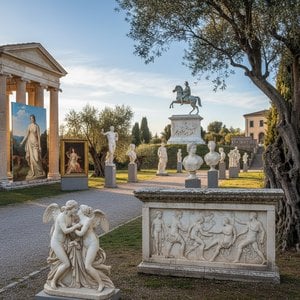
Neoklassitsismi 10 Meisterteost: Kunsti ja Disaini Klassikud
Avasta neoklassitsismi 10 silmapaistvat meistriteost! David, Canova jt legendid – kunstiajaloo klassikud. Tutvu lugudega, tehnikatega ja leid inspiratsiooni oma koduks. Kvaliteetsed kunstireproduktsioonid ArtsDot.com-ilt! Uuri täielik kollektsioon veebis.

Jean-Marc Nattier: Rococo Portraiture & Aristocratic Patronage
Explore the exquisite Rococo portraits of Jean-Marc Nattier, favored by French aristocracy. Discover his artistic techniques, patronage network, and lasting legacy – a guide for discerning collectors.

Friedrich von Amerling: Capturing Viennese Aristocracy & the Biedermeier Spirit
Explore the elegant portraits of Friedrich von Amerling, a master of Viennese Biedermeier art. Discover his life, style, and lasting influence on 19th-century Austrian painting. Find high-quality reproductions at ArtsDot.

Franz Xaver Winterhalter: Court Painter, Academician & Embodiment of Mid-19th Century Portraiture
Explore the life & art of Franz Xaver Winterhalter, the celebrated court painter of the 19th century. Discover his exquisite portraits of royalty and aristocracy – a symbol of prestige and refined taste.