

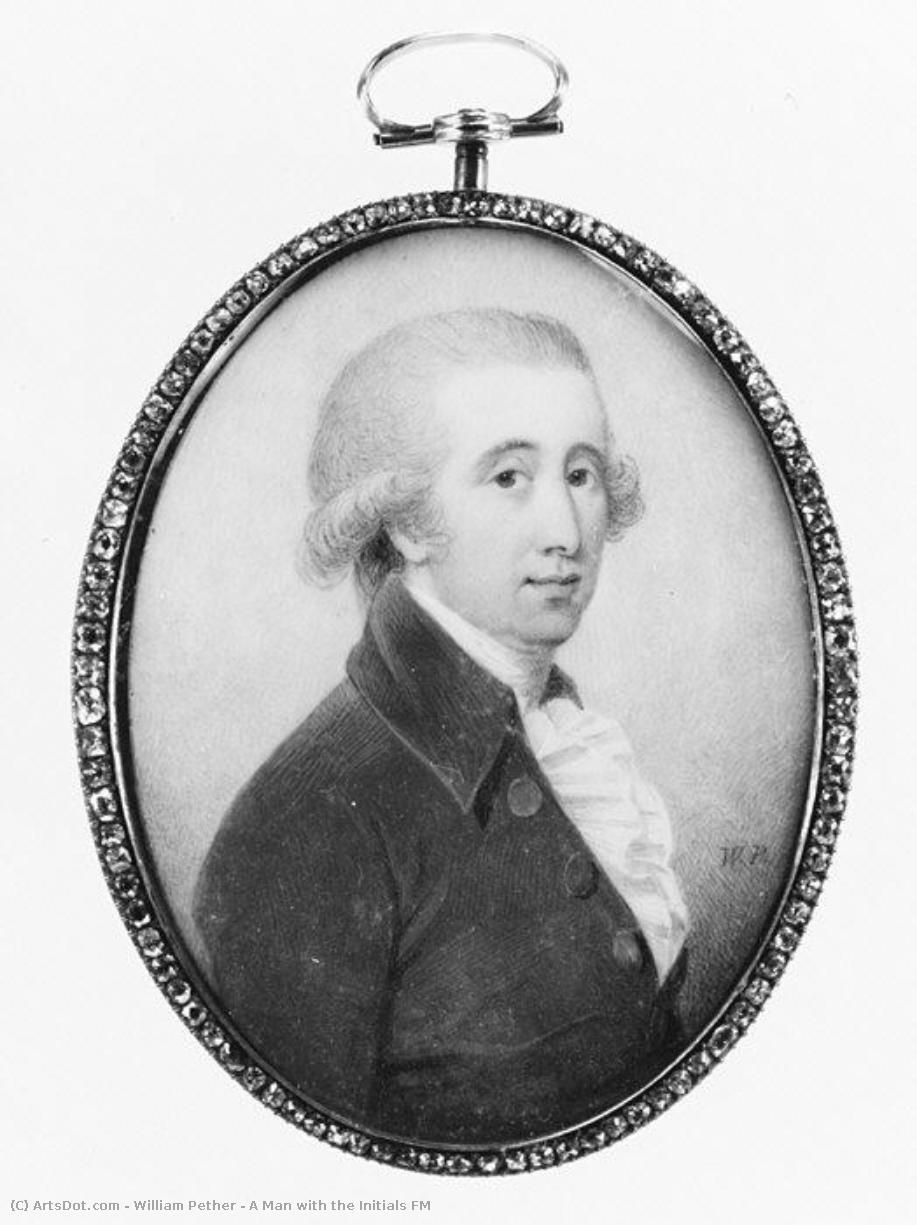
- 8.0 x 6.0 cm
Teos järgib teie valikuid: , .
Kunstniku elulugu
A master of mezzotint engraving known for works after Rembrandt. Discover the atmospheric beauty of his prints today.
 Loe lähemalt
Käsitsi valmistatud õlimaalireproduktsioon
Meie kunstnike poolt tellimusel valmistatud käsitsi maalitud õli-kainaste teos teie soovitud suuruses ja raamis. ( Lülita trükkitoodetele Lülita digitaalse pildi juurde)
Lisateavet selle maali kohta
 Eelvaade
 Saada
Saada Jaga
Jaga
 Teave teose kohta
 Juhend

 Laadi alla
 Sarnased teosed
 Röntgenuuring
 Slaidietendus
 KÜSIMUSED JA VASTUSID
 Statistika
Tellige oma maali neljas lihtsas sammus
Ärge kiirustage. Saate igal hetkel vastuseid muuta; tellimuskarril kuvatav hind muutub vastavalt tehtud valikutele.
1 Esimene samm neljast
Millist suurust soovite?
Need suurused säilitavad originaalteose proportsioonid. Joonis näitab teie valikut seina küljel, kaheMeetise diivani kohal.
Või sisesta oma mõõdud
Vali meie eelmääratud suurused, mis vastavad teose algupärastele proportsioonidele.

Sisestage vajalik laius ja kõrgus, et teos sobiks teie raamile või seinale. Kuna tegu on käsipainatud teosega, siis erineva kujuga suuruse korral võib kunstnik jätta pildi ümber veidi rohkem marginaali või lõigata osa ära — valik on teie. Enne maali alustamist saadame teile kinnitamiseks digitaalse näidisprojektsiooni. Sellel lehel näidatud pilt ei kajasta tegelikku tulemust — seda näitab ainult näidisprojektsioon.
2 Teine samm neljast
Kuidas see peaks valmistatud olema: rullitud, pingutatud või raamitud?
Alljadevad hinnad kehtivad esimeses sammus valitud suuruse kohta.
Vali pingutatud kanga servade stiil
Vali oma raam

Valge serv €1

häguse servaga lõppviimistlus €1

Laiendatud €1

P118B €10

P118H €10

P118W €10

P438Z €10

P508JH €12

P508YH €12

P805H €10

P805Z €10

P919BZ €10

P919G €10

P919XJ €10

P959ZH €10

P968JZ €12

W106C €8

W218G €10

W218JH €8

W218Y €10

W307PJ €10

W316G €10

W316PJ €8

W316Y €10

W398PJ €8

W4111J €10

W500HY €15

W500JH €15

W692G €12

W849H €8

W940BG €15

W953PJ €8

H24-GOLD €30

H24-SILVER €30

H36-GOLD €45

H36-SILVER €45
Raamitud
Kujund: . Kogumõõt koos raamiga: .
3 Kolmandas sammis neljast
Kas soovite maalis midagi muuta?
Enamik inimesi vastab ei. Kuna iga maali on käsitsi valmistatud, saab meie kunstnik seda ka teie soovidega kohandada.
Pärast tellimust saadetab ArtsDot.com meeskond klientile e-posti juhised ning esitab ette tasandatud eelvaate
4 Neljas samm neljast
Mõned lõppviimistlusvõimalused
Kõik need on valimiste korral vabatahtlikud. Juba valitud vastustele ei rakendu täiendav kulu.
Kes selle maalis?
Maailmline tarne 3–4 nädala jooksul tavalise 5 nädala asemel. (8 november). Kvaliteedis kompromisse ei tehta.
Nimetelis, nagu muuseumis?
Graveeritud pronksplaadi üksikasjad
This elegant plaque features the artist's name and the title of the artwork, finely engraved for a timeless presentation.
It is made from bronze with a refined, elegant finish. The text is precisely laser-engraved for a sharp and permanent result. Measuring 9x2 cm, the plaque is compact yet easy to read. It's built to be durable and scratch-resistant, offering a professional, museum-quality look. Mounting is simple thanks to the included adhesive backing.
Läbipaistva akrüülplaadi üksikasjad
The plaque includes essential engraved details such as the artist's name, the title of the artwork, the date it was created, the type of media used-like oil on canvas or watercolor-a brief description of the piece, and a QR code that links to the complete artwork information.
It is crafted from clear acrylic, offering a sleek, modern appearance. The text is UV-engraved in black to ensure strong visual contrast. With a size of 10x15 cm, it ensures optimal readability. It comes equipped with two metal hooks for secure wall mounting. The plaque is designed to be weather-resistant, making it suitable for various environments, and it includes interactive features that work seamlessly with smartphone scanning.
Musta akrüülplaadiรายละเอียด (Note: The user provided "Musta akrüülplaadi detailid" as the current translation and asked for an improved version. Since "Musta akrüülplaadi
This elegant plaque includes engraved information such as the artist's name, the title of the artwork, the date it was created, the type of media used (like oil on canvas or watercolor), a short description of the artwork, and a QR code for quick access to more information.
The plaque itself is made from refined black acrylic with a premium finish. The text is laser-engraved in white for high contrast and readability. Its size is 10x15 cm, designed to be easy to read. It comes with two metal hooks for professional mounting. The design is sleek and fits any interior style. It is also weather-resistant and durable, with built-in digital integration for mobile compatibility.
Kaitsev lakikih?
Millal te seda vajate?
✓ Kontrolli ja telli
Teie maalid vastavalt tellimusele

A Man with the Initials FM
Reproduktsiooni tehnika
Reproduktsiooni suurus
-

Eelistatud tippkunstnik
Rohkem detaile, peenust ja lisatootmisaega
-

Reproduktsiooni raamivalikud
-
-
Kunstiteoste või reproduktsioonide puhul, mille üks külg on üle 105 cm (umbikmolt 41 tolli), saadetakse raam kirjal asendis, la Dismantlitud komplektina. See meetod tagab ohutuse kohaletoimetamisel ja väldib transpordil tekkivaid kahjustusi.
Vajalik professionaalne kokkupanek – see ei ole isetegevusega valmistamiseks mõeldud toode.
Komplekt tuleb kokku panna ja lõvet pingutada kogemusega professionaalse raamija, kasutades puiduliim (ei kuulu komplekti), lõvetpingi ja klempe, et hoida raami kande mustad õigena liimi kuivamisaja jooksul. Vale kokkupanek või ebaühtlane lõvetping võib kunstiteost püsivalt kahjustada ning seda
 Kunstiteoste või reproduktsioonide puhul, mille üks külg on üle 105 cm (umbikmolt 41 tolli), saadetakse raam kirjal asendis, la Dismantlitud komplektina. See meetod tagab ohutuse kohaletoimetamisel ja väldib transpordil tekkivaid kahjustusi.
Kaasatud on kõik tahked puidust liistud, täpselt lõigatud vastavaks suuruseks.
Kokku panemiseks kasutatakse lisatud kruvisid ning nurkade liimamiseks vajalikku puuliima, mida ei ole komplektis ja mida peab raamivalmistaja ise hankima.
Vajalik on kasutada professionaalseid tööriistu, mis ei kuulu komplekti: lõvetelapide pingist (pingutaja) ja klambreid, et hoida raami puidu nurgas õigena liimi kuivamisaja jooksul.
Oluline:
Nurgaliimamiseks on vaja puiduliim, liimimine peab toimuma klempide all kuni liim on täielikult kuivanud ning kokku monteeritud raami kanga pingutamiseks on vajalik kanga pingutustang. Kumbki neist ei kuulu komplekti. Palun veenduge enne selle suuruse tellimist, et teil on saadaval kogenud professionaalne raamistaja.

Nimesildikiri
-
-

Kaitsevärnitsus
Läikiv lakk (muudab värvid elavamaks ning kaitseb valgust ja niiskust eest)
-

Kohanda oma teost
Näiteid muudatuste kohta: Asenda nägu kliendi fotoga; Lisa lemmikloom (nt asenda kass koeraga); Lisa taustale peidetud sõnum; Muuda tausta maastikku või elemente.
-

Kiire tarne
Ülemaailmne tarne riiki 3–4 nädalaga tavalise 5 nädala asemel. (8 november). Kvaliteedis kompromisse ei tehta.
-
Kiirsaatmine
Ülemaailmne tarne () 5 nädala jooksul. (15 november).
Sisse kuuluv
Koguhind
€ 235
Klaasivalik on saadaval ainult kuni 110 cm suuruses teostes
Säli iga tellimusega
- Tasuta ekspresssaatmine üle maailma
- Kõrgekvaliteediline lina-kangas
- Täielik transpordikindlustus
- Tollimaksude tagastamise garantii
- Värvitoime täpsuse garantii
- 100 päeva tagastusõigus (ainult valmistusdefektide korral)
- 100% raha tagasi garantii
- Hulgusoodustus


Sarnased teosed


William Pether
1738 - 1821
Kunstniku elulugu
The Shadow and the Light
London, 1738. A child is born into a city of growing industry and shifting tastes. William Pether enters the world, eventually finding his way to the studio of Thomas Frye. This apprenticeship marks the beginning of a technical obsession with light. By 1761, he is no longer merely a student but a partner to Frye. The partnership provides a foundation for a career defined by the mezzotint—a method where darkness is carved away to reveal brilliance.
The work emerges from deep blacks. He does not simply draw; he excavates. His hands move across copper plates, translating the heavy shadows of Rembrandt and the dramatic, atmospheric lighting of Joseph Wright of Derby into print. In works like The Jewish Bride or A Lecture on the Orrery, the tension lies in the contrast. The light does not just sit on the surface; it seems to struggle against an encroaching gloom.
Versatility in Miniature and Porcelain
Beyond the heavy grain of the mezzotint, Pether’s hand finds a different scale. He moves from the broad, dark textures of large-scale engravings to the delicate precision of ivory. The transition is sharp. Here, the artist becomes a miniaturist, applying thin layers of paint to create intimate portraits that require a much closer gaze.
His reach extends even to the decorative arts. He applies his skill to the surface of porcelain, decorating objects with the same eye for detail found in his drawings. His repertoire is wide and occasionally unexpected:
- Mezzotint engravings after Dutch and English masters
- Oil paintings and pastel drawings
- Miniature painting on ivory
- Porcelain decoration
- Inventions of various gadgets
The Shift to the Provinces
The momentum of London life eventually gives way to a more fragmented existence. Pether moves between London, Nottingham, and Bristol. The prestige of being a foundation fellow of the Incorporated Society of Artists and a director of the same body remains, yet his physical presence drifts toward the edges of the capital. In Bristol, the grander ambitions of the engraver settle into the practicalities of a drawing-master and picture-cleaner.
The later years are marked by a quiet retreat from the center of the art world. He engages in engraving portraits of local figures like Edward Colston and Samuel Syer, working within the established traditions of his craft. By the time he reaches Montague Street in Bristol, the man who once captured the dramatic light of the masters has largely faded into obscurity. He dies in 1821, leaving behind a body of work that exists in the delicate balance between the deep shadows of the mezzotint and the fine lines of the miniature.