


Teos järgib teie valikuid: , .
Kogumisobjekti kirjeldus
A rusted car reclaimed by lush greenery creates a striking contrast of nature versus abandonment in this evocative 2015 piece by Tim Burns, inviting you to explore the profound beauty of decay and resilience.
 Loe lähemalt
Kunstniku elulugu
Australian artist Tim Burns creates provocative ‘context art’ – live interventions reflecting on modern society. Known for explosive actions & immersive experiences.
Käsitsi valmistatud õlimaalireproduktsioon
Meie kunstnike poolt tellimusel valmistatud käsitsi maalitud õli-kainaste teos teie soovitud suuruses ja raamis. ( Lülita trükkitoodetele Lülita digitaalse pildi juurde)
See teos on autoriõigusega kaitstud
Sellel lehel kuvatav kunstiteos on kaitstud autoriõigusega, mis tähendab, et meil ei ole seaduslikku õigust luua või müüa identset reproduktsiooni. Seda kaitset rakendatakse rahvusvaheliste kokkulepete alusel, nagu näiteks Berne konventsioon ning riiklike seadustega, sealhulgas nendega, mida on sätestatud USA autoriõiguse seadus – 17. peatükk.
Austasena ja seaduslikuna alternatiivina pakume originaalist inspireeritud, käsitsi maalitud isikupärastatud teoseid. Meie osutavad ja professionalsed kunstnikud uurivad hoolikalt originaali stiili, meelemoi ja kunstilist olemust, et luua uus, ainulaadne teos, mis tekitab sama tunnet – olles samal ajal omaette originaalne looming.
See meetod järgib täielikult autoriõiguse reegleid, kuna see ei põhine kaitstud kunstiteose kopeerimisel või dupliteerimisel. Selle asemel on tegu loova reinterpreetatsiooniga – uue maaldisega, mis on algteosest inspireeritud, kuid ei ole sellest identiline.
Lisateavet selle maali kohta
 Saada
Saada Jaga
Jaga
 Teave teose kohta
 Juhend

 Laadi alla
 Sarnased teosed
 Slaidietendus
 KÜSIMUSED JA VASTUSID
 Statistika
Tellige oma maali neljas lihtsas sammus
Ärge kiirustage. Saate igal hetkel vastuseid muuta; tellimuskarril kuvatav hind muutub vastavalt tehtud valikutele.
1 Esimene samm neljast
Millist suurust soovite?
Need suurused säilitavad originaalteose proportsioonid. Joonis näitab teie valikut seina küljel, kaheMeetise diivani kohal.
Või sisesta oma mõõdud
Vali meie eelmääratud suurused, mis vastavad teose algupärastele proportsioonidele.

Sisestage vajalik laius ja kõrgus, et teos sobiks teie raamile või seinale. Kuna tegu on käsipainatud teosega, siis erineva kujuga suuruse korral võib kunstnik jätta pildi ümber veidi rohkem marginaali või lõigata osa ära — valik on teie. Enne maali alustamist saadame teile kinnitamiseks digitaalse näidisprojektsiooni. Sellel lehel näidatud pilt ei kajasta tegelikku tulemust — seda näitab ainult näidisprojektsioon.
2 Teine samm neljast
Kuidas see peaks valmistatud olema: rullitud, pingutatud või raamitud?
Alljadevad hinnad kehtivad esimeses sammus valitud suuruse kohta.
Vali pingutatud kanga servade stiil
Vali oma raam

Valge serv €1

häguse servaga lõppviimistlus €1

Laiendatud €1

P118B €10

P118H €10

P118W €10

P438Z €10

P508JH €12

P508YH €12

P805H €10

P805Z €10

P919BZ €10

P919G €10

P919XJ €10

P959ZH €10

P968JZ €12

W106C €8

W218G €10

W218JH €8

W218Y €10

W307PJ €10

W316G €10

W316PJ €8

W316Y €10

W398PJ €8

W4111J €10

W500HY €15

W500JH €15

W692G €12

W849H €8

W940BG €15

W953PJ €8

H24-GOLD €30

H24-SILVER €30

H36-GOLD €45

H36-SILVER €45
Raamitud
Kujund: . Kogumõõt koos raamiga: .
3 Kolmandas sammis neljast
Kas soovite maalis midagi muuta?
Enamik inimesi vastab ei. Kuna iga maali on käsitsi valmistatud, saab meie kunstnik seda ka teie soovidega kohandada.
Pärast tellimust saadetab ArtsDot.com meeskond klientile e-posti juhised ning esitab ette tasandatud eelvaate
4 Neljas samm neljast
Mõned lõppviimistlusvõimalused
Kõik need on valimiste korral vabatahtlikud. Juba valitud vastustele ei rakendu täiendav kulu.
Kes selle maalis?
Maailmline tarne 3–4 nädala jooksul tavalise 5 nädala asemel. (5 november). Kvaliteedis kompromisse ei tehta.
Nimetelis, nagu muuseumis?
Graveeritud pronksplaadi üksikasjad
This elegant plaque features the artist's name and the title of the artwork, finely engraved for a timeless presentation.
It is made from bronze with a refined, elegant finish. The text is precisely laser-engraved for a sharp and permanent result. Measuring 9x2 cm, the plaque is compact yet easy to read. It's built to be durable and scratch-resistant, offering a professional, museum-quality look. Mounting is simple thanks to the included adhesive backing.
Läbipaistva akrüülplaadi üksikasjad
The plaque includes essential engraved details such as the artist's name, the title of the artwork, the date it was created, the type of media used-like oil on canvas or watercolor-a brief description of the piece, and a QR code that links to the complete artwork information.
It is crafted from clear acrylic, offering a sleek, modern appearance. The text is UV-engraved in black to ensure strong visual contrast. With a size of 10x15 cm, it ensures optimal readability. It comes equipped with two metal hooks for secure wall mounting. The plaque is designed to be weather-resistant, making it suitable for various environments, and it includes interactive features that work seamlessly with smartphone scanning.
Musta akrüülplaadiรายละเอียด (Note: The user provided "Musta akrüülplaadi detailid" as the current translation and asked for an improved version. Since "Musta akrüülplaadi
This elegant plaque includes engraved information such as the artist's name, the title of the artwork, the date it was created, the type of media used (like oil on canvas or watercolor), a short description of the artwork, and a QR code for quick access to more information.
The plaque itself is made from refined black acrylic with a premium finish. The text is laser-engraved in white for high contrast and readability. Its size is 10x15 cm, designed to be easy to read. It comes with two metal hooks for professional mounting. The design is sleek and fits any interior style. It is also weather-resistant and durable, with built-in digital integration for mobile compatibility.
Kaitsev lakikih?
Millal te seda vajate?
✓ Kontrolli ja telli
Teie maalid vastavalt tellimusele

Victory or Revenge
Reproduktsiooni tehnika
Reproduktsiooni suurus
-

Eelistatud tippkunstnik
Rohkem detaile, peenust ja lisatootmisaega
-

Reproduktsiooni raamivalikud
-
-
Kunstiteoste või reproduktsioonide puhul, mille üks külg on üle 105 cm (umbikmolt 41 tolli), saadetakse raam kirjal asendis, la Dismantlitud komplektina. See meetod tagab ohutuse kohaletoimetamisel ja väldib transpordil tekkivaid kahjustusi.
Vajalik professionaalne kokkupanek – see ei ole isetegevusega valmistamiseks mõeldud toode.
Komplekt tuleb kokku panna ja lõvet pingutada kogemusega professionaalse raamija, kasutades puiduliim (ei kuulu komplekti), lõvetpingi ja klempe, et hoida raami kande mustad õigena liimi kuivamisaja jooksul. Vale kokkupanek või ebaühtlane lõvetping võib kunstiteost püsivalt kahjustada ning seda
 Kunstiteoste või reproduktsioonide puhul, mille üks külg on üle 105 cm (umbikmolt 41 tolli), saadetakse raam kirjal asendis, la Dismantlitud komplektina. See meetod tagab ohutuse kohaletoimetamisel ja väldib transpordil tekkivaid kahjustusi.
Kaasatud on kõik tahked puidust liistud, täpselt lõigatud vastavaks suuruseks.
Kokku panemiseks kasutatakse lisatud kruvisid ning nurkade liimamiseks vajalikku puuliima, mida ei ole komplektis ja mida peab raamivalmistaja ise hankima.
Vajalik on kasutada professionaalseid tööriistu, mis ei kuulu komplekti: lõvetelapide pingist (pingutaja) ja klambreid, et hoida raami puidu nurgas õigena liimi kuivamisaja jooksul.
Oluline:
Nurgaliimamiseks on vaja puiduliim, liimimine peab toimuma klempide all kuni liim on täielikult kuivanud ning kokku monteeritud raami kanga pingutamiseks on vajalik kanga pingutustang. Kumbki neist ei kuulu komplekti. Palun veenduge enne selle suuruse tellimist, et teil on saadaval kogenud professionaalne raamistaja.

Nimesildikiri
-
-

Kaitsevärnitsus
Läikiv lakk (muudab värvid elavamaks ning kaitseb valgust ja niiskust eest)
-

Kohanda oma teost
Näiteid muudatuste kohta: Asenda nägu kliendi fotoga; Lisa lemmikloom (nt asenda kass koeraga); Lisa taustale peidetud sõnum; Muuda tausta maastikku või elemente.
-

Kiire tarne
Ülemaailmne tarne riiki 3–4 nädalaga tavalise 5 nädala asemel. (5 november). Kvaliteedis kompromisse ei tehta.
-
Kiirsaatmine
Ülemaailmne tarne () 5 nädala jooksul. (12 november).
Sisse kuuluv
Koguhind
€ 234
Klaasivalik on saadaval ainult kuni 110 cm suuruses teostes
Säli iga tellimusega
- Tasuta ekspresssaatmine üle maailma
- Kõrgekvaliteediline lina-kangas
- Täielik transpordikindlustus
- Tollimaksude tagastamise garantii
- Värvitoime täpsuse garantii
- 100 päeva tagastusõigus (ainult valmistusdefektide korral)
- 100% raha tagasi garantii
- Hulgusoodustus


A Poignant Dialogue Between Decay and Renewal
In his evocative work Victory or Revenge, Tim Burns presents a profound visual meditation on the relentless passage of time and the inevitable reclamation of man-made objects by the natural world. The composition is anchored by the striking presence of a rusted, abandoned car, its skeletal remains heavily corroded and overtaken by burgeoning vegetation. This decaying relic serves as a haunting focal point, acting as a memento mori for the industrial age. As the eye wanders from the textured, oxidized metal to the lush greenery sprouting from within the vehicle's interior, one feels the weight of abandonment, yet there is an undeniable sense of triumph in the way life persists amidst the wreckage.
The artist masterfully employs a stark contrast in both subject and atmosphere to evoke deep emotional resonance. While the foreground speaks to loss, entropy, and the fragility of human engineering, the background offers a serene counterpoint. Beyond the rusted frame, a tranquil body of water reflects a clear, expansive sky, dotted with distant boats that suggest a world continuing its rhythmic, peaceful existence. This juxtaposition creates a complex narrative tension: is the encroaching nature a form of revenge against human intrusion, or is it a victory of life's enduring spirit? The soft, late-afternoon light bathes the scene in a gentle glow, softening the harsh edges of the decay and inviting the viewer into a state of quiet contemplation.
For the discerning collector or interior designer, this piece offers more than mere decoration; it provides a sophisticated conversational element for any curated space. The work’s ability to blend the gritty textures of rust and iron with the vibrant, fluid beauty of a coastal landscape makes it an incredibly versatile addition to modern, contemporary, or rustic interiors. A high-quality reproduction of this artwork brings a sense of depth and storytelling to a room, acting as a window into a world where the boundaries between the artificial and the organic are beautifully blurred. It is a piece that invites the gaze to linger, rewarding the observer with new layers of meaning upon every encounter.
Korduvad küsimused
Kuidas saan teoseid „Victory or Revenge“, autor Tim Burns vaadata diapositatsioonina?
Teost „Victory or Revenge“, autor Tim Burns saab vaadata diapositena teose Pildikava lehel.
Kuidas teose „Victory or Revenge“, autor Tim Burns meeleolu on kirjeldatud?
Teose „Victory or Revenge“, autor Tim Burns meeleolu on kirjeldatud kui Earthy. See klassifikatsioon võib aidata leida teosele sobiva sisekujunduse.
Kuidas materjal ja suund teoses "Victory or Revenge" kokku saavad?
„Victory or Revenge“, autor Tim Burns ühendab endas Photography tehnikat ja Contemporary Realism stiili. Tehnika ja suundumus kirjeldavad teose valmistusviisi ja esteetikat.
Sarnased teosed


Tim Burns
1953 - , Australia
Kunstniku elulugu
The Architect of Disruption: The Artistic Journey of Tim Burns
In the turbulent landscape of the early 1970s, a period defined by radical social shifts and the burgeoning influence of mass media, Tim Burns emerged as a provocative force within the Australian underground art scene. Born in Canberra in 1953, Burns did not merely participate in the artistic dialogue of his era; he sought to shatter it. His early identity was forged through an intense engagement with anarchist ideology and Marxist theory, intellectual currents that fueled a lifelong commitment to challenging established power structures and interrogating the boundaries of public consciousness. Rather than retreating into the quiet sanctity of a studio, Burns pioneered what he termed ‘context art’—a practice of live, often explosive interventions in public spaces designed to destabilize the viewer's perception and force a critical reflection on the hypermediated nature of modern existence.
These formative years were marked by a series of legendary, and at times literally explosive, performance actions. Works such as A change of plan, Minefield, For The Sake Of Art, and Not Ceasing To Loiter served as calculated provocations. These were not mere spectacles for the sake of sensation; they were conceptual disruptions intended to act as mirrors to a society increasingly saturated by media imagery. By utilizing the public sphere as his canvas, Burns transformed everyday environments into sites of profound social inquiry, making him a pivotal figure in the history of Australian experimental art and performance.
From New York Super 8 to Cinematic Innovation
The trajectory of Burns’s career took a transformative turn in the late 1970s when he relocated to New York. This move placed him at the heart of a global epicenter of avant-garde experimentation, where his focus shifted toward the medium of film. Embracing the raw, tactile aesthetic of Super 8, Burns became a prominent figure in the New York Super 8 New Wave. His filmmaking during this period was characterized by an experimental technique used to critique the very media saturation he had previously explored through performance. Through works like Why Cars, CARnage! (1977) and Political Transmission (1978), he utilized the cinematic lens to dissect the layers of communication that define contemporary life.
His cinematic evolution continued with the 16mm feature film Against the Grain (1980), further cementing his reputation as a multidisciplinary creator who refused to be confined by a single medium. Whether acting, cinematography, or directing, Burns’s work remained unified by a singular, driving purpose: to create situations that demand attention and provoke thought. His ability to navigate between the visceral energy of performance art and the structured narrative of experimental film allowed him to explore the complexities of industrialised Western society from multiple vantage points.
Legacy of Decay and Renewal
As his career progressed, the themes in Burns’s work evolved to encompass a more profound meditation on time, entropy, and the relationship between humanity and the natural world. This is perhaps most poignantly captured in evocative pieces such as Victory or Revenge. In this work, the artist presents a haunting dialogue between man-made decay and biological resurgence. The sight of a rusted, skeletal car being reclaimed by lush greenery serves as a powerful memento mori for the industrial age, prompting the viewer to contemplate whether the encroachment of nature is an act of vengeance or a triumphant persistence of life.
Today, residing near York in Western Australia, Burns continues to embody the spirit of an artist whose work transcends simple categorization. His historical significance lies not only in his technical innovations in film and performance but in his enduring ability to use art as a tool for social and philosophical interrogation. His legacy remains a vital part of the underground canon, reminding us that true art often exists at the intersection of disruption and deep, quiet contemplation.
Sarnased artiklid

Golden Glow: How to Use Metallic Gold Artworks to Elevate Your Home Decor with Timeless Luxury
Discover how to elevate your home with the timeless elegance of metallic gold artworks. From sculptural metal pieces to gilded oil paintings, learn expert interior design tips for integrating luxurious gold accents into your space with sophistication and grace.
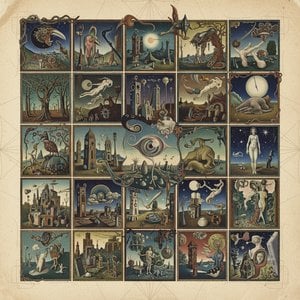
Max Ernsti 25 parimat teost: Surrealismi meistriteosed teie interjööri
Avastage Max Ernsti 25 parimat teost! Sukelduge surrealismi ja dadaismi maailma, tutvuge kunstniku lugude ja tehnikatega. Leidke täiuslik maali oma interjööri ArtsDot.com-ist – kvaliteetsed kunstireprodutsioonid ja kollektsioonid.

Beyond Sight: Exploring Tactile Dimensions and Illumination in Abstract Painting
Explore the captivating world of tactile abstraction! Discover impasto techniques, influential artists like Richter & Hoyland, and expert insights for collecting textured art. Elevate your space with museum-quality pieces.