


 Vaata sisu
 Jaga teost
 Jaga
Jaga
 Detailid
 Õppekate juhend

 Laadi alla
 Sarnased teosed
 Röntgenuuring
 Slaidietendus
 Statistika
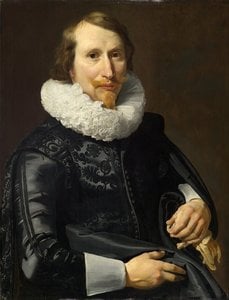
A Lady
 Dutch Golden Age
 1632
1632 79.0 x 52.0 cm
 Staatliche Museen zu Berlin
 Loe lähemalt
Giclée / Kunstiprint
Muuseumikvaliteediga giclée- või kangasprint kiire tootmisega ja paindlikud viimistlusvõimalused. ( Telli käsitsi maalitud reproduktsioon Ülemineku digitaalse pildi müügi kanalisse)




P118B €10

P118H €10

P118W €10

P438Z €10

P508JH €12

P508YH €12

P805H €10

P805Z €10

P919BZ €10

P919G €10

P919XJ €10

P959ZH €10

P968JZ €12

W106C €8

W218G €10

W218JH €8

W218Y €10

W307PJ €10

W316G €10

W316PJ €8

W316Y €10

W398PJ €8

W4111J €10

W500HY €15

W500JH €15

W692G €12

W849H €8

W940BG €15

W953PJ €8




Vali meie eelmääratud suurused, mis vastavad teose algupärastele proportsioonidele.

Sisestage vajalik laius ja kõrgus, et see sobiks teie raamile või seinale. Trükki saab ainult lõigata, seda ei saa kunagi pildist suuremaks teha, seega ka differentse vormiga suurus kaotab osa pildist. Enne trükkimist saadame teile kinnitamiseks digitaalse näidisprojektsiooni. Sellel lehel näidatud pilt ei kujuta reaalset lõiget — seda näitab ainult näidisprojekttsioon.
Ülemaailmne tarne () 2 nädala jooksul, tavalise 4/5 nädala asemel. (23 oktoober)

Tasuta ekspresssaatmine üle maailma

Kõrgekvaliteediline lina-kangastest muld

Täielik transpordikindlustus

Tollimaksude tagastamise garantii

Värvitoime täpsuse garantii

100 päeva tagastusõigus (ainult defektide korral)

100% raha tagasi garantii

Hulgusoodustus
 Klaasivalik on saadaval ainult kuni 110 cm suuruses teostes

A Lady
Giclée / Kunstiprint
Reproduktsiooni mõõtmed
-


Lõppsumma
€ 54
A Portrait of Grace: Unveiling Thomas de Keyser’s “A Lady”
The year is 1632. Amsterdam thrives as the epicenter of the Dutch Golden Age, a period brimming with artistic innovation and opulent patronage. Within this vibrant scene emerges Thomas de Keyser, a painter whose skill lay not merely in capturing likeness but in distilling the very essence of his subjects – a talent brilliantly showcased in his captivating portrait, “A Lady.” This oil-on-oak panel painting, currently residing within the esteemed Staatliche Museen in Berlin, is more than just a depiction; it’s an invitation into a world of refined elegance and subtle psychological depth.
De Keyser's style, heavily influenced by both the meticulous detail of Flemish masters like Anthony van Dyck and the dramatic lighting favored by Rembrandt, results in a remarkably lifelike portrayal. The lady before us is presented with a poise that speaks volumes – her posture relaxed yet undeniably regal, her gaze direct and engaging. Notice how De Keyser masterfully employs chiaroscuro, the masterful use of light and shadow, to sculpt the figure, drawing attention to her face and hands while subtly enveloping the background in a veil of mystery. The dark interior, punctuated by the warm glow emanating from an unseen window, creates a sense of intimacy and draws the viewer into the scene.
Deconstructing the Details: Fashion, Symbolism, and Technique
A closer examination reveals a wealth of detail that speaks volumes about the era. The lady’s attire is a testament to the fashion of 17th-century Holland – a black bodice adorned with intricate gold trim and delicate lace, suggesting both wealth and status. The elaborate headwear, a white ruff collar framing a dark hat embellished with what appear to be feathers or decorative elements, further emphasizes her position within society. These aren’t merely decorative choices; they are carefully selected symbols of power, refinement, and social standing.
The background, far from being mere decoration, plays an integral role in the painting's narrative. The dark room, with its wooden floor featuring a subtle checkered pattern, evokes a sense of luxury and opulence – a space designed for contemplation and quiet enjoyment. The glimpse of a red velvet drape hints at hidden treasures and adds a touch of dramatic flair. De Keyser’s brushwork is remarkably precise, particularly evident in the rendering of the lace and the folds of the fabric. He utilizes layering techniques to create texture and depth, ensuring that every element contributes to the overall sense of realism.
A Window into the Dutch Golden Age
Understanding “A Lady” requires a glimpse into the context of its creation. Thomas de Keyser was a prominent figure in the Dutch art world during this period, renowned for his portraits and genre scenes commissioned by wealthy merchants and nobility. His work reflects the prosperity and cultural flourishing of the Netherlands – a nation at the forefront of artistic innovation and trade. The painting offers a fascinating window into the lives of the elite, revealing their values, aspirations, and aesthetic sensibilities.
Furthermore, De Keyser’s connection to Hendrick de Keyser, his father—a celebrated architect and sculptor who shaped Amsterdam's skyline—provides an intriguing layer of familial legacy. This lineage undoubtedly influenced Thomas’s artistic development, imbuing his work with a sense of technical mastery and architectural awareness. The painting stands as a testament not only to De Keyser’s individual talent but also to the enduring influence of his family’s artistic heritage.
Collecting the Essence: Reproduction and Legacy
Today, “A Lady” continues to captivate viewers with its timeless beauty and psychological depth. ArtsDot offers meticulously crafted hand-painted reproductions that faithfully capture the essence of De Keyser's masterpiece. These reproductions are not mere copies; they are artistic interpretations imbued with the same attention to detail, technique, and emotional resonance as the original. Whether adorning a grand salon or a more intimate space, a reproduction of “A Lady” brings a touch of Dutch Golden Age elegance and sophistication to any setting.
For those seeking further information on Thomas de Keyser and his remarkable oeuvre, we encourage you to explore resources such as ArtsDot.com and the Staatliche Museen in Berlin’s website. And for a deeper dive into the life and works of this pivotal artist, Wikipedia offers a comprehensive overview of his biography and artistic contributions.
Küsimused ja vastused
Mis on teose „A Lady“, autor Thomas De Keyser domineeriv värv?
Black (#080709) on teose „A Lady“, autor Thomas De Keyser domineeriv värv.
Kuidas teose "A Lady" motiiv seobub Thomas De Keyser tavalistega teemadega?
Thomas De Keyser korduvad teemad hõlmavad rembrandt influence, dutch realism, courtly life, social status, wealthy elite, patronage system, portraiture tradition, idealized beauty; teos "A Lady" keskendub portraiture, dutch art, 17th century, nobility, elegance, chiaroscuro, woman, clothing.
Kui intensiivsed on värvid teoses „A Lady“, autor Thomas De Keyser?
Teose „A Lady“, autor Thomas De Keyser värvitoon on Monochromatic.
Sarnased teosed


Kunstniku elulugu
Thomas de Keyseri pärand: Hollandi kuldkülgaja meistri
Seitsentesanti Amsterdami pulisevas ja vibratil südames, ajast, mida iselendas võõrandamatu jõukus ja kultuuriline lillimine, tõusev Thomas de Keyser portreemaali kunstivaldkonna võimas jõud. Sündinud 1596. aastal keskkonnas, mis oli täidetud arhitektuurilise suurepärasusega, oli De Keyser legendaarse Hendrick de Keyseri poeg – arhidekti, kelle käe jäljed kujundasid kogu Amsterdami siluetti. See käsitööline pärimust esitav liin pakkus talle enamat kui vaid nime; see andis alustavale mõistmise struktuurist, ruumist ja objektide füüsilisest olekusest, mis määras hiljem tema lähenemise inimvormile. Kasvades Amstel-jõe ääres asuvates kivikladides, oli De Keyser uputatud maailma, kus kunst ja arhitektuur olid lahutusmatult seotud, kuid see lõi tema tehnilist täpsust, mis sai hiljem tema kaubamärgiks.
Tema kunstiline teekond sai veelgi täpsustatud formaliseeritud õppimise kaudu Cornelis van der Voorti juures – haridus, mis tutvustas teda selle ajastu humanistilistele ideaalidele ja sofisteetsetele kompositsioonitehnikatelle. Vanades age, hakkas De Keyseri stiil ühtuma midagi tõeliselt eripärset – sillaks nii hilispärni täpsuse kui ka kasvava barokkstiili dramatiseeritud psühholoogilise intensiivsuse vahel. Kuigi tema varajased teosed näitasid teravat huvi oma esiiside formaalses elegantsis, arendas ta peagi võimekust tabada oma teema elavat tegelikkust, liitudes kaugemale pelgust sarnasest välimusest, puudutades nende isikupära olemust.
Rembrandti vari ja realismikunst
De Keyseri briljantsuse mõistmiseks tuleb navigeerida tema töö ja Rembrandt van Rijn teose vahelise keerulise suhte kaudu. Sageli kirjeldatuna kui kaasasaegne, kes jagas selle ajastu revolutsioonilist vaimu, peegeldas De Keyseri lähenemine valgusest ja varjust – kuulsale chiaroscuro tehnikale – Rembrandtide poolt eestutatud dramaatilisi uuendusi. Siiski omastas De Keyser unikaalset selgust; seal, kus Rembrandt võiks olnud vormi sügavates, salapärastes varjudes sulandada, säilis De Keyseri juures sageli joone teravus ja tekstuuride luminosne kvaliteet. Ta oli haptilise kunstist meistri, esitades siidist raske läikuse, pitsi keerulised mustrid ja vananeva kaupmehe peidetud, ilmastunud naha peaaegu teadusliku täpsusega.
See pühendumus realismile tegi temast eelistatud portreimaalist Hollandi Vabariigi tõusvate kaupmeesklassi seas. Tema võime tasakaalustada oma mudite prestiiži sügava psühholoogilise tõesusega võimaldas tal luua teoseid, mis toimisid nii staatussymbolidena kui ka intiimsete isikupära uuringute kui. Oma grupikaartides näitas ta erakordset oskust komplekssete inimrühmade organiseerimisel, tagades, et iga üksik säilitaks oma eristatava identiteedi, samas kui nad panustavad ühtse kogukonna uhkust rääkiva loo loomisse. Tema pintoonid, ehk harjad, kuigi täpsed, ei tundunud kunagi staatilised; tema kompositsioonides on rütmiline elujõlus, mis annab elu seitsenda sajandi kinni jäänud hetkedele.
Ajalooline olulisus ja kunstiline triumf
Thomas de Keyseri saavutused ulatuvad kaugeleBeyond kambda, esindades elutäit kaja Põhja-Euroopa kunstiloost. Tema karjäär koitus Hollandi kuldkülgaja tippajaga – ajast, mil Hollandi oma identiteeti kinnistas kaubanduse, teaduse ja kunsti kaudu. Dokumenteerides selle ajastu näiteid – alates rikkastest kodanikest kuni mõjuvate linnajuhtideni – pakkus ta visuaalset salvestust üleminekuperioodil olevast ühiskonnast. Tema töö toimib aknana sotsiaalsete hierarhialde, mode ja väärtuste vaatamiseks ajast, mida iselesendas merelise võim ja protestantlik töökasus.
Tema panust kunstimaailma on määranud mitmed võtmeelemendid:
- Tehniline meisterlikkus: võimatu võime esitada erinevaid tekstuure ja materjale eluvõimasusega.
- Arhitektuuriline mõju: unikaalne kompositsiooni ja struktuurilise terviklikkuse tunne, mis sai pärit tema suguluse hollandi arhitektuurist.
- Psühholoogiline sügavus: võime sisustada formaalseid portreite individuaalse inimlikkuse ja emotsionaalse resonantsiga.
- Kultuuriline dokumenteerimine: tema roll Amsterdami kaupmeesklassi kasvava identiteedi kinnitamisel tohutu rikkuse ajast.
Kuigi ajalugu asetab teda vahel Rembrandtide varju, ei ole De Keyseri olulisus vähenenud. Ta ei olnud pelgalt suuruse imitator, vaid omaette pioneer, kes lisas hollandi traditsioonile spetsiifilise selguse ja struktuurse elegantsi. Täna jätavad tema teosed edasi võlustama nii teadlasi kui ka kunstihuvilisi, seistades püsivate tõekneedena meistri kohta, kes suutis tabada oma ajastu nii välispidist hiilgust kui ka sisemaailma hingust.
Thomas De Keyser
1596 - 1667 , Madalmaatsed
Lühikest infot
- Artistic Movement Or Style: Hollandi kuldajärg
- Artists Or Movements Influenced By This Artist: ['Rembrandt']
- Artists Who Influenced This Artist: ['Rembrandt van Rijn']
- Date Of Birth: Amsterdam, Holland (1596)
- Date Of Death: 1667
- Full Name: Thomas de Keyser
- Nationality: Hollandi
- Notable Artworks: ['Frederick van Velthuysen ja tema naine']
- Place Of Birth: Amsterdam
Sarnased artiklid

Illuminating Innovation: Exploring the Dutch Golden Age of Painting
Explore the Dutch Golden Age of painting with ArtsDot. Discover Rembrandt, Vermeer & other Masters. Learn about key characteristics, iconic artworks, and lasting influence. Expert insights for collectors & enthusiasts.

Pieter de Hooch: Illuminating Dutch Domestic Life & Golden Age Charm
Explore the captivating world of Pieter de Hooch, a master of Dutch Golden Age painting. Discover his innovative use of light, intimate domestic scenes, and lasting influence on art history. Learn more at ArtsDot.

Hollandi Kuldaja Särgas Kunstipärit: 10 Meisterteost Sinu Koduks
Sukeldu Hollandi Kuldaja kunstivorme! Avasta 10 ikoonilist meistriteost – Rembrandt, Vermeer jt. - ning nende ajatu loojatööd. Leia inspiratsiooni interjöörile ja kaunista kodu ArtsDot.com kvaliteetsete reproduktsioonidega. Uuri kollektsiooni!

Golden Age Reflections: Dutch Baroque Painting & Cultural Innovation
Explore the Dutch Golden Age of painting! Discover key artists like Vermeer & ter Borch, their innovative techniques, and the rich cultural context behind these Baroque masterpieces. Learn about collecting & appreciating this iconic art period.

Willem van de Velde the Elder: Master of Maritime Painting & Chronicler of the Dutch Golden Age
Discover the captivating maritime paintings of Willem van de Velde the Elder, a master chronicler of the Dutch Golden Age. Explore his unparalleled realism and lasting influence on naval art history.