

 Eelvaade
 Saada
Saada Jaga
Jaga
 Teave teose kohta

 Laadi alla
 Sarnased teosed
 Röntgenuuring
 Slaidietendus
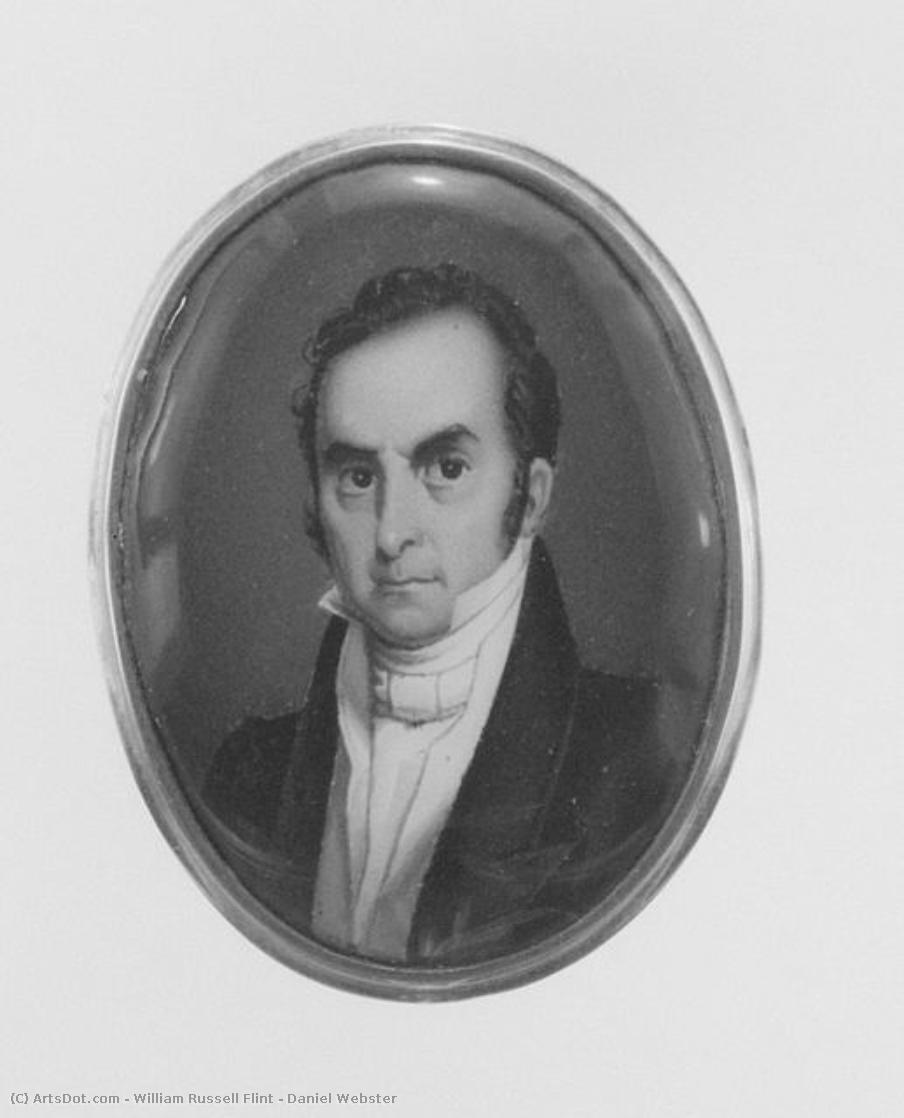
Daniel Webster
 1833
1833 3.0 x 2.0 cm
 Loe lähemalt
Käsitsi valmistatud õlimaalireproduktsioon
Meie kunstnike poolt tellimusel valmistatud käsitsi maalitud õli-kainaste teos teie soovitud suuruses ja raamis. ( Osta print Osta pilt)




































Vali meie eelmääratud suurused, mis vastavad teose algupärastele proportsioonidele.

Sa võite sisestada oma mõõtmed konkreetse raami või ruumi sobivuse tagamiseks. Kui teie valitud suurus ei vasta originaalpildi proportsioonidele, siis kärvime kunstiteost või laiendame maali täiendavate käsitsi maalitud elementidega. Enne tootmise algust saadetakse teile heakskiitmiseks digitaalne eelvaade.
Palun pidage meeles, et ekraanil kuvatav eelvaade ei kajasta tegelikku kärpimist või laiendamist. Ainult eelvaade näitab täpselt lõplikku kompositsiooni.
Kuigi on saadaval kohandatud suurused, soovitame originaalproportsioonide säilimiseks valida mõõdud eelmääratletud nimekirjast.
Pärast tellimust saadab ArtsDot.com meeskond kliendile e-posti juhised ning esitab eelvaate kavandi.
Maailmline tarne 3–4 nädala jooksul tavalise 5 nädala asemel. (17 august). Kvaliteedis kompromisse ei tehta.

Tasuta ekspresssaatmine üle maailma

Kõrgekvaliteediline linakangas

Täielik transpordikindlustus

Tollimaksude tagastamise garantii

Värvitoime täpsuse garantii

60-päevane tagastusõig: ainult tootmisdefektide korral

100% raha tagasi garantii

Hulgusoodustus
 Klaasivalik on saadaval ainult suuruses kuni 110 cm

Daniel Webster
Reproduktsiooni tehnika
Reproduktsiooni suurus
-


Kogusumma
$ 263
Teose kirjeldus
Sarnased teosed


Kunstniku elulugu
The Genesis of a Visionary Draughtsman
Born amidst the historic and academic atmosphere of Edinburgh in 1880, Sir William Russell Flint began his artistic journey not with the broad, sweeping strokes of an oil painter, but with the meticulous precision of a lithographic draughtsman. His formative years were defined by a rigorous classical education at Daniel Stewart's College and the Edinburgh Institution, providing him with a structural foundation that would underpin his entire career. This technical discipline was furthered by a unique period of medical illustration in London between 1900 and 1902. This unlikely apprenticeship provided him with an intimate, anatomical understanding of the human form—a skill that would later breathe life, weight, and structural integrity into his most celebrated subjects. As he refined his technique at Heatherley’s Art School, the sharp accuracy of a medical illustrator began to merge with a burgeoning artistic sensibility, setting the stage for a career that would transcend mere documentation to achieve profound poetic expression.Luminosity and the Mastery of Watercolor
While his mastery extended to oils, tempera, and printmaking, it was in the ethereal realm of watercolor that Flint truly found his transcendent voice. He possessed an unparalleled ability to manipulate light, creating works that seemed to glow with an inner radiance. His paintings of women were rarely mere portraits; they were evocative studies in atmosphere, sensuality, and grace. Whether capturing the delicate movement of a dancer or the quiet introspection of a seated figure, Flint utilized the transparency of the medium to evoke the softness of skin, the weight of fabric, and the very essence of air with breathtaking fluidity. This mastery was not limited to the human form alone, as his landscapes often reflected the same Impressionistic charm found in his more famous figurative works, capturing the fleeting beauty of a moment caught in light.- Technical Versatility: The seamless transition from the sharp, disciplined lines of lithography to the soft, luminous washes of watercolor.
- Thematic Depth: A profound focus on the interplay between light, shadow, and the elegant female silhouette.
- Atmospheric Mastery: The use of color to suggest the warmth of the Mediterranean or the cool, misty air of a northern landscape.
- Anatomical Grace: A legacy of figure painting rooted in his early, rigorous studies of human anatomy.
A Global Spirit and an Enduring Legacy
Flint’s artistic horizons expanded far beyond the borders of Britain, fueled by a wanderlust that brought him to the sun-drenched landscapes of Spain, France, and Italy. His travels became central to his iconography, particularly his fascination with the Spanish spirit and the vibrant, rhythmic energy of Mediterranean life. This international perspective allowed him to bring an exotic allure to the London art scene, captivating audiences through his evocative illustrations for The Illustrated London News and his celebrated depictions of dancers. His professional ascent was marked by significant honors, including his election to the Royal Academy in 1933 and his influential presidency of the Royal Society of Painters in Watercolours from 1936 to 1956. Through his work, Flint bridged the gap between the technical rigor of the Victorian era and the evocative, light-filled sensibilities of the early 20th century, leaving behind a body of work that remains a testament to the enduring beauty of the human spirit and the natural world.
sir william russell flint
1880 - 1969
Lühikesed faktid
- Artistic Movement Or Style: Watercolor painting
- Artists Or Movements Influenced By This Artist: ['British watercolors']
- Artists Who Influenced This Artist: ['Arthur Sullivan']
- Date Of Birth: 4 April 1880
- Date Of Death: 30 December 1969
- Full Name: Sir William Russell Flint
- Nationality: Scottish
- Notable Artworks:
- Raquel & Manuella
- The Painted Bridge
- Gitanas Quarrelling, Salamanca
- Place Of Birth: Edinburgh, Scotland

