


 Vaata sisu
 Jaga teost
 Jaga
Jaga
 Detailid
 Õppekate juhend

 Laadi alla
 Sarnased teosed
 Röntgenuuring
 Slaidietendus
 Statistika
Cap d'Ail


 Loe lähemalt
Käsitsi valmistatud õlimaalireproduktsioon
Meie kunstnike poolt tellimusel valmistatud käsitsi maalitud õli-kainaste teos teie soovitud suuruses ja raamis. ( Lülita trükkitoodetele Ülemineku digitaalse pildi müügi kanalisse)




P118B €10

P118H €10

P118W €10

P438Z €10

P508JH €12

P508YH €12

P805H €10

P805Z €10

P919BZ €10

P919G €10

P919XJ €10

P959ZH €10

P968JZ €12

W106C €8

W218G €10

W218JH €8

W218Y €10

W307PJ €10

W316G €10

W316PJ €8

W316Y €10

W398PJ €8

W4111J €10

W500HY €15

W500JH €15

W692G €12

W849H €8

W940BG €15

W953PJ €8




Vali meie eelmääratud suurused, mis vastavad teose algupärastele proportsioonidele.

Sisestage vajalik laius ja kõrgus, et teos sobiks teie raamile või seinale. Kuna tegu on käsipainatud teosega, siis erineva kujuga suuruse korral võib kunstnik jätta pildi ümber veidi rohkem marginaali või lõigata osa ära — valik on teie. Enne maali alustamist saadame teile kinnitamiseks digitaalse näidisprojektsiooni. Sellel lehel näidatud pilt ei kajasta tegelikku tulemust — seda näitab ainult näidisprojekttsioon.
Pärast tellimust saadab ArtsDot.com meeskond kliendile e-posti juhised ning esitab eelvaate kavandi
Maailmline tarne 3–4 nädala jooksul tavalise 5 nädala asemel. (24 oktoober). Kvaliteedis kompromisse ei tehta.

Tasuta ekspresssaatmine üle maailma

Kõrgekvaliteediline lina-kangastest muld

Täielik transpordikindlustus

Tollimaksude tagastamise garantii

Värvitoime täpsuse garantii

100 päeva tagastusõigus (ainult defektide korral)

100% raha tagasi garantii

Hulgusoodustus
 Klaasivalik on saadaval ainult kuni 110 cm suuruses teostes

Cap d'Ail
Reproduktsiooni materjal
Reproduktsiooni mõõtmed
-


Lõppsumma
€ 275
Sir John Lavery’s Cap d'Ail: A Moment of Mediterranean Grace
- An Impressionistic Vision
- Painted by Sir John Lavery, 1856-1941
- Oil on Canvas
Composition and Technique: A Dance of Light
The composition of “Cap d’Ail” is immediately striking, dominated by a strong diagonal line created by the balcony railing, which expertly guides the viewer's eye across the scene. Lavery employs loose, visible brushstrokes – a hallmark of Impressionism – to create a sense of movement and vibrancy, particularly evident in the depiction of the water and foliage. The artist’s technique involved applying paint in short, broken strokes, often utilizing wet-on-wet methods to capture the fleeting effects of light and atmosphere. This approach is most apparent in the shimmering reflections on the water's surface and the soft gradations of color that define the distant coastline. Notice how he masterfully uses overlapping planes – the balcony itself, the promenade below, the beach, and the expansive sea – to create a convincing illusion of depth and distance, drawing us into this idyllic scene. The crisp lines defining the railing contrast beautifully with the softer, more fluid strokes used for the natural elements, adding to the painting’s dynamic quality.Symbolism and Emotional Resonance
Beyond its technical brilliance, “Cap d'Ail” is rich in symbolic meaning. The woman seated on the balcony, bathed in warm light, represents a certain elegance and sophistication – a reflection of the fashionable resort towns like Cap d'Ail that were popular destinations for the wealthy during the Belle Époque. The scattered umbrellas suggest both protection from the sun and a sense of convivial gathering. The overall mood is one of relaxation and tranquility, inviting us to share in this moment of carefree enjoyment. Lavery’s ability to capture these subtle nuances speaks volumes about his understanding of human psychology and his skill as a painter of character. The painting evokes feelings of serenity, reflecting the desire for escape and pleasure that characterized the era.Historical Context and Legacy
Created by Sir John Lavery during his prolific career, “Cap d’Ail” exemplifies his ability to capture the spirit of his time – an age of opulent Edwardian society juxtaposed with the looming shadows of impending war. Lavery's work reflects a keen observation of social life, mirroring the trends and tastes of the period. This painting is part of a larger body of work that demonstrates Lavery’s versatility and enduring appeal as one of Britain’s most celebrated portraitists. Its influence can be seen in subsequent Impressionistic landscapes, demonstrating Lavery's contribution to the movement. A reproduction of “Cap d’Ail” would undoubtedly bring a touch of timeless elegance and Mediterranean charm to any interior space, offering a window into a captivating moment in art history.Küsimused ja vastused
Millist kintust ja intensiivsust „Cap d'Ail“, autor John Laver näitab?
Teose „Cap d'Ail“, autor John Laver värvid on Subtle Color kütkusega ja Balanced intensiivsusega.
Millisele kunstnikule on teos "Cap d'Ail" atribuutseeritud?
Teose "Cap d'Ail" autoriks on mõeldud John Laver.
Kust kohast kunstiloost „Cap d'Ail“, autor John Laver löytyb?
Teos „Cap d'Ail“, autor John Laver kuulub Impressionistic Landscape suunale, mis on osa 19th Century ajastust. Koos annavad need teosele selle koha kunstiajas.
Sarnased teosed


Kunstniku elulugu
Sir John Lavery: Belfastist, Portreede ja Ajastu Peegel
Sir John Lavery (1856–1941) on iiri päritolu kunstnik, kelle nimi on tihedalt seotud Briti portreekunstiga varase 20. sajandi alguses. Tema elu oli põnev segu lihtsatest algustest, ülesmäge võitlustest ja lõpuks triumfist, mis viis ta kõrgesse seltskonda ja rahvusvahelisse kuulsusse. Lavery ei olnud pelgalt portree maalija; ta oli ajastu peegel, jäädvustades oma pintsliga nii Edwardiaani ajastu luksust kui ka maailmasõja varjusid.
Sündinud Belfasti vaesele perekonda, kaotas Lavery vara lapsepõlves. See raske algus ei takistanud teda aga kunstist kirge arendamast. Pärast õpetamist fotograafia ateljees Glasgow's, otsustas ta keskenduda maalikunstile ja jätkas õpinguid Pariisi Académie Julianis. Seal tutvus ta impressionismi mõjuga ning hakkas omakorda seda oma töösse integreerima, kuid säilitades samal ajal klassikalisest portreekunstist tuntud täpsuse ja detailiarmastuse.
Glasgow Schooli Väljund ja Portreede Meisterlikkus
Tagasi Glasgow's liitus Lavery Glasgow Schooli kunstnike ringiga, kus ta omakorda mõjutas kohalikku kunsti. Tema varased tööd näitavad juba tema eripära – värvi kasutamist ning valgustandust, mis andis teostele peena helkiv välimuse. 1888. aastal saabus Lavery karjääri jaoks murdepunkt: ta sai tellimuse maalida kuninganna Viktoria visiiti Glasgow International Exhibitionile. See ülesanne tõstis teda kiiresti kuulsusse ja avas ukse Londoni kõrgesse seltskonda.
Lavery portreed olid silmapaistvad oma psühholoogilise sügavusega ning võimega tabada istujate isiksust. Ta ei maalind pelgalt nägusid; ta püüdis edastada nende hinge, sotsiaalset staatust ja sisemisi tundmusi. Tema portreed olid täpsed, kuid samal ajal ka kunstiliselt väljendunud, säilitades tasakaalu realistliku kujutise ja impressionistliku värvimaailma vahel. Ta oli võimeline jäädvustama nii aristokraatlikku elegantsi kui ka lihtsama rahva ausust.
Sõjaajad ja Rahvusliku Sümbolina Teos
Esimene maailmasõda muutis Lavery loomingut. Kuigi ta ei saanud esirealiini sõjaväe kunstnikuks terviseprobleemide tõttu, dokumenteeris ta Briti kodumaa sõjaelu – laevu, lennukeid ja õhulaevu. Need tööd annavad ainulaadse ülevaate sõjategevusest kodumaal, keskendudes tehnoloogilistele arengutele ja logistikale. Lavery'l oli võime tabada ajastu vaimu ning kujutada seda oma maalidel.
Sõjajärgne periood tõi talle rahvusliku tunnustuse – rüütlikindlust 1921. aastal ja valimist Royal Academy liikmeks. Tema elu põimus tihedalt Asquithi perekonna eluga, ning ta lõi hulga portreede ja idüllilisi maale, mis pakkusid pilgu nende privileegide maailma. Lavery osales ka Iiri iseseisvuse sündmustes, pakkudes oma Londoni maja kohtumispaigaks oluliste läbirääkimiste jaoks.
Pärand ja Jätkuva Väärtusega Kunst
Sir John Lavery jättis püsiva jälje Briti kunstiajalukku. Tema maalijõud, võime tabada inimeste isiksust ning värvide kasutamise oskus on endiselt väärt imetlemist. Lavery' portreed on tänapäevani hinnatud oma elegantsuse, tehnilise meisterlikkuse ja psühholoogilise sügavusega. Tema teos "Iiri allegoria" ilmus Iiri pangatähtede kujutisel aastatel 1928–1975 – tõestus tema rahvuslikust tähendusest.
Lavery' looming on näide ajastust, kus kunst ja ühiskond olid tihedalt põimunud. Ta oli portreekunstnik, kes ei peljanud kujutada nii kuningaid kui ka tavainimesi, jäädvustatades oma pintsliga ajastu olulised hetked ja isikud. Tema pärand elab edasi läbi tema teoste, mis jätkuvad inspireerima kunstnikke ja vaimustama vaatajaid üle maailma.
Lavery Kunsti Peamised Jõujooned
- Impressionistlikud Tehnikad: Kasutas impressionismi elemente oma töös, eriti valguse ja värvi kasutuses.
- Portreede Meisterlikkus: Tuntud võimega jäädvustada nii füüsilist sarnasust kui ka psühholoogilist sügavust portreedel.
- Peamised Teemad: Portreed, ühiskondlikud stseenid, sõjajärgne elu, maastikud.
- Elegantne Stiil: Tema maalijõud on sageli iseloomustatud elegantsuse, värskusega ja viimistletud esteetilise tundlikkusega.

John Laver
1856 - 1941 , Iirimaa
Lühikest infot
- Artistic Movement Or Style: Impressionism, portreed
- Artists Who Influenced This Artist: ['James McNeill Whistler']
- Date Of Birth: 20 märts 1856
- Date Of Death: 10 jaanuar 1941
- Full Name: Sir John Lavery
- Nationality: Iiri
- Notable Artworks:
- Mrs Lavery
- Michael Collins
- Summer on the River
- Place Of Birth: Belfast, Iirimaa
Sarnased artiklid

Giclée Prints: Archival Quality & Aesthetic Nuances for the Discerning Collector
Explore the world of giclée prints with ArtsDot. Learn about archival quality, aesthetic nuances & investment potential. Expert guidance for discerning art collectors seeking museum-quality reproductions and lasting value.

The Enduring Legacy of Fine Art Prints: Technique, History & Aesthetic Impact
Explore the rich history & techniques of fine art prints. Discover investment potential, assess authenticity, and learn how to preserve your collection with expert guidance. Trusted insights for discerning collectors.
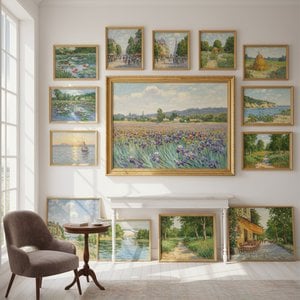
Impressionistliku Maastiku Tipp 10 Meisterteost: Kunsti ja Disaini Klassika
Avasta impressionistliku maastikukunstiga 10 legendaarset meistriteost! Monet, Renoir jt. värvilised maailmad ja kunstnike lood – ArtsDot.com pakub kaunite kunstide ajaloo klassikat seinakaunistuseks. Uuri kollektsiooni!

Echoes of Time: Exploring the Enduring Appeal & Historical Context of Vintage Art Prints
Explore the captivating world of vintage art prints! Discover their history, collecting tips & enduring appeal. Expert insights on chromolithography and building a legacy collection with ArtsDot.

Musée d'Orsay Top 25: Impressiooni meistriteosed ja kodusisustus inspiratsioon
Avastage Musée d'Orsay 25 tippteost! Sukeldume Moneti, Renoiri ja Van Goghi maailma. Impressionismi & postimpressionismi meistriteosed kodusisustuse inspiratsiooniks. Kvaliteetsed kunstreprodutsioonid ArtsDot.com-is.


