


 Eelvaade
 Saada
Saada Jaga
Jaga
 Teave teose kohta

 Laadi alla
 Sarnased teosed
 Röntgenuuring
 Slaidietendus
Untitled (554)

 Loe lähemalt
Giclée / Kunstiprint
Muuseumikvaliteediga giclée- või kangasprint kiire tootmisega ja paindlikud viimistlusvõimalused. ( Lülita käsitsi maalatud版本le Vaata pilti)




































Vali meie eelmääratud suurused, mis vastavad teose algupärastele proportsioonidele.

Saate sisestada oma mõõdud, et need sobiks konkreetse raami või ruumi sisse. Kui valitud suurus ei vasta originaalteose proportsioonidele, lõigame teose ära või laiendame pilti peegeldatud või ühtlase servaga. Enne tootmisprotsessi algust saadetakse Teie kinnitamiseks digitaalne näidis.
Palun märka, et ekraanil kuvatav eelvaade ei kajasta tegelikku lõigamist või laiendamist. Ainult näidis kujutab täpselt lõplikku kompositsiooni.
Kuigi erimõõdu on saadaval, soovitame originaaproportsioonide säilitamiseks valida mõõt ette määratud nimekirjast.
Ülemaailmne tarne () 2 nädala jooksul, tavalise 4/5 nädala asemel. (10 august)

Tasuta ekspresssaatmine üle maailma

Kõrgekvaliteediline linakangas

Täielik transpordikindlustus

Tollimaksude tagastamise garantii

Värvitoime täpsuse garantii

60-päevane tagastusõig: ainult tootmisdefektide korral

100% raha tagasi garantii

Hulgusoodustus
 Klaasivalik on saadaval ainult suuruses kuni 110 cm

Untitled (554)
Giclée / Kunstiprint
Reproduktsiooni suurus
-


Kogusumma
$ 62
Sarnased teosed


Kunstniku elulugu
Sébastien Le Clerc: The Silent Master of Reproduction
Sébastien Le Clerc (1637-1714) stands as a singular figure in the annals of 17th-century French art – not for grand canvases or revolutionary innovations, but for an astonishing level of artistic precision and dedication to faithfully recreating masterpieces. Often overshadowed by his contemporaries like Rembrandt and Rubens, Le Clerc’s contribution to Baroque engraving is profound, representing a crucial bridge between observation and artistic interpretation. He achieved renown primarily through meticulous reproductions of paintings, architectural designs, and technical drawings, establishing himself as one of the foremost engravers of his time.- Early Life & Training: Born in Metz, Lorraine, Le Clerc’s formative years were marked by a grounding in goldsmithing under his father, Laurent Le Clerc – an occupation that instilled not only technical skill but also an appreciation for detail and craftsmanship. This early influence would permeate his artistic endeavors throughout his life.
- Parisian Engagement & Academic Influence: Moving to Paris in 1665, Le Clerc pursued further studies in geometry, physics, military architecture, and crucially, perspective – disciplines that underpinned his mastery of draughtsmanship and informed his approach to engraving. His acceptance into the Académie Royale de peinture et de sculpture in 1672 solidified his position within the artistic elite and allowed him to collaborate closely with Charles Le Brun, Louis XIV’s court painter, who championed Le Clerc's singular talent for reproducing visual information.
- Royal Patronage & Engraving Technique: Le Clerc’s career ascended rapidly thanks to royal patronage, culminating in his appointment as “graveur du roi” (engraver of the king) in 1697. This prestigious role afforded him access to unparalleled commissions – producing engravings for Louis XIV's opulent residences and disseminating scholarly illustrations across France. Le Clerc’s technique was characterized by a remarkable sensitivity to tonal variation, achieved through subtle hatching and shading—a method that meticulously captured the nuances of light and shadow present in original paintings.
- Beyond Engraving: While engraving constituted his primary vocation, Le Clerc possessed diverse talents extending beyond artistic reproduction. He served as engineer-geographer to Marshal de la Ferté, undertaking ambitious architectural projects and contributing to the defense of Lorraine during periods of conflict. His multifaceted skillset reflects a Renaissance ideal – blending art with science and practical knowledge.
- Legacy & Recognition: Pierre-Jean Mariette’s “Abecedario” eloquently summarized Le Clerc's significance: "If there has ever been an engraver who rendered himself celebrated in his profession, and who extended his capabilities beyond ordinary bounds, that is, without fear of contradiction: Sébastien Le Clerc." His dedication to faithfully replicating visual information cemented his place as a pivotal figure in Baroque art history—a testament to the power of observation and artistic skill.
- Wikipedia:
- British Museum:

sébastien i le clerc
1637 - 1714 , France
Lühikesed faktid
- Artistic Movement Or Style: Baroque engraving
- Artists Or Movements Influenced By This Artist: ['Louis XIV']
- Artists Who Influenced This Artist: ['Charles Le Brun']
- Date Of Birth: September 1637
- Date Of Death: October 25, 1714
- Full Name: Sébastien Le Clerc
- Nationality: French
- Notable Artworks:
- Untitled (554)
- Laboratory in the Royal Botanical Gardens
- Place Of Birth: Metz, France
Seotud artiklid

Masterpieces of the 17th Century: Art, History & Decor Inspiration | ArtsDot
Journey through 17th century art with masterpieces by Rembrandt, Vermeer & Caravaggio. Explore Baroque paintings, Dutch Golden Age techniques & timeless beauty. Find museum-quality reproductions and elevate your home decor on ArtsDot.com.

Nicolas Poussin: Classicism, Allegory & Order in 17th-Century French Painting
Explore the life & work of Nicolas Poussin, a master of French Classicism. Discover his allegorical paintings, Roman influences, and enduring impact on art history. Expert analysis & insights.
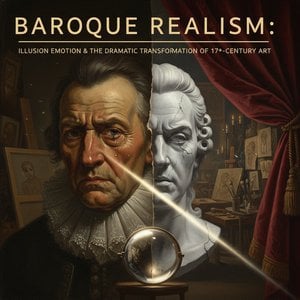
Baroque Realism: Illusion, Emotion & the Dramatic Transformation of 17th-Century Art
Explore the dramatic world of Baroque Realism! Discover iconic artists like Caravaggio & Rubens, their techniques, and the movement's lasting impact on art history. Expert insights for collectors & enthusiasts.

Vigée Le Brun: Portraiture, Patronage & Feminine Identity in 18th-Century France
Explore the life & art of Louise Élisabeth Vigée Le Brun, Marie Antoinette’s renowned portraitist. Discover her Rococo style, self-portraits, and influence on 18th-century French painting. A deep dive into patronage & feminine identity.

Engraving's Golden Age: 10 Masterpieces That Redefined Art | ArtsDot
Journey through art history with our Top 10 Legendary Engravings! Explore masterpieces by Dürer, Rembrandt & Goya. Discover the stories behind these iconic prints and find museum-quality reproductions for your home at ArtsDot.com.

