

- 160.0 x 137.0 cm


Teos järgib teie valikuid: , .
Kogumisobjekti kirjeldus
Samuel Scott's "A Thames Wharf" (1757) captures a bustling London riverside scene—a vivid depiction of maritime trade and daily life along the River Thames.
 Loe lähemalt
Kunstniku elulugu
Discover Samuel Scott, a pivotal British landscape painter known for evocative riverside & seascape scenes from 1702-1772. Explore his art of London & the war of Jenkins' Ear!
Käsitsi valmistatud õlimaalireproduktsioon
Meie kunstnike poolt tellimusel valmistatud käsitsi maalitud õli-kainaste teos teie soovitud suuruses ja raamis. ( Lülita trükkitoodetele Lülita digitaalse pildi juurde)
Lisateavet selle maali kohta
 Eelvaade
 Saada
Saada Jaga
Jaga
 Teave teose kohta
 Juhend

 Laadi alla
 Sarnased teosed
 Röntgenuuring
 Slaidietendus
 KÜSIMUSED JA VASTUSID
 Statistika
Tellige oma maali neljas lihtsas sammus
Ärge kiirustage. Saate igal hetkel vastuseid muuta; tellimuskarril kuvatav hind muutub vastavalt tehtud valikutele.
1 Esimene samm neljast
Millist suurust soovite?
Need suurused säilitavad originaalteose proportsioonid. Joonis näitab teie valikut seina küljel, kaheMeetise diivani kohal.
Või sisesta oma mõõdud
Vali meie eelmääratud suurused, mis vastavad teose algupärastele proportsioonidele.

Sisestage vajalik laius ja kõrgus, et teos sobiks teie raamile või seinale. Kuna tegu on käsipainatud teosega, siis erineva kujuga suuruse korral võib kunstnik jätta pildi ümber veidi rohkem marginaali või lõigata osa ära — valik on teie. Enne maali alustamist saadame teile kinnitamiseks digitaalse näidisprojektsiooni. Sellel lehel näidatud pilt ei kajasta tegelikku tulemust — seda näitab ainult näidisprojektsioon.
2 Teine samm neljast
Kuidas see peaks valmistatud olema: rullitud, pingutatud või raamitud?
Alljadevad hinnad kehtivad esimeses sammus valitud suuruse kohta.
Vali pingutatud kanga servade stiil
Vali oma raam

Valge serv €1

häguse servaga lõppviimistlus €1

Laiendatud €1

P118B €10

P118H €10

P118W €10

P438Z €10

P508JH €12

P508YH €12

P805H €10

P805Z €10

P919BZ €10

P919G €10

P919XJ €10

P959ZH €10

P968JZ €12

W106C €8

W218G €10

W218JH €8

W218Y €10

W307PJ €10

W316G €10

W316PJ €8

W316Y €10

W398PJ €8

W4111J €10

W500HY €15

W500JH €15

W692G €12

W849H €8

W940BG €15

W953PJ €8

H24-GOLD €30

H24-SILVER €30

H36-GOLD €45

H36-SILVER €45
Raamitud
Kujund: . Kogumõõt koos raamiga: .
3 Kolmandas sammis neljast
Kas soovite maalis midagi muuta?
Enamik inimesi vastab ei. Kuna iga maali on käsitsi valmistatud, saab meie kunstnik seda ka teie soovidega kohandada.
Pärast tellimust saadetab ArtsDot.com meeskond klientile e-posti juhised ning esitab ette tasandatud eelvaate
4 Neljas samm neljast
Mõned lõppviimistlusvõimalused
Kõik need on valimiste korral vabatahtlikud. Juba valitud vastustele ei rakendu täiendav kulu.
Kes selle maalis?
Maailmline tarne 3–4 nädala jooksul tavalise 5 nädala asemel. (4 november). Kvaliteedis kompromisse ei tehta.
Nimetelis, nagu muuseumis?
Graveeritud pronksplaadi üksikasjad
This elegant plaque features the artist's name and the title of the artwork, finely engraved for a timeless presentation.
It is made from bronze with a refined, elegant finish. The text is precisely laser-engraved for a sharp and permanent result. Measuring 9x2 cm, the plaque is compact yet easy to read. It's built to be durable and scratch-resistant, offering a professional, museum-quality look. Mounting is simple thanks to the included adhesive backing.
Läbipaistva akrüülplaadi üksikasjad
The plaque includes essential engraved details such as the artist's name, the title of the artwork, the date it was created, the type of media used-like oil on canvas or watercolor-a brief description of the piece, and a QR code that links to the complete artwork information.
It is crafted from clear acrylic, offering a sleek, modern appearance. The text is UV-engraved in black to ensure strong visual contrast. With a size of 10x15 cm, it ensures optimal readability. It comes equipped with two metal hooks for secure wall mounting. The plaque is designed to be weather-resistant, making it suitable for various environments, and it includes interactive features that work seamlessly with smartphone scanning.
Musta akrüülplaadiรายละเอียด (Note: The user provided "Musta akrüülplaadi detailid" as the current translation and asked for an improved version. Since "Musta akrüülplaadi
This elegant plaque includes engraved information such as the artist's name, the title of the artwork, the date it was created, the type of media used (like oil on canvas or watercolor), a short description of the artwork, and a QR code for quick access to more information.
The plaque itself is made from refined black acrylic with a premium finish. The text is laser-engraved in white for high contrast and readability. Its size is 10x15 cm, designed to be easy to read. It comes with two metal hooks for professional mounting. The design is sleek and fits any interior style. It is also weather-resistant and durable, with built-in digital integration for mobile compatibility.
Kaitsev lakikih?
Millal te seda vajate?
✓ Kontrolli ja telli
Teie maalid vastavalt tellimusele

A Thames Wharf
Reproduktsiooni tehnika
Reproduktsiooni suurus
-

Eelistatud tippkunstnik
Rohkem detaile, peenust ja lisatootmisaega
-

Reproduktsiooni raamivalikud
-
-
Kunstiteoste või reproduktsioonide puhul, mille üks külg on üle 105 cm (umbikmolt 41 tolli), saadetakse raam kirjal asendis, la Dismantlitud komplektina. See meetod tagab ohutuse kohaletoimetamisel ja väldib transpordil tekkivaid kahjustusi.
Vajalik professionaalne kokkupanek – see ei ole isetegevusega valmistamiseks mõeldud toode.
Komplekt tuleb kokku panna ja lõvet pingutada kogemusega professionaalse raamija, kasutades puiduliim (ei kuulu komplekti), lõvetpingi ja klempe, et hoida raami kande mustad õigena liimi kuivamisaja jooksul. Vale kokkupanek või ebaühtlane lõvetping võib kunstiteost püsivalt kahjustada ning seda
 Kunstiteoste või reproduktsioonide puhul, mille üks külg on üle 105 cm (umbikmolt 41 tolli), saadetakse raam kirjal asendis, la Dismantlitud komplektina. See meetod tagab ohutuse kohaletoimetamisel ja väldib transpordil tekkivaid kahjustusi.
Kaasatud on kõik tahked puidust liistud, täpselt lõigatud vastavaks suuruseks.
Kokku panemiseks kasutatakse lisatud kruvisid ning nurkade liimamiseks vajalikku puuliima, mida ei ole komplektis ja mida peab raamivalmistaja ise hankima.
Vajalik on kasutada professionaalseid tööriistu, mis ei kuulu komplekti: lõvetelapide pingist (pingutaja) ja klambreid, et hoida raami puidu nurgas õigena liimi kuivamisaja jooksul.
Oluline:
Nurgaliimamiseks on vaja puiduliim, liimimine peab toimuma klempide all kuni liim on täielikult kuivanud ning kokku monteeritud raami kanga pingutamiseks on vajalik kanga pingutustang. Kumbki neist ei kuulu komplekti. Palun veenduge enne selle suuruse tellimist, et teil on saadaval kogenud professionaalne raamistaja.

Nimesildikiri
-
-

Kaitsevärnitsus
Läikiv lakk (muudab värvid elavamaks ning kaitseb valgust ja niiskust eest)
-

Kohanda oma teost
Näiteid muudatuste kohta: Asenda nägu kliendi fotoga; Lisa lemmikloom (nt asenda kass koeraga); Lisa taustale peidetud sõnum; Muuda tausta maastikku või elemente.
-

Kiire tarne
Ülemaailmne tarne riiki 3–4 nädalaga tavalise 5 nädala asemel. (4 november). Kvaliteedis kompromisse ei tehta.
-
Kiirsaatmine
Ülemaailmne tarne () 5 nädala jooksul. (11 november).
Sisse kuuluv
Koguhind
€ 235
Klaasivalik on saadaval ainult kuni 110 cm suuruses teostes
Säli iga tellimusega
- Tasuta ekspresssaatmine üle maailma
- Kõrgekvaliteediline lina-kangas
- Täielik transpordikindlustus
- Tollimaksude tagastamise garantii
- Värvitoime täpsuse garantii
- 100 päeva tagastusõigus (ainult valmistusdefektide korral)
- 100% raha tagasi garantii
- Hulgusoodustus


A Thames Wharf by Samuel Scott – A Window into 18th Century London
Samuel Scott’s “A Thames Wharf,” painted circa 1757, isn't merely a depiction of a bustling riverside scene; it’s a meticulously crafted snapshot of daily life in burgeoning London. The painting transports us to the heart of maritime commerce and the rhythms of a city on the cusp of transformation, offering a rare glimpse into the world of the East India Company and the vital role the Thames played as its artery. Scott, often considered the “father of English watercolour,” masterfully captures this atmosphere with an almost palpable sense of energy and immediacy – a testament to his innovative approach to capturing light and texture.The Scene Unfolds: Commerce and Community
The composition immediately draws the eye into a vibrant tableau of activity centered around a wharf on the River Thames. The foreground is populated with figures engaged in various tasks: men loading goods onto boats, overseeing operations, and even a dog adding a touch of domesticity to the scene. Notice the careful attention to detail – the varied clothing styles, suggesting a diverse workforce; the sturdy treadwheel crane dominating the middle ground, a crucial piece of machinery for unloading cargo; and the smaller vessel moored in the background, hinting at the constant flow of trade. The buildings lining the wharf are rendered with a realistic yet subtly stylized approach, reflecting the architectural trends of the mid-18th century – brick construction and pitched roofs creating a sense of solidity and permanence. The sky, filled with billowing clouds, adds depth and drama to the scene, suggesting both the potential for inclement weather and the dynamic nature of the river itself.Technique and Style: The Dawn of Watercolour
Scott’s mastery lies in his innovative use of watercolour – a medium he championed during a period when oil painting was still considered the dominant technique. He skillfully employed layering, glazing, and scumbling to achieve remarkable luminosity and atmospheric perspective. Observe how light dances across the surfaces of the buildings and boats, creating an illusion of depth and movement. The artist’s loose brushstrokes and vibrant palette contribute to the overall sense of immediacy and spontaneity – a characteristic that distinguished his work from more formal, academic styles. The painting's realism is tempered by a certain romanticism; Scott wasn’t simply documenting a scene, but rather imbuing it with emotion and character.Historical Context: The East India Company and London’s Rise
“A Thames Wharf” provides invaluable insight into the economic and social landscape of 18th-century London. The painting directly references the East India Company, a powerful entity that controlled vast trade networks across Asia. The presence of the treadwheel crane – a relatively new invention at the time – highlights the increasing mechanization of port operations and the growing importance of London as a global trading center. Furthermore, the bustling activity depicted reflects the city’s rapid growth and transformation during this period, fueled by commerce, immigration, and innovation. The painting serves as a visual record of a pivotal moment in London's history – a time when it was becoming one of the world’s leading financial and commercial hubs.Symbolism and Emotional Resonance
Beyond its historical significance, “A Thames Wharf” resonates with a powerful sense of human connection and industriousness. The figures depicted are not merely anonymous laborers; they represent a community engaged in a vital economic activity. The painting evokes a feeling of energy, movement, and the relentless pursuit of prosperity. It’s a celebration of London's dynamism and its role as a gateway to the world. The slightly hazy atmosphere and the subtle play of light contribute to an overall mood of optimism and possibility – reflecting the belief in progress that characterized this era. This painting is more than just a depiction of a wharf; it’s a portrait of a city on the rise, capturing the spirit of innovation and ambition that defined 18th-century London.Korduvad küsimused
Miks on teose "A Thames Wharf" autoriõiguste staatus selline, nagu see on?
Samuel Scott teos "A Thames Wharf" on avalikus õiguses – selle autoriõigud onหมดunud. Autoriõiguse kaitseajad arvutatakse alates kunstniku surmaõigustest ning Samuel Scott suri aastal 1772.
Millissele etapile Samuel Scott karjääris kuulub teos "A Thames Wharf" (1757)?
"A Thames Wharf", mis loodi aastal 1757, kuulub Samuel Scott loomingulise karjääri perioodi Mature Period.
Mis on teose „A Thames Wharf“, autor Samuel Scott domineeriv värv?
Teose „A Thames Wharf“, autor Samuel Scott domineeriv värv on Espresso (#605448).
Sarnased teosed


Samuel Scott
1702 - 1772, United Kingdom
Kunstniku elulugu
The Father of English Watercolour: The Legacy of Samuel Scott
Samuel Scott, born in London around 1702, remains a figure shrouded in artistic mystery—a testament to the challenges faced by documenting artists of his era. Despite scarce biographical details regarding his formative years and training, Scott emerged as one of Britain’s most prominent landscape painters during the mid-18th century, establishing himself as a pioneer in watercolour technique and profoundly influencing subsequent generations of British artists. His distinctive style—characterized by serene riverside scenes and dramatic seascapes imbued with atmospheric perspective—captured the spirit of his time and cemented his legacy as “the father of English watercolour.”
Scott’s artistic journey commenced in approximately 1720, initially focusing on maritime art. Like many artists of his generation, he was deeply impacted by the works of Willem van de Velde the Younger, owning numerous copies and absorbing a masterful handling of light and texture. This influence is palpable in his early works depicting warships engaged in naval battles, demonstrating a meticulous attention to detail and an understanding of compositional principles rooted in Dutch marine painting traditions. His ability to translate the raw power of the sea into delicate, evocative imagery allowed him to bridge the gap between rigid maritime documentation and fine art.
A Vision of London and the Thames
As his career matured, Scott turned his gaze toward the heart of the British Empire, finding profound inspiration in the bustling waterways of the River Thames. His works serve as a vivid window into 18th-century London, capturing the rhythmic pulse of maritime trade and the daily life of the riverside. In masterpieces such as A Thames Wharf (1757), he presents a bustling depiction of commerce, where the movement of boats and the structure of the wharves tell a story of a city in constant motion. His talent lay in his ability to blend topographical accuracy with a romanticized atmosphere, making the industrial and commercial aspects of London appear both grand and intimate.
Beyond the busy docks, Scott possessed a remarkable gift for capturing the architectural majesty of London’s landmarks. His depictions of the city often utilized an oil on canvas medium to achieve a sense of permanence and grandeur, as seen in The Thames at Westminster Bridge with Barges (1746). In this work, he showcases London’s architectural detail through a Romantic lens, using light and shadow to create a captivating historical atmosphere. Similarly, his View of Somerset House Looking Downstream from the York Water-Tower demonstrates his skill in topographical painting, offering a serene look at the cityscape and the nearby Tower of London, rendered with a precision that honors the structural elegance of the era.
Artistic Collaborations and Historical Significance
The development of Scott's style was also shaped by significant professional partnerships. His collaborative project with George Lambert on six paintings portraying East India Company settlements showcased his versatility and ability to synthesize disparate artistic elements—architecture alongside landscape—reflecting the intellectual currents of the period. This partnership resulted in images that conveyed both grandeur and intimacy, capturing the essence of colonial enterprise while simultaneously celebrating the beauty of natural surroundings. Such works were not merely aesthetic pursuits but served as important historical records of Britain's expanding global reach.
The enduring significance of Samuel Scott lies in his role as a transitional figure who helped elevate watercolour from a medium of mere sketching to a respected form of fine art. His contributions can be summarized through several key artistic pillars:
- Pioneering Technique: He introduced a level of atmospheric depth and light manipulation that would define the English watercolour tradition for decades.
- Maritime Mastery: By blending Dutch marine influences with British subject matter, he created a unique genre of naval and riverine art.
- Topographical Documentation: His detailed renderings of London landmarks provided an invaluable visual archive of 18th-century urban life and architecture.
- Cultural Synthesis: Through his collaborations, he successfully merged the documentation of colonial expansion with the aesthetic beauty of landscape painting.
Through his dedicated observation of the Thames and the sea, Samuel Scott did more than just paint landscapes; he captured the very soul of a maritime nation during a period of immense growth and transformation.
Sarnased artiklid

Rahvusgalerii Londoni 25 meistriteost: Kunstiklassika ja kodukaunistuse inspiratsioon
Avastage Rahvusgalerii Londoni 25 ikoonilist meistriteost! Sukelduge Van Goghi, Moneti ja Rembrandti maailma. Kunstireprodutsioonid ja inspiratsioon kodukaunistuseks ArtsDot.com-is. Vaadake kollektsiooni!

Henry Scott Tuke: Sunlit Masculinity & the Pastoral Ideal in Victorian Painting
Explore the captivating world of Henry Scott Tuke's paintings – a master of British Impressionism renowned for his intimate depictions of youth and sunlit maritime scenes. Discover his legacy & aesthetic influence.
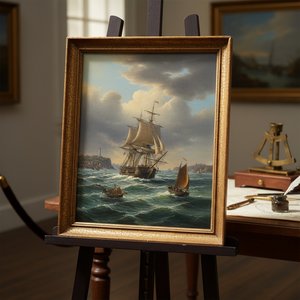
Samuel Walters: Capturing Victorian Maritime Life with Precision & Artistry
Explore the exquisite maritime paintings of Samuel Walters (1811-1882). Discover his mastery of detail, historical scenes & influence on Victorian art. Learn about collecting his works and find high-quality reproductions at ArtsDot.