


 Vaata sisu
 Jaga teost
 Jaga
Jaga
 Detailid
 Juhend

 Laadi alla
 Sarnased teosed
 Röntgenuuring
 Slaidietendus
 Statistika
Tattoo 3


 Loe lähemalt
Käsitsi valmistatud õlimaalireproduktsioon
Meie kunstnike poolt tellimusel valmistatud käsitsi maalitud õli-kainaste teos teie soovitud suuruses ja raamis. ( Lülita trükkitoodetele Ülemineku digitaalse pildi müügi kanalisse)




































Vali meie eelmääratud suurused, mis vastavad teose algupärastele proportsioonidele.

Sa võite sisestada oma mõõtmed konkreetse raami või ruumi sobivuse tagamiseks. Kui teie valitud suurus ei vasta originaalpildi proportsioonidele, siis kärvime kunstiteost või laiendame maali täiendavate käsitsi maalitud elementidega. Enne tootmise algust saadetakse teile heakskiitmiseks digitaalne eelvaade.
Palun pidage meeles, et ekraanil kuvatav eelvaade ei kajasta tegelikku kärpimist või laiendamist. Ainult eelvaade näitab täpselt lõplikku kompositsiooni.
Kuigi on saadaval kohandatud suurused, soovitame originaalproportsioonide säilimiseks valida mõõdud eelmääratletud nimekirjast.
Pärast tellimust saadab ArtsDot.com meeskond kliendile e-posti juhised ning esitab eelvaate kavandi
Maailmline tarne 3–4 nädala jooksul tavalise 5 nädala asemel. (21 september). Kvaliteedis kompromisse ei tehta.

Tasuta ekspresssaatmine üle maailma

Kõrgekvaliteediline lina-kangastest muld

Täielik transpordikindlustus

Tollimaksude tagastamise garantii

Värvitoime täpsuse garantii

100 päeva tagastusõigus (ainult defektide korral)

100% raha tagasi garantii

Hulgusoodustus
 Klaasivalik on saadaval ainult kuni 110 cm suuruses teostes

Tattoo 3
Reproduktsiooni materjal
Reproduktsiooni mõõtmed
-


Lõppsumma
$ 263
Sarnased teosed


Kunstniku elulugu
The Tension of Destiny: The Artistic Vision of Qiu Zhijie
In the vast, shifting landscape of contemporary Chinese art, few voices resonate with as much profound introspection and structural complexity as Qiu Zhijie. Born in 1969 in China's Fujian Province, Qiu has emerged as a master of visual storytelling, utilizing the ephemeral mediums of video and photography to navigate the turbulent waters of modern identity. His work is far more than mere documentation; it is a visceral exploration of the human condition, caught perpetually between the crushing weight of predetermined destiny and the fierce, unyielding impulse toward self-assertion. Through his lens, we witness a world grappling with social fragmentation and the haunting transience of existence, reflecting the broader anxieties of a nation undergoing rapid, often jarring, transformation.
Qiu’s artistic journey began in earnest at the Zhejiang Academy of Fine Arts in Hangzhou, where he graduated from the printmaking department in 1992. This foundational training provided him with a meticulous technical discipline that would later manifest in his highly symbolic and graphic compositions. His early breakthrough came almost immediately, as part of the seminal exhibition China's New Art, Post-1989, which positioned him at the forefront of a new generation of artists seeking to redefine Chinese aesthetics in a post-reform era. As his practice evolved, he moved beyond the boundaries of printmaking to embrace installations and cinematic techniques, creating works that allow the viewer to inhabit the very spaces of uncertainty he describes.
Symbolism and the Language of Restriction
The power of Qiu Zhijie’s work lies in his ability to transform simple graphic elements into profound philosophical inquiries. He often employs a stark, deliberate vocabulary of symbols—most notably red tape and prohibition signs—to confront the viewer with themes of control and societal restriction. In his celebrated Tattoo series, such as Tattoo 1 and Tattoo 3, Qiu uses the human body as a canvas to explore how signs and codes in our media-saturated age have begun to overpower actual human beings. By inscribing characters like bu—meaning "no"—across his own skin, he creates a haunting illusion where the body becomes a mere vehicle for externaled authority, illustrating the struggle for autonomy in an increasingly regulated world.
This preoccupation with the boundaries of the self extends into his more large-scale, investigative projects. His work A Suicidology of the Nanjing Yangtze River Bridge serves as a poignant meditation on vulnerability and the weight of history. By researching the construction of this iconic symbol of "New China" and interviewing those touched by its tragedies, Qiu weaves together personal grief and national narrative. The project does not merely observe; it mourns and reflects, using symbolic elements to present a complex triptych of time, memory, and the human condition. In these works, the artist demonstrates an extraordinary ability to harness cinematic and installation-based techniques to elicit deep emotional responses, forcing us to confront difficult truths about life and loss.
A Legacy of Resistance and Reflection
As Qiu Zhijie continues to work from Beijing, his significance within the global art community remains undiminished. His ability to bridge the gap between traditional Chinese elements—such as calligraphy and historical references like the Orchid Pavilion Preface—and contemporary conceptual practices ensures that his work remains both culturally rooted and universally relevant. He has successfully navigated the transition from a local talent to an internationally recognized figure, with exhibitions spanning from the Institute of Contemporary Arts in London to the Victoria and Albert Museum.
Ultimately, the enduring impact of Qiu’s oeuvre lies in its refusal to provide easy answers. Whether he is exploring the translucent labyrinths of his early installations or the stark, photographic portraits of his later years, he remains a steadfast investigator of the forces that shape us. His art stands as a testament to the resilience of the human spirit, documenting the eternal struggle to find meaning and agency within the complex, often fragmented, tapestry of modern existence.

Qiu Zhijie
1969 - , China
Lühikest infot
- Artistic Movement Or Style: Video & Photography
- Date Of Birth: 1969
- Full Name: Qiu Zhijie
- Nationality: Chinese
- Notable Artworks:
- Orchid Pavilion Preface
- A Suicidology of the Nanjing Yangtze River Bridge
- Tattoo 3
- Tattoo 1
- Place Of Birth: Fujian Province, China
Sarnased artiklid

Pictorialism: A Search for Artistic Photography's Soul – Aesthetics, Techniques & Legacy
Explore the captivating world of Pictorialism – a pivotal movement that transformed photography into fine art. Discover key artists like Stieglitz & Käsebier, techniques, and collecting tips from experts.
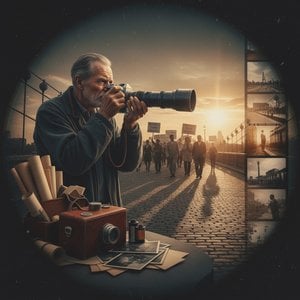
Witnessing History Through Lens & Light: Documentary Photography's Enduring Legacy
Explore the powerful history of documentary photography – from its origins to contemporary masters like Gordon Parks & W. Eugene Smith. Discover how this art form shapes our understanding of society and witness pivotal moments in time.

Beyond the Lens: Photography's Enduring Influence on Modern & Contemporary Art
Explore photography's pivotal role in shaping modern & contemporary art. Discover key movements, influential artists like Stieglitz, and expert collecting advice from ArtsDot.

Monochrome Visions: Exploring the Aesthetic & Historical Significance of Black & White Photography
Explore the rich history & artistic power of black and white photography. From early techniques to iconic masters like Ansel Adams, discover why monochrome continues to captivate art lovers today. Expert insights for collectors.

Crimson Threads of Narrative: Exploring Symbolism & Representation in Artworks Featuring the Red Dress
Explore the rich symbolism of the red dress in art history! From ancient power displays to iconic portraits like Cézanne’s 'Madame Cezanne', discover the cultural and artistic significance behind this captivating color. Expert analysis & insights.