

 Eelvaade
 Saada
Saada Jaga
Jaga
 Teave teose kohta
 Juhend

 Laadi alla
 Sarnased teosed
 Röntgenuuring
 Slaidietendus
 Q&A
Q&A Statistika
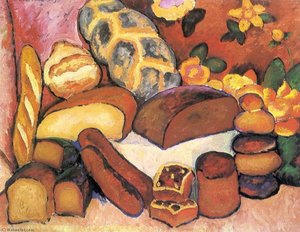
Bread on the green

- 99.0 x 99.0 cm


 Loe lähemalt
Giclée / Kunstiprint
Muuseumikvaliteediga giclée- või kangasprint kiire tootmisega ja paindlikud viimistlusvõimalused. ( Osta käsitsi maalatud teos Lülita digitaalse pildi juurde)




P118B €10

P118H €10

P118W €10

P438Z €10

P508JH €12

P508YH €12

P805H €10

P805Z €10

P919BZ €10

P919G €10

P919XJ €10

P959ZH €10

P968JZ €12

W106C €8

W218G €10

W218JH €8

W218Y €10

W307PJ €10

W316G €10

W316PJ €8

W316Y €10

W398PJ €8

W4111J €10

W500HY €15

W500JH €15

W692G €12

W849H €8

W940BG €15

W953PJ €8




Vali meie eelmääratud suurused, mis vastavad teose algupärastele proportsioonidele.

Sisestage vajalik laius ja kõrgus, et see sobiks teie raamile või seinale. Trükki saab ainult lõigata, seda ei saa kunagi pildist suuremaks teha, seega ka erineva mustega suurus kaotab osa pildist. Enne trükkimist saadame teile kinnitamiseks digitaalse näidisprojektsiooni. Sellel lehel näidatud pilt ei kujuta reaalset lõiget — seda näitab ainult näidisprojektsioon.
Ülemaailmne tarne () 2 nädala jooksul, tavalise 4/5 nädala asemel. (2 november)

Tasuta ekspresssaatmine üle maailma

Kõrgekvaliteediline lina-kangas

Täielik transpordikindlustus

Tollimaksude tagastamise garantii

Värvitoime täpsuse garantii

100 päeva tagastusõigus (ainult valmistusdefektide korral)

100% raha tagasi garantii

Hulgusoodustus
 Klaasivalik on saadaval ainult kuni 110 cm suuruses teostes

Bread on the green
Giclée / Kunstiprint
Reproduktsiooni suurus
-


Koguhind
€ 55
A Bounty of Everyday Life: Exploring "Bread on the Green"
To gaze upon Pyotr Konchalovsky's Bread on the green from 1913 is to be invited into a moment of profound, quiet abundance. This still life transcends a mere depiction of foodstuffs; it is a celebration of sustenance, culture, and the simple rituals that anchor human existence. The composition gathers an array of breads—loaves, delicate rolls, and various pastries—arranged with meticulous care upon a striking blue surface. The sheer variety suggests a gathering, a feast awaiting its moment, transforming humble kitchen staples into objects of high artistic contemplation.
Technique and Compositional Harmony
Konchalovsky’s handling of texture is nothing short of masterful. One can almost feel the crusty exterior of the rustic loaves against the soft yielding quality of the pastries. The artist employs a rich, tactile realism that grounds the viewer in the tangible world, yet the arrangement itself possesses an inherent dynamism. Notice the inclusion of the bowl near the center-left; it acts as a subtle anchor, drawing the eye inward while simultaneously allowing the surrounding breads to spill out into a vibrant narrative across the blue plane. The interplay between the warm, earthy tones of the baked goods and the cool, saturated depth of the blue ground creates a sophisticated chromatic tension that elevates the piece beyond simple genre painting.
Historical Echoes and Artistic Context
Painted in 1913, this work emerges from a period when Russian art was undergoing intense ferment. While the subject matter—bread—is timelessly universal, the execution hints at the modernist currents of the time, even if the piece retains a strong sense of traditional craftsmanship. The mention of Cubism in relation to the painting suggests an underlying structural deconstruction; while the breads are recognizable, their placement and overlapping forms invite the viewer to consider form from multiple perspectives. It is art that honors tradition while subtly nodding toward the revolutionary spirit of modern perception.
Symbolism of Sustenance and Domesticity
Beyond its visual appeal, Bread on the green resonates with deep symbolism. Bread has always been a potent symbol—of life itself, of community, and of survival. In this context, the bounty speaks to prosperity and domestic harmony. For collectors and designers alike, owning such a piece is not merely acquiring art; it is curating an atmosphere of warmth, welcome, and enduring comfort for one's space. It suggests a home where nourishment—both physical and artistic—is paramount.
Bringing the Still Life Home
For those considering a reproduction of this magnificent work, know that you are acquiring more than just pigment on canvas; you are inviting a piece of Russian cultural history into your modern life. The rich palette and palpable texture make it an exceptional focal point for dining rooms, libraries, or any space meant to evoke thoughtful repose. It is a masterpiece of quiet grandeur, promising the viewer a moment of appreciative stillness amidst the rush of daily life.
Korduvad küsimused
Millissele perioodile Peeter Kontšalovski karjäärist kuulub teos "Bread on the green"?
Teos "Bread on the green" kuulub Peeter Kontšalovski loomingulise karjääri perioodi Early Modern Period. See klassifikatsioon seostab teose kunstniku loovliku arenguga.
Millist värviharmoniat „Bread on the green“, autor Peeter Kontšalovski kujutab?
Teose "Bread on the green" värviharmonia on Discordant Palette.
Millist emotsiooni edastab Cubism suunaga teos "Bread on the green"?
"Bread on the green" kannab endas Calm emotsionaalset toonist, mis on omane Cubism suunale.
Sarnased teosed




Kunstniku elulugu
Pjotr Kontšalovski: Vene Kunstniku Elu ja Looming
Pjotr Petrovitš Kontšalovski (1876–1956) on vene kunstnik, kelle elu ja looming peegeldavad dramaatilisi muutusi Venemaa ajaloos. Sündinud Harkivis, Ukraina perekonnas, kus isa oli tuntud tõlkija ja kirjastaja, kasvas Pjotr üles keskkonnas, mis oli rikas kunstilise mõjutusega. Tema lapsepõlve kodus Moskvas külastasid sageli Valentin Serov, Mihhail Vrubel ja Vassili Surikov – need kohtumised kujundasid noore Pjotri kunstihooaegade suunda juba varakult. See vaimustav keskkond andis aluse tema tulevasele teekonnale kunstnikuametis ning nädalased külastused Tretjakovi galereesse kinnistasid tema armastust klassikalise vene kunsti vastu.
Pariisi Mõjud ja Avangardi Sünd
Kontšalovski formalne haridus algas Moskva Maalikooli, Skulptuuri ja Arhitektuuri juures, kuid pöördeliseks osutus Pariisi viibimine aastatel 1896–1898. Akadeemia Julianis õppides kohtus ta Paul Cézanne'i ja Vincent van Goghi loominguga – kunstnikega, kes esitasid radikaalseid väljakutusi traditsioonilisele kujutamisele ning avasid uksi värvi ja vormi uueks tajuks. Hilisem reis Arlesi süvendas tema arusaamist Van Goghi kunstilisest visioonist. Tagasi pöördudes Venemaale jätkas ta õpinguid Peterburi Keiserlikus Kunstiakadeemias, kuid just see naasmine tõi kaasa Kontšalovski isikupärase stiili kujunemise. Ta sai oluliseks tegelaseks vene avangardi liikumises ning asutas 1910. aastal mõjukat "Bubnovõi Vala" (Jack of Diamonds) seltskonda. See rühm hülgas akadeemilised traditsioonid ja pooldas eksperimenteerimist, otsides inspiratsiooni nii lääne-euroopa modernismist kui ka Venemaa rahvakunstist – ikonidest, tavernimärkide ja värvikirevatest *lubok*’itest. Seltsi esimese juhi kohusena mängis Kontšalovski olulist rolli selle suuna kujundamisel ning radikaalse ideede edendamisel.
Stsili Evolutsioon: Impressionismist Sotsiaalrealismi
Kontšalovski kunstiline stiil arenes tema karjääri jooksul, kajastades nii isiklikku otsingut kui ka Venemaa poliitika muutusi. Esialgu mõjutatuna fauvismist ja Cézanne'ist olid tema varasemad tööd iseloomustatud julgetest värvidest, lihtsustatud vormidest ning keskendumisest struktuurile. "Still Life with a Coffeepot" on selle perioodi näide, mis demonstreerib elavat paletti ja dünaamilist kompositsiooni. Esimese maailmasõja ajal Vene sõjaväes teenides hakkas tema stiil muutuma. Nõukogude režiimi tõus nõudis kunsti, mis täidaks ideoloogilisi eesmärke, tähistades sotsialistlikke ideaale ja kujutades silmapaistvaid ametnikke. Kuigi see esindas lahkumist tema varasemast avangardistlikust lähenemisest, kohastus Kontšalovski, saades tuntuks oma tseremoniaalsete portrete poolest. Vaatamata nendele muutustele säilitas ta eripärase kunstilise hääle, andes isegi oma poliitiliselt laetud töödele kindluse ja monumentaalsuse tunde. Tema tohutu hulga töid – üle 5000 teose – on tunnistus tema väsimatusest pühendumisest maalimisega.
Pärand ja Püsiv Tähtsus
Kontšalovski panus vene kunstisse on kahtlevat. Ta sillutas lüngat Venemaa varase modernismi ja sotsiaalrealismi vahel, navigeerides keerulistes poliitilistes voolutes ning jäädes samas oluliseks kunstnikuks. Tema esimene isikunäitus Tretjakovi galerees 1922. aastal kinnistas tema mainet ühena Venemaa juhtivatest artistidest. Peale oma tööde on Kontšalovski loonud perekonna, mis oli sügavalt seotud kunstiga; poeg Mihhail Petrovitš Kontšalovski sai tuntuks filmirežissöörina ja tütar Natalja Kontšalovskaja oli kogenud artist. Tema maalijad ei ole mitte ainult esteetiliselt meeldivad objektid, vaid ka ajaloolised dokumendid, mis peegeldavad neid ajajärke, mille sees nad valmisid. Nad pakuvad väärtuslikku sissevaadet vene kunsti evolutsiooni ja kunstnike poolt silmitsi seistes väljakutsetesse muutuvast ühiskonnast. Kontšalovski võime kohanduda säilitades samas eripärase stiili kinnitas tema koha kui olulist tegelast Vene kunstiajaloo seas, jättes pärandi, mis jätkuvalt inspireerib ja lumjub publikut tänapäevani.

Peeter Kontšalovski
1876 - 1956 , Venemaa
Lühikest infot
- Artistic Movement Or Style: Avangard, Fauvism, Realism
- Artists Or Movements Influenced By This Artist: ['Venemaa avangard']
- Artists Who Influenced This Artist:
- Paul Cézanne
- Vincent van Gogh
- Date Of Birth: 21. veebruar 1876
- Date Of Death: 2. veebruar 1956
- Full Name: Pyotr Petrovitš Kontšalovski
- Nationality: Venelane
- Notable Artworks:
- Maastik
- Elutseadus kohvi-potiga
- Novgorodlased
- Place Of Birth: Harjivi, Venemaa
Sarnased artiklid

Ivan Bilibin: A Synthesis of Folklore, Modernism & National Identity in Russian Illustration
Explore the enchanting world of Ivan Bilibin, a master Russian illustrator who synthesized folklore, Art Nouveau & national identity. Discover his iconic fairy tale illustrations and legacy with ArtsDot.

The Enduring Legacy of Oil on Canvas: Technique, History & Aesthetic Impact
Explore the rich history & techniques of oil painting – from Renaissance masters to Impressionism. Discover pigments, layering methods, and why this timeless medium endures. Expert insights for artists & art enthusiasts.
The Allure of Azure: Exploring the Symbolic & Aesthetic Depths of Blue in Art History
Explore the rich history of blue in art! Discover its symbolism, from ancient pigments to modern masterpieces by Kandinsky & Seurat. Uncover the psychological impact and cultural meanings behind this captivating hue.

Slate Blue Masterpieces: 10 Iconic Paintings & Timeless Home Decor Ideas
Immerse yourself in the captivating world of slate blue! Explore 10 iconic paintings by Monet, Van Gogh & Renoir. Discover their stories, techniques & find museum-quality art reproductions for your home at .

Oil on Canvas: A Historical & Technical Exploration of a Timeless Artistic Medium
Explore the rich history & enduring techniques of oil painting on canvas. Discover the science behind its longevity, conservation practices, and contemporary relevance. Expert insights for art enthusiasts.