


 Vaata sisu
 Jaga teost
 Jaga
Jaga
 Detailid
 Õppekate juhend

 Laadi alla
 Sarnased teosed
 Röntgenuuring
 Slaidietendus
 Statistika
Sideboard
 1805
1805 103.0 x 189.0 cm
 Taft Museum of Art
 Loe lähemalt
Sellel lehel kuvatav kunstiteos on kaitstud autoriõigusega, mis tähendab, et meil ei ole seaduslikku õigust luua või müüa identset reproduktsiooni. Seda kaitset rakendatakse rahvusvaheliste kokkulepete alusel, nagu näiteks Berne konventsioon ning riiklike seadustega, sealhulgas nendega, mida on sätestatud USA autoriõiguse seadus – 17. peatükk.
See meetod järgib täielikult autoriõiguse reegleid, kuna see ei põhine kaitstud kunstiteose kopeerimisel või dupliteerimisel. Selle asemel on tegu loova reinterpreetatsiooniga – uue maaldisega, mis on algteosest inspireeritud, kuid ei ole sellest identiline.
Giclée / Kunstiprint
Muuseumikvaliteediga giclée- või kangasprint kiire tootmisega ja paindlikud viimistlusvõimalused. ( Telli käsitsi maalitud reproduktsioon Ülemineku digitaalse pildi müügi kanalisse)




































Vali meie eelmääratud suurused, mis vastavad teose algupärastele proportsioonidele.

Sisestage vajalik laius ja kõrgus, et see sobiks teie raamile või seinale. Trükki saab ainult lõigata, seda ei saa kunagi pildist suuremaks teha, seega ka differentse vormiga suurus kaotab osa pildist. Enne trükkimist saadame teile kinnitamiseks digitaalse näidisprojektsiooni. Sellel lehel näidatud pilt ei kujuta reaalset lõiget — seda näitab ainult näidisprojekttsioon.
Ülemaailmne tarne () 2 nädala jooksul, tavalise 4/5 nädala asemel. (22 oktoober)

Tasuta ekspresssaatmine üle maailma

Kõrgekvaliteediline lina-kangastest muld

Täielik transpordikindlustus

Tollimaksude tagastamise garantii

Värvitoime täpsuse garantii

100 päeva tagastusõigus (ainult defektide korral)

100% raha tagasi garantii

Hulgusoodustus
 Klaasivalik on saadaval ainult kuni 110 cm suuruses teostes

Sideboard
Giclée / Kunstiprint
Reproduktsiooni mõõtmed
-


Lõppsumma
€ 54
Sarnased teosed


Kunstniku elulugu
The Genesis of a Craftsman
Born in the rugged landscape of Hanover County, Virginia, in 1779, Porter Clay emerged from a lineage where precision and devotion were inextricably linked. As the son of the Reverend John Clay, his early years were steeped in an atmosphere of meticulous care, a legacy inherited from a father who viewed the world through a lens of profound detail. This foundational discipline prepared him for a life far removed from the pulpit, yet equally dedicated to the pursuit of perfection. When the frontier spirit beckoned toward Kentucky, Clay brought with him more than just tools; he carried an ancestral reverence for the transformation of raw, natural elements into enduring legacies of beauty.The Lexington Workshop and Material Mastery
In the burgeoning heart of Lexington, Kentucky, Clay established a workshop that would become synonymous with American excellence. His artistry was a tactile dialogue with the forest itself, as he skillfully manipulated the rich textures of cherry wood, crotch cherry, and the shimmering patterns of tiger maple. Each piece was a testament to his technical prowess, often elevated by the striking addition of brass mounts—elements that provided a brilliant, metallic counterpoint to the warm, organic grains of the timber. His work embodied a seamless marriage of form and function, where the structural integrity of a sideboard or table was inseparable from its aesthetic grace.A Bold Aesthetic Vision
While rooted in the traditions of his era, Clay’s creative spirit possessed an unconventional edge that hinted at a deeper, more experimental impulse. He embraced a stylistic sensibility akin to the burgeoning neo-dada movement, seeking to bridge the gap between formal artistry and the raw immediacy of everyday experience. This desire to challenge established conventions is most evident in his use of brass, which introduced a sense of spontaneity and an unconventional aesthetic flair. Much like the later approaches taken by artists such as Elbridge Ayer Burbank, Clay’s approach sought to infuse the inanimate object with a living, breathing energy, ensuring that his furniture was never merely utilitarian, but rather a profound expression of artistic experimentation.A Lasting Legacy in American Art
The significance of Porter Clay extends far beyond the borders of Kentucky. As the brother of the legendary statesman Henry Clay, his life was intertwined with the very fabric of American history, yet his contribution remained uniquely his own—a quiet, enduring mastery of the decorative arts. Though his personal journey may have been as mercurative as the woods he worked, his impact on the landscape of 18th and 19th-century craftsmanship remains indelible. Today, his pieces stand as silent witnesses to a period of American growth, reminding us that true artistry lies in the ability to find elegance within the grain of the wood and strength within the precision of the craft.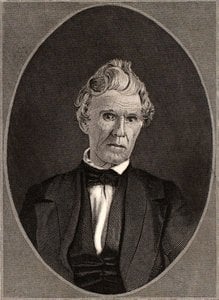
Porter Clay
1779 - , United States of America
Lühikest infot
- Full Name: Porter Clay
- Nationality: American
- Date Of Birth: 1779
- Place Of Birth: Hanover County, United States of America
- Notable Artworks: ['Sideboard']
- Artistic Movement Or Style: Neo-Dada
- Artists Who Influenced This Artist: ['Lucas Cranach the Elder']
- Artists Or Movements Influenced By This Artist: ['Elbridge Ayer Burbank']