

 Eelvaade
 Saada
Saada Jaga
Jaga
 Teave teose kohta

 Laadi alla
 Sarnased teosed
 Röntgenuuring
 Slaidietendus
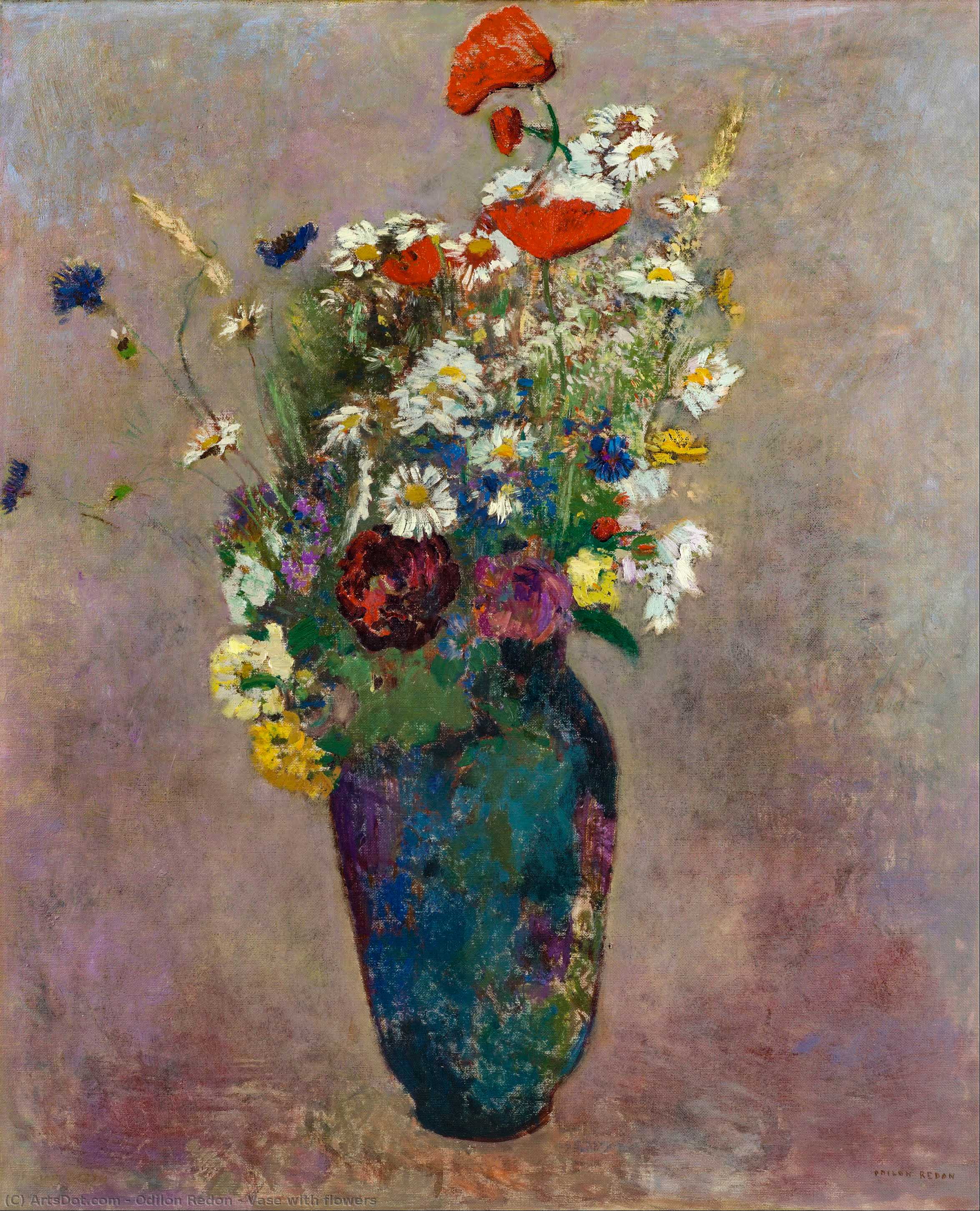
Vase with flowers


 Loe lähemalt
Käsitsi valmistatud õlimaalireproduktsioon
Meie kunstnike poolt tellimusel valmistatud käsitsi maalitud õli-kainaste teos teie soovitud suuruses ja raamis. ( Lülita trükile Vaata pilti)




P118B $10

P118H $10

P118W $10

P438Z $10

P508JH $12

P508YH $12

P805H $10

P805Z $10

P919BZ $10

P919G $10

P919XJ $10

P959ZH $10

P968JZ $12

W106C $8

W218G $10

W218JH $8

W218Y $10

W307PJ $10

W316G $10

W316PJ $8

W316Y $10

W398PJ $8

W4111J $10

W500HY $15

W500JH $15

W692G $12

W849H $8

W940BG $15

W953PJ $8




Vali meie eelmääratud suurused, mis vastavad teose algupärastele proportsioonidele.

Sa võite sisestada oma mõõtmed konkreetse raami või ruumi sobivuse tagamiseks. Kui teie valitud suurus ei vasta originaalpildi proportsioonidele, siis kärvime kunstiteost või laiendame maali täiendavate käsitsi maalitud elementidega. Enne tootmise algust saadetakse teile heakskiitmiseks digitaalne eelvaade.
Palun pidage meeles, et ekraanil kuvatav eelvaade ei kajasta tegelikku kärpimist või laiendamist. Ainult eelvaade näitab täpselt lõplikku kompositsiooni.
Kuigi on saadaval kohandatud suurused, soovitame originaalproportsioonide säilimiseks valida mõõdud eelmääratletud nimekirjast.
Pärast tellimust saadab ArtsDot.com meeskond kliendile e-posti juhised ning esitab eelvaate kavandi.
Maailmline tarne 3–4 nädala jooksul tavalise 5 nädala asemel. (10 august). Kvaliteedis kompromisse ei tehta.

Tasuta ekspresssaatmine üle maailma

Kõrgekvaliteediline linakangas

Täielik transpordikindlustus

Tollimaksude tagastamise garantii

Värvitoime täpsuse garantii

60-päevane tagastusõig: ainult tootmisdefektide korral

100% raha tagasi garantii

Hulgusoodustus
 Klaasivalik on saadaval ainult suuruses kuni 110 cm

Vase with flowers
Reproduktsiooni tehnika
Reproduktsiooni suurus
-


Kogusumma
$ 263
Teose kirjeldus
The Dreamscape Captured: Exploring Odilon Redon's Floral Reverie
To stand before a piece by Odilon Redon is not merely to observe paint on canvas; it is to step through a veil into the artist’s own richly imagined subconscious. This captivating still life, Vase with Flowers, embodies the very essence of Symbolism—a movement that yearned to articulate the ineffable emotions and mysteries lurking beneath the surface of everyday reality. Redon, whose artistic spirit was perpetually drawn toward the unseen realms of imagination, gifts us here a vision where vibrant natural beauty intertwines seamlessly with profound enigma. The composition centers around a stately blue vase, overflowing with an exuberant tapestry of blooms—crimson reds mingling with pristine whites—all resting upon a simple table surface.
Symbolism and the Whispers of Nature
The arrangement itself is a carefully orchestrated dialogue between life and mystery. The flowers are never just decorative; they are potent symbols, each petal potentially whispering an untold narrative. Flanking this floral centerpiece, two delicate birds take flight or perch in watchful repose, adding an undeniable touch of whimsical wonder to the scene. These elements—the vase, the blossoms, the avian companions—invite the viewer into a deep act of interpretation. Redon masterfully uses these natural motifs not just for their visual appeal, but to convey deeper themes of transience, beauty's fleeting nature, and the persistent mystery that colors our existence. It is art that demands contemplation, rewarding the attentive eye with layers of meaning.
A Study in Dreamlike Technique
Technically, Redon’s hand breathes a unique quality into this work. While his style shows echoes of influences like Proto-Cubism in its structural play, what remains most arresting is the dreamlike luminosity achieved through bold, saturated color choices. The application of paint suggests an oil technique that allows light to seem almost internal to the objects depicted. The background, muted and receding, serves only to push the foreground—the riotous life within the vase—forward with palpable depth. This contrast between the solid structure of the table and the ethereal quality of the flowers is a hallmark of his genius.
Bringing the Symbolist Spirit Home
For the collector or designer seeking an anchor piece imbued with intellectual resonance, Vase with Flowers offers more than mere decoration. It is a portal. Owning a reproduction allows one to curate a space that feels thoughtful, evocative, and deeply personal. The emotional impact of this painting is one of gentle awe—a feeling of encountering something beautiful yet slightly otherworldly. It suggests that the most profound truths are often found not in what is plainly seen, but in the vibrant, symbolic interplay between color, form, and the quiet magic of a dream.
Sarnased teosed


Kunstniku elulugu
Odilon Redon (1840-1916), Between Shadow and Light
Odilon Redon, born Bertrand Jean Redon in Bordeaux, France, was an artist perpetually drawn to translate the unseen realms of imagination and dream into tangible form. His artistic journey began not with grand ambition but with quiet observation; at just ten years old he won a drawing prize—a foreshadowing of the visual sensitivity that would define his life’s work. Though initially steered towards architecture by familial expectations, Redon's true calling lay elsewhere, illuminated by instruction from Jean- Léon Gérôme and, crucially, Rodolphe Bresdin, who guided him in the intricate arts of etching and lithography. These techniques became foundational to his early explorations, allowing him to delve into a world of shadowy figures and ambiguous forms that would soon captivate those seeking an alternative to academic realism. The interruption of the Franco-Prussian War saw Redon briefly serving in the military, but it was upon his return to Paris that his artistic vision truly began to coalesce.Early Life and Influences
Redon’s childhood was marked by a profound connection with nature—specifically the landscape surrounding Bordeaux and Peyrelebade vineyard estate near Listrac-Médoc where he spent summers. This formative experience instilled in him an enduring fascination with organic forms and textures, which would permeate his artistic output throughout his life. At seven, a visit to Parisian museums profoundly impacted his artistic sensibility, exposing him to the works of masters like Millet and Corot—artists who championed tonal landscapes and conveyed emotion through subtle shading. Formal art training began at age eleven under Stanislas Gorin, a pupil of Eugène Isabey, who introduced Redon to the Romantic and Symbolist traditions of painting. His father’s insistence on architectural studies ultimately proved unsuccessful in fulfilling his ambitions for a career in design, though he continued to pursue artistic endeavors alongside his professional pursuits. The influence of writers like Edgar Allan Poe and Charles Baudelaire—who shared a fascination with the macabre, the mysterious, and the power of suggestion—is palpable in Redon’s early works, shaping his stylistic choices and thematic concerns. Notably, he was deeply moved by Darwin's theory of evolution, which challenged prevailing scientific dogma and opened up new avenues for artistic exploration.The Birth of Symbolism: ‘Noirs’ and Early Visions
Redon’s artistic breakthrough arrived in 1879 with the publication of *Dans le rêve* (In the Dream)—his first album of lithographs printed by Lemercier—a pivotal moment that cemented his position within the burgeoning Symbolist movement. These monochrome prints, executed primarily in charcoal and lithography, represented a radical departure from academic realism, prioritizing emotional resonance over visual accuracy. The “noirs,” as these works came to be known, weren’t merely studies in darkness; they were explorations of the subconscious mind—populated by unsettling creatures, disembodied eyes, and haunting figures emerging from swirling mists. Redon deliberately rejected conventional artistic conventions, seeking instead to evoke feelings of anxiety, wonder, and melancholy—themes that would recur throughout his oeuvre. The stylistic echoes of Poe and Baudelaire are unmistakable: a shared preoccupation with psychological horror and the unsettling beauty of decay. Critics initially dismissed Redon’s “noirs” as morbid fantasies, yet they quickly gained recognition for their expressive power and masterful technique.Technique and Artistic Vision
Redon's mastery of etching and lithography—skills honed under Rodolphe Bresdin—became indispensable to his artistic process. He meticulously crafted each print, employing subtle tonal gradations and intricate textures to convey mood and atmosphere with remarkable precision. His use of charcoal was particularly distinctive, allowing him to capture the ethereal quality of dreams and visions—a stylistic hallmark that would define his signature style. Beyond technique, Redon possessed a profound philosophical outlook informed by scientific discoveries and literary influences. He believed in “placing the visible at the service of the invisible,” striving to represent not merely what he saw but what he felt—a principle that underpinned his artistic endeavors throughout his life. His fascination with mythology and Eastern religions—particularly Buddhism—manifested itself in symbolic imagery and compositional arrangements that reflected a desire for transcendence.Legacy and Influence
Odilon Redon’s impact on the art world extends far beyond his own lifetime. He was awarded the Legion of Honor in 1903, recognizing his contribution to French culture and artistic innovation. His work gained wider acclaim with exhibitions at the New York Armory Show in 1913—a landmark event that introduced modern art concepts to American audiences—and Mellerio published *Odilon Redon: Painter, Engraver* in 1923. Most importantly, Redon’s exploration of dreams and irrationality profoundly influenced Surrealist artists like Marcel Duchamp and Max Ernst, who adopted his stylistic techniques and thematic concerns as inspiration. His legacy remains one of artistic courage—a willingness to challenge conventions and embrace the ambiguous—and a testament to the transformative power of art to illuminate hidden dimensions of human experience. He truly captured the essence of Symbolism, prioritizing emotion over realism and delving into realms beyond the observable world.
Odilon Redon
1840 - 1916 , Prantsusmaa
Lühikesed faktid
- Artistic Movement Or Style: Symbolism
- Artists Or Movements Influenced By This Artist:
- Surrealism
- Marcel Duchamp
- Artists Who Influenced This Artist:
- Jean-Léon Gérôme
- Rodolphe Bresdin
- Date Of Birth: 1840
- Full Name: Odilon Redon
- Nationality: Prantsuse
- Notable Artworks:
- Centaurs
- Onnes
- Portrait of Ari Redon
- Place Of Death: Pariis
Seotud artiklid

Slate Blue Masterpieces: 10 Iconic Paintings & Timeless Home Decor Ideas
Immerse yourself in the captivating world of slate blue! Explore 10 iconic paintings by Monet, Van Gogh & Renoir. Discover their stories, techniques & find museum-quality art reproductions for your home at .

The Allure of Azure: Exploring the Symbolic & Aesthetic Depths of Blue in Art History
Explore the rich history of blue in art! Discover its symbolism, from ancient pigments to modern masterpieces by Kandinsky & Seurat. Uncover the psychological impact and cultural meanings behind this captivating hue.

Silent Narratives: Exploring the Enduring Appeal of Still Life Painting Across Centuries
Explore the rich history of still life painting with ArtsDot. Discover Dutch Masters, decode vanitas symbolism & learn about collecting timeless art. Expert insights and museum-quality reproductions.

Azure Visions: Exploring Representations of the Blue Dress in Western Art History
Explore the rich history of the blue dress in Western art! Discover its symbolism, from Renaissance masterpieces to modern interpretations by artists like Martin & Schiele. Uncover cultural meanings and artistic techniques.
The Enduring Appeal of Still Life: A Historical & Contemporary Exploration
Explore the rich history & symbolism of still life painting with ArtsDot. Discover masterpieces from the Dutch Golden Age, learn about vanitas art, and find expert guidance for collecting timeless artworks.


