


 Eelvaade
 Saada
Saada Jaga
Jaga
 Teave teose kohta

 Laadi alla
 Sarnased teosed
 Röntgenuuring
 Slaidietendus
The Window


 Loe lähemalt
Ostke kõrglahutusel ja täiustatud digitaalne pilt, mis on oluliselt parem kui veebilehel näidatud eelvaade.
Iga fail on meie spetsialistide poolt hoolikalt ette valmistatud, kasutades kaasaegseid tööriistu ja professionaalset käsitsi retušeerimist. Tagame, et igal pildil on erakordne selgus, täpne värvitäpsus ja peen detail.
Lõplik fail saadetakse e-posti teel 72 tunni jooksul, olles optimeeritud koheseks kasutamiseks professionaalsetes, toimetuslikes ja trüki keskkondades. See on sama kvaliteet, mida usaldavad tipptasemel disainistuudiod, kirjastused ja galeriid.
Digitaalne kunstiteos
Laadi alla kõrge resolutsiooniga fail isiklikuks vaatamiseks, trükkimiseks ja loomingulisteks projektideks. ( Osta print Osta käsitsi maalitud maal)
Sisse kuulub iga digitaalse pildi tellimusega
Eksperdi digitaalne kohaletoimetamine, garanteeritud
Valides ArtsDot.com, ei saa sa lihtsalt pilti – saad professionaalselt parandatud digitaalse teose, mida on valmistatud täpsusega ja mis on toetatud rahuldamatusgarantiiga. Siin on kõik, mis sinu tellimusega automaatselt kaasneb:

Kiire digitaalne saatmine
Teie kõrge resolutsiooniga digitaalne pildifail saadetakse teile e-posti 72 tunni jooksul pärast tellimist – kohe kasutamiseks valmis.

Tehisintellektiga täiustatud digitaalne fail
Teie teos on professionaalselt optimeeritud arenenud tehisintellekti tööriistade ja käsitsi redigeerimise abil, tagades maksimaalse detailitaseme, selguse ja värvitäpsuse.

Tasuta eluaegne uuesti saatmine
Kas kustutasid faili kogukalu unustamisel või kustutamisel? Puudub mure – saad selle uuesti igal ajal ilma lisatasuta.

Puuduvad importimaksed – alati
Nautige oma teoseid koheselt ilma tolli-, maksude või tarnimaskuludeta – digiletchargused on alati maksuvabadud.

Värvitäpsuse garantii
Me tagame, et teie digitaalne pilt kajastaks originaali värve professionaalsete tööriistade ja värvihalduse abil võimalikult täpselt.

60-päevane rahulolu garantii
Kui te ei ole oma digipildiga rahul, parandame seda või tagastame 100% summast 60 päeva jooksul – küsimusi ei esita.

100% raha tagastamise garantii
Ei ole rahul? Saate täielise tagastaja 60 päeva jooksul pärast digitaalse faili kättesaamist – küsimata.

Suurema tellimuse soodustused
Osta 3 pilti, säästa 10% - Osta 5, säästa 15% - Osta 10+, säästa 20%. Sobib suurepäraselt loomingulisteks projektideks, galeriideks ja agentuurideks.
Kollektsiooni kirjeldus
A Glimpse Beyond: Odilon Redon’s ‘The Window’
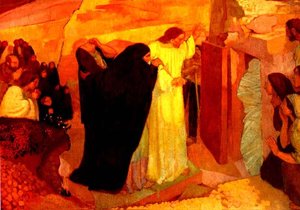
Odilon Redon's “The Window,” painted in 1907, isn’t merely a depiction of a domestic scene; it’s an invitation into a realm of profound introspection and veiled symbolism. This captivating work, now housed within the collections of institutions like MoMA and accessible through exquisite ArtsDot reproductions, embodies the core tenets of Symbolism – a movement that sought to express inner emotions and spiritual truths rather than simply represent external reality. Redon, born in Bordeaux and deeply influenced by artists like Rodolphe Bresdin, masterfully employed a technique rooted in etching and lithography, skills he honed early in his career, to create an atmosphere thick with mystery and suggestion.
The painting immediately draws the eye to its central element: a stained-glass window, rendered not as a brightly lit architectural feature but as a dark, almost brooding portal. The rose motif, a common symbol of beauty, love, and divine grace, is presented in muted tones – deep reds, blues, and greens – suggesting a transformation, perhaps even a melancholic contemplation rather than an exuberant celebration. The surrounding space is deliberately ambiguous; figures are indistinct, bathed in shadow, and their relationship to the window remains enigmatic. This deliberate lack of clarity invites the viewer to project their own emotions and interpretations onto the scene.
Symbolism and the Inner Landscape
Redon’s work during this period—the early 1900s—is deeply intertwined with his fascination with dreams, folklore, and the occult. He frequently drew inspiration from Japanese art, particularly its emphasis on suggestion and the interplay of light and shadow. “The Window” is no exception; it echoes the flattened perspectives and symbolic imagery found in Japanese woodblock prints. The figures within the painting can be interpreted as representations of the soul’s journey—a search for meaning or perhaps a confrontation with the unknown. The solitary figure gazing out, seemingly lost in thought, embodies this introspective quality.
Furthermore, Redon's exploration of Hindu and Buddhist themes subtly permeates the work. The window itself can be seen as a threshold – a passage between the visible world and an unseen realm of spiritual experience. The muted colors and the overall atmosphere evoke a sense of stillness and contemplation, encouraging viewers to consider their own inner landscapes.
Technique and Artistic Vision
Redon’s masterful use of oil on canvas is crucial to the painting's evocative power. He employed a technique known as “noir,” characterized by dark, shadowy tones and a focus on suggestion rather than precise detail. This approach creates an atmosphere of mystery and intrigue, drawing the viewer into the scene. The brushstrokes are loose and expressive, contributing to the overall sense of movement and dynamism. The layering of colors and textures further enhances the painting’s depth and complexity.
ArtsDot's hand-painted reproductions meticulously recreate Redon’s original vision, capturing not only the visual details but also the emotional resonance of the artwork. The nuanced color palette, the subtle gradations of light and shadow, and the expressive brushwork are all faithfully reproduced, allowing viewers to experience the painting in a way that is both authentic and deeply engaging.
Bringing ‘The Window’ into Your Space
“The Window” transcends its simple subject matter to become a powerful symbol of introspection and mystery. It's a piece that invites contemplation and encourages viewers to delve deeper into their own emotions and experiences. A ArtsDot reproduction offers a beautiful way to bring this captivating artwork into your home or office, transforming any space into a sanctuary for reflection and artistic appreciation. Consider how the painting’s evocative atmosphere might complement your existing décor – perhaps in a study, a bedroom, or even a living room where quiet contemplation is valued.
Sarnased teosed


Kunstniku biograafia
Odilon Redon (1840-1916), Between Shadow and Light
Odilon Redon, born Bertrand Jean Redon in Bordeaux, France, was an artist perpetually drawn to translate the unseen realms of imagination and dream into tangible form. His artistic journey began not with grand ambition but with quiet observation; at just ten years old he won a drawing prize—a foreshadowing of the visual sensitivity that would define his life’s work. Though initially steered towards architecture by familial expectations, Redon's true calling lay elsewhere, illuminated by instruction from Jean- Léon Gérôme and, crucially, Rodolphe Bresdin, who guided him in the intricate arts of etching and lithography. These techniques became foundational to his early explorations, allowing him to delve into a world of shadowy figures and ambiguous forms that would soon captivate those seeking an alternative to academic realism. The interruption of the Franco-Prussian War saw Redon briefly serving in the military, but it was upon his return to Paris that his artistic vision truly began to coalesce.Early Life and Influences
Redon’s childhood was marked by a profound connection with nature—specifically the landscape surrounding Bordeaux and Peyrelebade vineyard estate near Listrac-Médoc where he spent summers. This formative experience instilled in him an enduring fascination with organic forms and textures, which would permeate his artistic output throughout his life. At seven, a visit to Parisian museums profoundly impacted his artistic sensibility, exposing him to the works of masters like Millet and Corot—artists who championed tonal landscapes and conveyed emotion through subtle shading. Formal art training began at age eleven under Stanislas Gorin, a pupil of Eugène Isabey, who introduced Redon to the Romantic and Symbolist traditions of painting. His father’s insistence on architectural studies ultimately proved unsuccessful in fulfilling his ambitions for a career in design, though he continued to pursue artistic endeavors alongside his professional pursuits. The influence of writers like Edgar Allan Poe and Charles Baudelaire—who shared a fascination with the macabre, the mysterious, and the power of suggestion—is palpable in Redon’s early works, shaping his stylistic choices and thematic concerns. Notably, he was deeply moved by Darwin's theory of evolution, which challenged prevailing scientific dogma and opened up new avenues for artistic exploration.The Birth of Symbolism: ‘Noirs’ and Early Visions
Redon’s artistic breakthrough arrived in 1879 with the publication of *Dans le rêve* (In the Dream)—his first album of lithographs printed by Lemercier—a pivotal moment that cemented his position within the burgeoning Symbolist movement. These monochrome prints, executed primarily in charcoal and lithography, represented a radical departure from academic realism, prioritizing emotional resonance over visual accuracy. The “noirs,” as these works came to be known, weren’t merely studies in darkness; they were explorations of the subconscious mind—populated by unsettling creatures, disembodied eyes, and haunting figures emerging from swirling mists. Redon deliberately rejected conventional artistic conventions, seeking instead to evoke feelings of anxiety, wonder, and melancholy—themes that would recur throughout his oeuvre. The stylistic echoes of Poe and Baudelaire are unmistakable: a shared preoccupation with psychological horror and the unsettling beauty of decay. Critics initially dismissed Redon’s “noirs” as morbid fantasies, yet they quickly gained recognition for their expressive power and masterful technique.Technique and Artistic Vision
Redon's mastery of etching and lithography—skills honed under Rodolphe Bresdin—became indispensable to his artistic process. He meticulously crafted each print, employing subtle tonal gradations and intricate textures to convey mood and atmosphere with remarkable precision. His use of charcoal was particularly distinctive, allowing him to capture the ethereal quality of dreams and visions—a stylistic hallmark that would define his signature style. Beyond technique, Redon possessed a profound philosophical outlook informed by scientific discoveries and literary influences. He believed in “placing the visible at the service of the invisible,” striving to represent not merely what he saw but what he felt—a principle that underpinned his artistic endeavors throughout his life. His fascination with mythology and Eastern religions—particularly Buddhism—manifested itself in symbolic imagery and compositional arrangements that reflected a desire for transcendence.Legacy and Influence
Odilon Redon’s impact on the art world extends far beyond his own lifetime. He was awarded the Legion of Honor in 1903, recognizing his contribution to French culture and artistic innovation. His work gained wider acclaim with exhibitions at the New York Armory Show in 1913—a landmark event that introduced modern art concepts to American audiences—and Mellerio published *Odilon Redon: Painter, Engraver* in 1923. Most importantly, Redon’s exploration of dreams and irrationality profoundly influenced Surrealist artists like Marcel Duchamp and Max Ernst, who adopted his stylistic techniques and thematic concerns as inspiration. His legacy remains one of artistic courage—a willingness to challenge conventions and embrace the ambiguous—and a testament to the transformative power of art to illuminate hidden dimensions of human experience. He truly captured the essence of Symbolism, prioritizing emotion over realism and delving into realms beyond the observable world.
Odilon Redon
1840 - 1916 , Prantsusmaa
Lühikesed faktid
- Artistic Movement Or Style: Symbolism
- Artists Or Movements Influenced By This Artist:
- Surrealism
- Marcel Duchamp
- Artists Who Influenced This Artist:
- Jean-Léon Gérôme
- Rodolphe Bresdin
- Date Of Birth: 1840
- Full Name: Odilon Redon
- Nationality: Prantsuse
- Notable Artworks:
- Centaurs
- Onnes
- Portrait of Ari Redon
- Place Of Death: Pariis

