

- 58.0 x 46.0 cm


Teos järgib teie valikuid: , .
Kogumisobjekti kirjeldus
Experience Odilon Redon’s "Christ in Silence," a haunting charcoal depiction of Jesus Christ embodying contemplation and mystery from the Symbolism movement. This 1897 artwork evokes profound introspection with its stark yellow background and raw emotion, perfect for art lovers.
 Loe lähemalt
Kunstniku elulugu
Odilon Redon oli Prantsuse Symbolistlik kunstnik, kes tuntakse maailma suurima osa kunstiteoste käsitsi maalitud reproduktiooni platvormidel. Tema töö keskendus unenäolisele kujundusele ja sügavale hingele, ning mõjutas suurepäärselt Surrealismi liikmeid. Üsna noorena võttis ta vastu kunstniku karjäeri töökohtade õppe kohta esimeste suurte kunstiteoste valmistamise kohta osa Prantsuse kunstnikute
Käsitsi valmistatud õlimaalireproduktsioon
Meie kunstnike poolt tellimusel valmistatud käsitsi maalitud õli-kainaste teos teie soovitud suuruses ja raamis. ( Lülita trükkitoodetele Lülita digitaalse pildi juurde)
Lisateavet selle maali kohta
 Eelvaade
 Saada
Saada Jaga
Jaga
 Teave teose kohta
 Juhend

 Laadi alla
 Sarnased teosed
 Röntgenuuring
 Slaidietendus
 KÜSIMUSED JA VASTUSID
 Statistika
Tellige oma maali neljas lihtsas sammus
Ärge kiirustage. Saate igal hetkel vastuseid muuta; tellimuskarril kuvatav hind muutub vastavalt tehtud valikutele.
1 Esimene samm neljast
Millist suurust soovite?
Need suurused säilitavad originaalteose proportsioonid. Joonis näitab teie valikut seina küljel, kaheMeetise diivani kohal.
Või sisesta oma mõõdud
Vali meie eelmääratud suurused, mis vastavad teose algupärastele proportsioonidele.

Sisestage vajalik laius ja kõrgus, et teos sobiks teie raamile või seinale. Kuna tegu on käsipainatud teosega, siis erineva kujuga suuruse korral võib kunstnik jätta pildi ümber veidi rohkem marginaali või lõigata osa ära — valik on teie. Enne maali alustamist saadame teile kinnitamiseks digitaalse näidisprojektsiooni. Sellel lehel näidatud pilt ei kajasta tegelikku tulemust — seda näitab ainult näidisprojektsioon.
2 Teine samm neljast
Kuidas see peaks valmistatud olema: rullitud, pingutatud või raamitud?
Alljadevad hinnad kehtivad esimeses sammus valitud suuruse kohta.
Vali pingutatud kanga servade stiil
Vali oma raam

Valge serv €1

häguse servaga lõppviimistlus €1

Laiendatud €1

P118B €10

P118H €10

P118W €10

P438Z €10

P508JH €12

P508YH €12

P805H €10

P805Z €10

P919BZ €10

P919G €10

P919XJ €10

P959ZH €10

P968JZ €12

W106C €8

W218G €10

W218JH €8

W218Y €10

W307PJ €10

W316G €10

W316PJ €8

W316Y €10

W398PJ €8

W4111J €10

W500HY €15

W500JH €15

W692G €12

W849H €8

W940BG €15

W953PJ €8

H24-GOLD €30

H24-SILVER €30

H36-GOLD €45

H36-SILVER €45
Raamitud
Kujund: . Kogumõõt koos raamiga: .
3 Kolmandas sammis neljast
Kas soovite maalis midagi muuta?
Enamik inimesi vastab ei. Kuna iga maali on käsitsi valmistatud, saab meie kunstnik seda ka teie soovidega kohandada.
Pärast tellimust saadetab ArtsDot.com meeskond klientile e-posti juhised ning esitab ette tasandatud eelvaate
4 Neljas samm neljast
Mõned lõppviimistlusvõimalused
Kõik need on valimiste korral vabatahtlikud. Juba valitud vastustele ei rakendu täiendav kulu.
Kes selle maalis?
Maailmline tarne 3–4 nädala jooksul tavalise 5 nädala asemel. (3 november). Kvaliteedis kompromisse ei tehta.
Nimetelis, nagu muuseumis?
Graveeritud pronksplaadi üksikasjad
This elegant plaque features the artist's name and the title of the artwork, finely engraved for a timeless presentation.
It is made from bronze with a refined, elegant finish. The text is precisely laser-engraved for a sharp and permanent result. Measuring 9x2 cm, the plaque is compact yet easy to read. It's built to be durable and scratch-resistant, offering a professional, museum-quality look. Mounting is simple thanks to the included adhesive backing.
Läbipaistva akrüülplaadi üksikasjad
The plaque includes essential engraved details such as the artist's name, the title of the artwork, the date it was created, the type of media used-like oil on canvas or watercolor-a brief description of the piece, and a QR code that links to the complete artwork information.
It is crafted from clear acrylic, offering a sleek, modern appearance. The text is UV-engraved in black to ensure strong visual contrast. With a size of 10x15 cm, it ensures optimal readability. It comes equipped with two metal hooks for secure wall mounting. The plaque is designed to be weather-resistant, making it suitable for various environments, and it includes interactive features that work seamlessly with smartphone scanning.
Musta akrüülplaadiรายละเอียด (Note: The user provided "Musta akrüülplaadi detailid" as the current translation and asked for an improved version. Since "Musta akrüülplaadi
This elegant plaque includes engraved information such as the artist's name, the title of the artwork, the date it was created, the type of media used (like oil on canvas or watercolor), a short description of the artwork, and a QR code for quick access to more information.
The plaque itself is made from refined black acrylic with a premium finish. The text is laser-engraved in white for high contrast and readability. Its size is 10x15 cm, designed to be easy to read. It comes with two metal hooks for professional mounting. The design is sleek and fits any interior style. It is also weather-resistant and durable, with built-in digital integration for mobile compatibility.
Kaitsev lakikih?
Millal te seda vajate?
✓ Kontrolli ja telli
Teie maalid vastavalt tellimusele

Christ in Silence
Reproduktsiooni tehnika
Reproduktsiooni suurus
-

Eelistatud tippkunstnik
Rohkem detaile, peenust ja lisatootmisaega
-

Reproduktsiooni raamivalikud
-
-
Kunstiteoste või reproduktsioonide puhul, mille üks külg on üle 105 cm (umbikmolt 41 tolli), saadetakse raam kirjal asendis, la Dismantlitud komplektina. See meetod tagab ohutuse kohaletoimetamisel ja väldib transpordil tekkivaid kahjustusi.
Vajalik professionaalne kokkupanek – see ei ole isetegevusega valmistamiseks mõeldud toode.
Komplekt tuleb kokku panna ja lõvet pingutada kogemusega professionaalse raamija, kasutades puiduliim (ei kuulu komplekti), lõvetpingi ja klempe, et hoida raami kande mustad õigena liimi kuivamisaja jooksul. Vale kokkupanek või ebaühtlane lõvetping võib kunstiteost püsivalt kahjustada ning seda
 Kunstiteoste või reproduktsioonide puhul, mille üks külg on üle 105 cm (umbikmolt 41 tolli), saadetakse raam kirjal asendis, la Dismantlitud komplektina. See meetod tagab ohutuse kohaletoimetamisel ja väldib transpordil tekkivaid kahjustusi.
Kaasatud on kõik tahked puidust liistud, täpselt lõigatud vastavaks suuruseks.
Kokku panemiseks kasutatakse lisatud kruvisid ning nurkade liimamiseks vajalikku puuliima, mida ei ole komplektis ja mida peab raamivalmistaja ise hankima.
Vajalik on kasutada professionaalseid tööriistu, mis ei kuulu komplekti: lõvetelapide pingist (pingutaja) ja klambreid, et hoida raami puidu nurgas õigena liimi kuivamisaja jooksul.
Oluline:
Nurgaliimamiseks on vaja puiduliim, liimimine peab toimuma klempide all kuni liim on täielikult kuivanud ning kokku monteeritud raami kanga pingutamiseks on vajalik kanga pingutustang. Kumbki neist ei kuulu komplekti. Palun veenduge enne selle suuruse tellimist, et teil on saadaval kogenud professionaalne raamistaja.

Nimesildikiri
-
-

Kaitsevärnitsus
Läikiv lakk (muudab värvid elavamaks ning kaitseb valgust ja niiskust eest)
-

Kohanda oma teost
Näiteid muudatuste kohta: Asenda nägu kliendi fotoga; Lisa lemmikloom (nt asenda kass koeraga); Lisa taustale peidetud sõnum; Muuda tausta maastikku või elemente.
-

Kiire tarne
Ülemaailmne tarne riiki 3–4 nädalaga tavalise 5 nädala asemel. (3 november). Kvaliteedis kompromisse ei tehta.
-
Kiirsaatmine
Ülemaailmne tarne () 5 nädala jooksul. (10 november).
Sisse kuuluv
Koguhind
€ 235
Klaasivalik on saadaval ainult kuni 110 cm suuruses teostes
Säli iga tellimusega
- Tasuta ekspresssaatmine üle maailma
- Kõrgekvaliteediline lina-kangas
- Täielik transpordikindlustus
- Tollimaksude tagastamise garantii
- Värvitoime täpsuse garantii
- 100 päeva tagastusõigus (ainult valmistusdefektide korral)
- 100% raha tagasi garantii
- Hulgusoodustus


Odilon Redon’s ‘Christ in Silence’: A Meditation on Contemplation
Within the evocative world of Odilon Redon lies a profound exploration of the human condition, rendered with an unsettling beauty and imbued with the spirit of Symbolism. “Christ in Silence,” created in 1897, is more than just a depiction of Jesus Christ; it’s a deeply personal meditation on introspection, faith, and the weight of existence. Measuring 58 x 46 cm, this charcoal masterpiece immediately draws the viewer into its somber yet strangely serene atmosphere. Redon, a key figure in the Symbolist movement, was fascinated by the subconscious and sought to translate dreamlike visions onto canvas, creating works that resonate with an almost unnerving intensity.
- The Power of Charcoal: The choice of charcoal as the medium is crucial to understanding Redon’s intent. Its raw texture and ability to create deep shadows contribute significantly to the painting's emotional impact. Unlike the polished surfaces favored by academic painters, charcoal allows for a direct, almost visceral connection with the subject matter, mirroring the artist’s own preoccupation with hidden realities.
- A Stark Contrast: The striking yellow background – an unexpected choice that intensifies the darkness of the figure – serves to isolate Christ, emphasizing his solitude and contemplation. This deliberate contrast is a hallmark of Redon's style, creating a dramatic tension between light and shadow, hope and despair.
- The Pose of Reflection: Jesus’s hands clasped in front of him are not merely a conventional representation of piety; they convey a profound sense of stillness and inward focus. The pose suggests a moment of intense thought, perhaps wrestling with the implications of his sacrifice or simply lost in the quiet contemplation of the divine.
Symbolism and the Late 19th Century
“Christ in Silence” is firmly rooted within the Symbolist movement, which emerged as a reaction against the perceived materialism and superficiality of late 19th-century realism. Symbolists sought to evoke emotions and ideas through suggestive imagery rather than literal representation. Redon, like his contemporaries – Gustave Moreau and Pierre Puvis de Chavannes – was deeply interested in exploring psychological states and spiritual themes. His work reflects a desire to tap into the subconscious, drawing inspiration from mythology, religion, and folklore. The painting’s ambiguity invites viewers to project their own interpretations onto the scene, fostering a deeper engagement with its underlying meaning.
- Thematic Resonance: The title itself – “Christ in Silence” – immediately establishes the central theme of introspection and contemplation. It suggests a moment of profound stillness within the figure, inviting viewers to share in his silent reflection.
- Redon’s Influences: Redon's artistic development was shaped by several key influences, including the works of Gustave Moreau and Jean-Léon Gérôme. However, he ultimately forged his own distinctive style, characterized by its dreamlike quality and symbolic richness.
A Legacy of Mystery
Odilon Redon’s oeuvre extends far beyond “Christ in Silence,” encompassing a vast collection of works that continue to fascinate and challenge viewers. Pieces like "Christ with Red Thorns" and "Vision" further explore themes of suffering, spirituality, and the subconscious. His work is often described as unsettling yet beautiful, reflecting his belief that art should not simply imitate reality but rather evoke emotion and provoke thought. “Christ in Silence” stands as a testament to Redon’s unique vision – a powerful meditation on faith, contemplation, and the enduring mysteries of the human spirit.
Artwork Details
Title: Christ in SilenceArtist: Odilon Redon
Year: 1897
Medium: Charcoal
Size: 58 x 46 cm
Style: Symbolism
Museum Collections: (Information regarding museum collections would be added here if available)
Korduvad küsimused
Kuidas materjal ja suund teoses "Christ in Silence" kokku saavad?
Teoses "Christ in Silence" kohtuvad Charcoal tehnika ja Symbolism suundumus.
Mille kohta teos "Christ in Silence" on?
Teemad, mis teoses „Christ in Silence“, autor Odilon Redon esinevad, hõlmavad redon, jesus, silence, charcoal, symbolism, contemplation, mystery. Koos need kokkuvõtavad teose sisu.
Milleks on soovitatav kasutada teose "Christ in Silence" trükistes?
Teose „Christ in Silence“, autor Odilon Redon reproduktsiooni kasutamist on soovitatav Reflective jaoks. See soovituse on tulenev teose motiivist, meelelojast ja värvigabast.
Sarnased teosed


Odilon Redon
1840 - 1916, Prantsusmaa
Kunstniku elulugu
Odilon Redon (1840-1916), Between Shadow and Light
Odilon Redon, born Bertrand Jean Redon in Bordeaux, France, was an artist perpetually drawn to translate the unseen realms of imagination and dream into tangible form. His artistic journey began not with grand ambition but with quiet observation; at just ten years old he won a drawing prize—a foreshadowing of the visual sensitivity that would define his life’s work. Though initially steered towards architecture by familial expectations, Redon's true calling lay elsewhere, illuminated by instruction from Jean- Léon Gérôme and, crucially, Rodolphe Bresdin, who guided him in the intricate arts of etching and lithography. These techniques became foundational to his early explorations, allowing him to delve into a world of shadowy figures and ambiguous forms that would soon captivate those seeking an alternative to academic realism. The interruption of the Franco-Prussian War saw Redon briefly serving in the military, but it was upon his return to Paris that his artistic vision truly began to coalesce.Early Life and Influences
Redon’s childhood was marked by a profound connection with nature—specifically the landscape surrounding Bordeaux and Peyrelebade vineyard estate near Listrac-Médoc where he spent summers. This formative experience instilled in him an enduring fascination with organic forms and textures, which would permeate his artistic output throughout his life. At seven, a visit to Parisian museums profoundly impacted his artistic sensibility, exposing him to the works of masters like Millet and Corot—artists who championed tonal landscapes and conveyed emotion through subtle shading. Formal art training began at age eleven under Stanislas Gorin, a pupil of Eugène Isabey, who introduced Redon to the Romantic and Symbolist traditions of painting. His father’s insistence on architectural studies ultimately proved unsuccessful in fulfilling his ambitions for a career in design, though he continued to pursue artistic endeavors alongside his professional pursuits. The influence of writers like Edgar Allan Poe and Charles Baudelaire—who shared a fascination with the macabre, the mysterious, and the power of suggestion—is palpable in Redon’s early works, shaping his stylistic choices and thematic concerns. Notably, he was deeply moved by Darwin's theory of evolution, which challenged prevailing scientific dogma and opened up new avenues for artistic exploration.The Birth of Symbolism: ‘Noirs’ and Early Visions
Redon’s artistic breakthrough arrived in 1879 with the publication of *Dans le rêve* (In the Dream)—his first album of lithographs printed by Lemercier—a pivotal moment that cemented his position within the burgeoning Symbolist movement. These monochrome prints, executed primarily in charcoal and lithography, represented a radical departure from academic realism, prioritizing emotional resonance over visual accuracy. The “noirs,” as these works came to be known, weren’t merely studies in darkness; they were explorations of the subconscious mind—populated by unsettling creatures, disembodied eyes, and haunting figures emerging from swirling mists. Redon deliberately rejected conventional artistic conventions, seeking instead to evoke feelings of anxiety, wonder, and melancholy—themes that would recur throughout his oeuvre. The stylistic echoes of Poe and Baudelaire are unmistakable: a shared preoccupation with psychological horror and the unsettling beauty of decay. Critics initially dismissed Redon’s “noirs” as morbid fantasies, yet they quickly gained recognition for their expressive power and masterful technique.Technique and Artistic Vision
Redon's mastery of etching and lithography—skills honed under Rodolphe Bresdin—became indispensable to his artistic process. He meticulously crafted each print, employing subtle tonal gradations and intricate textures to convey mood and atmosphere with remarkable precision. His use of charcoal was particularly distinctive, allowing him to capture the ethereal quality of dreams and visions—a stylistic hallmark that would define his signature style. Beyond technique, Redon possessed a profound philosophical outlook informed by scientific discoveries and literary influences. He believed in “placing the visible at the service of the invisible,” striving to represent not merely what he saw but what he felt—a principle that underpinned his artistic endeavors throughout his life. His fascination with mythology and Eastern religions—particularly Buddhism—manifested itself in symbolic imagery and compositional arrangements that reflected a desire for transcendence.Legacy and Influence
Odilon Redon’s impact on the art world extends far beyond his own lifetime. He was awarded the Legion of Honor in 1903, recognizing his contribution to French culture and artistic innovation. His work gained wider acclaim with exhibitions at the New York Armory Show in 1913—a landmark event that introduced modern art concepts to American audiences—and Mellerio published *Odilon Redon: Painter, Engraver* in 1923. Most importantly, Redon’s exploration of dreams and irrationality profoundly influenced Surrealist artists like Marcel Duchamp and Max Ernst, who adopted his stylistic techniques and thematic concerns as inspiration. His legacy remains one of artistic courage—a willingness to challenge conventions and embrace the ambiguous—and a testament to the transformative power of art to illuminate hidden dimensions of human experience. He truly captured the essence of Symbolism, prioritizing emotion over realism and delving into realms beyond the observable world.
Sarnased artiklid

Giclée Prints: Archival Quality & Aesthetic Nuances for the Discerning Collector
Explore the world of giclée prints with ArtsDot. Learn about archival quality, aesthetic nuances & investment potential. Expert guidance for discerning art collectors seeking museum-quality reproductions and lasting value.

Echoes of Time: Exploring the Enduring Appeal & Historical Context of Vintage Art Prints
Explore the captivating world of vintage art prints! Discover their history, collecting tips & enduring appeal. Expert insights on chromolithography and building a legacy collection with ArtsDot.
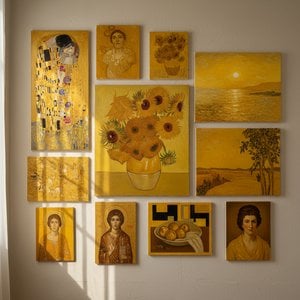
Golden Hues: Top 10 Paintings Dominated by Yellow Ochre |
Explore 10 iconic paintings bathed in golden yellow ochre! From Van Gogh's sunflowers to Monet’s haystacks, discover the stories behind these masterpieces. Find museum-quality art reproductions & elevate your home decor on .