

 Eelvaade
 Saada
Saada Jaga
Jaga
 Teave teose kohta
 Juhend

 Laadi alla
 Sarnased teosed
 Röntgenuuring
 Slaidietendus
 KÜSIMUSED JA VASTUSID
 Statistika
Self-Portrait

- 98.0 x 83.0 cm


 Loe lähemalt
Giclée / Kunstiprint
Muuseumikvaliteediga giclée- või kangasprint kiire tootmisega ja paindlikud viimistlusvõimalused. ( Osta käsitsi maalatud teos Lülita digitaalse pildi juurde)




P118B €10

P118H €10

P118W €10

P438Z €10

P508JH €12

P508YH €12

P805H €10

P805Z €10

P919BZ €10

P919G €10

P919XJ €10

P959ZH €10

P968JZ €12

W106C €8

W218G €10

W218JH €8

W218Y €10

W307PJ €10

W316G €10

W316PJ €8

W316Y €10

W398PJ €8

W4111J €10

W500HY €15

W500JH €15

W692G €12

W849H €8

W940BG €15

W953PJ €8




Vali meie eelmääratud suurused, mis vastavad teose algupärastele proportsioonidele.

Sisestage vajalik laius ja kõrgus, et see sobiks teie raamile või seinale. Trükki saab ainult lõigata, seda ei saa kunagi pildist suuremaks teha, seega ka erineva mustega suurus kaotab osa pildist. Enne trükkimist saadame teile kinnitamiseks digitaalse näidisprojektsiooni. Sellel lehel näidatud pilt ei kujuta reaalset lõiget — seda näitab ainult näidisprojektsioon.
Ülemaailmne tarne () 2 nädala jooksul, tavalise 4/5 nädala asemel. (5 november)

Tasuta ekspresssaatmine üle maailma

Kõrgekvaliteediline lina-kangas

Täielik transpordikindlustus

Tollimaksude tagastamise garantii

Värvitoime täpsuse garantii

100 päeva tagastusõigus (ainult valmistusdefektide korral)

100% raha tagasi garantii

Hulgusoodustus
 Klaasivalik on saadaval ainult kuni 110 cm suuruses teostes

Self-Portrait
Giclée / Kunstiprint
Reproduktsiooni suurus
-


Koguhind
€ 56
A Visionary Gaze: The Soul of Moritz Daniel Oppenheim’s Self-Portrait
In the quiet intensity of his 1814 Self-Portrait, we encounter more than just the likeness of a young man; we witness the dawn of a profound artistic identity. Moritz Daniel Oppenheim, a figure who would later become a pioneer of Jewish artistic representation in Germany, presents himself here with a striking blend of youthful ambition and classical poise. Holding his palette with a sense of quiet pride, the artist positions himself against the backdrop of a neoclassical statue, a deliberate choice that speaks to his aspirations for professional legitimacy within the rigorous academic traditions of his era. The composition is masterfully layered, featuring secondary figures that breathe life into the scene—one assisting in the portraiture process and another observing from the periphery—creating a narrative depth that hints at the social interconnectedness and the watchful eyes of a society in transition.
The technique employed in this masterpiece is a breathtaking marriage of German Romanticism and Classical restraint. Oppenheim demonstrates an extraordinary command over chiaroscuro, using dramatic contrasts between light and shadow to sculpt the forms of his own face and the cold, smooth surface of the marble statue. His brushwork is meticulous, capturing the subtle textures of fabric and the nuanced tonal shifts that give the skin a lifelike warmth. This technical precision does not merely serve to replicate reality; it serves to elevate the subject. The interplay of light suggests an inner illumination, reflecting the intellectual awakening of an artist finding his voice amidst the shifting cultural tides of nineteenth-century Europe.
Symbolism and the Weight of Heritage
Beyond the surface of the paint lies a rich tapestry of symbolism that resonates with anyone moved by the struggle for identity. The palette held in Oppenheim’s hand is not merely a tool of his trade, but a potent emblem of creative agency and the power of the intellect to document and shape culture. It represents his dedication to capturing the nuances of Jewish life during a period of immense transformation. In stark contrast, the neoclassical statue standing beside him embodies permanence, tradition, and the weight of the classical canon. This juxtaposition creates a beautiful tension between the enduring past and the dynamic, unfolding present—a central theme in Oppenheim’s life as he navigated the complexities of being a Jewish artist in a German society that was both restrictive and evolving.
For the discerning collector or interior designer, this work offers an unparalleled emotional depth. It is a piece that invites contemplation on themes of resilience, ambition, and the courage required to claim one's place in history. Whether placed in a curated gallery setting or as a focal point in a sophisticated study, this reproduction brings with it the spirit of a man who refused to let his heritage be silenced by prejudice. It is an invitation to celebrate the triumph of the human spirit and the enduring power of art to bridge the gap between tradition and modernity.
Korduvad küsimused
Kuidas teose "Self-Portrait" stiil seotub selle looja ajaga?
Teos „Self-Portrait“, autor Moritz Daniel Oppenheim kuulub Baroque suunasse ning on loodud autori 19. sajand ajastul.
Kust saan osta teose „Self-Portrait“, autor Moritz Daniel Oppenheim trükki?
Teose „Self-Portrait“, autor Moritz Daniel Oppenheim trüket saab tellida otse selle Kvaliteetne kunstutrüki print lehelt: kunstiprint puuvillalõikel kangas või arhiveeritaval kangaspaberil.
Millisesse ruumi on „Self-Portrait“, autor Moritz Daniel Oppenheim soovituslik paigutada?
Soovitatav paik teosele „Self-Portrait“, autor Moritz Daniel Oppenheim on Living Room. See soovituse võib muidugi oma interjööri vajadust mööda kohandada.
Sarnased teosed


Kunstniku elulugu
Juudi identiteedi visjonäär
Moritz Daniel Oppenheim (1800–1882) seisab Saksa kunstiajaloos eralduna ja sügavalt tähtsana üks juudi kunstilise esinduse tõeline pioneer. Saksamaal, Hanau linnas sündinud kunstniku elu ja looming olid sügavalt juurdunud püüdlusse dokumenteerida ning tähistada juudi elu ja kultuuri nüansse rahuldamatult muutliku üheksندا sajandi jooksul. Teda on sageli peetud esimeseks juudi maalariks, kes saavutas laialdast tunnustust peavarusas asuvad kunstiväljundid, liikudes kaugemale pelgalt biograafilistest detailidest, et luua teoskog, mis toimib elutähtsa visuaalse mälustikuna kogukonnale, kes püüdis navegatsioonit moderniseerumise keerulistes võrgustikes säilitada oma pühasid traditsioone.
Oppenheimi kunstiline teekond algas põhilise õppimisega Conrad Westermayri juures tema sünnilinnas, kus ta esimest korda omastas saksa romantilist maalipõhimõtteid. Kuid tema tõeline professionaalne tõus algas seitsmete aasta vanuses Müncheni Kunstakadeemias liitumisega. Just nendes prestiižsetes saalides teritas ta oma tehnilist meistriklassi koos selliste kaasajatega nagu Wilhelm Leibl ja Johann Baptist Eberhard Krauss. Horisonti laiendades alustas Oppenheim transformaatilist õppimisaega välismaal, rändates Pariisi, et õppida Jean-Baptiste Regnaaltilt, ning hiljem Rooma. Itaalias, suuretede nagu Bertel Thorwaldsen ja nazareenide maalar Johann Friedrich Overbeck juhendamisel, arenes tema stiil sofisteetse seguniku becomeks täpne observatsioon ja klassikaline mõju. See Rooma periood oli eriti murdilis, kuna see infuseeris tema tööde ajaloolise gravitatsiooniga, mis kujundas hiljem tema kirjeldusi juudi rituaalidest ja igapäevasest elust.
Intiimsuse ja traditsiooni kunst
Oppenheimi panus kunstile peitub tema võimes muuta kodune sfäär sügavaks kultuuriliseks narratiiviks. Tema maalid keskenduvad sageli juudi pereluugi intiimsetele stseenidele, tabades rituaalide vaikset väärikust ja kogukonna siduste soojust. Tema pintslitõlg läbi muutub igapäevane monumentaalneks. Teostes nagu Sabbati lõpp (Sabbath-Auslik) kasutab ta meisterlikku realismist ja peidetud sümbolistikat, et kujundada puudutavat üleminekut pühasest sabbati puhkusest tagasi ajalikku maailma, kutsumates vaatajat tunnistama peretraditsiooni pühadust.
Tema võime koota ajalooline kontekst isulise emotsiooniga on kõige selgemalt nähtav tema žanrimalides, mis dokumenteerivad konkreetseid kultuurilisi sündmusi. Näiteks:
- Pulv (Die Trauung): Hinget lõikav detailne kujundus 1866. aasta juudi pulmast Frankfurti getos, kus Oppenheim tabab traditsiooniliste riietuste ihtlusest ja pulmakatuse pühalusest haruldast, säilinud pilgu kaduvasse eluviisid.
- Vapli naasmine (The Return of the Volunteer): Selles vapustavas 1834. aasta õlimaalist uurib ta juudi pärandi ja laiemat Euroopa ajalugu, kujutades sõdast, kes naaseb Vabadusvõitlustest koju peresse, mis elab endiselt iidsed kommid:
Pärand ja ajalooline tähendus
Lisaks tehnilisele oskusele on Oppenheimi töö lahutumatu osa Wissenschaft des Judentums liikumisest — teaduslikust püüdeldusest kinnitada juudi ajalugu ja kultuur kui austatud akadeemiline valdkonnana. Tema maalid toimisid visuaalse uurimistööna, pakkudes väärikat ja autentset esitlust kogukonnale, mis oli Euroopa kunstikanonis sageli marginaalne. Järgides juudi teemade kujundamisel sama detailset, väärikast ja romantilist suuremoodust, mida tavaliselt varudati aristokraatlikud või müütilised teemad, väljakutsus ta olemasolevaid eelarvamusi ning kinnitas juudi identiteedi olulisust Saksa kultuurilises koodistikus.
Lõplikult on Moritz Daniel Oppenheimi pärand vastupidluse ja nähtavuse pärand. Ta ei maalinud pelgalt stsène; ta lõi visuaalse keele üleminekuera jaoks. Tema võime tabada õranet tasakaalu vanat ja uuega tagab, et tema töö jääb elutähtevaks peegelduseks üheksdasaja juudi kogemuse mõistamiseks, tehes temast asendamatu tegelase nii Saksa romantilismis kui ka juudi kunsti globaalses narratiivis.

Moritz Daniel Oppenheim
1800 - 1882 , Saksamaa
Lühikest infot
- Artistic Movement Or Style: Romantism
- Artists Who Influenced This Artist:
- Jean-Baptiste Regnault
- Bertel Thorwaldsen
- Barthold Georg Niebuhr
- Johann Friedrich Overbeck
- Date Of Birth: 7. jaanuar 1800
- Date Of Death: 1882
- Full Name: Moritz Daniel Oppenheim
- Nationality: Saksa
- Notable Artworks:
- Vabatahtlase naasmine
- Mignon ja lüür
- Itaalia žanriteene
- Konfirmatsioon
- Sabbati õnnistus
- Place Of Birth: Hanau, Saksamaa
Sarnased artiklid

The Enduring Legacy of Formal Portraiture: Power, Identity & Artistic Exploration
Explore the rich history of formal portraiture & its enduring power to capture identity and shape perception. Discover investment-worthy artworks, expert appraisals, and custom reproduction services at ArtsDot.

Romantic Realism's Finest: 10 Masterpieces for Your Home | ArtsDot
Explore 10 defining masterpieces of Romantic Realism! Discover Courbet, Millet & Daumier's powerful paintings—capturing emotion and social realities. Find museum-quality reproductions for your home at ArtsDot.com.

Romantilise Maastikukunsti 10 Meisterteost: Kunstiteosed Koduks ArtsDot.com'ist
Avastage 10 romantilise maastikukunsti meistriteost! Tutvuge Caspar David Friedrichi, J.M.W. Turneri ja teiste suurte kunstnike loominguga ArtsDot.com-is. Leidke täiuslik õlimaal või reproduktsioon koduks – inspireeriv kollektsioon ootab!

German Expressionism's 10 Defining Masterpieces | Art for Your Home
Explore 10 defining German Expressionism masterpieces – from Munch's 'The Scream' to Kandinsky’s abstracts. Discover the artists, stories & bold colors behind this powerful art movement. Find museum-quality reproductions at ArtsDot.com.
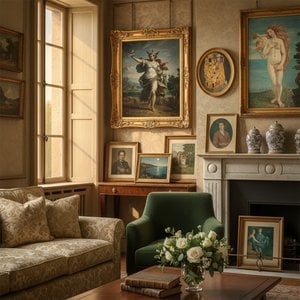
Romantic Masterpieces: 10 Artworks for a Timeless Home Decor Aesthetic
Fall in love with art! Explore 10 iconic romantic paintings – from Monet & Bouguereau to Fragonard. Discover the stories behind these masterpieces and find museum-quality reproductions for your home decor at .