

 Eelvaade
 Saada
Saada Jaga
Jaga
 Teave teose kohta
 Juhend

 Laadi alla
 Sarnased teosed
 Röntgenuuring
 Slaidietendus
 KÜSIMUSED JA VASTUSID
 Statistika
Vestibule


 Loe lähemalt
Giclée / Kunstiprint
Muuseumikvaliteediga giclée- või kangasprint kiire tootmisega ja paindlikud viimistlusvõimalused. ( Osta käsitsi maalatud teos Lülita digitaalse pildi juurde)




P118B €10

P118H €10

P118W €10

P438Z €10

P508JH €12

P508YH €12

P805H €10

P805Z €10

P919BZ €10

P919G €10

P919XJ €10

P959ZH €10

P968JZ €12

W106C €8

W218G €10

W218JH €8

W218Y €10

W307PJ €10

W316G €10

W316PJ €8

W316Y €10

W398PJ €8

W4111J €10

W500HY €15

W500JH €15

W692G €12

W849H €8

W940BG €15

W953PJ €8




Vali meie eelmääratud suurused, mis vastavad teose algupärastele proportsioonidele.

Sisestage vajalik laius ja kõrgus, et see sobiks teie raamile või seinale. Trükki saab ainult lõigata, seda ei saa kunagi pildist suuremaks teha, seega ka erineva mustega suurus kaotab osa pildist. Enne trükkimist saadame teile kinnitamiseks digitaalse näidisprojektsiooni. Sellel lehel näidatud pilt ei kujuta reaalset lõiget — seda näitab ainult näidisprojektsioon.
Ülemaailmne tarne () 2 nädala jooksul, tavalise 4/5 nädala asemel. (9 november)

Tasuta ekspresssaatmine üle maailma

Kõrgekvaliteediline lina-kangas

Täielik transpordikindlustus

Tollimaksude tagastamise garantii

Värvitoime täpsuse garantii

100 päeva tagastusõigus (ainult valmistusdefektide korral)

100% raha tagasi garantii

Hulgusoodustus
 Klaasivalik on saadaval ainult kuni 110 cm suuruses teostes

Vestibule
Giclée / Kunstiprint
Reproduktsiooni suurus
-


Koguhind
€ 56
Vestibule
Michelangelo Buonarroti’s Vestibule stands as an unparalleled testament to Renaissance architectural innovation and artistic mastery, residing within the Biblioteca Medicea-Laurenziana in Florence. Commissioned by Pope Clement VII in 1523, this ambitious project aimed to establish a grand repository of knowledge for the Medici family—a legacy that continues to inspire awe centuries later.The Vestibule’s genesis lies firmly rooted in the humanist ideals of its time, mirroring the broader artistic fervor sweeping across Europe during the High Renaissance. Michelangelo, already celebrated for his sculptures like David and Pietà, approached this architectural challenge with a singular vision—one informed by meticulous observation of classical forms and imbued with an unwavering belief in the transformative power of art.
Architectural Innovations: A Dialogue Between Tradition and Bold Experimentation
Michelangelo’s design defied conventional norms, prioritizing dynamism and grandeur over static symmetry. The staircase itself is arguably his most striking achievement—a double-flight structure that ascends majestically towards the library's reading room. Its undulating curves and monumental scale weren’t merely functional; they served as a deliberate provocation, reflecting Michelangelo’s conviction that architecture could elevate the human spirit.- Double Staircase Design: The innovative double-flight design creates a dramatic visual effect, emphasizing height and movement.
- Classical Influence: Despite its daring departures from established architectural styles, Michelangelo drew inspiration from classical columns and proportions.
- Spatial Harmony: Michelangelo skillfully crafted the Vestibule’s interior space to foster contemplation and intellectual engagement.
Artistic Elements: Marble Sculpture and Decorative Detail
The Vestibule's walls are adorned with niches housing sculptures—a deliberate gesture intended to enrich the visual experience and reinforce the library’s role as a center of artistic erudition. Michelangelo’s masterful manipulation of marble demonstrates his unparalleled technical skill, capturing subtle nuances of emotion and form.Legacy and Preservation: A Timeless Masterpiece
Today, the Biblioteca Medicea-Laurenziana safeguards Michelangelo's Vestibule—a beacon of artistic achievement that continues to captivate visitors from across the globe. Its enduring appeal stems not only from its architectural grandeur but also from its profound reflection of humanist values and Michelangelo’s unwavering commitment to elevating human experience through art.For those unable to experience this extraordinary artwork in person, ArtsDot.com offers exceptional reproductions—allowing you to immerse yourself in the splendor of Michelangelo's vision.
- Michelangelo Buonarroti: Vestibule
- Michelangelo Buonarroti: Staircase in the Vestibule
- Michelangelo Buonarroti: David (detail)
- Michelangelo Buonarroti: David (detail)
For a deeper dive into the history of the Biblioteca Medicea-Laurenziana, visit Discovering the Biblioteca Medicea-Laurenziana, a Hidden Gem of Florence.
Korduvad küsimused
Millisesse ruumi on „Vestibule“, autor Michelangelo Buonarroti soovituslik paigutada?
Teose "Vestibule" reproduktsioon sobib hästi Living Room-i.
Kas on õpilaste jaoks olemas infoleht teose „Vestibule“, autor Michelangelo Buonarroti kohta?
Teosele „Vestibule“, autor Michelangelo Buonarroti on saadaval Õppekasutusjuhend leht: trüvitav infoleht teose kohta, mis on loodud õpilasteks ja klassiruumis kasutamiseks.
Kas teose "Vestibule" kõrgekvaliteediline allalaadimine on saadaval?
Teose "Vestibule" digitaalset versiooni saab tellida kui kõrge resolutsiooniga digitaalse pildi allalaadimine, ostes seda otse sellelt lehelt Digitaalne kunstiteos.
Sarnased teosed


Kunstniku elulugu
Kivi ja tolmu raskus
Caprese mägidest õppis poiss kivi raskust ja marmortolmu karedust. Sündinud aastal 1475 veetis Michelangelo Buonarroti oma varajased aastad Settignuano lähedal, kus tema isa omandas karjääri. Niidne mullad ja kummatused kivi vastu olid osa tema külgpõlvest. Ta ei alustanud pintsliga, vaid pistikega. Tema õppeperiood Domenico Ghirlandaiode juhendel Firenzes tõi ta kokkupuhte linna ülesvoolavale huvile inimkeha vormi vastu, kuid just Medici aedades kujunes tema kunstiline vaade täielikult. Seal, antiiksete kreeka ja Rooma fragmentide vahel, õppis ta uurima, kuidas valgus langeb lihase ja luu üle.
Tema töö sai alguse sügavadast anatomia uuringust. Ta vaatas, kuidas limb on koondunud ja kuidas nahk liigese kohal pingule jääb. See keskendumine keha füüsilisele reaalsusele sai tema peamiseks keeleks. Kuni jõudis Rooma aastal 1496, oli ta juba lõikanud figuure, millel oli raske ja käegistatav kohalolu. Pietà, mis valmis aastal 1499, näitab seda varajast võimet muuta marmor liha sarnaseks pehmeks, isegi kui see kannab surnu raskust.
Lae pinge
Ülesanne Sistine'i kabeli lae suhtes ei olnud midagi, mida ta ise otsis. Ta pidas end skulptoriks – inimeseks, kes tõmbab elu kivist välja, rather kui levitaks pigmenti plaastri peale. Siiski töötas ta nelja aasta jooksul kabeli kõrgetes osades, maalides üle 300 figuuri Geneseese raamatust. Füüsiline koormus oli nähtav tema igapäevas жизни. Ta veetis tunde ebamugavates asendoon, tema keha oli pingestunud ulatuse ja fresko tehnikas raske värvitoonide rakendamise tõttu. Paneelides nagu Aadam loomine on pinge leetav väikese vahega kahe sõrme vahel – hetk peaaegu puudutuse äärel, mis hoiab vaataja tähelepanu puhta kompositsiooni abil.
Aja jooksul liikus tema stiil eemale Kõige Kõrgemast Renessanssi tasakaalustatud ideaalidest poole, suunas ta oma tööd ebakindlamasse ja liigsemasse suunas. Tema hiljaegased teosed, nagu altariseinale loodud Viimne Pirastus, näitavad üleminekut maniarismi suunas. Figuurid said pikemaks ja kompositsioonid täidusamaks ning dramaatilisemaks. See muutus peegeldas Rooma muutuvat vaimulikku õhkk. Ta pidas jätkuvalt tööd intsiivsusega, mida paljud pidasid üleliigseks, jättes sageli projektid lõppemata, kui tema mõistlus liikus uute arhitektuursete või skulptuursete probleemide poole.
Arhitektuur ja viimased aastad
Tema elulähedistes kümnestades pöördugi Michelangelo suure osa tähelepanust majanduste ja ehitiste struktuurile. 71. aasta vanusel võttis ta üle töö Püha Peetri katedraali, muutes planeeringuid, et luua massivsem ja suurepärasem disain. Ta projekteeris ka Laurentian'i kirjastiku, kus tema arhitektuursete elementide kasutamine murduks traditsioonist, luues liikumise tunde kivi siseosades. Tema töö Roomas Piazza del Campidoglio'l näitas, kuidas ta suutis organiseerida avalikku ruumi, kasutades sümmeetria ja klassikalisi motiive, et juhatada silma läbi väljakunni.
Ta suri Roomas aastal 1564, jättes järelvaatavaks pärandi, mis on kirjutatud marmorisse, freskoisse ja kivi.
- Skulptor: Carrara marmorist üksikest plokist raiutud teosed nagu David.
- Maalaja: Sistine'i kabeli laiad printide ja narratiivsete tsiklite täitmine.
- Arhitekt: Püha Peetri katedraali ja Laurentian'i kirjastiku aluste ülesuurendamine ja ümberdisain.
- Poet: Oma sisemiste mõtete väljendamine luulevormis.

Michelangelo Buonarroti
1475 - 1564 , Itaalia
Lühikest infot
- Artistic Movement Or Style: Kõrgenõuguslik renessanss, mannerism
- Artists Or Movements Influenced By This Artist: ['Mannerism']
- Artists Who Influenced This Artist: ['Domenico Ghirlandaio']
- Date Of Birth: 1475
- Date Of Death: 1564
- Full Name: Michelangelo di Lodovico Buonarroti Simoni
- Nationality: Itaalia
- Notable Artworks:
- Pietà
- David
- Sistine'i kabeli lattu
- Viimane õuearmistus
- Place Of Birth: Caprese Michelangelo, Itaalia
Sarnased artiklid

The Enduring Legacy of Marble: A Comprehensive Exploration of Technique, Symbolism & Artistic Expression
Explore the rich history of marble sculpture from antiquity to the Renaissance! Discover key techniques, influential artists & enduring themes in classical art. Expert insights for collectors and enthusiasts at ArtsDot.

Bronze Sculptures That Defined Art History | ArtsDot
Journey through art history with our Top 10 bronze sculptures! Explore masterpieces by Rodin, Michelangelo & more. Discover stories behind iconic statues and find museum-quality reproductions for your home decor at ArtsDot.com.
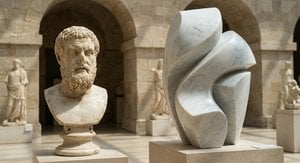
The Enduring Allure of Marble in Art History: From Classical Sculpture to Modern Abstraction
Explore the captivating history of marble sculpture from ancient Greece to modern art. Discover renowned artists like Canova & Michelangelo, carving techniques, and investment insights at ArtsDot.

Michelangelo Buonarroti 25 parimat teost: Renessansi meistriteosed teie interjööri
Avastage Michelangelo Buonarroti 25 parimat teost! Sukelduge renessansi meistriteoste maailma – David, Pietà ja Sixtuse kabel. Ostke kvaliteetseid Michelangelo reproduktsioone ja inspireerige oma interjööri ArtsDot.com-is.

Bronze Age to Modern Masters: 10 Sculptures That Redefined Art | ArtsDot
Journey through art history with 10 legendary bronze sculptures – from Michelangelo's David to Rodin’s Thinker. Explore the stories, techniques & timeless beauty of these masterpieces. Find museum-quality reproductions & elevate your home decor on ArtsDot.com.


